


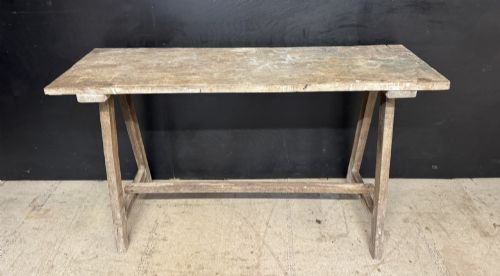
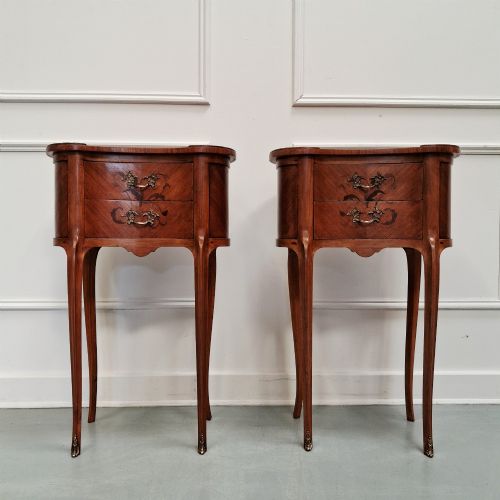
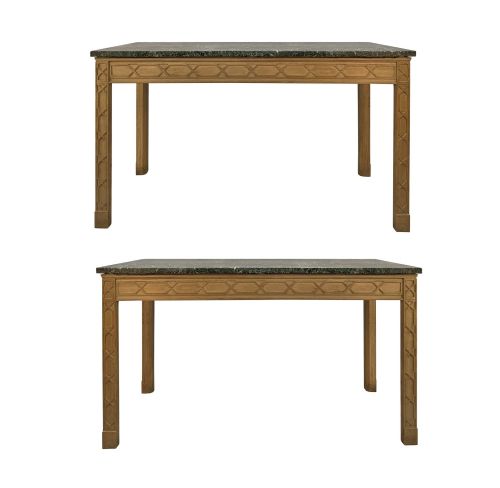
Antique Timber Side Table
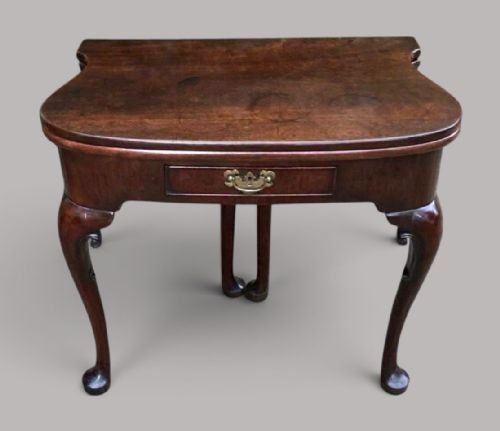
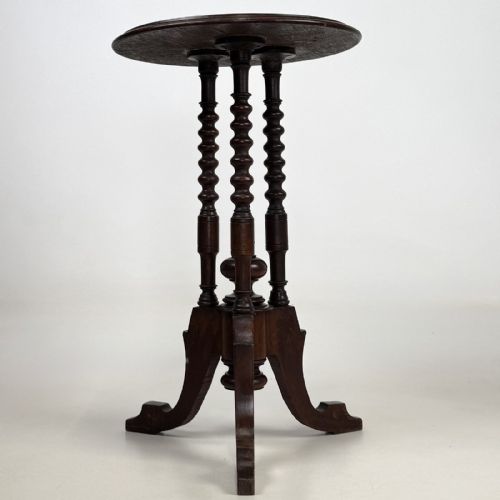
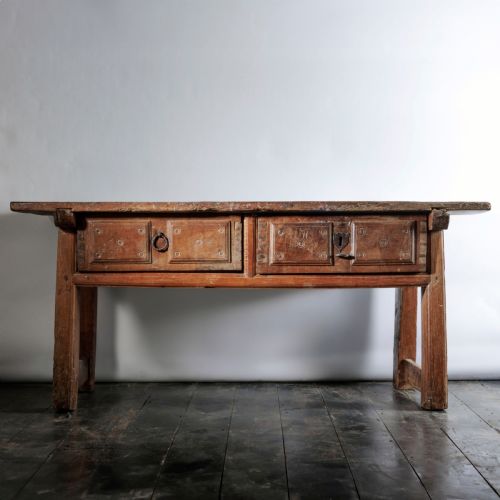
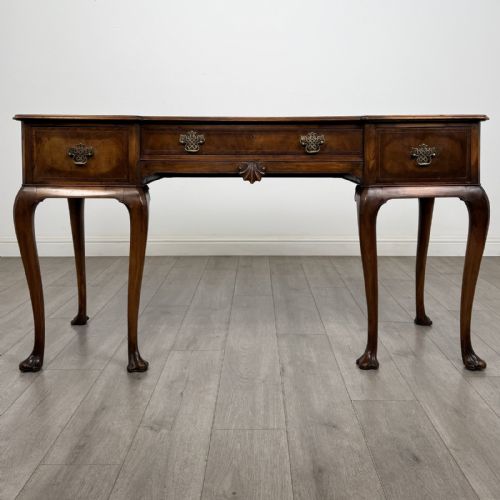
An antique timber side table brings character and a reliable surface to a room, spanning modest country pieces to formal Georgian designs.
Antique Timber Side Table
An antique timber side table encompasses a range of domestic supports, from occasional wine tables and lamp tables to larger console and prep tables. Buyers searching for an antique timber side table encounter pieces originating from the eighteenth century, the Georgian era, the Victorian period, and the early twentieth century.
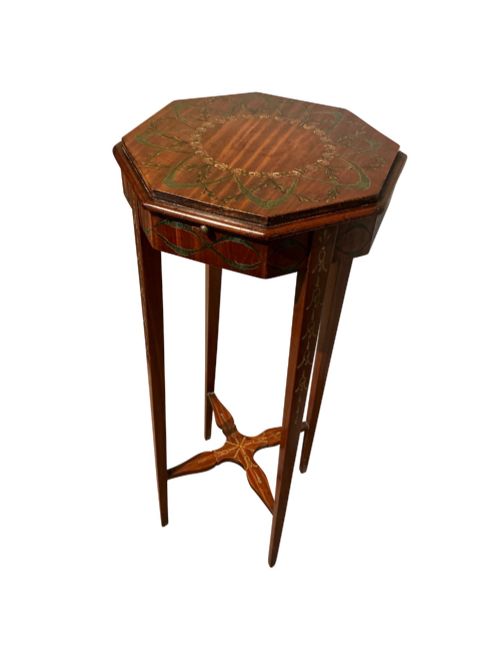
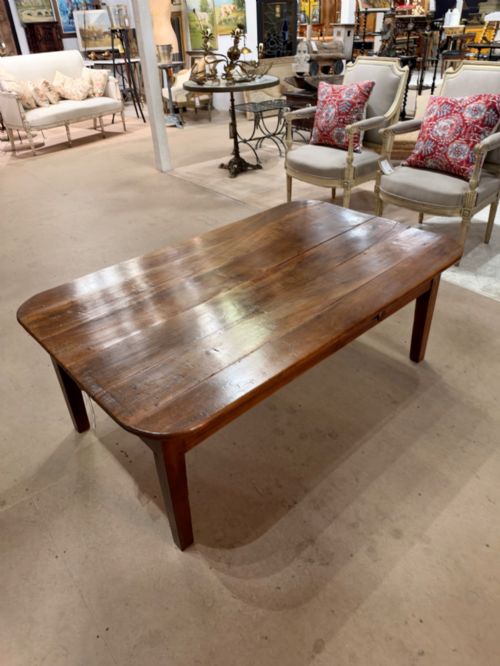
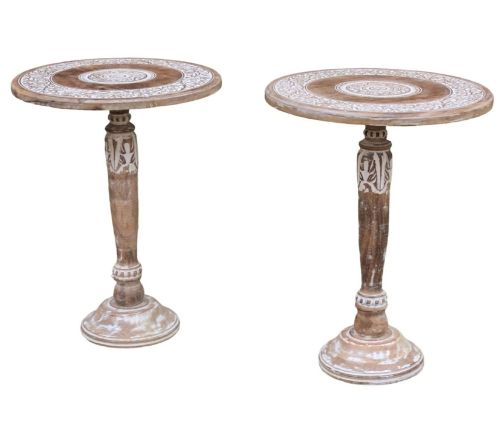
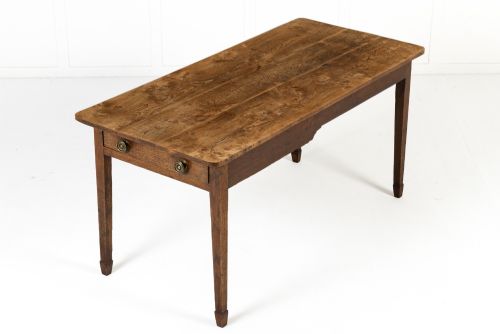
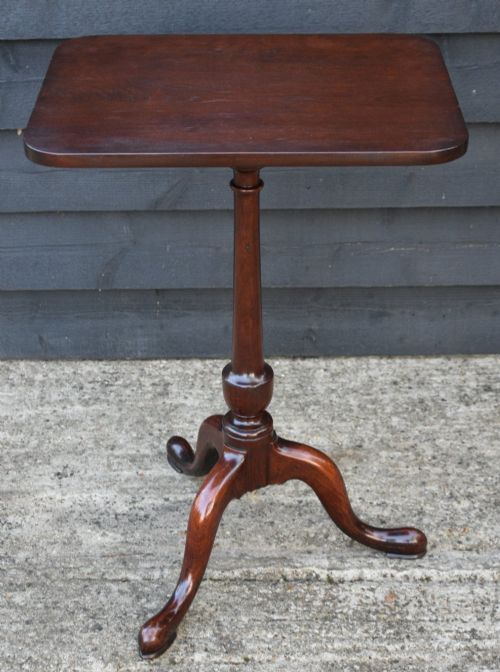
The selection includes rustic country pine and oak tables, walnut demilune consoles, mahogany wine tables, and exotic hardwoods featuring mother of pearl inlay. Regional vernacular pieces such as sycamore and ash stools or beech game blocks also appear alongside formal satinwood and carved linden wood examples.
Materials and construction
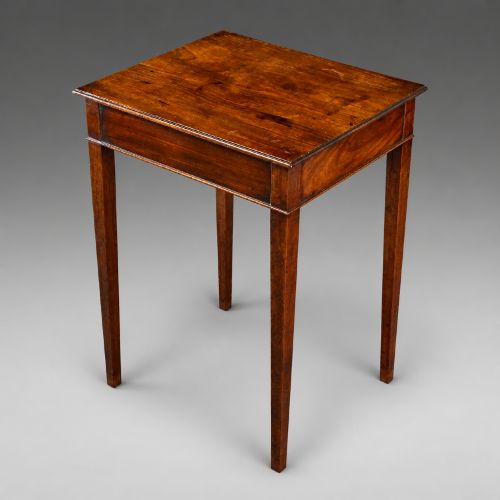
These tables rely on a foundation of solid timbers such as mahogany, oak, pine, walnut, and elm, selected for their grain and structural strength. Joinery methods range from pegged plank tops and simple tripod legs to fine cabinetmaking involving inlaid veneers and carved details.
Secondary materials like brass fixtures, marble inserts, and mother of pearl inlay enhance specific pieces, whilst painted finishes and later layers of paint appear on various European country items.
Antique Timber Side Table Retail Price Guide 2026
Typical asking prices for timber side table among the pieces listed under this phrase on Sellingantiques today, from the lower quarter to the upper quarter. They describe what is for sale here now, not the wider market.
Listings feature timbers spanning mahogany, pine, oak, elm, walnut, and exotic hardwoods across the eighteenth, nineteenth, and early twentieth centuries.
Craftsmanship and materials
Quality in these tables rests upon the selection of timber, such as figured mahogany or burr elm, and the precision of the underlying construction. Finer examples display deliberate carving, balanced proportions, and careful timber matching.
Simpler vernacular items achieve merit through honest construction and authentic surface patination, whereas heavily decorated pieces depend on the crispness of their carving and the integrity of their inlay.
Liberty of London
The Antique Timber Side Table Glossary
- Demilune
- A half-moon shape typical of console tables designed to sit flush against a wall.
- Tilt top
- A tabletop mechanism allowing the surface to pivot vertically when not in use to save space.
- Lowboy
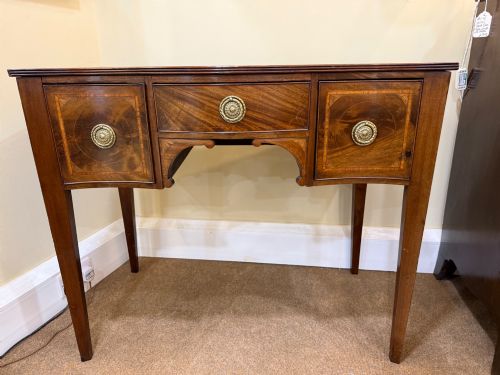
- A small oak or walnut table with drawers, generally dating from the eighteenth century.
- Cricket table
- A small, lightweight three-legged occasional table originating from the country vernacular tradition.
- Scagliola
- A composite material made from selenite, glue, and pigments, used to imitate marble in inlaid table tops.
Antique Timber Side Table: Frequently Asked Questions
How do I identify a Georgian side table?
Look for traditional timber choices such as mahogany and oak, alongside formal proportions and characteristic styling of the period.
Examine the construction methods underneath to confirm period appropriate joinery and unpretentious craftsmanship.
Where should I place an occasional table?
These smaller tables suit hallways, beside armchairs, or against empty wall spaces where surface area is required without bulk.
Their varied footprints allow them to function as lamp stands, plant supports, or bedside surfaces depending on their height.
What is the difference between a console and a side table?
Console tables historically sat against walls, often featuring semicircular demilune shapes or decorative carved frames meant for display.
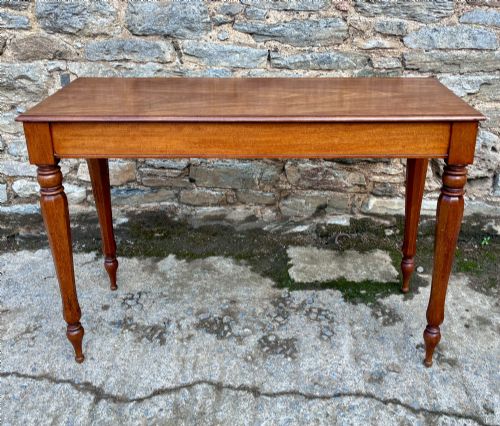
Side tables generally offer more utilitarian surfaces with four legs and occasional drawer storage for everyday domestic use.
Are painted pine tables authentic antiques?
Many pine and fruitwood tables received coats of paint during their working lives in country houses and farmhouses.
Original or early painted surfaces contribute to the character and historical record of regional furniture.