

Dark Wood Server
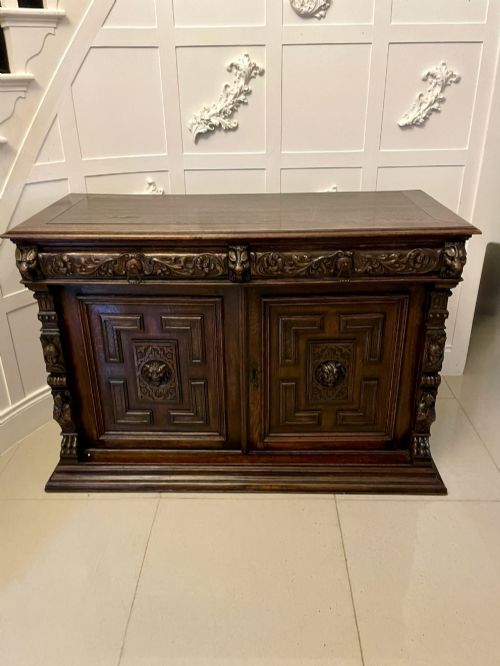
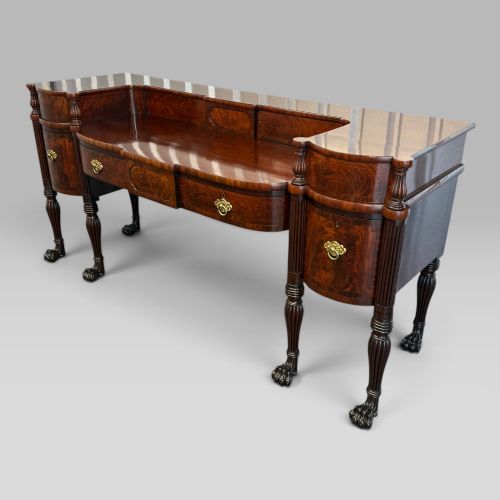
A dark wood server brings substantial timber presence and practical surface space into a room, spanning forms from Georgian mahogany to Edwardian oak.
Dark Wood Server
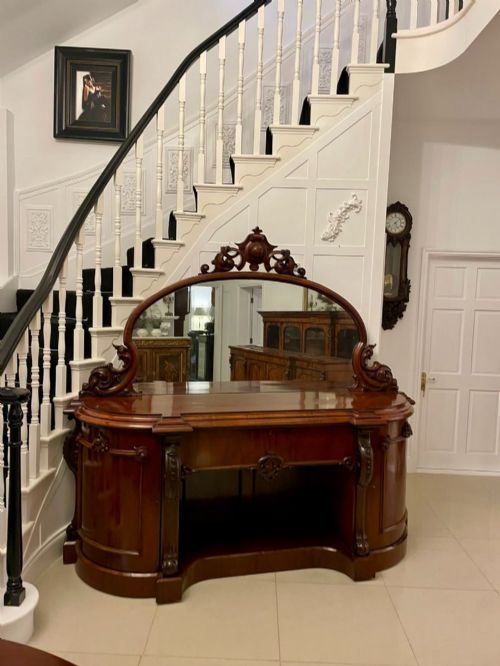
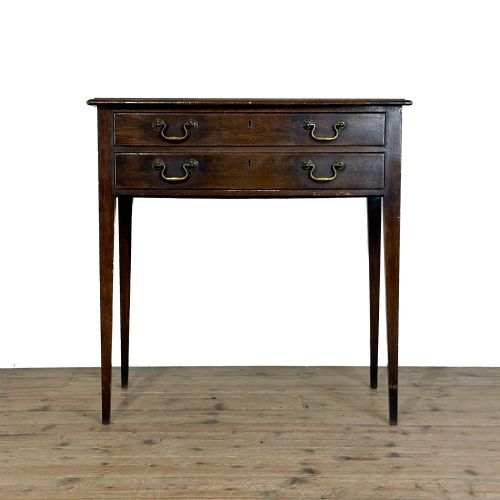
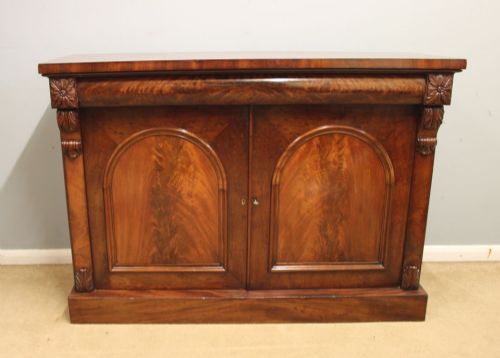
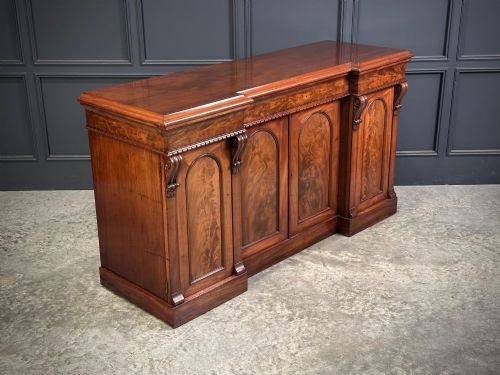
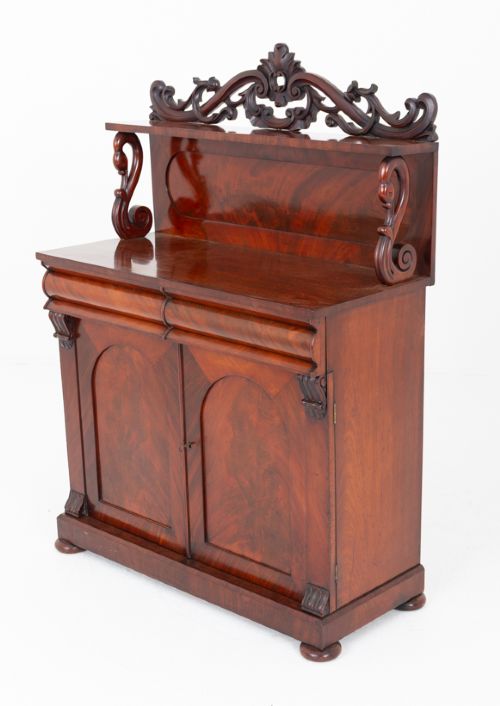
When you search for a dark wood server, you encounter a variety of large dining and serving furniture, including sideboards, buffets, chiffoniers, and serving tables. These pieces originate from periods such as the Georgian era, the Victorian period, and Edwardian times, offering substantial storage and display capacity.
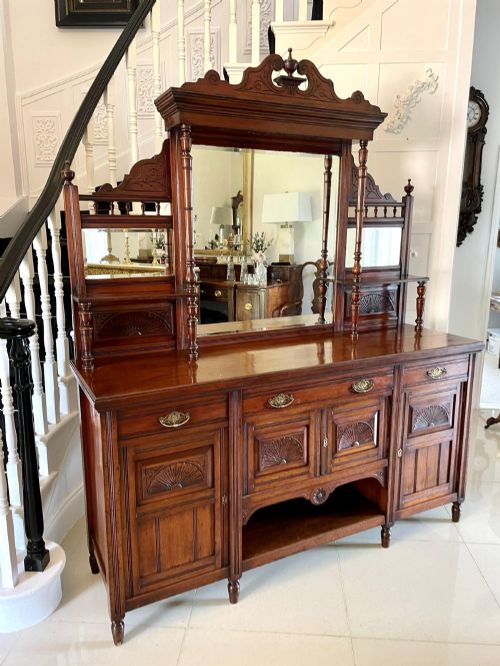
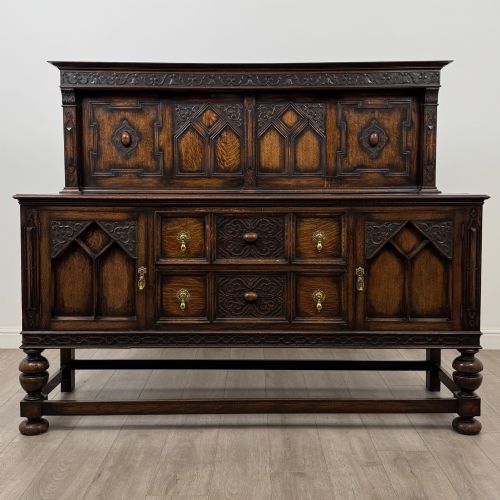
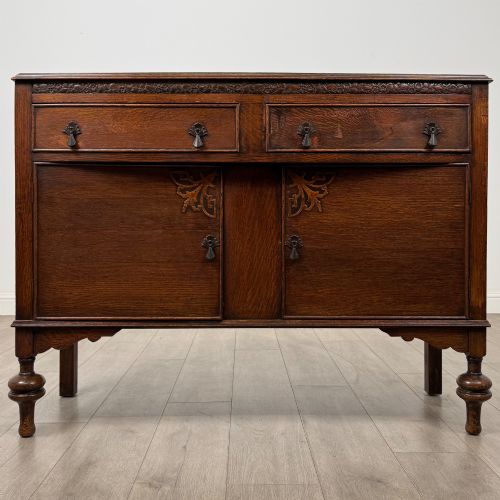
The version you are most likely to meet on this page is a Victorian or Edwardian sideboard constructed from oak or mahogany. These practical items often feature cupboards, drawers, or carved details suited to traditional dining rooms and hallways.
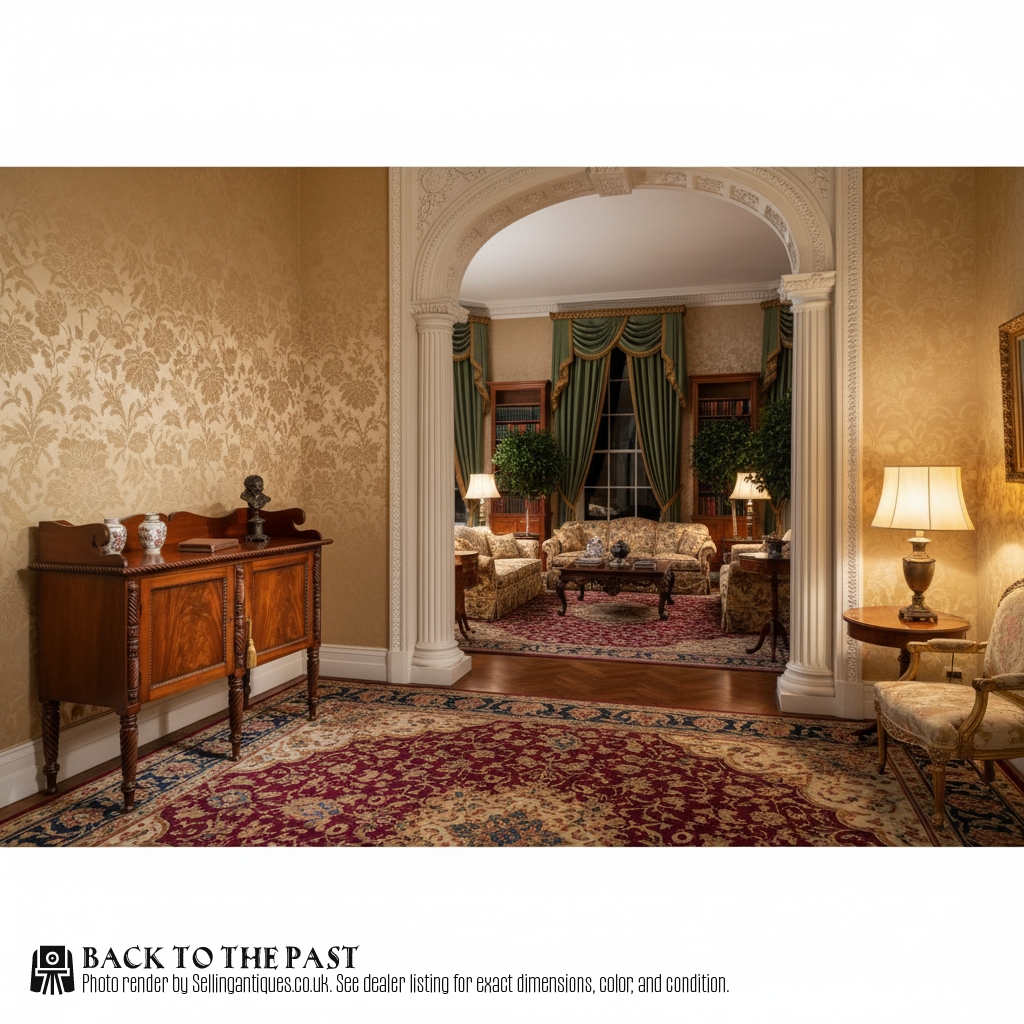
How they were made
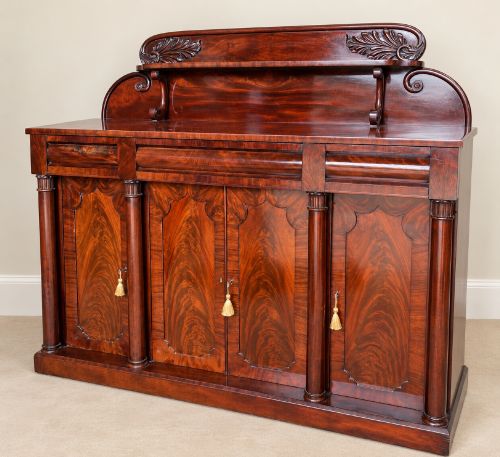
Craftsmen built these pieces primarily using solid timbers like oak, mahogany, and rosewood, frequently applying flame mahogany veneer to create rich surface patterns. Structural integrity relied on traditional joinery, occasionally enhanced by brass hardware.
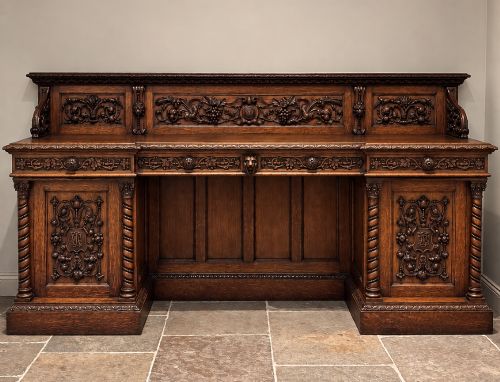
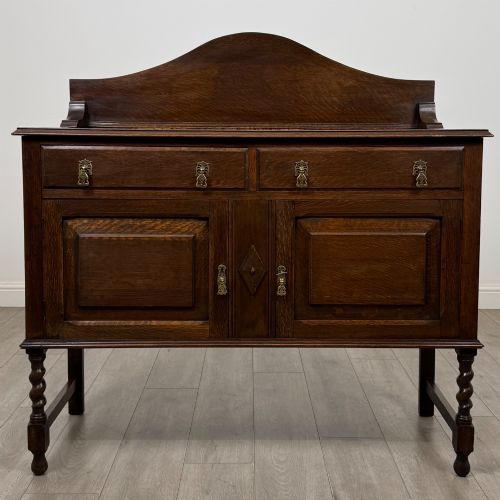
Carving and turning formed central decoration techniques, visible in barley twist legs, lion paw feet, and elaborate mirror backs. Workshops utilised iron fixings internally while maintaining polished timber exteriors.
Dark Wood Server Retail Price Guide 2026
Typical asking prices for dark wood server among the pieces listed under this phrase on Sellingantiques today, from the lower quarter to the upper quarter. They describe what is for sale here now, not the wider market.
Common forms span sideboards, chiffoniers, console tables, and library serving tables fitted with brass and iron hardware.
What varies in quality
The grade of timber and the precision of the veneer work set pieces apart, distinguishing plain surfaces from richly figured flame mahogany. Superior examples display careful selection of grain matching across doors and drawer fronts.
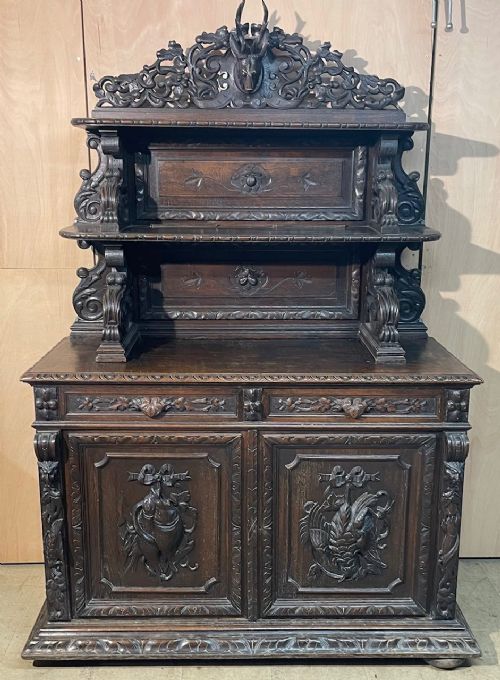
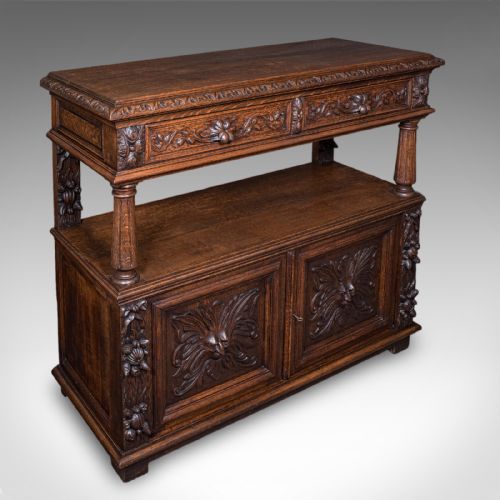
Depth and crispness of carving define the workmanship, separating standard production items from heavily carved or architectural designs featuring detailed woodwork. Original hardware, such as brass fittings and intact feet, elevates the standing of a piece.
The Dark Wood Server Glossary
- Chiffonier
- A low sideboard or cabinet featuring shelves or a raised back, commonly developed during the Victorian period for dining room storage.
- Flame mahogany
- A distinct veneer cut from timber fork where branches join, producing a flickering flame pattern across drawer fronts and cabinet doors.
- Barley twist
- A spiral turning technique applied to wooden table legs and supports, frequently observed in Edwardian oak furniture.
- Lowboy
- A small side table with drawers, often standing on tall legs and originating in earlier centuries before evolving into varied serving forms.
- Serpentine
- A curved front shape on a sideboard or cabinet, curving outward at the sides and inward at the centre.
Dark Wood Server: Frequently Asked Questions
Where should I place a server?
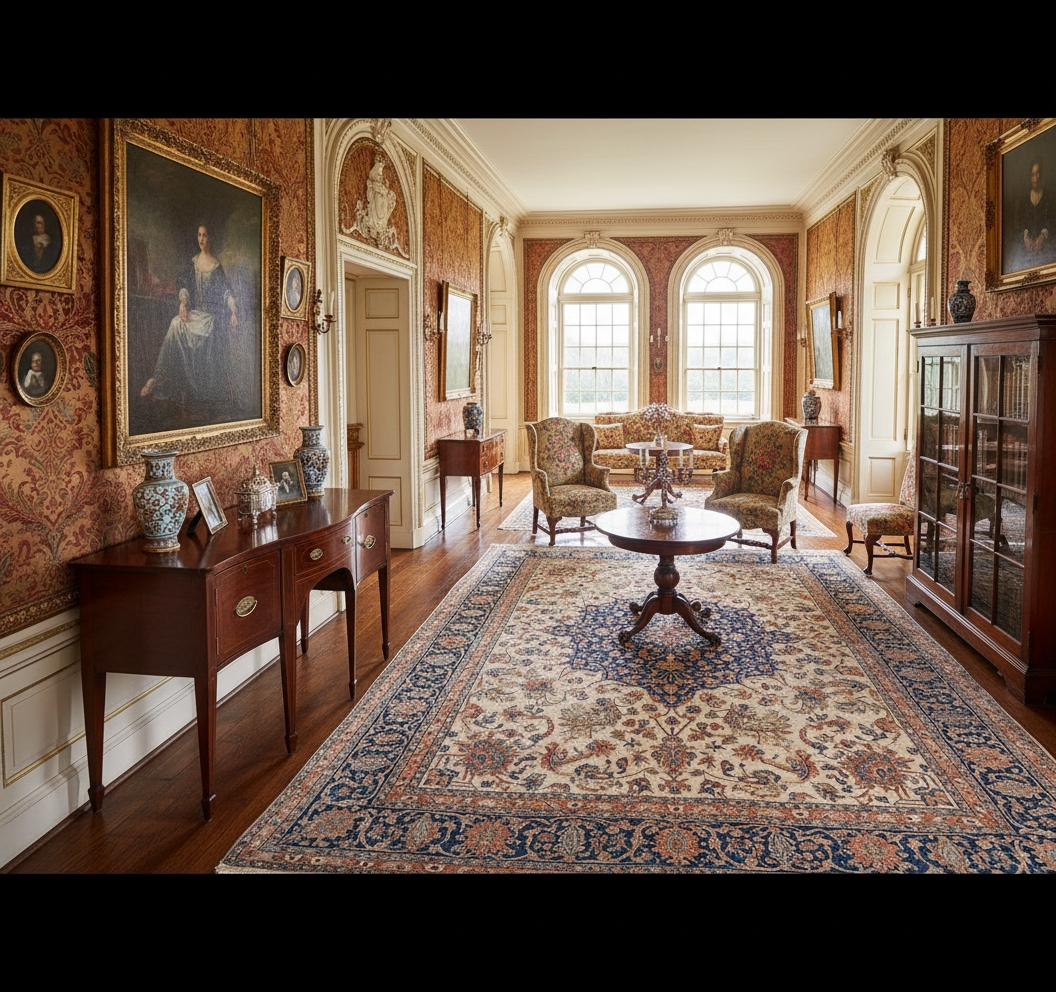
These pieces suit dining rooms, large hallways, and living spaces where surface area and interior storage prove useful. Their substantial depth requires adequate floor clearance.
Positioning them against a primary wall allows the timber grain and carved details to anchor the room's proportions.
How do I clean dark wood surfaces?
Maintenance involves dusting with a dry lint-free cloth and applying appropriate beeswax or polish periodically to nourish the timber. Avoid excessive moisture.
Protecting the surface from direct heat and strong sunlight preserves the rich colour of the mahogany and oak.
What is the difference between a sideboard and a chiffonier?
Sideboards generally offer larger proportions with multiple cupboards and drawers designed for dining rooms. Chiffoniers are typically more compact storage units.
Chiffoniers frequently incorporate a low superstructure or mirror back, making them suitable for smaller reception rooms.
How can I identify an Edwardian piece?
Edwardian furniture often displays lighter construction, revival styles such as Jacobean or Adam, and specific turning like barley twists. Oak and mahogany remain predominant.
These items date from the early twentieth century, combining traditional utility with decorative Arts and Crafts influences.