


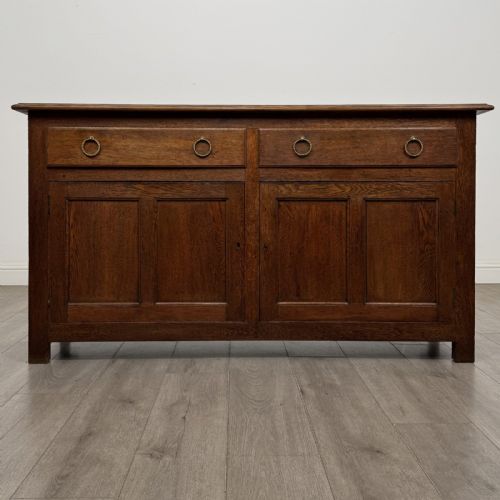
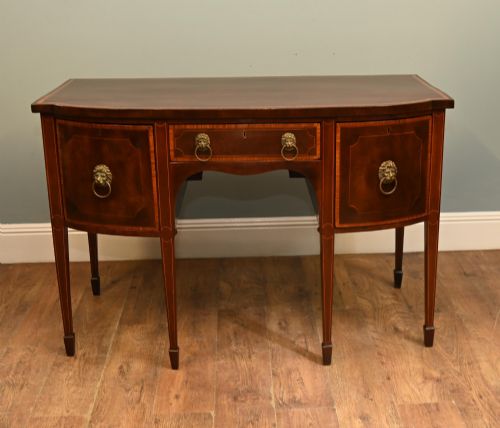
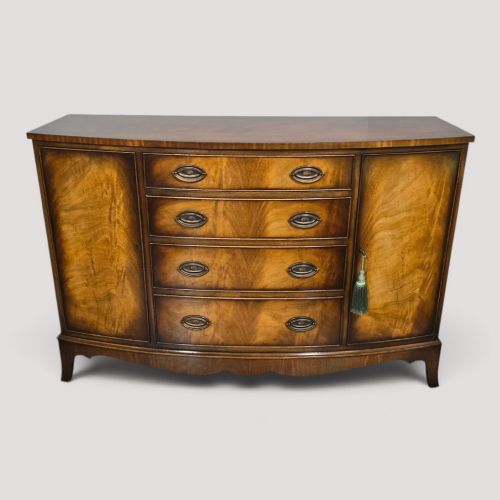
Antique Dining Buffet
An antique dining buffet anchors a room with solid timbers and considered joinery, offering practical storage for silver and linen.
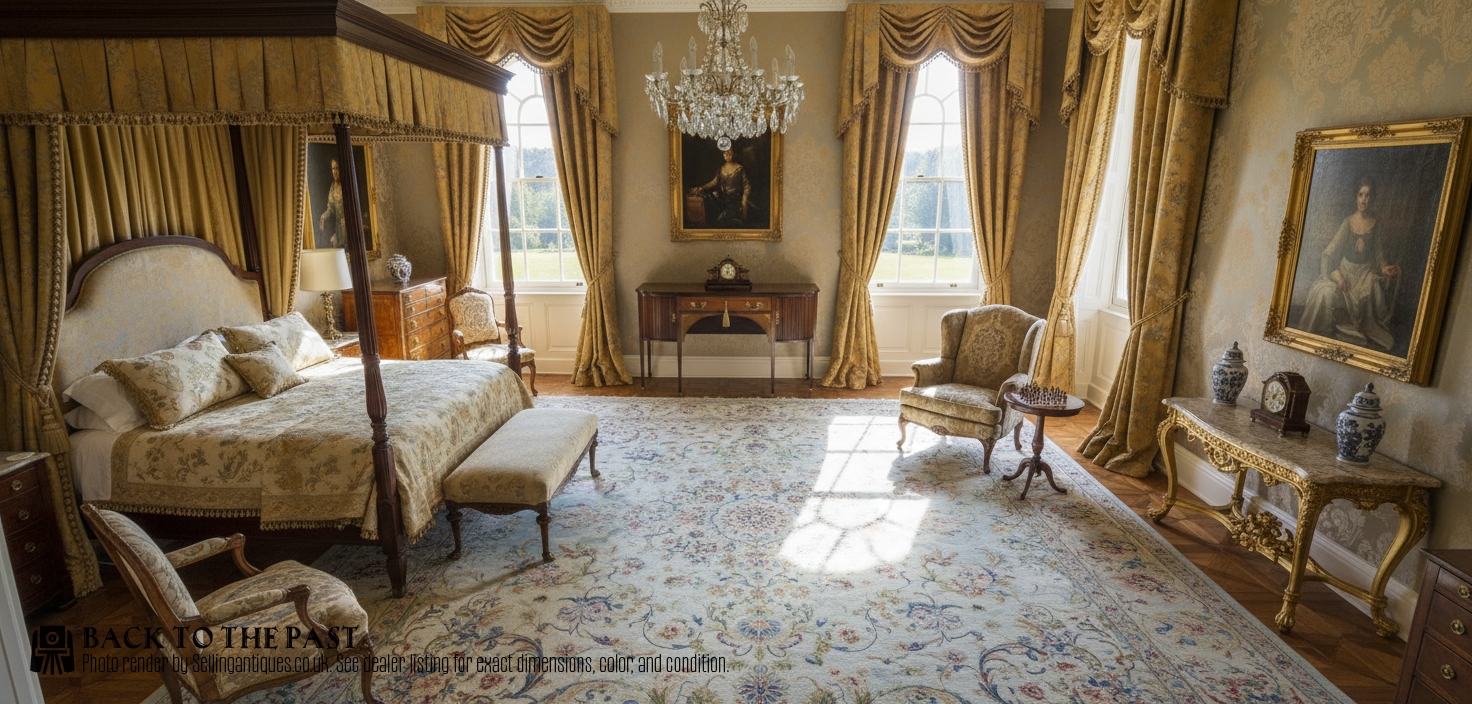
Antique Dining Buffet
The term antique dining buffet covers a range of large serving furniture, sideboards, and credenzas designed for formal meals. These pieces originate from the Georgian, Victorian, and Edwardian eras, extending into early twentieth-century Art Deco designs.
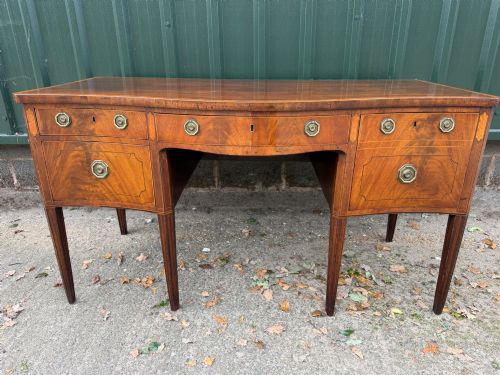
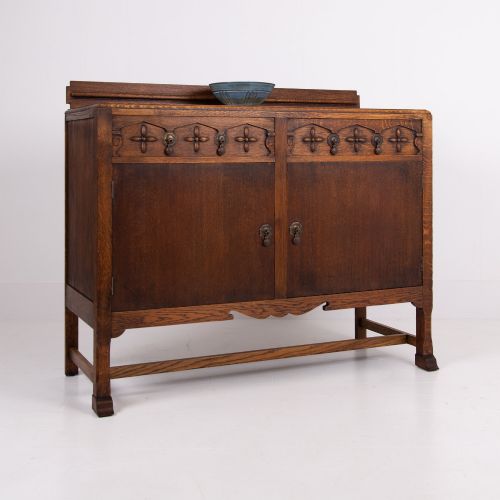
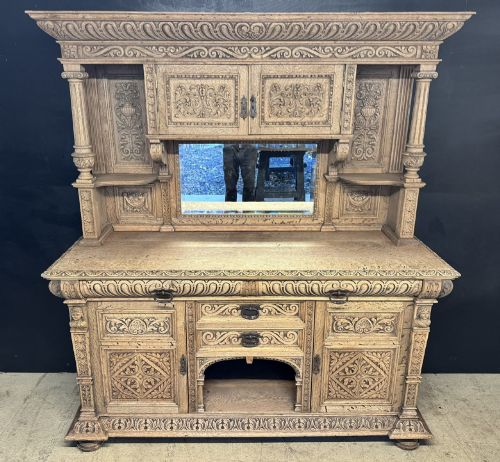
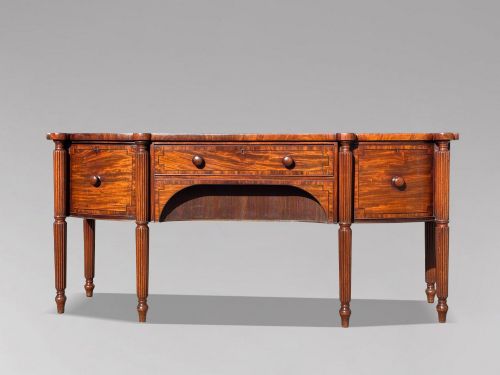
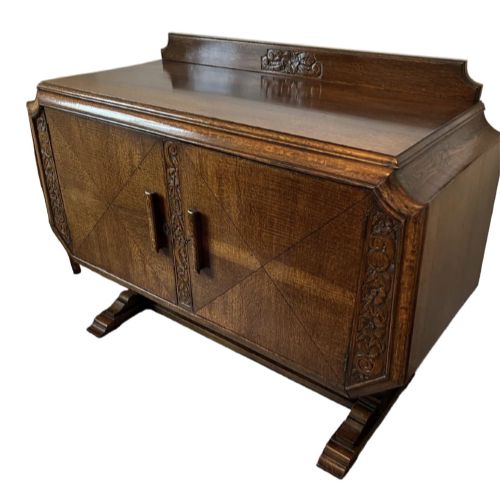
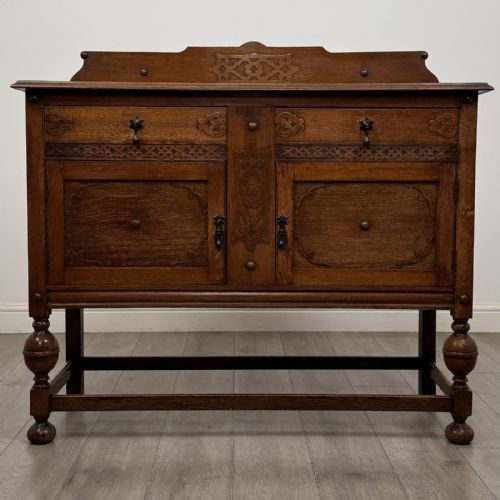
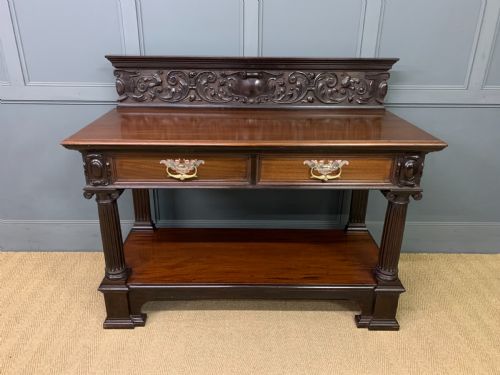
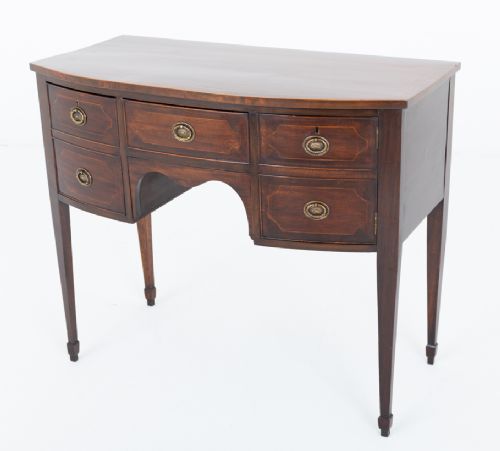
Mahogany and oak dominate the selection, often finished with flame veneer, burr walnut, or satinwood inlay. Buyers frequently encounter nineteenth-century mahogany bow-front variants alongside carved oak iterations from the late Victorian period.
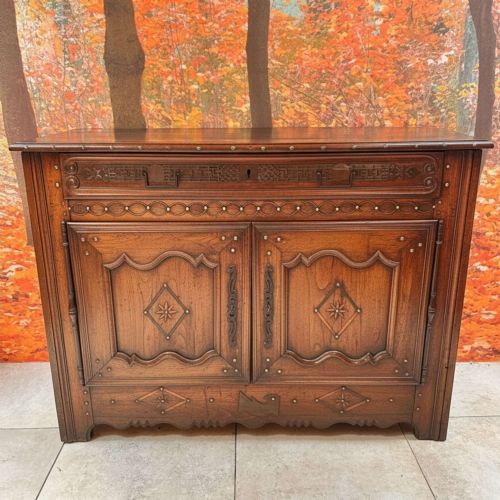
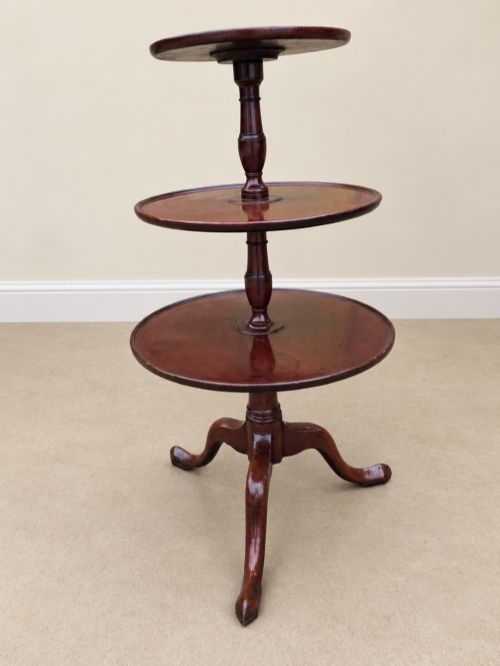
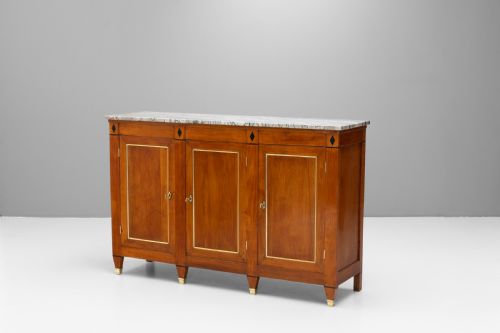
Styles span from classic Regency and George III proportions to revival movements like Jacobean and Queen Anne. Simpler servers, dumbwaiters, and breakfront cupboards also fall within this category of dining room furniture.
Materials and Construction
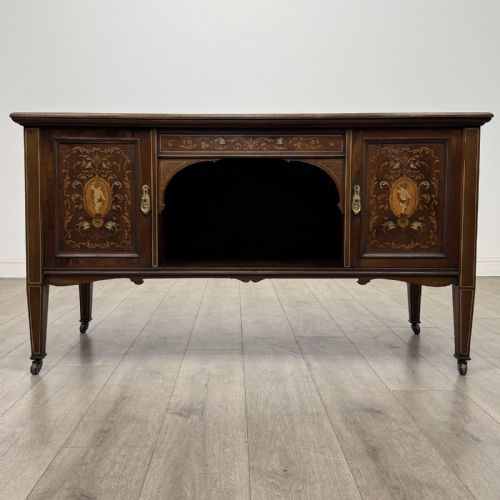
Cabinet makers utilised solid mahogany and oak for structural integrity, frequently applying figured veneers like burr walnut or flame mahogany to primary surfaces for visual depth. Brass handles, escutcheons, and occasional lion paw feet complete the hardware on formal pieces.
Joinery methods involved traditional dovetailing for drawers and mortise and tenon frames for heavy carcases. Carved decorative elements, mirror backs, and marquetry inlays were executed by hand using specialised chisels and veneers.
Antique Dining Buffet Retail Price Guide 2026
Typical asking prices for dining buffet among the pieces listed under this phrase on Sellingantiques today, from the lower quarter to the upper quarter. They describe what is for sale here now, not the wider market.
Listings feature eighteenth-century Sheraton pieces alongside Edwardian oak furniture and nineteen-thirties Art Deco designs in burr walnut.
Design and Execution
Superior examples distinguish themselves through the choice of timber figure, such as well-matched flame mahogany or symmetrical burr walnut, rather than plain stock. Crispness of hand-carving and precision in inlaid marquetry indicate a higher grade of workshop production.
Structural proportions and original hardware heavily influence overall merit. Pieces retaining their period handles, locks, and integrated fittings demonstrate greater authenticity than those altered or restored with modern replacements.
Hewetsons London·Maurice Adams
The Antique Dining Buffet Glossary
- Bow front
- A convex curved cabinet front popular in Regency and Victorian designs. This shape softens the room's angles while increasing internal storage depth.
- Credenza
- A sideboard style often featuring a mirror back and enclosed cupboards. These pieces originated in Italy before becoming prominent in Victorian formal dining spaces.
- Marquetry
- The art of applying pieces of veneer to a structure to form decorative patterns. Craftsmen utilised various coloured woods to create intricate pictorial designs.
- Dumbwaiter
- A multi-tiered serving table used during meals to hold dishes without requiring extra servants. These items typically feature stacked circular shelves on a central column.
- Breakfront
- A cabinet design where the central section projects forward from the flanking cupboards. This arrangement creates visual rhythm and breaks up long flat walls.
Antique Dining Buffet: Frequently Asked Questions
Where should a buffet be placed?
These large serving pieces belong in a dining room or spacious hallway against a main wall. They provide a surface for serving food or displaying silver during gatherings.
Ensure adequate clearance around the doors and drawers so they open fully without striking surrounding furniture.
How do I care for wood surfaces?
Maintain polished mahogany and oak by dusting regularly with a soft dry cloth. Avoid placing timber furniture in direct sunlight or near heat sources to prevent veneer lifting.
Apply a traditional beeswax polish occasionally to nourish the grain and preserve the historic finish.
Can I use a buffet as a sideboard?
Buffets and sideboards share the same practical function of storing dinnerware, cutlery, and table linen. The terms often overlap depending on the period and regional naming conventions.
Either form offers generous cupboard space and a sturdy top surface suitable for everyday dining needs.
How do I identify the period?
Look to the timber selection, hardware, and decorative motifs to determine the era of manufacture. Georgian pieces lean toward clean architectural lines and fine mahogany veneers, while Victorian examples often feature heavier carving and mirror backs.
Revival styles borrow earlier details like barley twist legs or Jacobean panels while retaining later nineteenth or twentieth-century construction methods.