
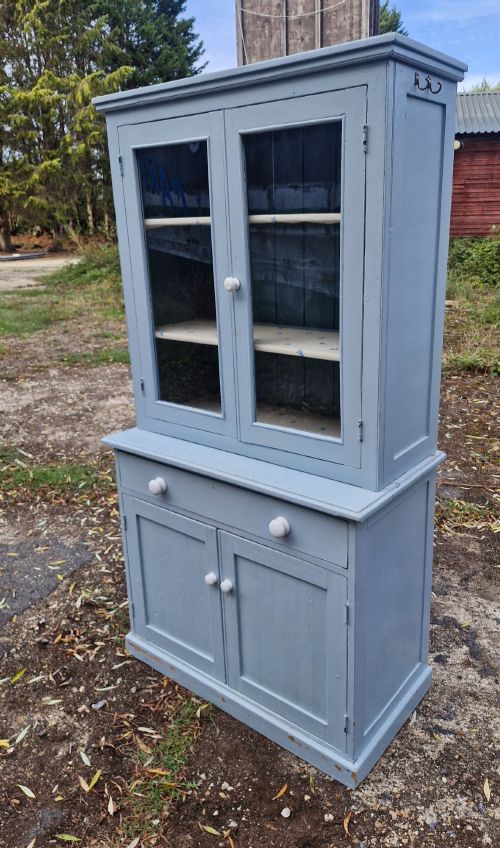
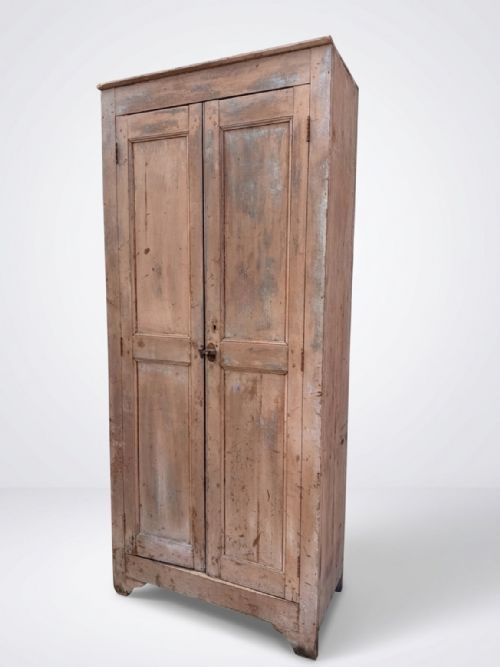
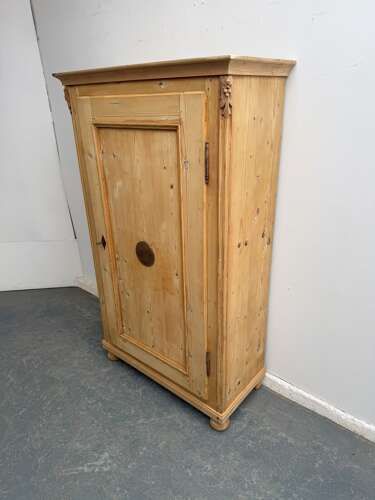
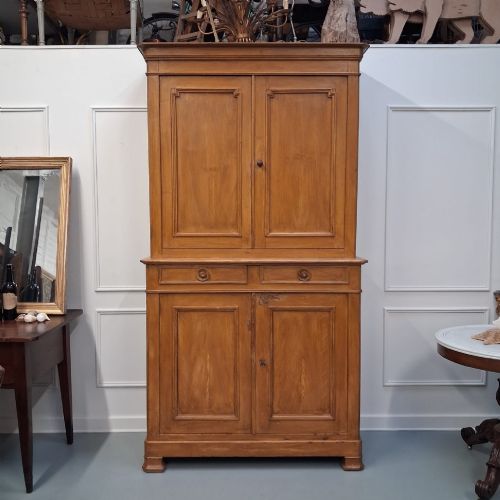

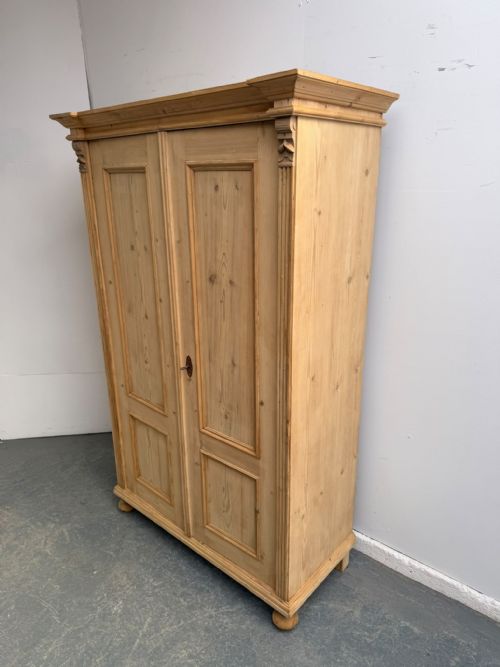
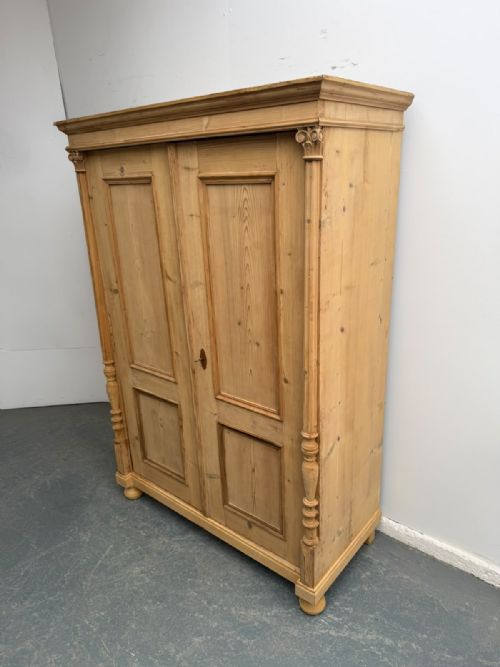
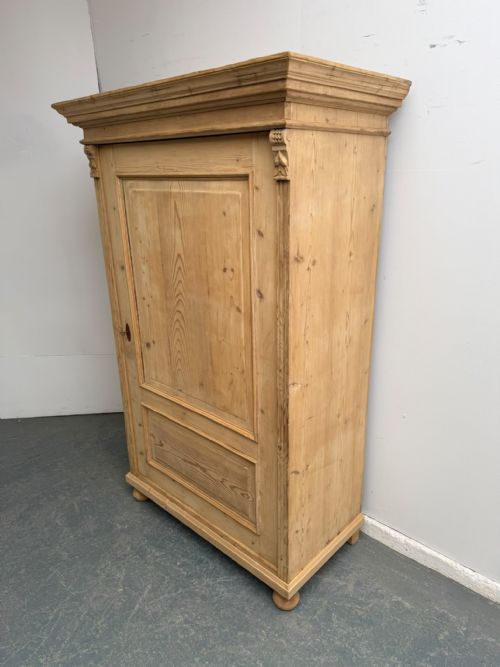
Rustic Pine Larder
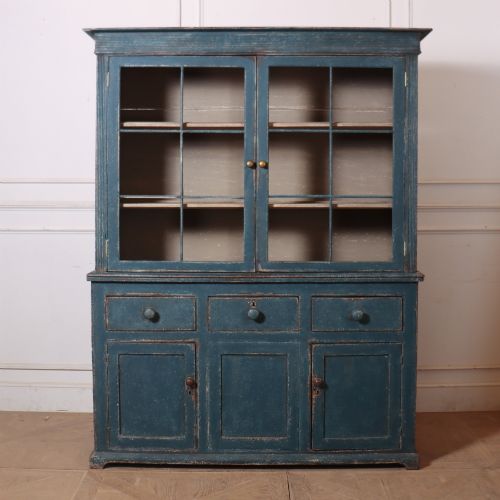
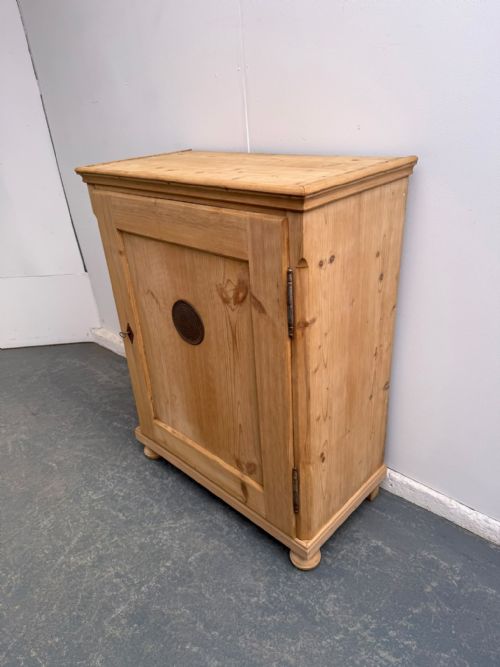
A rustic pine larder provides substantial kitchen storage with traditional country character, offering deep shelves and robust timber construction.
Rustic Pine Larder
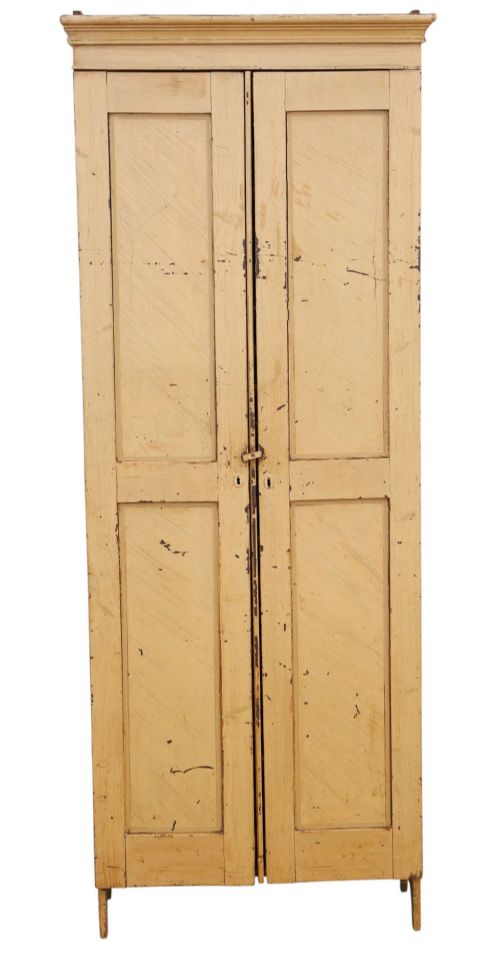
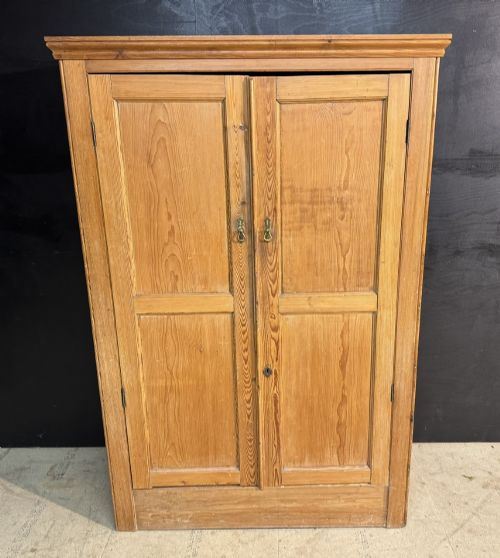
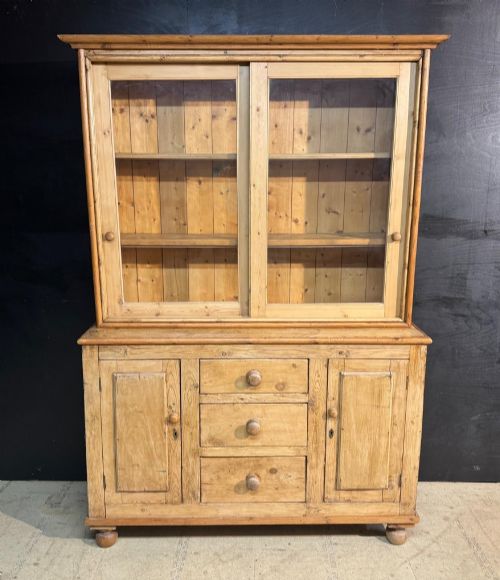
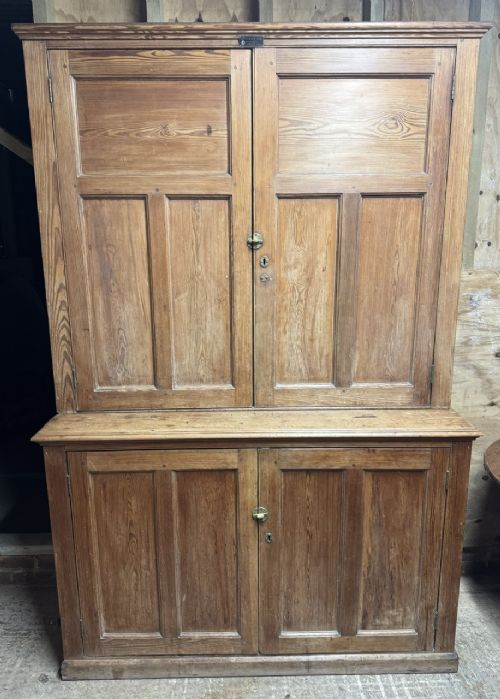
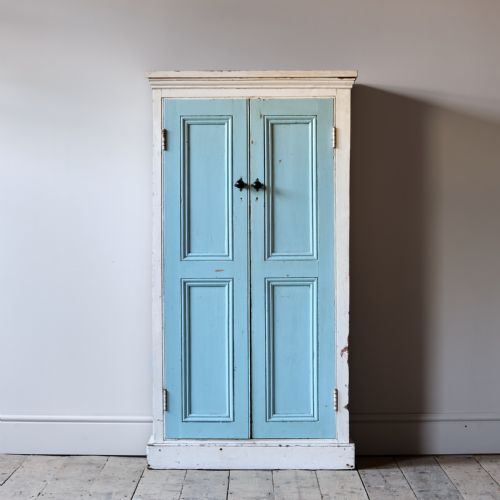
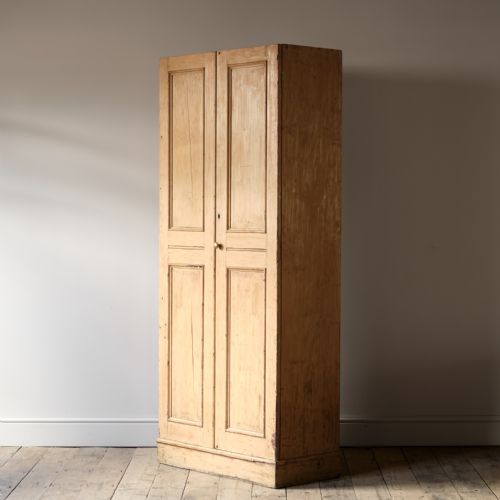
A rustic pine larder represents utilitarian storage built to hold provisions, household stores and kitchen equipment in domestic settings. These pieces range from tall narrow cupboards and two-part kitchen units to expansive housekeepers cupboards and food safes.
The versions most commonly met on this page date from the nineteenth century and the Victorian period, though examples stretch from the eighteenth century into the early twentieth century. Makers worked in England, France, Scandinavia and Hungary, producing functional storage with single or multiple doors.
Forms include ventilated cupboards designed to keep food fresh, glazed display cabinets, tall corner units and fitted storage cupboards. Many examples survive in original paint finishes, while others present stripped or waxed timber surfaces.
Materials and construction methods
Makers constructed these larders primarily using solid pine, supplemented by iron and brass hinges, latches and handles. Glass appears in glazed display doors, while metal mesh or perforated panels provide the ventilation necessary in food and bread cupboards.
Joinery relies on sturdy pegged and panelled construction, visible in fielded panels, beaded details and carved elements. Surfaces received coats of paint, such as cream or grey schemes, or were left as plain wood intended for waxing.
Some nineteenth-century cupboards retain their original perforated metal panels designed specifically to keep mice away from the cheese.
Distinctions in quality and execution
Quality separates simple utility pieces from more ambitious cabinet work through the precision of the joinery and the integrity of the timber. Better examples exhibit carefully fitted doors, robust shelving arrangements and balanced proportions across large multi-door carcasses.
Original surface treatments also define the tier of a piece, with undisturbed historical paint finishes holding distinct character compared to later re-paintings or stripped pine. The presence of specialised internal fittings, such as adjustable shelves or original ventilation panels, elevates the standard of survival.
The Rustic Pine Larder Glossary
- Fielded panel
- A wooden panel with bevelled edges that fits into a grooved frame to allow for natural timber movement. This technique adds depth and structural stability to cupboard doors.
- Vented cupboard
- A storage piece incorporating mesh, pierced metal or slatted panels to allow air circulation. These units were designed for storing perishables like bread and cheese.
- Housekeeper's cupboard
- A large storage piece traditionally used in substantial homes to store linen, dry goods and household supplies. They often combine upper shelving sections with lower door compartments or drawers.
- Bread and cheese cupboard
- A regional term for a food storage cabinet equipped with ventilation for perishable provisions. They demonstrate the practical domestic origins of country furniture.
Rustic Pine Larder: Frequently Asked Questions
What is a rustic pine larder used for?
These cupboards serve as practical storage units in modern kitchens, dining rooms and pantries for tableware, dry goods and cookware. Their deep shelves and generous proportions accommodate bulky kitchen items.
Historically, they stored provisions, bread, cheese and household linens in domestic settings. Today, they bring traditional utility and generous capacity to contemporary homes.
How do I care for a waxed pine cupboard?
Maintain waxed pine surfaces by applying a quality beeswax paste every few months to nourish the timber and prevent drying. Buff the surface gently with a soft cloth to maintain a subtle sheen.
Keep wooden furniture away from direct heat sources and strong sunlight to prevent the timber from warping or splitting over time.
How do I distinguish 19th-century pine from newer wood?
Nineteenth-century pine displays tighter growth rings, deeper patination, and tool marks left by hand-working and early machinery. The timber often shows minor imperfections, dents and wear consistent with decades of domestic use.
Construction details such as handmade iron nails, pegged joints and timber shrinkage patterns help confirm an older date of manufacture.
Can I paint an unpainted pine larder?
Unpainted pine cupboards can be finished with traditional breathable paints, chalk paints or eggshell finishes depending on the desired interior aesthetic. Proper surface preparation ensures the coating adheres well to waxed or bare timber.
Many period pieces in the evidence were originally painted, so applying a sympathetic colour scheme aligns with historical domestic practices.