
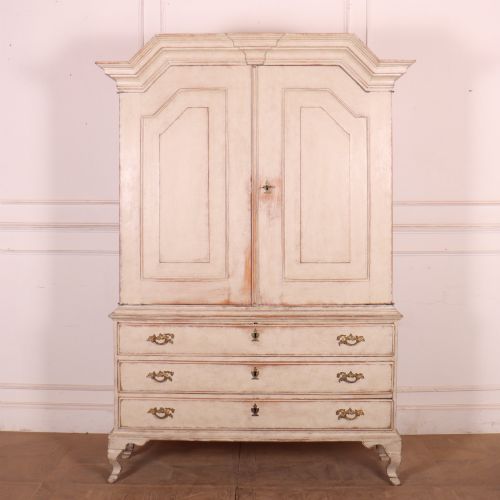


Gustavian Style Cabinet
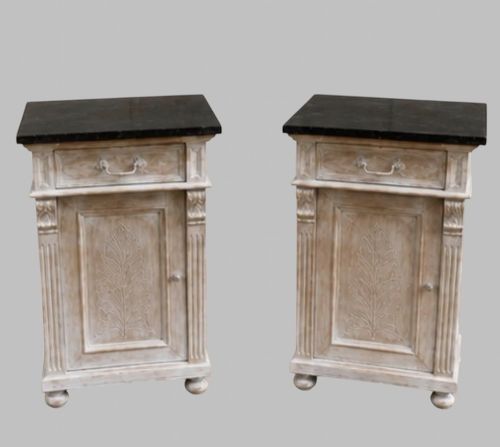
These gustavian style cabinet examples are Scandinavian country painted pine pieces that bring pale elegance and practical storage to a room.
What a gustavian style cabinet is
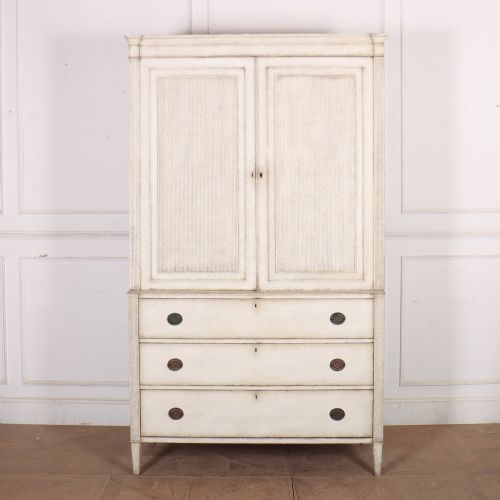
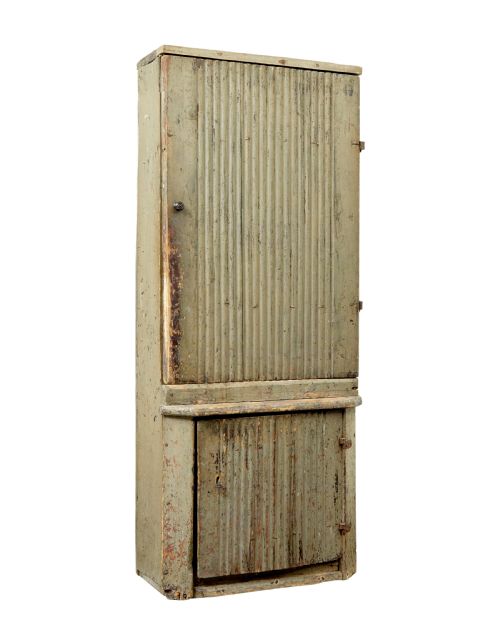
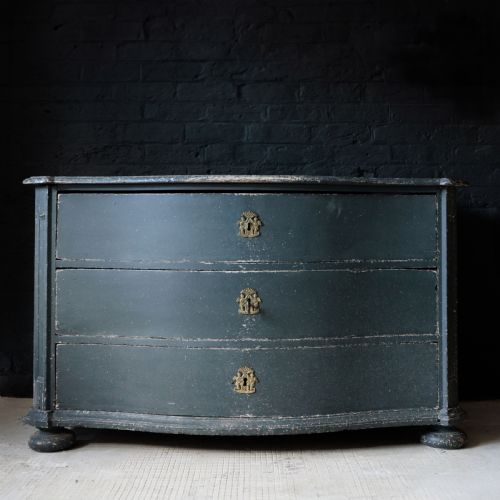
When you search for a gustavian style cabinet, you encounter sturdy storage forms originating from 18th century and 19th century Scandinavia. The pieces seen here comprise linen cupboards, armoires and general cupboards that reflect Swedish country traditions.
You are most likely to meet painted pine bodies featuring simple, functional lines rather than heavy ornamentation. These cabinets serve as practical storage solutions while adding pale, reflective surfaces to domestic interiors.
How they were made
Makers constructed these cabinets primarily using solid pine, shaping the timber into sturdy frames and panelled doors. Iron and brass fittings such as hinges and locks completed the functional assembly of each cupboard.
Surfaces received layers of paint, often in pale tones suited to Scandinavian country interiors. This painted finish protected the softwood underneath while brightening dark rooms during long northern winters.
Retail Price Guide 2026
Typical UK retail prices for gustavian style cabinet, calculated from the Sellingantiques database of over a million retail prices indexed since 2003. This retail price guide relies exclusively on Sellingantiques data; no external sources or auction records are used, so the figures do not describe the wider market.
The listings span the 18th century and 19th century, featuring pine, painted wood, iron, and brass across Swedish country and Scandinavian country styles.
What varies in quality
Quality rests upon the proportion of the form and the integrity of the original construction. Finer examples display balanced panels and well-hung doors that operate smoothly within their pine frames.
The character of the painted surface also dictates the standard of a piece. Earlier layers, natural wear and patination distinguish superior historic examples from heavier or later modern repainting.
The Gustavian Style Cabinet Glossary
- Pine
- A softwood commonly utilised for Scandinavian country furniture due to its availability and workability. It accepts paint readily and forms the primary material for these cabinets.
- Armoire
- A large upright cupboard or wardrobe used historically for storing garments and household textiles. These listings include such forms alongside dedicated linen cupboards.
- Scandinavian Country
- A regional design tradition prioritising utility, light colours and straightforward construction. It defines the aesthetic of the 18th century and 19th century pieces found here.
- Patina
- The surface sheen and wear developed through age and regular use. On painted furniture, it shows the gradual softening of the finish over decades.
Frequently Asked Questions
What is a gustavian style cabinet?
A gustavian style cabinet is a storage piece originating from 18th century or 19th century Scandinavia, typically constructed from pine.
These cupboards and armoires feature painted wooden surfaces that reflect regional country traditions and practical domestic needs.
How do I date these cabinets?
Dating relies on examining the timber construction, iron or brass hardware, and the layers of paint present on the pine body.
Pieces span the 18th century and 19th century, with construction details such as hand-cut joints offering clues to their age.
Where were these pieces made?
These cabinets originate from Scandinavia, specifically reflecting Swedish country and broader Scandinavian country workshops.
Local craftsmen built them using accessible regional softwoods to serve as functional storage in domestic settings.
How do I care for painted pine?
Painted pine requires a stable indoor environment away from excessive moisture and direct sunlight to protect the historic finish.
Dusting with a dry cloth is sufficient for maintenance, preserving the delicate patination on the painted wood.