

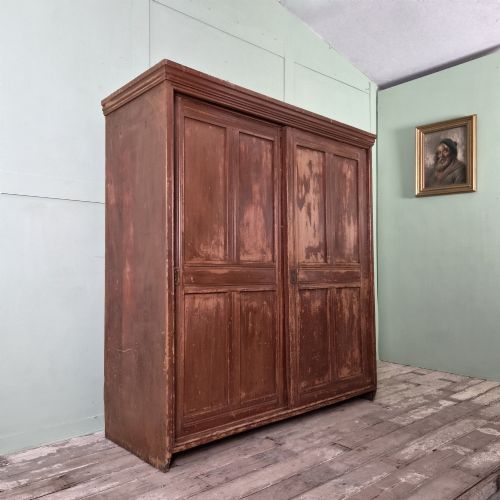


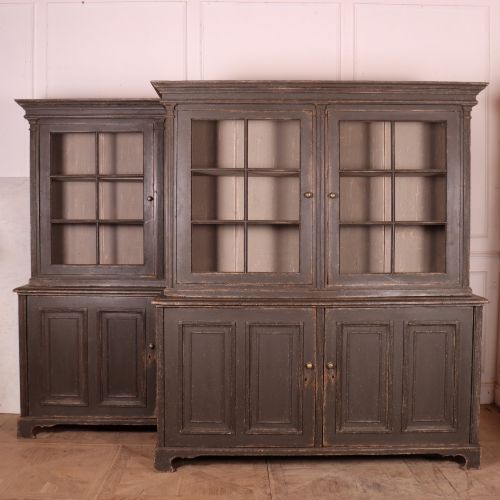
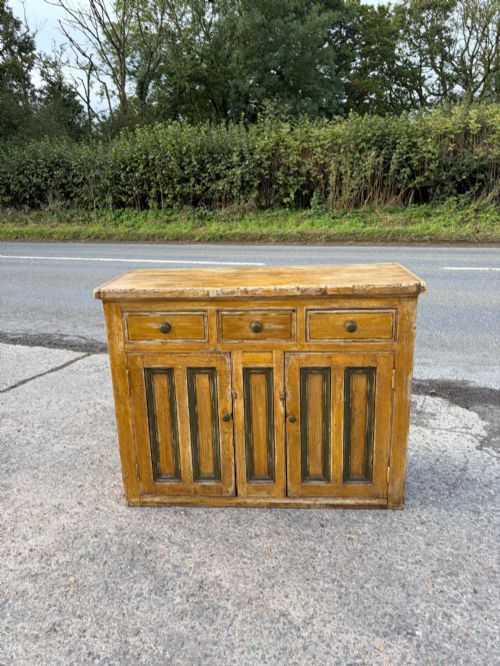
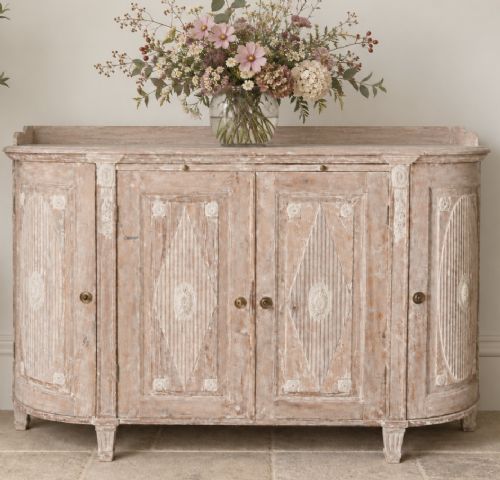

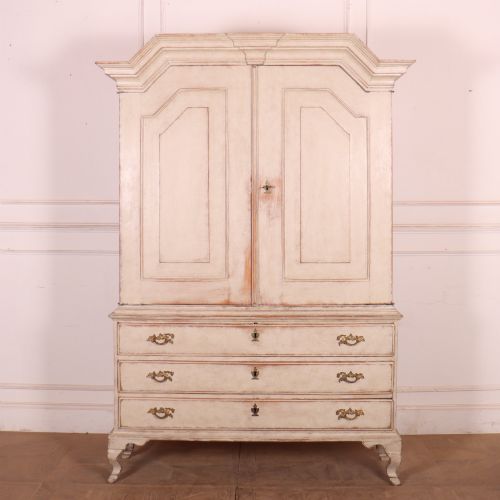
Distressed Pine Cabinet
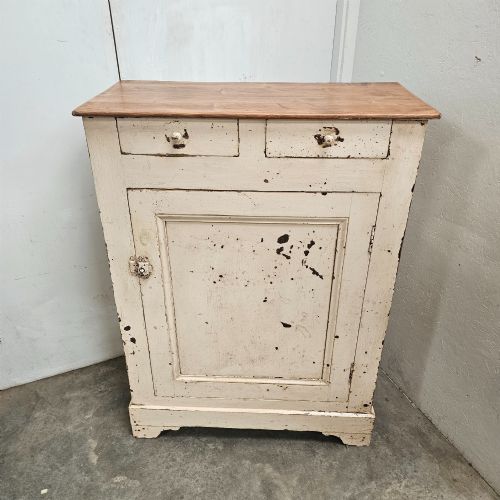
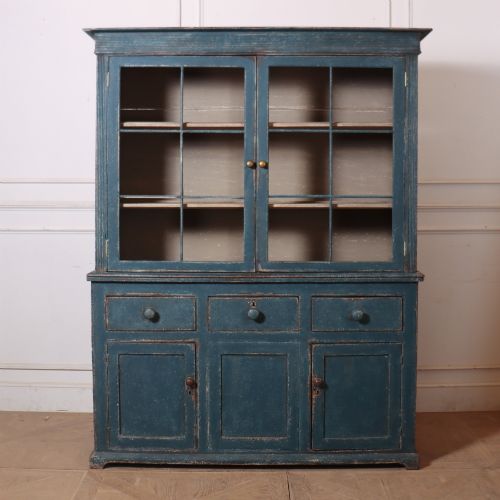
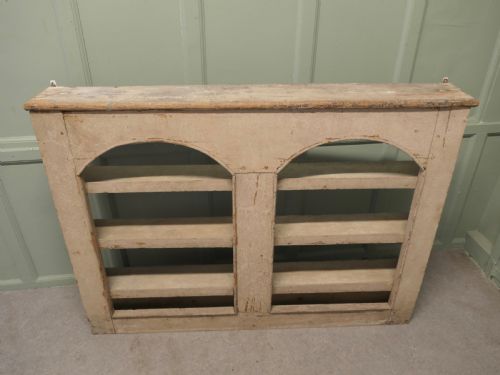
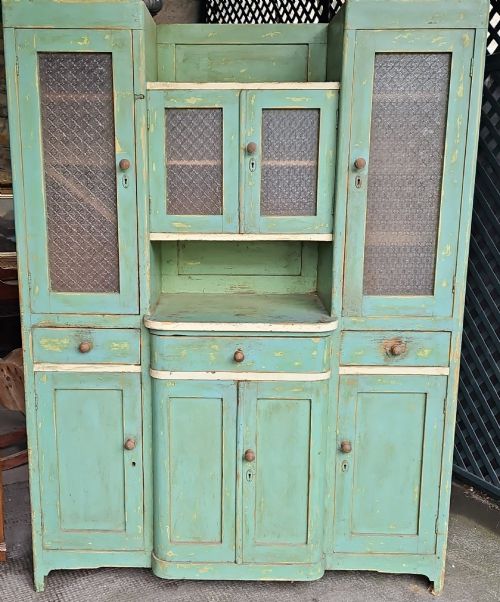
A distressed pine cabinet brings characterful rustic charm and practical storage to a room through weathered painted surfaces and honest timber construction.
Distressed Pine Cabinet
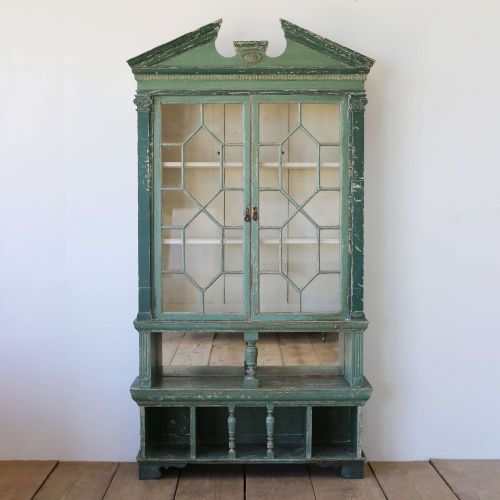
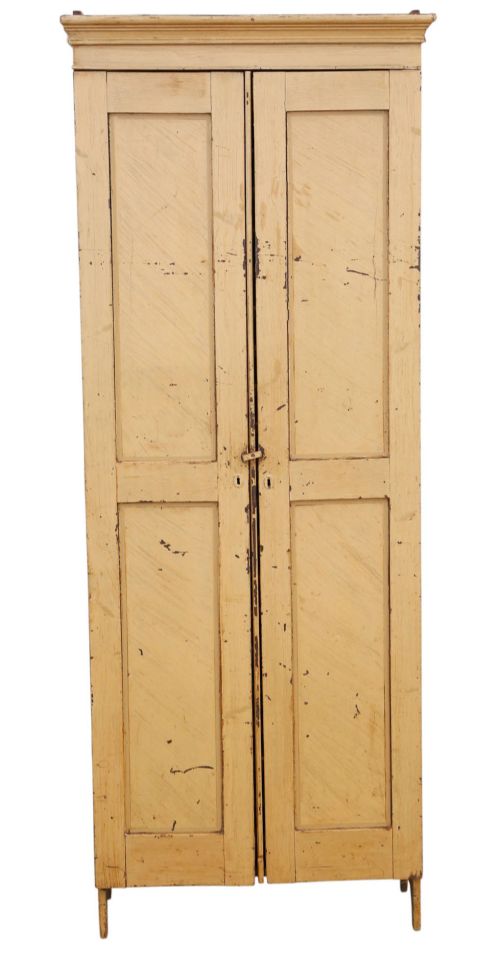
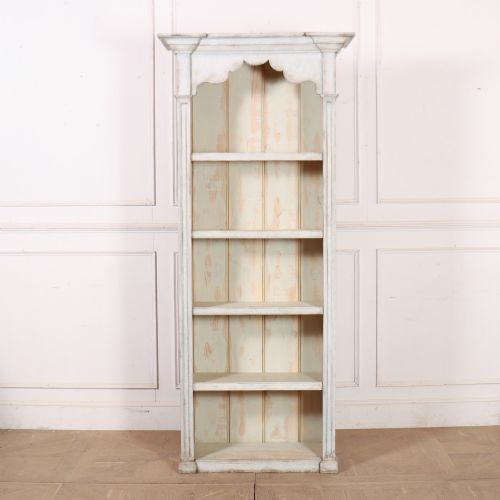
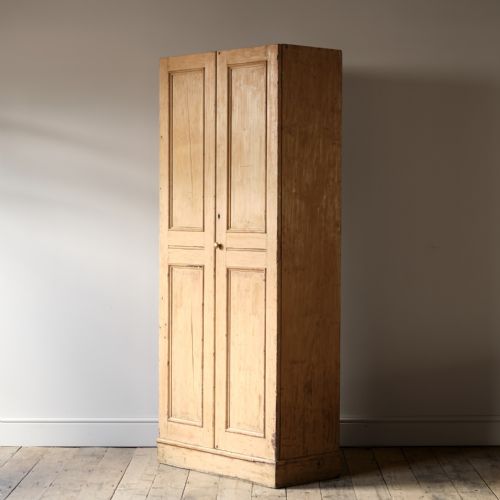
A distressed pine cabinet encompasses a wide array of storage furniture, including kitchen dressers, housekeeper's cupboards, bedside cabinets, and bookcases spanning the eighteenth, nineteenth, and early twentieth centuries. These pieces originate from diverse European and British traditions, ranging from English country workshops to Scandinavian, French, and Hungarian provincial homes. A buyer searching for a distressed pine cabinet will find functional storage solutions that double as striking decorative statements.
The selection on this page relies heavily on nineteenth-century pieces, supplemented by eighteenth-century examples and Edwardian or later items. Forms vary from tall narrow housekeeper's cupboards and kitchen dressers to corner cupboards, commodes, and jam cupboards. The unifying element across these varied types is the use of pine, frequently enhanced by original or aged paint finishes that display natural wear over decades of daily domestic service.
Materials and Technique
These pieces are constructed primarily from solid pine, sometimes paired with secondary hardwoods like oak, and assembled using traditional joinery appropriate to their period of manufacture. Cabinets often feature iron or brass hardware, such as hinges and handles, while glazed doors incorporate glass panels. The structural timber provides a stable, sturdy carcass designed to withstand robust everyday use in kitchens, sculleries, and bedrooms.
Surface finishes define the aesthetic of these items, with many pieces retaining original paint, polychrome decoration, or layered pigments that have worn down organically over time. Painters applied oil or water-based paints to softwood substrates, which gradually chipped, craquelured, and faded through continuous handling and cleaning. This genuine historic weathering creates the textured appearance that distinguishes period country furniture from modern reproductions.
Distressed Pine Cabinet Retail Price Guide 2026
Typical asking prices for distressed pine cabinet among the pieces listed under this phrase on Sellingantiques today, from the lower quarter to the upper quarter. They describe what is for sale here now, not the wider market.
Jam cupboards were once kept locked to protect precious fruit preserves from the energetic spoons of nocturnal household thieves.
Assessing the Standard
Quality in these cabinets rests upon the integrity of the original construction and the preservation of authentic surface finishes. Pieces retaining their original paint layers without extensive modern repainting command greater interest from collectors who value untouched domestic history. Proportion and scale also dictate quality, with taller housekeeper's cupboards and balanced dresser bases demonstrating superior cabinet-making ambition.
Internal fittings, such as original shelving, intact backboards, and working iron or brass locks, elevate a piece above heavily altered examples. The depth of the timber grain, the harmony of proportions, and the natural evolution of the distressed surface determine the overall presence and desirability of the cabinet.
The Distressed Pine Cabinet Glossary
- Housekeeper's cupboard
- A large, tall storage piece traditionally used in large country houses for storing linens, dry goods, and household provisions. These substantial cupboards often feature multiple doors enclosing shelves or hanging space.
- Confiturier
- A French term for a small jam cupboard, originally built to store jars of preserves and confits. These compact cabinets typically sit on short legs and offer convenient bedside or hallway storage.
- Original paint
- Surface decoration applied during the period of manufacture that has survived without being stripped or entirely painted over. Collectors prize original paint for its authentic patina and historical honesty.
- Dresser
- A dual-purpose kitchen or dining room furniture item combining base cupboards or drawers with an upper section of open shelves. Dressers served historically for the storage and display of everyday earthenware and tableware.
- Polychrome
- Painted or decorated in multiple colours. This technique appears on continental European storage pieces to add decorative flair to plain pine construction.
Distressed Pine Cabinet: Frequently Asked Questions
What is a housekeeper's cupboard used for?
A housekeeper's cupboard provides substantial vertical storage with deep internal shelves originally intended for household linens and dry goods.
Today, these large cabinets function effectively in modern kitchens or hallways as generous larders or general storage units.
How do I identify original paint?
Original paint displays natural wear, subtle crazing, and multiple micro-layers that reveal age rather than a uniform modern coating.
Close inspection under natural light often uncovers traces of historic wax, dust accumulation in crevices, and wear patterns corresponding to handle placement.
Are these cabinets made of solid wood?
These pieces are constructed from solid pine timbers, occasionally incorporating secondary woods for structural backing or drawer linings.
Solid softwood construction gives these cabinets their characteristic weight, durability, and receptiveness to historic paint finishes.
Where were these cupboards made?
The pieces originate from workshops across Britain, France, Scandinavia, Austria, and Hungary, reflecting regional rural furniture traditions.
Continental pieces often feature distinct colour palettes and regional moulding details that differentiate them from English country furniture.