


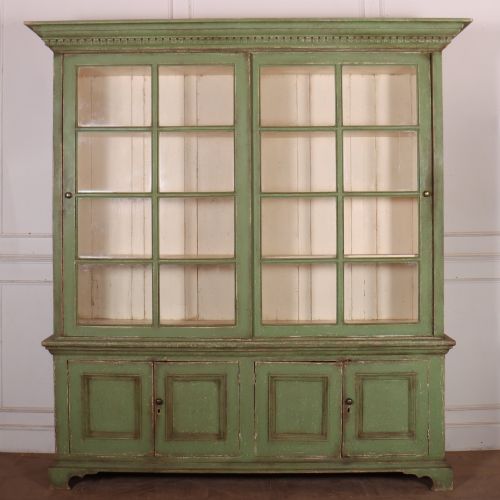
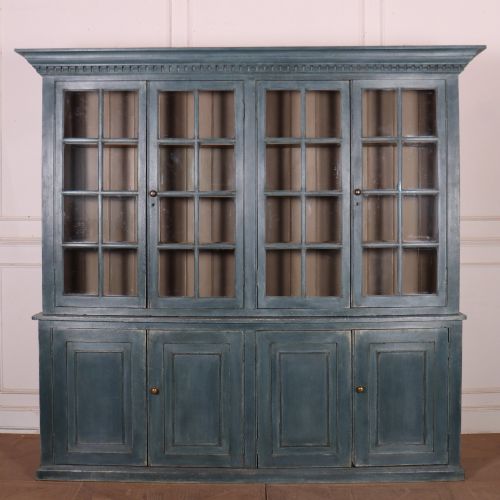

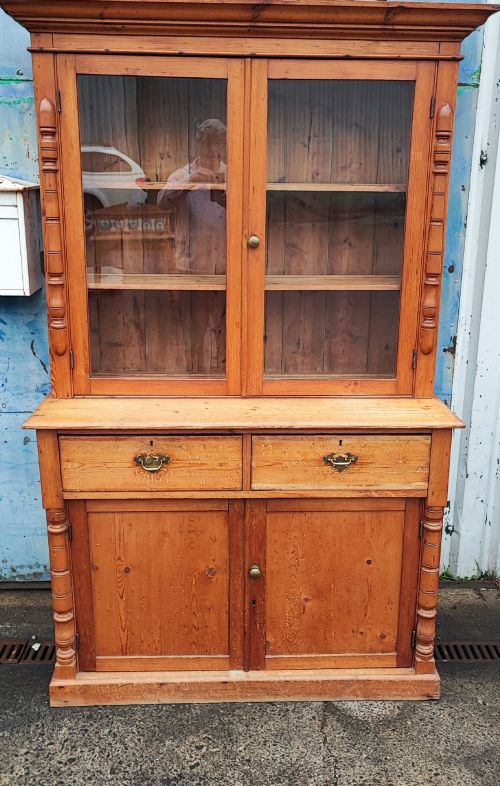
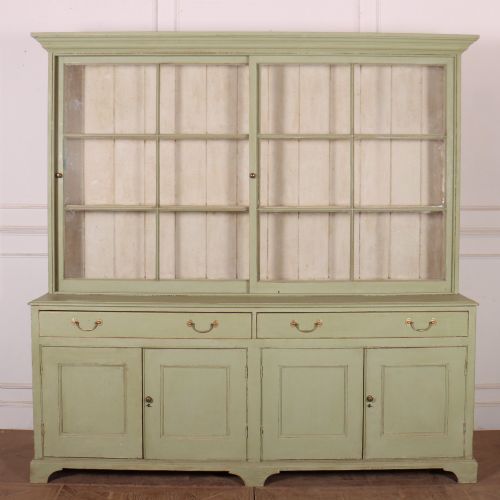
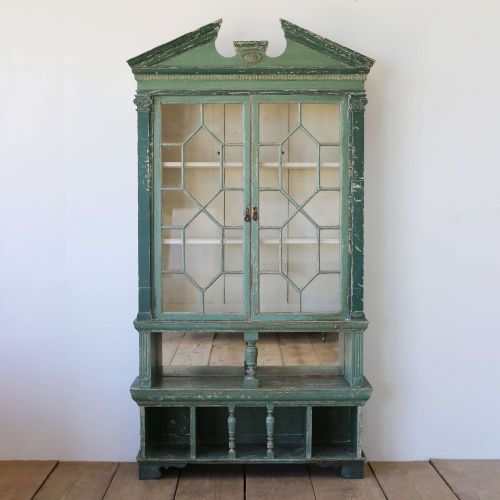
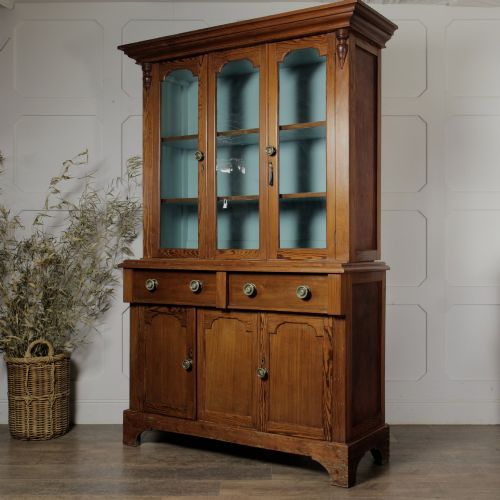
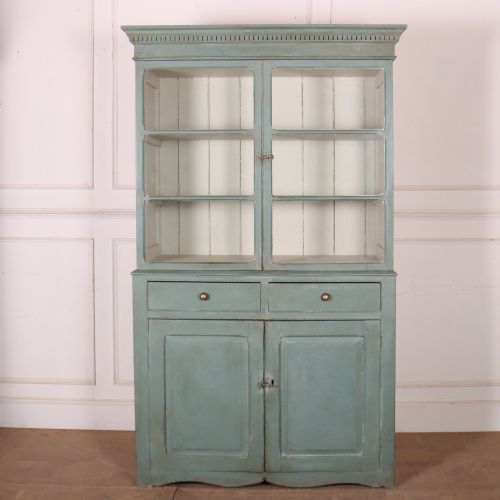
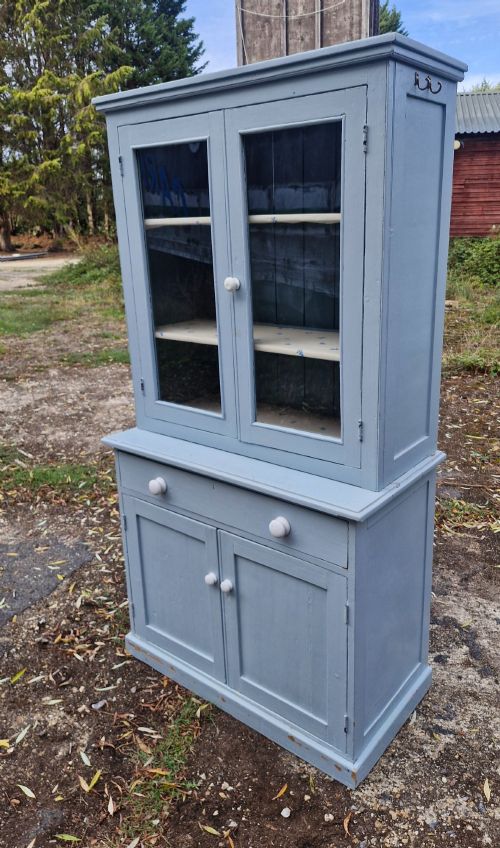
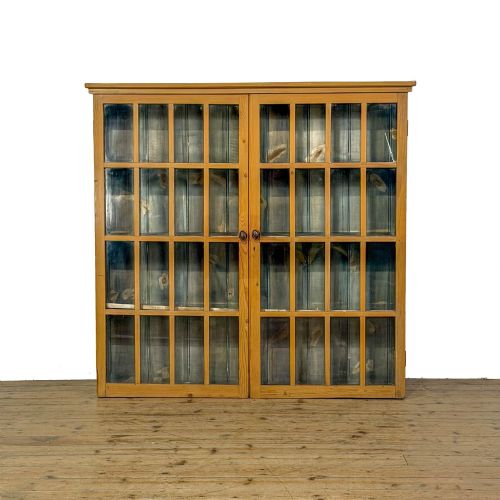
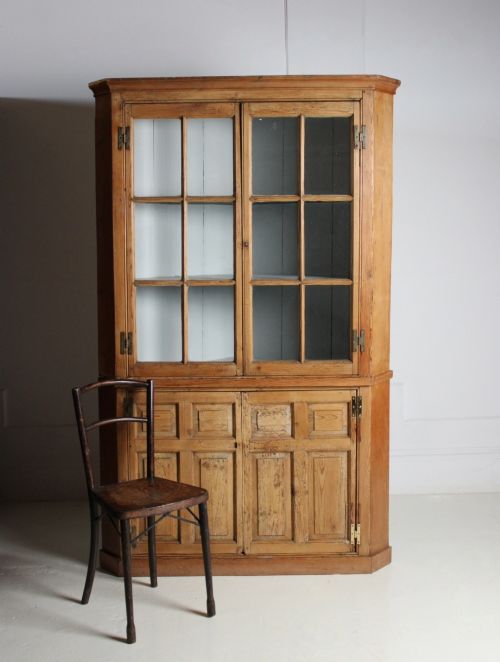
Glazed Pine Cupboard
These glazed pine cupboard pieces bring honest utility and warmth to a room, offering practical display space with traditional charm.
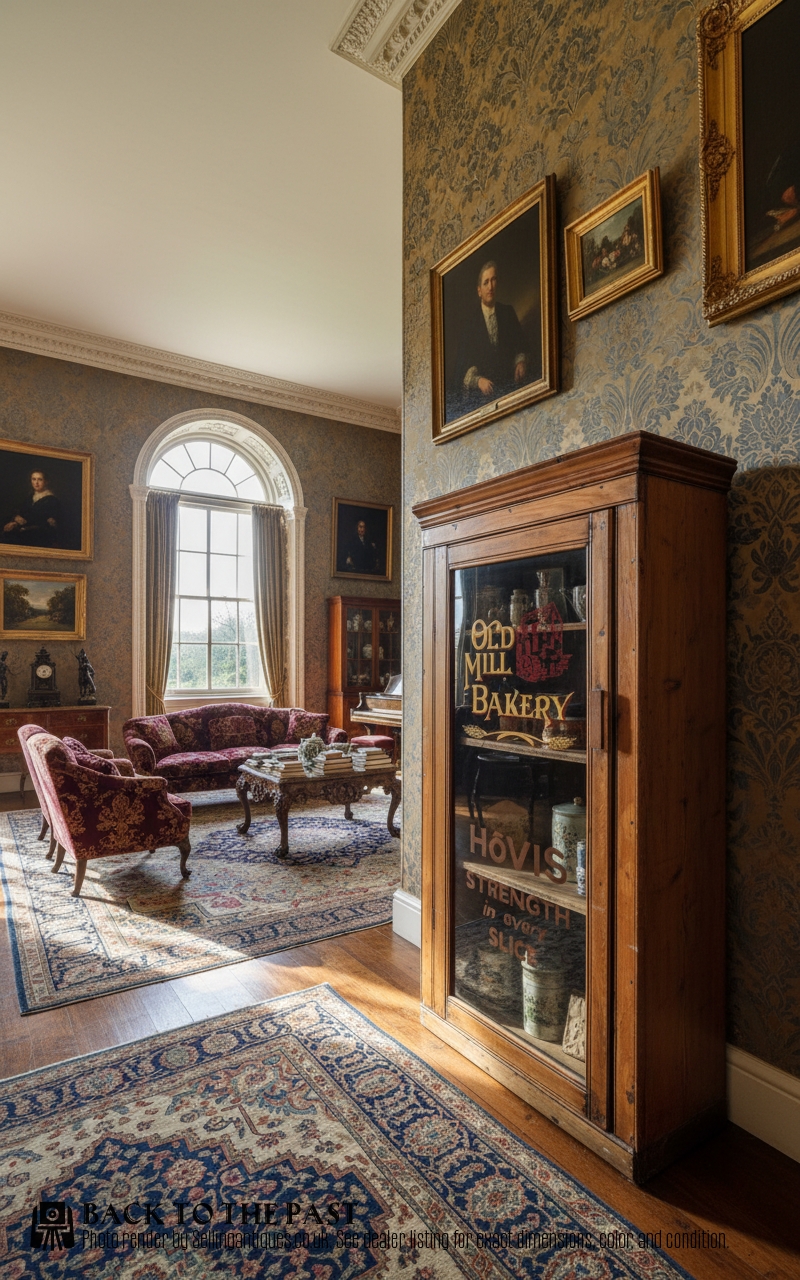
Glazed Pine Cupboard
A glazed pine cupboard provides functional storage and display space, combining timber shelving enclosed by glass doors with lower cupboards or drawers. When you search for a glazed pine cupboard, you encounter forms ranging from tall narrow cabinets and corner units to substantial kitchen dressers and wall-hanging variants.
The pieces appearing here date predominantly from the 19th century and the Victorian era, alongside Edwardian examples and pieces from 1920. These items originate from domestic kitchen and country house settings, featuring robust construction designed for everyday use.
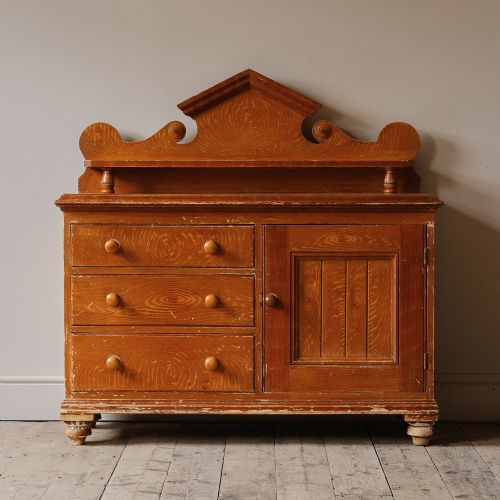
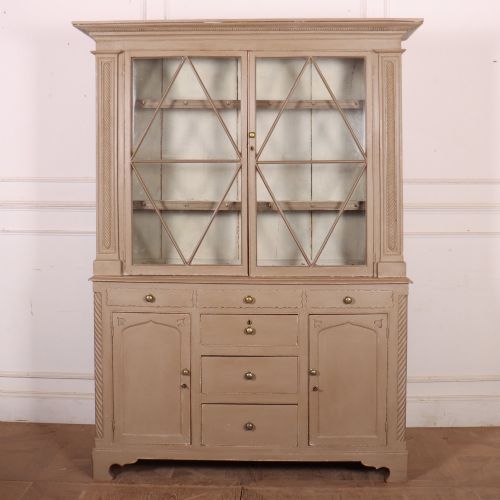
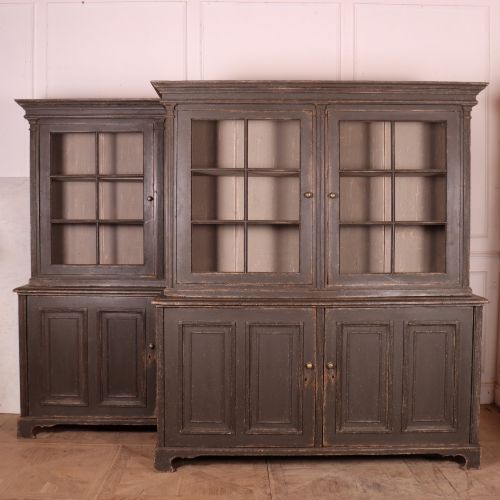
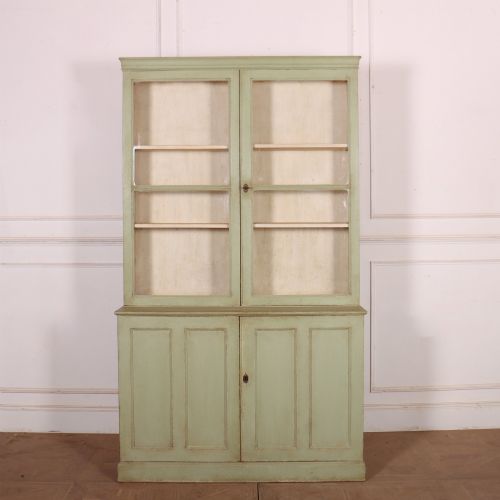
Tall slim cabinets and two-stage dressers form the most common configurations on this page. Many examples retain painted surfaces, waxed finishes, or traces of original signage reflecting their practical domestic origins.
How they were made
Makers utilised solid pine and pitch pine for the primary carcass and shelving, assembling the timber with traditional joints. Glass panels, including textured glass, are fitted into wooden doors to enclose the upper display sections.
Iron and metal hardware such as hinges, handles, and occasional sliding mechanisms secure the doors and drawers. Surfaces are finished with wax, paint, or stippled effects, and some pieces incorporate astragal bars to divide the glass panes.
Glazed Pine Cupboard Retail Price Guide 2026
Typical asking prices for glazed pine cupboard among the pieces listed under this phrase on Sellingantiques today, from the lower quarter to the upper quarter. They describe what is for sale here now, not the wider market.
Listings combine 19th-century, Victorian, and Edwardian items built from pine, pitch pine, glass, and iron.
What varies in quality
The proportion and scale of the cabinet dictate its visual balance, with taller or slimmer formats showing careful consideration of domestic proportions. Well-proportioned cornices and fine timber grain separate standard utility pieces from more resolved vernacular furniture.
The survival of original painted surfaces, distinct sign-writing, or period glass adds character and integrity to a piece. Joinery precision, from tightly fitted doors to well-hung drawers, defines the execution of each cupboard.
The Glazed Pine Cupboard Glossary
- Astragal glazed
- A method where wooden bars divide a glass window into smaller panes. This technique creates a traditional multi-panel appearance on upper cabinet doors.
- Pitch pine
- A denser, resinous variety of pine timber used for durability. It often displays a pronounced grain pattern.
- Two stage cupboard
- A piece constructed in two distinct vertical sections, typically a glazed upper cabinet sitting upon a deeper base unit. This form provides both display and enclosed storage.
- Stippled pine
- A decorative paint technique applied to timber surfaces to create a speckled texture. This finish mimics more expensive woods or provides a distinct patterned appearance.
- Housekeeper cupboard
- A large storage furniture form traditionally used for household linens and provisions. These pieces offer substantial capacity with upper and lower compartments.
Glazed Pine Cupboard: Frequently Asked Questions
What rooms suit a glazed pine cupboard?
These cabinets fit well in kitchens, dining rooms, and hallways where practical storage meets visible display.
The glass doors allow you to store crockery or books safely while keeping them in plain view.
How do I date an old pine cupboard?
Dating relies on construction methods, timber choice, and surface treatments like early paint or wax.
Victorian and 19th-century examples often display hand-cut joinery and heavier pitch pine timbers compared to later Edwardian pieces.
Can I paint a stripped pine cupboard?
Many of these pieces were historically painted and subsequently stripped back to bare timber.
Applying a traditional paint finish or wax matches the vernacular style seen across the period listings.
What is the difference between wall and floor cabinets?
Wall-hanging cupboards feature shallower depths and mounting points designed for installation above counters or work surfaces.
Floor-standing cabinets provide greater internal capacity, often combining a glazed top with lower drawers or solid doors.