


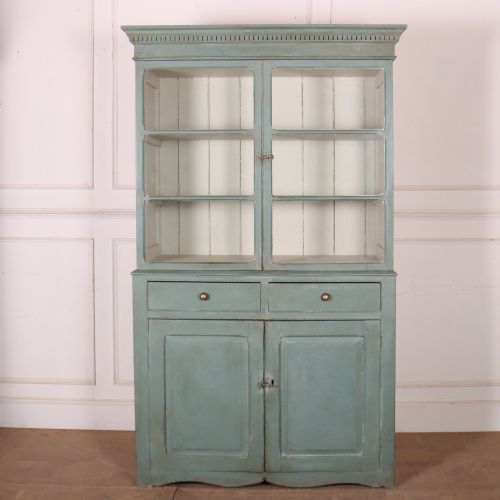
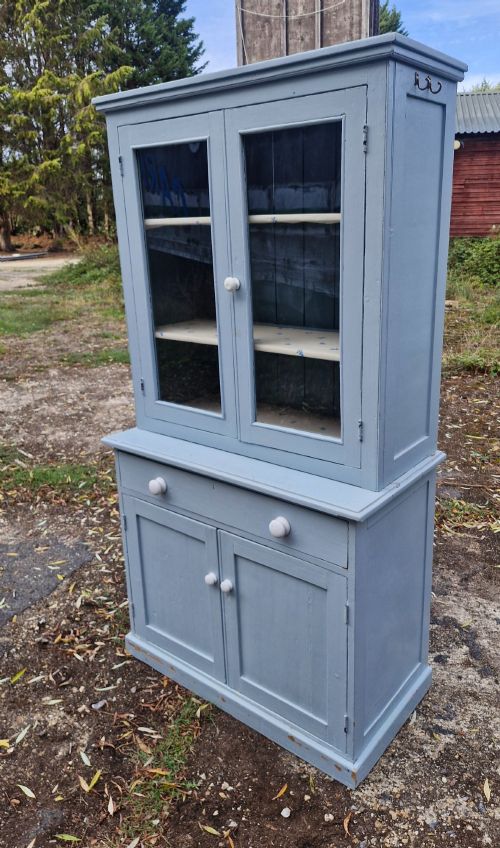
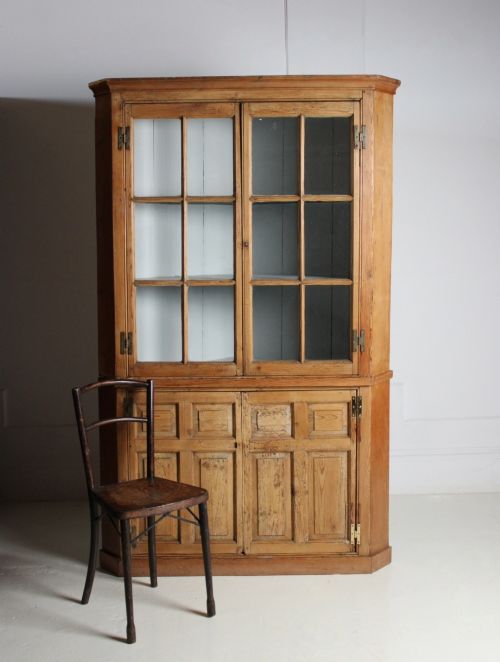
Victorian Pine Bookcase
A victorian pine bookcase brings warm, practical storage to a room, offering sturdy shelves and glazed or open compartments shaped by nineteenth-century utility.
Victorian Pine Bookcase
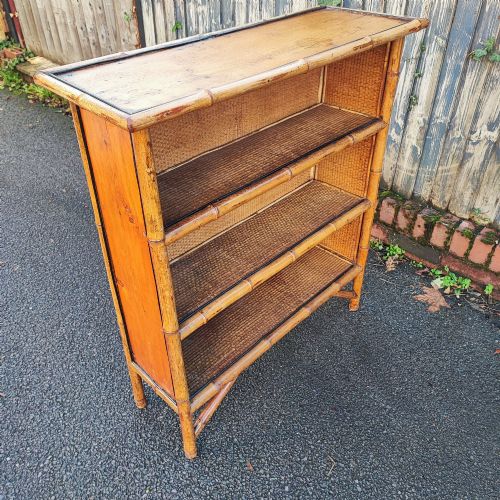
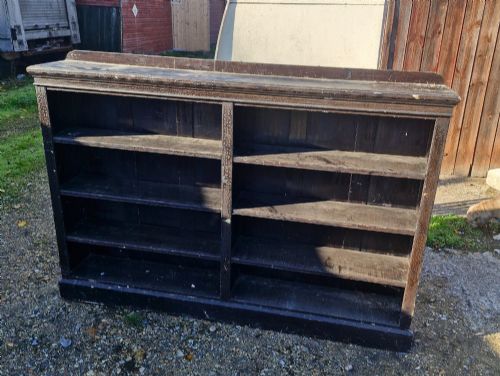
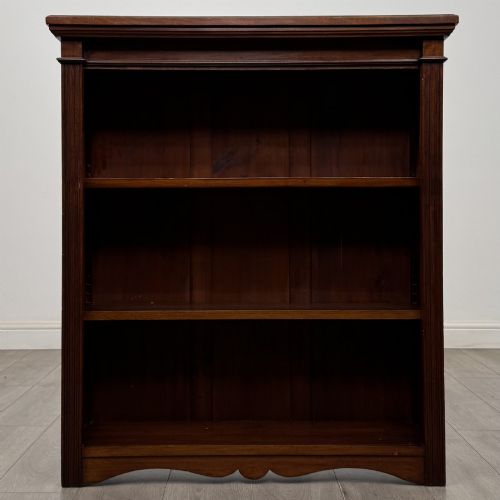
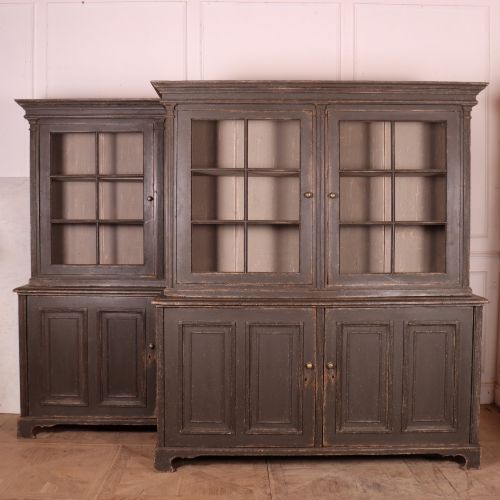
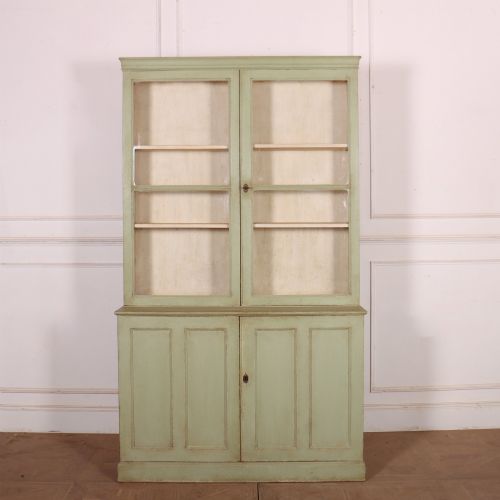
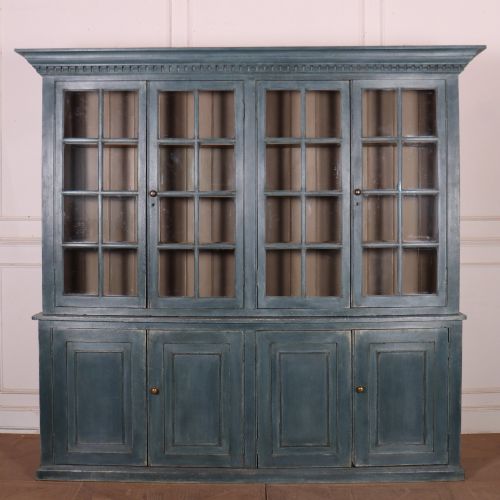
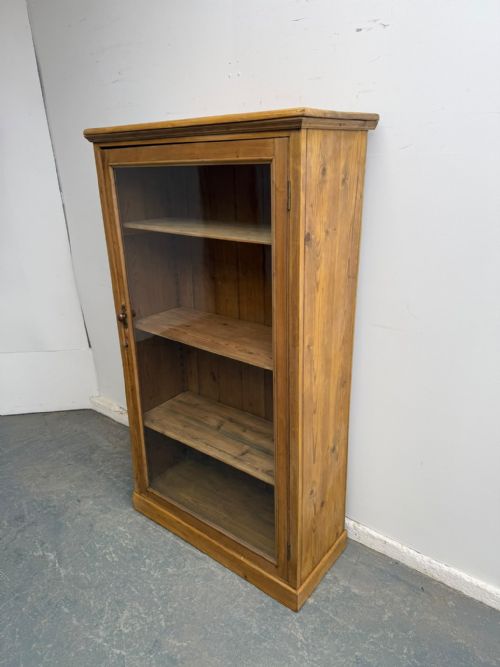
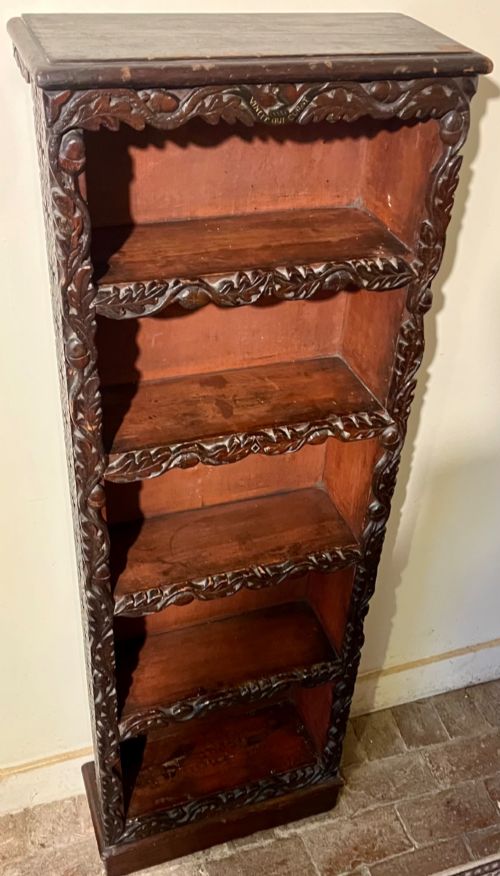
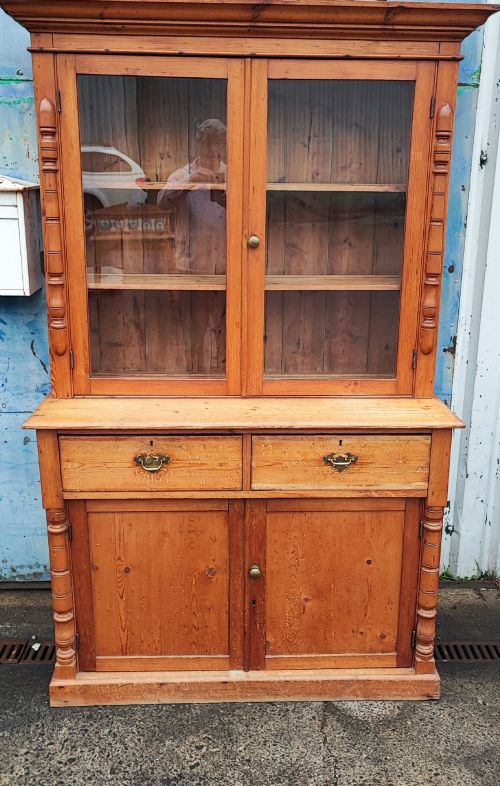
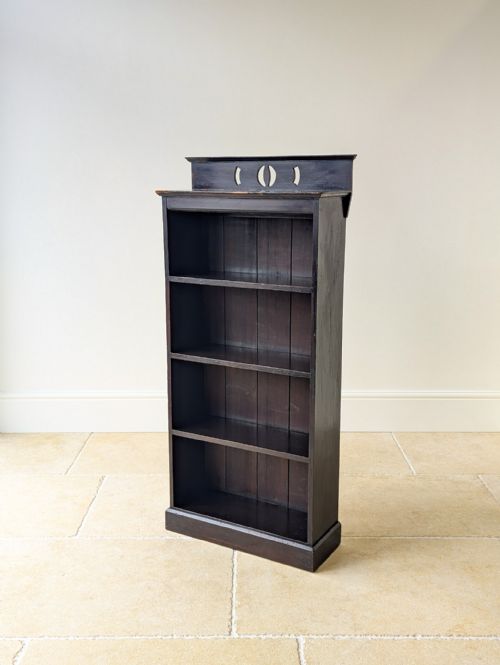
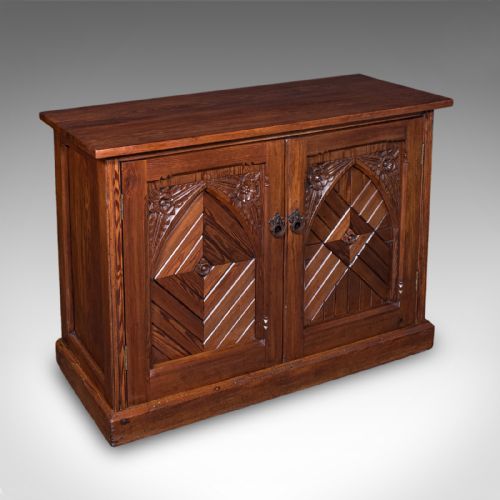
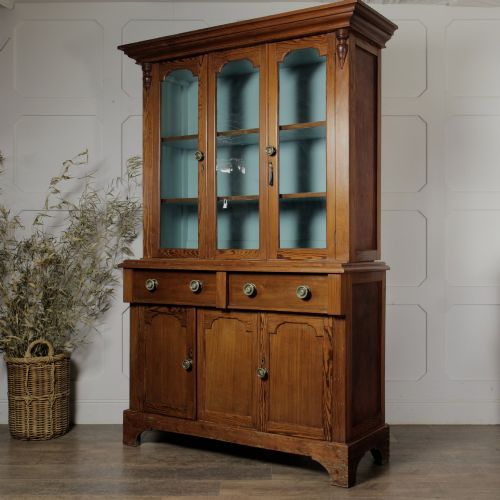
A victorian pine bookcase spans simple open shelves, tall glazed display cabinets, and two-part kitchen dressers designed for domestic storage. Pieces range from early nineteenth-century country workshops to late Victorian vernacular forms, reflecting practical needs across English, Scottish, and French rural interiors.
Buyers encounter open-front bookshelves alongside pieces featuring glazed cabinet doors, lower cupboards, and adjustable shelving systems. The selection leans heavily toward utilitarian pine and dense pitch pine, often discovered in waxed, painted, or stripped finishes.
How They Were Made
Joiners built these cabinets using solid pine and pitch pine, sometimes incorporating brass hardware, iron fittings, and glass panes for upper doors. Surfaces received various treatments, from protective layers of wax and historical paint finishes to later stripped wood.
Construction methods prioritised utility, employing sturdy tongue-and-groove backs, dovetail joints in drawers, and simple peg or notched supports to accommodate movable shelves.
Victorian Pine Bookcase Retail Price Guide 2026
Typical asking prices for victorian pine bookcase among the pieces listed under this phrase on Sellingantiques today, from the lower quarter to the upper quarter. They describe what is for sale here now, not the wider market.
Recorded forms include open bookcases, glazed display cabinets, two-part dressers, and corner cupboards.
What Varies in Quality
Proportion and scale distinguish finer vernacular pieces from heavier utility cabinets, with better examples maintaining balanced dimensions and pleasing sightlines. The choice of timber also sets pieces apart, where dense pitch pine with strong grain patterns offers superior durability compared to softer commercial coniferous wood.
Originality of surface finish and hardware dictates desirability, as untouched waxed patinas or intact early paint retain more character than modern sanding. Clever internal design, such as functioning adjustable shelf mechanisms and well-fitted glazed doors, marks out superior craftsmanship.
The Victorian Pine Bookcase Glossary
- Pitch pine
- A dense, resinous softwood variant prized for its prominent grain and durability in heavy-use furniture. It holds structural integrity well over centuries.
- Glazed
- Fitted with glass panes, typically in upper cabinet doors to display books or crockery while keeping dust at bay. This treatment distinguishes display cabinets from open shelving.
- Two-part
- Describing furniture constructed in separate upper and lower sections for ease of transport and placement. These often combine a glazed bookcase top with a cupboard base.
- Adjustable shelf
- A shelving tier supported by pegs, ratchets, or sliding grooves that allows custom vertical spacing. This feature indicates a higher degree of thoughtful initial design.
- Cornish dresser
- A regional kitchen storage form featuring open plate racks above a sideboard base. They provide accessible display space alongside enclosed lower storage.
Victorian Pine Bookcase: Frequently Asked Questions
How do I clean a waxed pine bookcase?
Dust regularly with a dry cloth and apply a traditional beeswax balm occasionally to nourish the timber. Avoid using modern aerosol sprays or silicone polishes that degrade historical wax finishes.
Allow the wax to dry before buffing gently with a soft cloth to restore a natural sheen without stripping the underlying patina.
Are the shelves usually adjustable?
Many examples feature adjustable shelves supported by wooden pegs, notched interiors, or movable brackets. This flexibility accommodated varying book heights and utilitarian storage needs.
Simpler open-front variants sometimes rely on fixed shelves secured permanently into the carcass walls during initial construction.
Can these bookcases support heavy books?
Solid pine and pitch pine provide robust structural support for standard volumes and heavy reference books. Pitch pine offers particular strength due to its dense, resinous grain.
Checking the condition of shelf supports and internal battens ensures the timber bears weight safely without sagging over time.
What is the difference between pitch pine and standard pine?
Pitch pine contains higher resin content and exhibits a denser grain pattern with deeper colour variation. This makes it heavier and more resilient than standard softwood pine.
Standard pine appears lighter in weight and colour, serving as the primary material for everyday domestic furniture across the nineteenth century.