


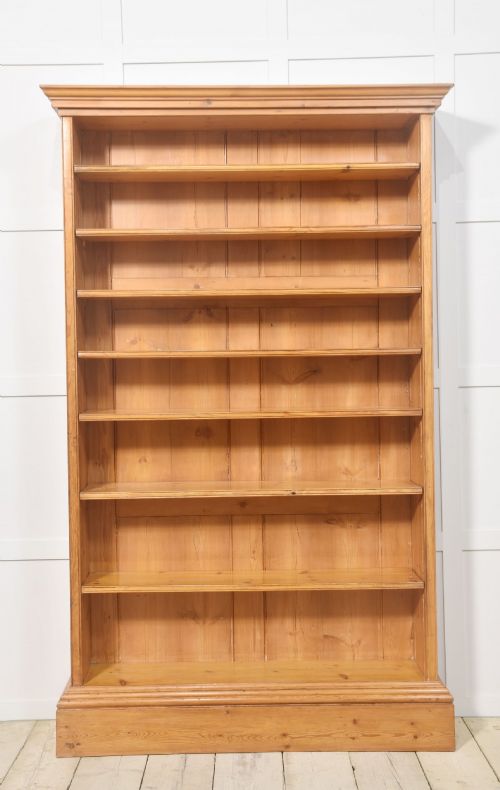
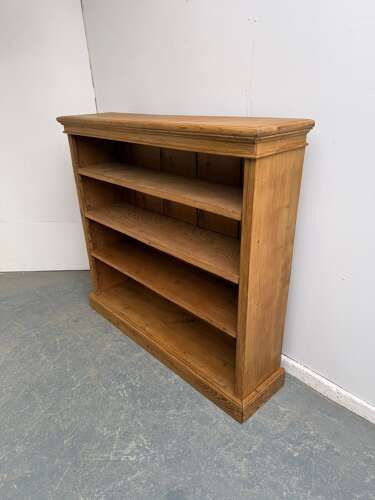

Antique Pine Shelving Unit
An antique pine shelving unit brings practical storage and honest utility to a room, combining warm timber with domestic history.
Antique Pine Shelving Unit
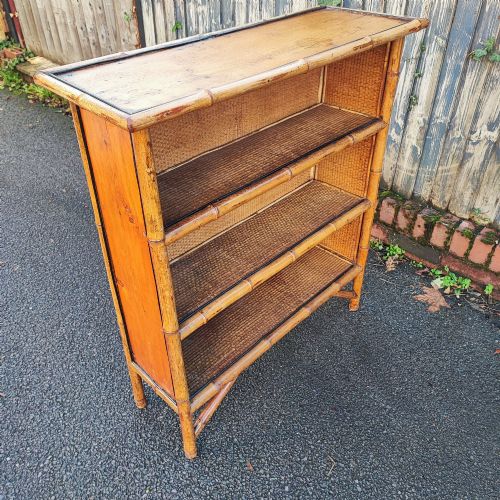
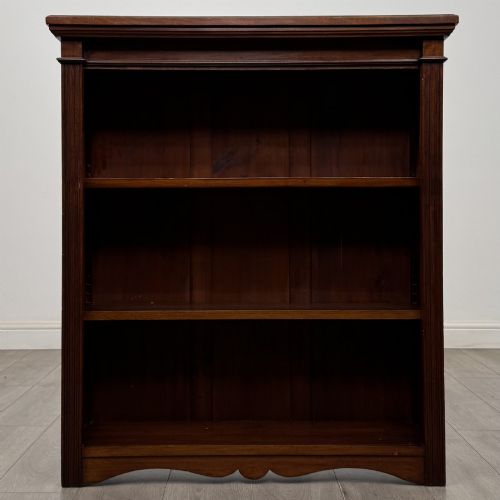
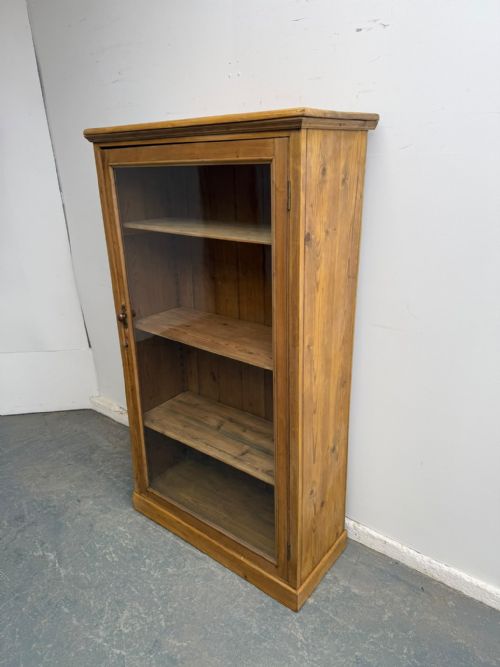
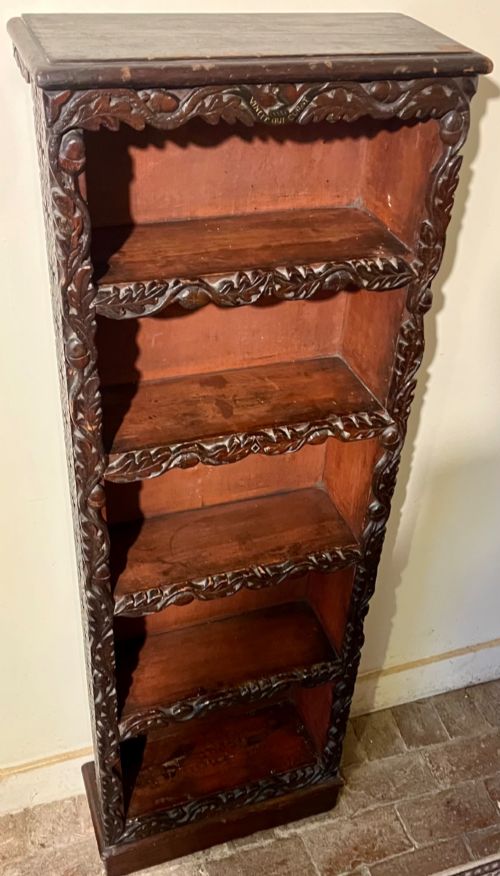
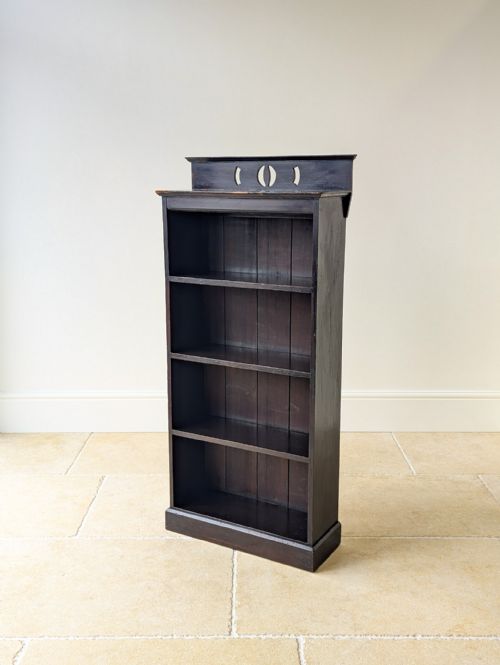
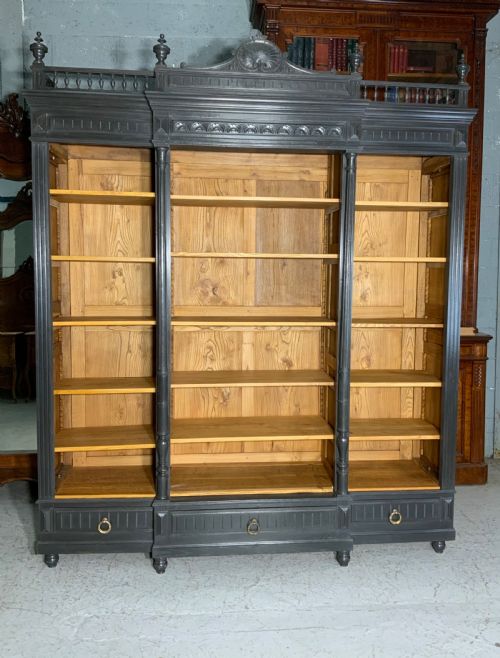
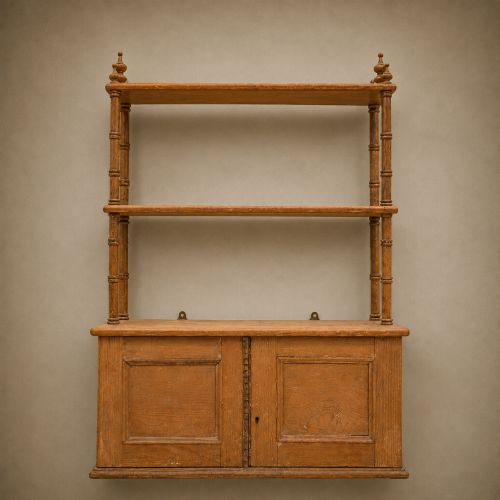
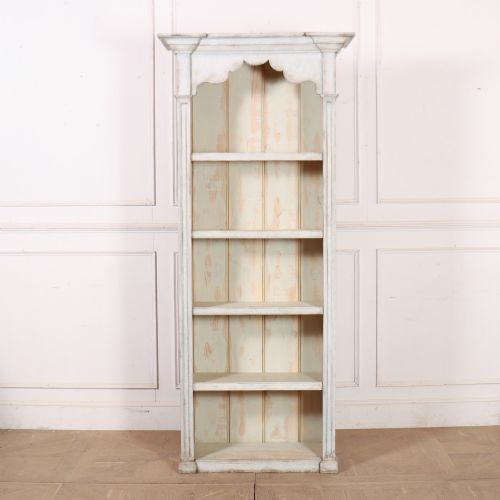
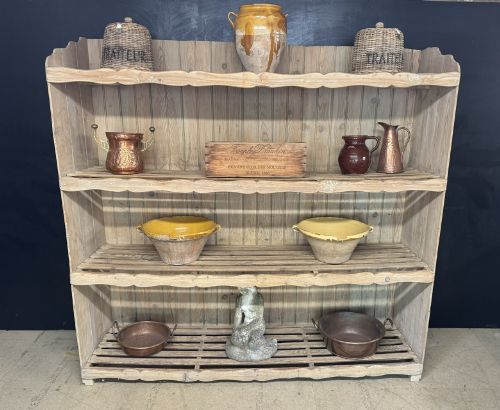
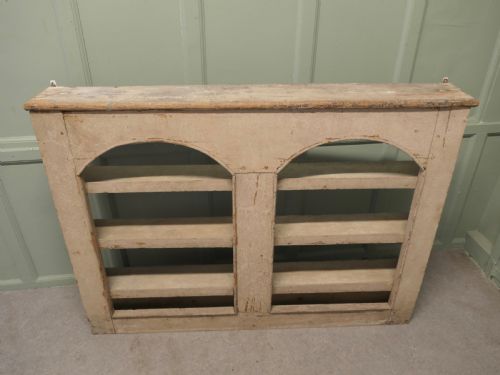
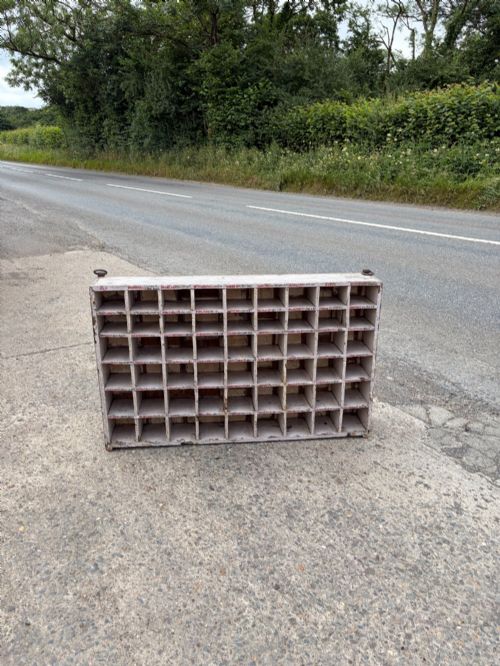
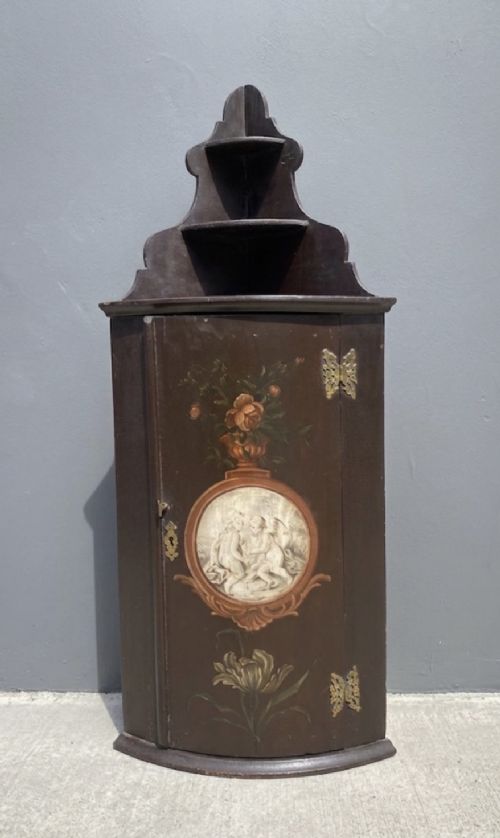
An antique pine shelving unit spans open bookcases, wall shelves, corner cabinets, and shop display stands intended for everyday organisation. Most examples encountered here date from the eighteenth and nineteenth centuries, taking forms such as rustic country bookcases, bakers racks, and pigeon holes.
Makers produced these functional items in various regional styles, including French provincial, Victorian country, and industrial designs. Buyers frequently select these wooden storage units to hold books or display objects in domestic interiors.
How they were made
Construction relies primarily on pine, deal wood, and timber, sometimes augmented with brass or metal hardware. Surfaces display either a waxed finish or layers of paint, including distemper and hand painted decoration.
Joinery techniques serve utilitarian purposes, accommodating adjustable shelves, fitted cabinets, and dome tops on eighteenth and nineteenth century pieces.
Antique Pine Shelving Unit Retail Price Guide 2026
Typical asking prices for pine shelving unit among the pieces listed under this phrase on Sellingantiques today, from the lower quarter to the upper quarter. They describe what is for sale here now, not the wider market.
The listings feature pine, deal wood, and timber constructions spanning the eighteenth century through to the Edwardian period.
What varies in quality
Quality differs in the proportion of the timber, the integrity of the original joints, and the retention of early surfaces like distemper paint or wax. Pieces with integrated architectural details, such as carved dome tops or panelled cupboard doors, demonstrate higher workmanship.
The degree of honest wear and the survival of original shelving adjustments distinguish standard utility items from finer vernacular examples.
The Antique Pine Shelving Unit Glossary
- Pine
- A softwood commonly utilised for domestic furniture throughout the eighteenth and nineteenth centuries. It takes wax and paint well.
- Deal wood
- A term historical carpenters used for fir or pine timber boards. It appears frequently in utilitarian bookcases and storage units.
- Distemper paint
- A traditional water based paint mixture using chalk or pigment bound with size. It produces a matt finish found on older painted furniture.
- Pigeon holes
- Small compartmentalised shelving units designed for sorting papers or goods. They are typical of Victorian and early twentieth century workspaces.
- Bakers rack
- An open metal and wood shelving frame originally utilised in commercial kitchens. Surviving examples now serve as display furniture.
Antique Pine Shelving Unit: Frequently Asked Questions
How do I date an antique pine bookcase?
Dating relies upon construction methods, tool marks, and timber characteristics observed across the frame. Eighteenth century examples often feature heavier architectural mouldings and hand sawn boards.
Victorian and later pieces introduce mechanical adjustments and machine cut timber components. Comparing hardware like brass fixings also helps establish the era.
Can I adjust the shelves?
Certain Victorian and later bookcases incorporate adjustable shelf mechanisms using wooden pegs or metal ratchets. These systems allow the shelf heights to be altered for different book sizes.
Fixed shelves remain standard on earlier vernacular cupboards and wall mounted racks.
Are painted finishes original?
Many pieces retain early or period paint, such as distemper or hand applied decorative layers, while others show later overpainting. Surface examination under natural light reveals whether paint layers have accumulated over decades.
Original painted surfaces exhibit genuine craquelure and wear consistent with age.
Where should I place a shop display stand?
Shop display stands and bakers racks suit kitchens, living spaces, or hallways as open storage for ceramics and books. Their accessible shelving provides practical organisation without overwhelming smaller rooms.
Pairing them with neutral walls highlights the warm tones of the pine timber.