



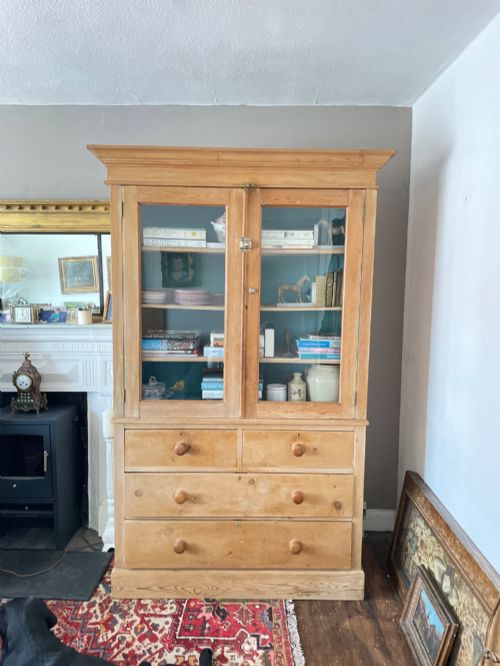
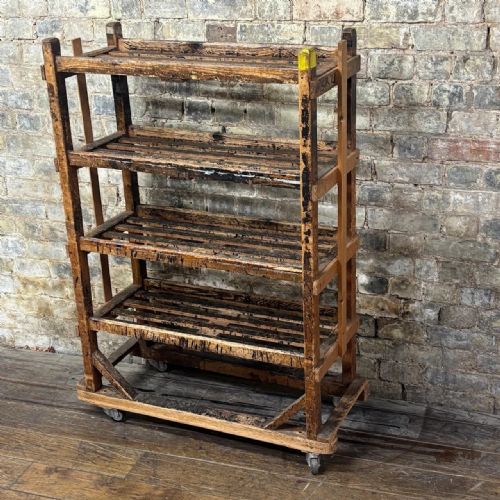
Vintage Pine Bookcase
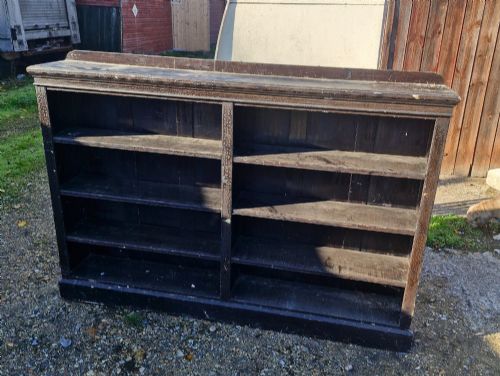
A vintage pine bookcase brings honest utility and warm grain to a room, offering sturdy shelving built for everyday volumes.
Vintage Pine Bookcase
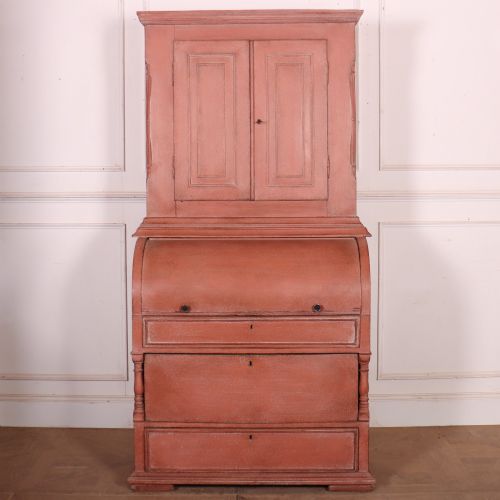
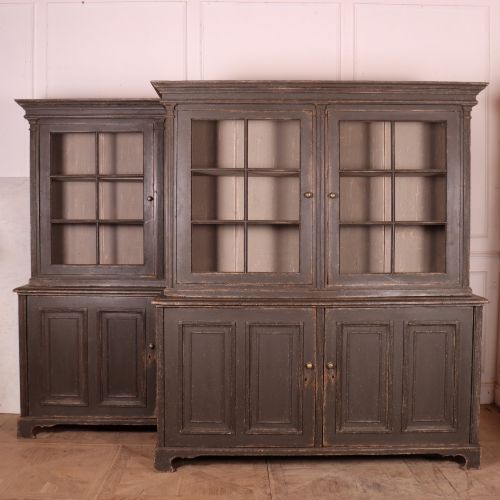
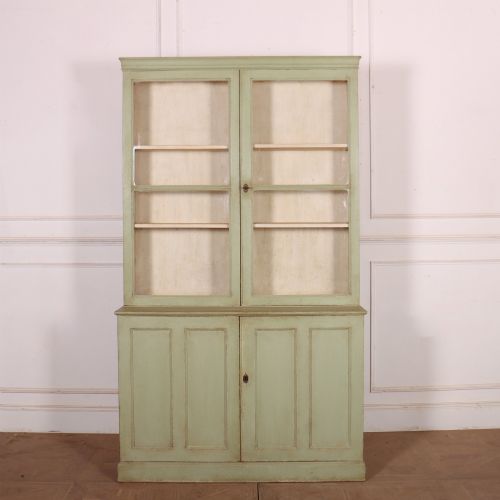
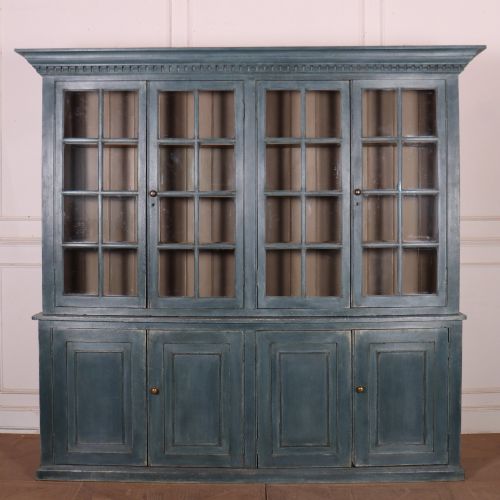
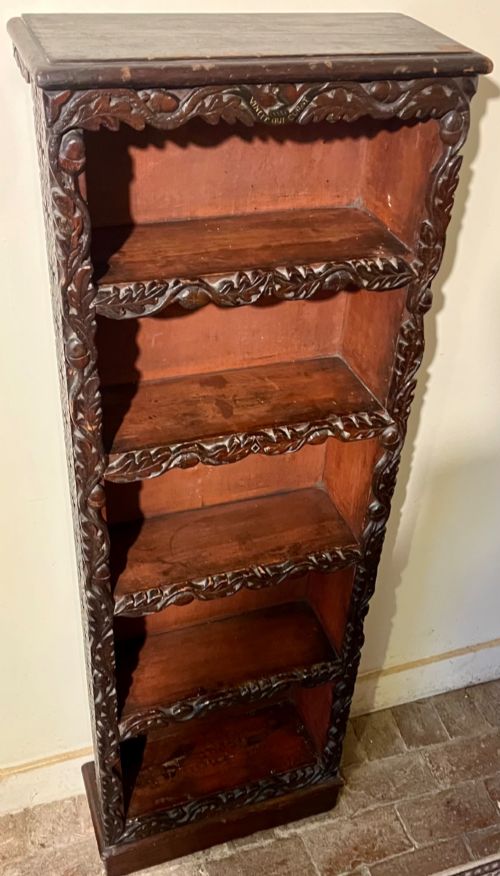
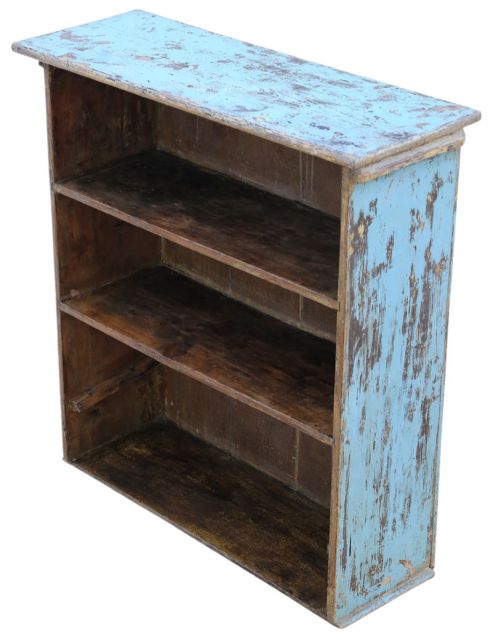
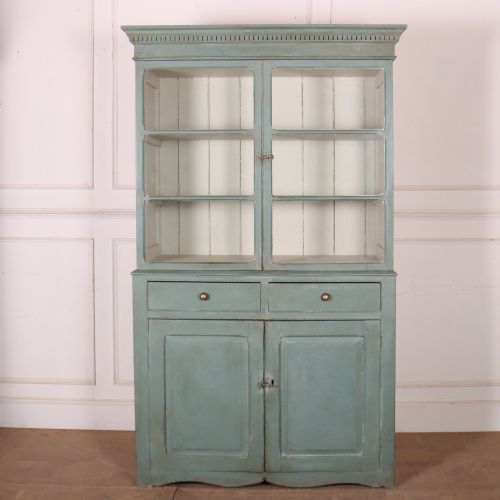
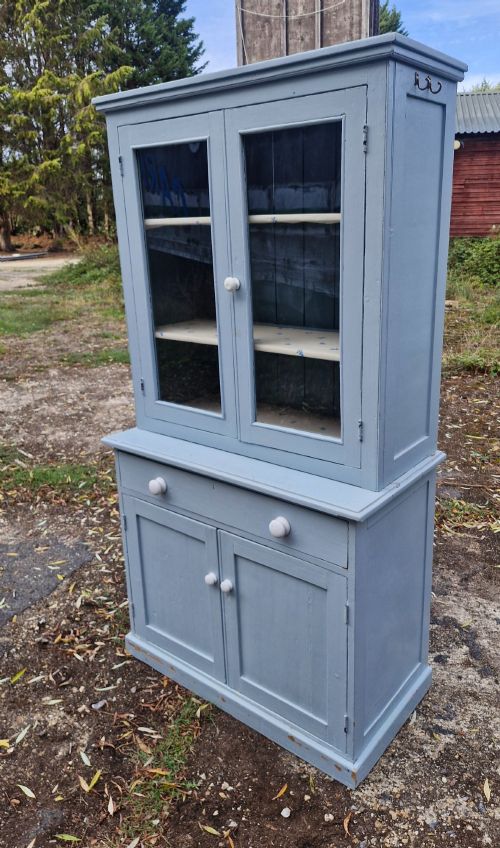
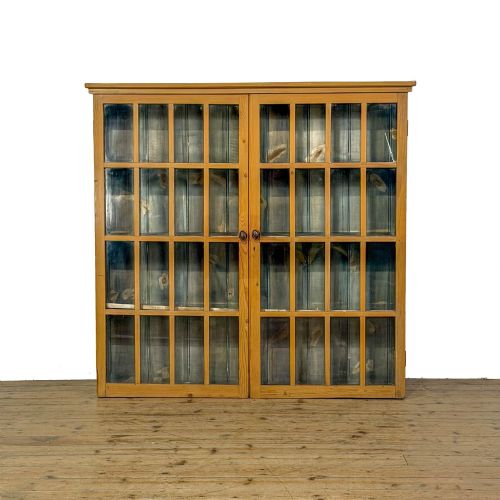
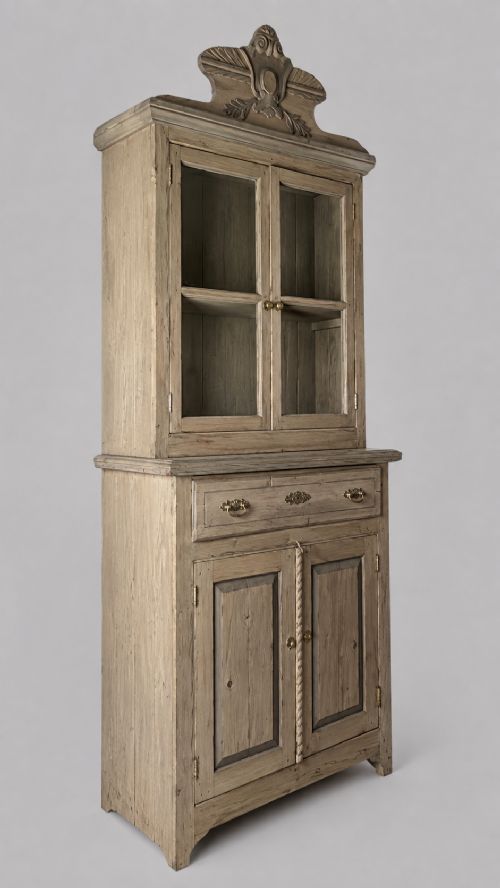
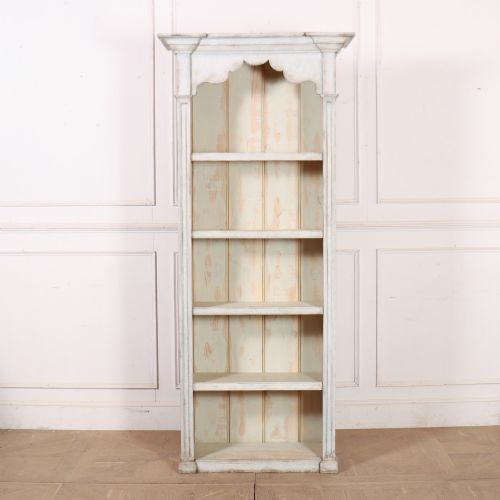
When you search for a vintage pine bookcase, you encounter practical storage furniture ranging from simple open shelving units to tall glazed display cabinets and kitchen dressers. These items predominantly date from the nineteenth century through the early twentieth century, spanning Victorian, Edwardian and rustic country traditions.
The most frequent examples on this page are open-fronted bookshelves and two-part cupboards originating from English, French, and Scottish workshops. Pieces vary from humble deal wood furniture to larger painted library cabinets and fitted kitchen dressers designed for domestic service.
Materials and construction
Construction relies heavily on solid pine and pitch pine, often joined using traditional methods and finished with simple wax, scrubbed surfaces, or historic painted layers. Many examples feature glazed doors fitted with glass panes and secured with brass or iron hardware.
Makers utilised local softwood timbers, creating robust carcasses capable of holding heavy collections of books and household goods. Surfaces frequently display the marks of historic use, with layered paint finishes and wax patination developing organically over decades.
Vintage Pine Bookcase Retail Price Guide 2026
Typical asking prices for vintage pine bookcase among the pieces listed under this phrase on Sellingantiques today, from the lower quarter to the upper quarter. They describe what is for sale here now, not the wider market.
One cheerful survivor carries historic sign-writing advertising Hovis bread, proving this sturdy pine cupboard once lived in a local shop.
Assessing quality
The character of the finish significantly influences the appeal, with untouched painted surfaces or deep wax patination elevating the piece. Lesser items may suffer from unsympathetic modern alterations or heavily stripped timber that has lost its historic depth.
The Vintage Pine Bookcase Glossary
- Deal wood
- Softwood timber such as fir or pine, commonly used in British furniture making. It provides a pale, workable surface that takes paint and wax readily.
- Pitch pine
- A resinous North American pine species valued for its strength and distinct grain pattern. It appears frequently in robust nineteenth-century cabinetry.
- Glazed cabinet
- A storage piece featuring glass panelled doors. This design protected valuable books and china while keeping contents visible.
- Scrumbled paint
- A decorative surface technique simulating richer wood grains or creating mottled textures. It was widely applied to utilitarian pine furniture.
- Breakfront
- A cabinet design where the central section projects forward from the flanking wings. This architectural arrangement adds depth and formal presence to larger bookcases.
Vintage Pine Bookcase: Frequently Asked Questions
How do I date a pine bookcase?
Dating relies on construction methods, timber characteristics, and hardware styles found on the carcass. Earlier nineteenth-century examples often display hand-sawn boards and older joinery techniques.
Later pieces from the Edwardian period or the nineteen-twenties tend to feature more standardised fixings and machine-cut elements. Comparing the backboards and interior construction offers the clearest indication of age.
Are pine bookcases sturdy enough for heavy books?
Solid pine and pitch pine provide strong, dependable support for extensive libraries when the shelves are thick enough. Many traditional bookcases include adjustable wooden shelving to accommodate varying volumes.
Overloaded shelves can sag across wide spans over time, so checking the thickness and support of individual shelves remains sensible. Well-built nineteenth-century examples easily handle standard book collections.
Should I wax or paint my bookcase?
The correct treatment depends entirely on the current finish and the history of the specific piece. Retaining original historic paint layers preserves the character and value of the furniture.
Unfinished or stripped pine responds well to traditional beeswax, which feeds the dry wood and builds a soft lustre. Avoid stripping pieces that retain honest traces of their working past.
What is the difference between deal and pine?
Deal is simply a historic trade term for softwood timber cut from pine or fir trees. Furniture described as deal wood shares the same botanical origins as pieces specified as pine.
Carpenters used the terms interchangeably in workshop records and inventory lists throughout the Victorian era. Both materials offer the same pale hue and receptive surface for finishes.