


Pine Kitchen Hutch
A pine kitchen hutch brings honest utility and vernacular warmth to a room, offering generous storage for daily wares.
Pine Kitchen Hutch
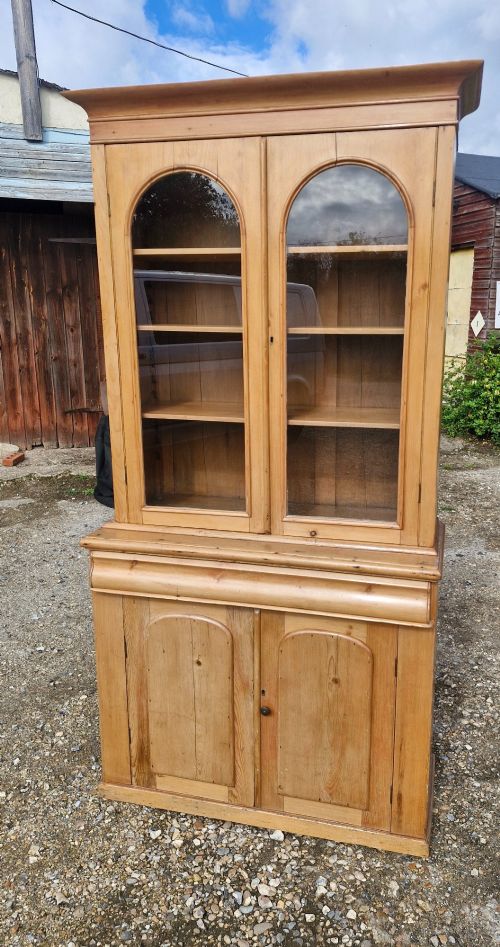
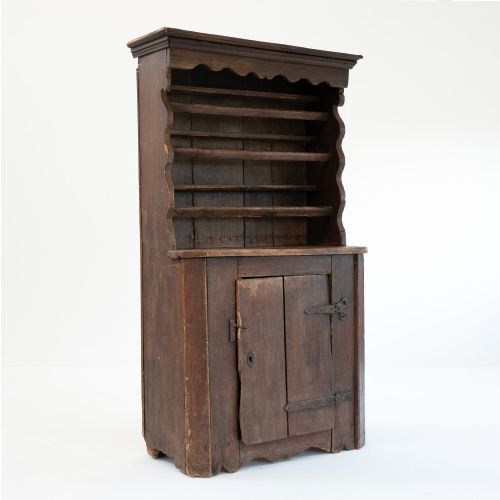
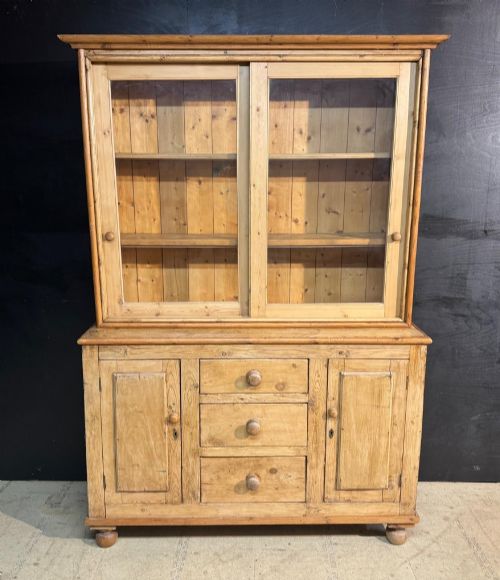
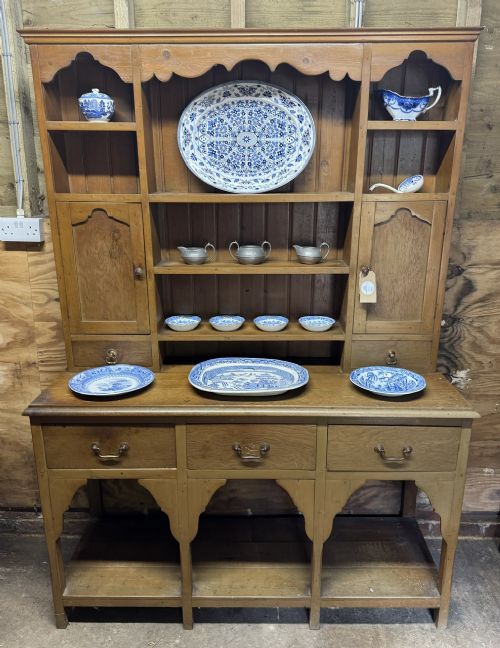
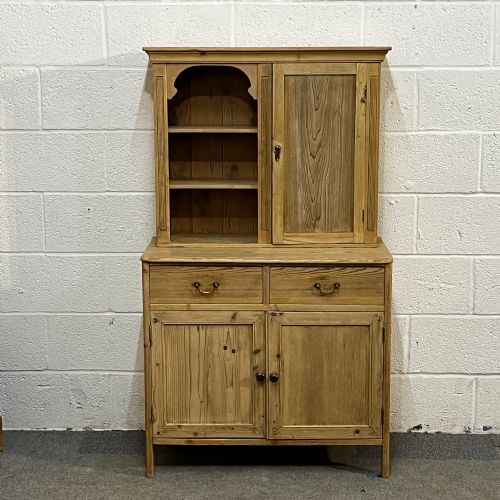
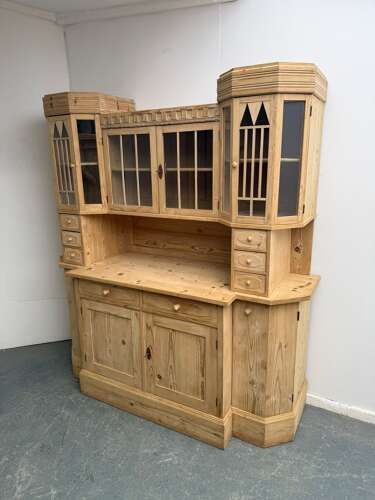
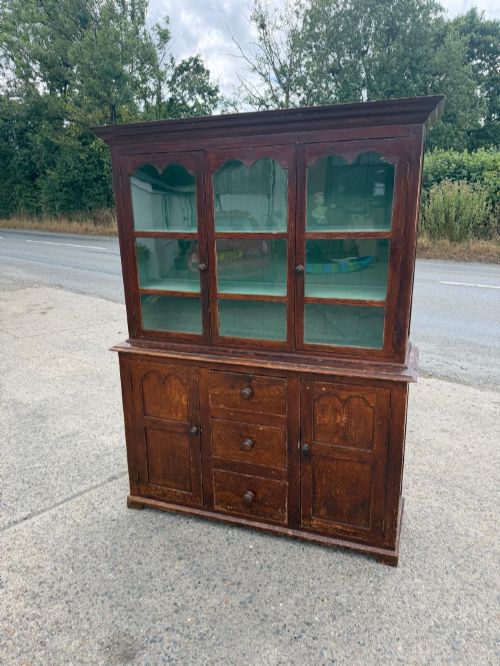
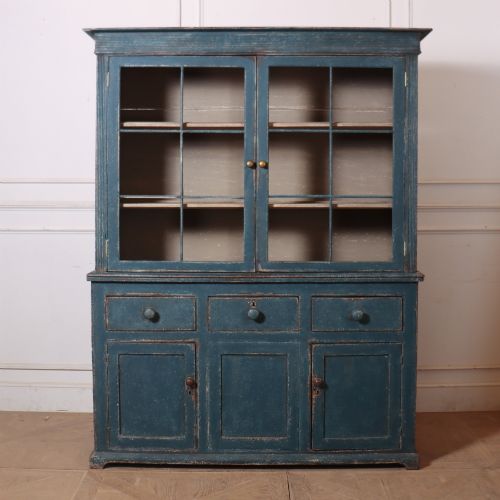
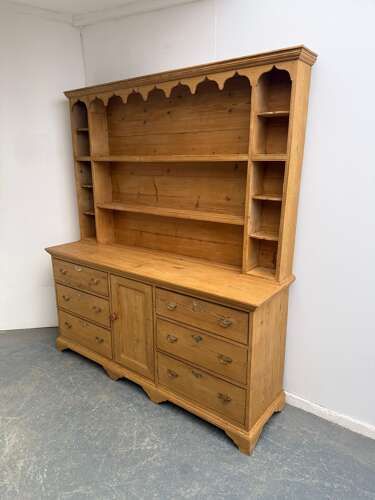
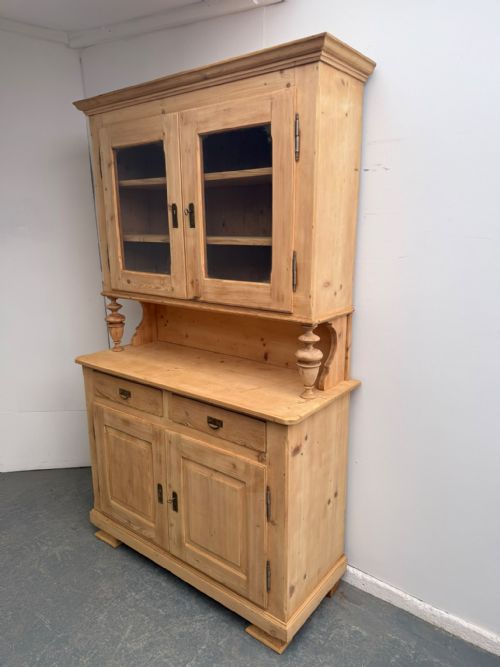
When you search for a pine kitchen hutch, you look at utilitarian storage pieces designed for domestic service, most frequently encountered here as country dressers, cabinets, and two-piece storage furniture. These pieces combine open or glazed display racks with lower cupboards and drawers, originating from regional workshops across Britain, Ireland, and continental Europe.
The examples on this page span from the late 18th century through the Victorian era and into the early 20th century, displaying forms such as breakfront units, Welsh vernacular designs, and compact farmhouse cupboards. English, Welsh, Irish, and Scottish regional variations sit alongside continental pieces from Hungary, Denmark, Sweden, and the Alps.
Most pieces combine pine carcassing with functional hardware in brass, iron, or wrought iron, occasionally featuring glass-fronted upper sections or ceramic elements. Buyers encounter everything from small country units suitable for modest spaces to massive Hungarian and West Country examples built for heavy storage.
How they were made
Makers constructed these hutches predominantly from solid pine, utilising the timber's accessible grain and workability for everyday domestic furniture. Carpenters and joiners built the carcases to withstand rigorous daily use in farmhouses and kitchens.
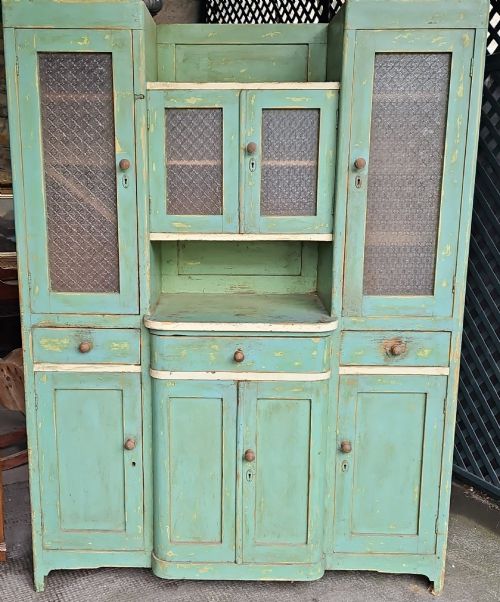
Surfaces received various finishes according to regional tradition and period taste, ranging from plain waxed pine to applied coats of paint, cream and teal finishes, scrumbled decoration, or folk art detailing. Iron and brass hardware secured doors and drawers, while glass panels protected upper display shelves.
Period examples span the 18th century, Georgian era, Victorian period, and early 20th century up to 1930.
What varies in quality
Quality in these hutches rests upon the integrity of the original construction and the preservation of surface character. Pieces retaining their original paint, distinct regional proportions, and untouched hardware sit distinctly apart from heavily altered examples.
Proportional harmony and timber selection define the upper tier of the range, where regional vernacular details remain crisp and unaltered. The survival of an original patina through generations of domestic use marks the distinction between ordinary utility items and fine surviving examples.
The Pine Kitchen Hutch Glossary
- Patina
- The surface appearance developed through age, wear, and waxing. It reveals the history of use on the pine timber.
- Breakfront
- A piece of furniture where the central section projects forward from the flanking outer cabinets. This configuration appears frequently on larger kitchen dressers.
- Scrumbled
- A decorative painting technique involving the manipulation of translucent paint layers to imitate grain or create mottled textures. It appears on regional country furniture.
- Vernacular
- Architecture and furniture built by local craftsmen using traditional regional methods and materials. These pieces reflect local domestic habits rather than metropolitan design rules.
- Rack
- The upper shelving superstructure designed to sit upon the base cabinet for displaying plates and crockery. It forms the upper half of a two-piece hutch.
Pine Kitchen Hutch: Frequently Asked Questions
How do I date an antique pine hutch?
Dating relies on examining construction methods, timber characteristics, hardware, and surface treatments. Georgian and 18th-century pieces often display specific regional vernacular traits and hand-worked joinery.
Victorian and later examples introduce different proportions, machine-sawn elements, and varied painted finishes such as scrumbled decoration or original colour schemes.
Where were these hutches made?
Makers constructed these hutches across distinct regional workshops in England, Wales, Scotland, and Ireland, alongside continental origins including Scandinavia, Hungary, and France. Each region developed recognizable forms.
West Country, Welsh, and northern English pieces show particular local variations in base cabinet arrangement and rack design.
How should I care for waxed pine furniture?
Maintain waxed pine surfaces by dusting regularly with a soft, dry cloth and applying natural beeswax periodically to nourish the timber. Avoid excessive moisture and direct heat sources.
Preserving the original wax and patina requires gentle maintenance rather than harsh chemical cleaning or stripping.
What is the difference between a dresser and a hutch?
In British vernacular terminology, these terms often overlap to describe pieces combining lower storage with upper display shelving. Regional names include kitchen dressers, cabinets, and bookcases.
Both forms served the same primary domestic purpose of holding and displaying everyday kitchen pottery and provisions.