


Traditional Pine Hutch
A traditional pine hutch brings warmth and honest utility to a room, offering generous storage through fitted shelves and cupboards built for daily use.
Traditional Pine Hutch
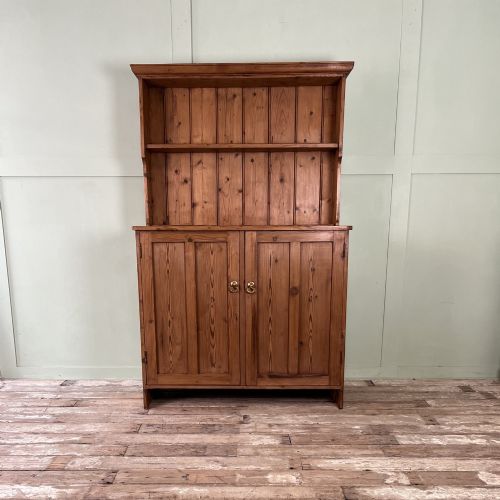
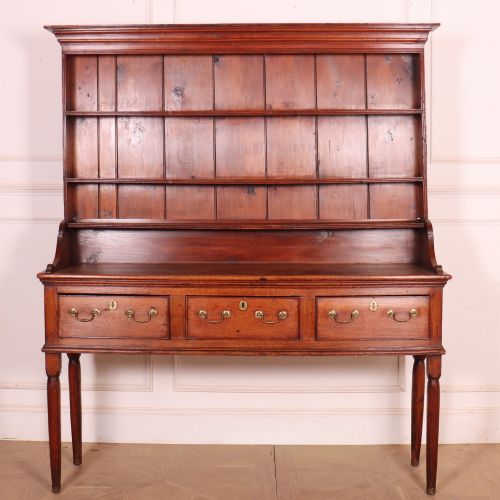
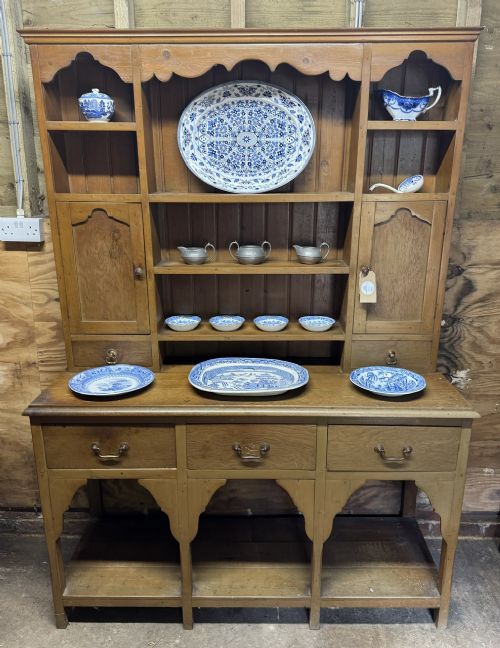
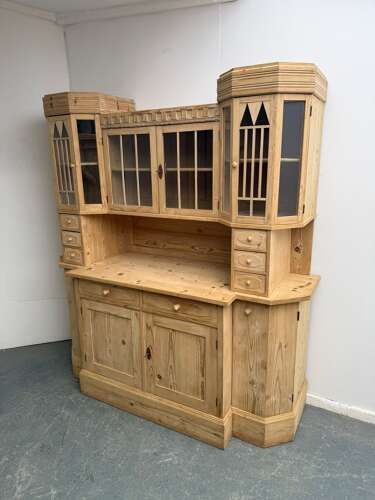
When a buyer seeks a traditional pine hutch, they are looking at robust kitchen dressers, cabinets, and rack combinations designed for storage and display. These pieces originate across the nineteenth and early twentieth centuries, spanning periods from the Georgian era through to the 1930s.
The versions most commonly met on this page include regional English forms, such as West Country dressers and Welsh vernacular designs, alongside continental examples. They appear in finishes that range from waxed pine to original painted surfaces and folk art treatments.
How they were made
Makers relied primarily on solid pine, supplemented occasionally by oak and brass hardware, building frames to endure generations of domestic service. Surfaces were treated with wax or finished with traditional paint layers, preserving the wood while accommodating everyday wear.
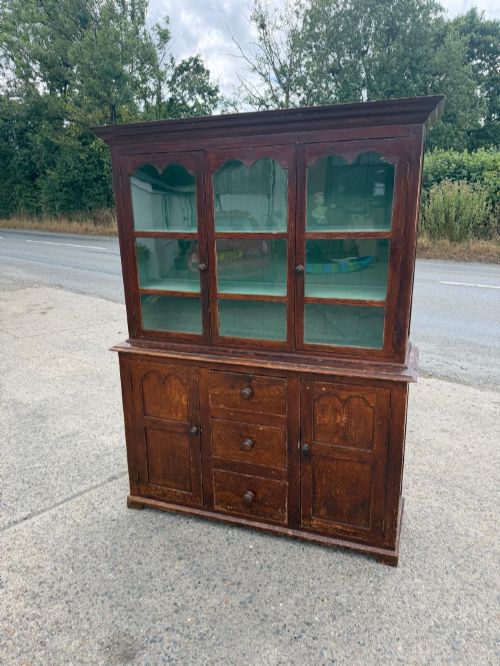
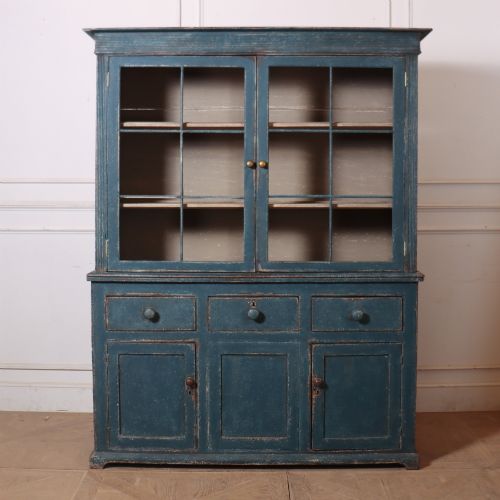
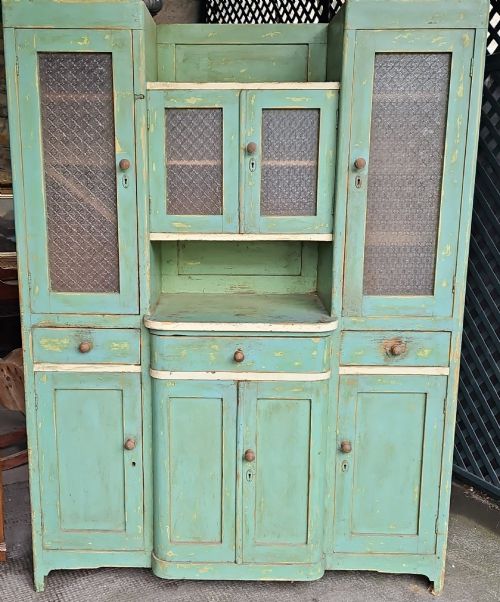
Glazed doors feature plain or textured glass panels set into wooden frames, while open plate racks utilise simple peg and groove joinery. Construction methods reflect regional cabinet-making traditions, prioritising structural integrity and practical utility over ornate decoration.
Listings here span the Georgian era through the 1930s, featuring pine, oak, and glass constructed across English, Welsh, and continental workshops.
What varies in quality
The distinction between standard examples and superior pieces rests upon the integrity of the original surfaces and the preservation of regional character. Depth of patina, untouched paint layers, and the retention of original brass or wooden fittings elevate certain items above standard utilitarian versions.
Proportion and scale also define the hierarchy, where balanced proportions across two-piece constructions command greater appreciation. The quality of timber selection, particularly in Scots pine and dense West Country boards, dictates the durability and visual weight of the structure.
The Traditional Pine Hutch Glossary
- Welsh Dresser
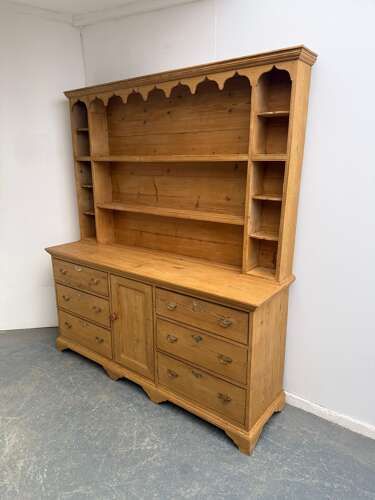
- A traditional kitchen storage unit combining base cupboards or drawers with an open plate rack on top. This form evolved to display household crockery alongside practical workspace.
- Patina
- The surface sheen and colour developed through years of handling, waxing, and exposure to light. It serves as a visual record of age and domestic use.
- Breakfront
- A cabinet design where the central section projects forward from the flanking outer sections. This architectural arrangement creates depth and visual interest in larger case pieces.
- Folk Art
- Decorative work executed within a regional or vernacular tradition rather than by academic standards. Painted finishes in this style often display naive motifs and local colour choices.
- Plate Rack
- The open shelving superstructure attached to the top of a dresser base. It usually incorporates plate grooves and vertical slats to secure dishes safely upright.
Traditional Pine Hutch: Frequently Asked Questions
What is a traditional pine hutch used for?
These pieces serve primarily as storage and display furniture for domestic crockery, glassware, and provisions. The combination of open shelving and enclosed cupboard space allows for both functional organisation and decorative presentation.
In modern interiors, they function effectively in kitchens and dining rooms as sideboards or pantries. Their deep shelves and generous capacity accommodate everyday tableware while anchoring the room with traditional character.
How do I care for waxed pine furniture?
Maintenance requires regular dusting with a soft, dry cloth and occasional application of traditional beeswax to nourish the timber. Avoid placing these pieces near direct heat sources or strong sunlight, which can dry out the wood and alter the finish.
Spills should be wiped away promptly to prevent moisture marks on the waxed surface. Using coasters and mats helps preserve the historic patina built up over decades of use.
How can I tell a Victorian pine hutch apart from earlier pieces?
Victorian examples often display heavier proportions and machine-sawn timber components reflecting industrial manufacturing shifts. They frequently incorporate glazed top sections and standardised hardware introduced during the later nineteenth century.
Earlier pieces from the Georgian era typically show hand-planed surfaces, irregular board widths, and pegged joinery characteristic of small regional workshops. Examining the drawer construction and nail types helps clarify the period of manufacture.
Are painted finishes on old dressers original?
Determining original paint involves examining layers under magnification for wear patterns, craquelure, and integration with the underlying wood. Historic paint often shows natural thinning around handles and edges where hands touched the surface.
Later repainting tends to sit uniformly over bumps and abrasions without the micro-cracking expected from age. Traces of earlier colours hidden in crevices can also indicate the history of the piece.
What is the difference between a dresser and a cabinet?
A traditional dresser specifically incorporates an open plate rack mounted above a base of drawers and cupboards. This dual-purpose structure was designed for working kitchens where quick access to plates was essential.
Cabinets generally refer to enclosed storage units with doors, lacking the open upper display shelves characteristic of dressers. They focus more on concealed containment rather than the display of tableware.