

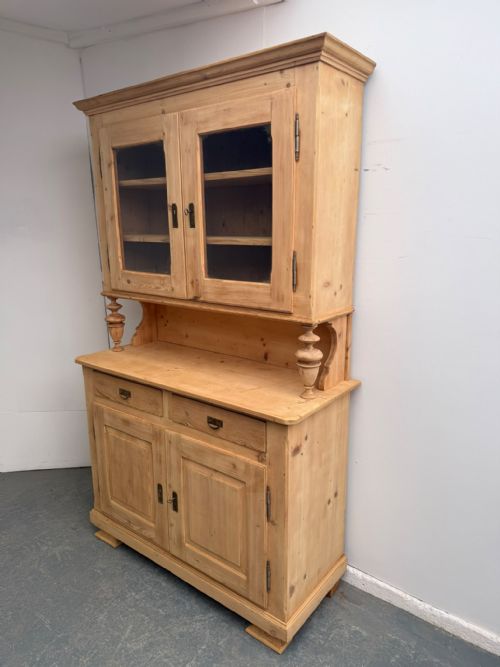


Natural Pine Hutch
Natural pine hutch examples combine utility and unpainted timber, offering sturdy storage across Victorian and earlier periods.
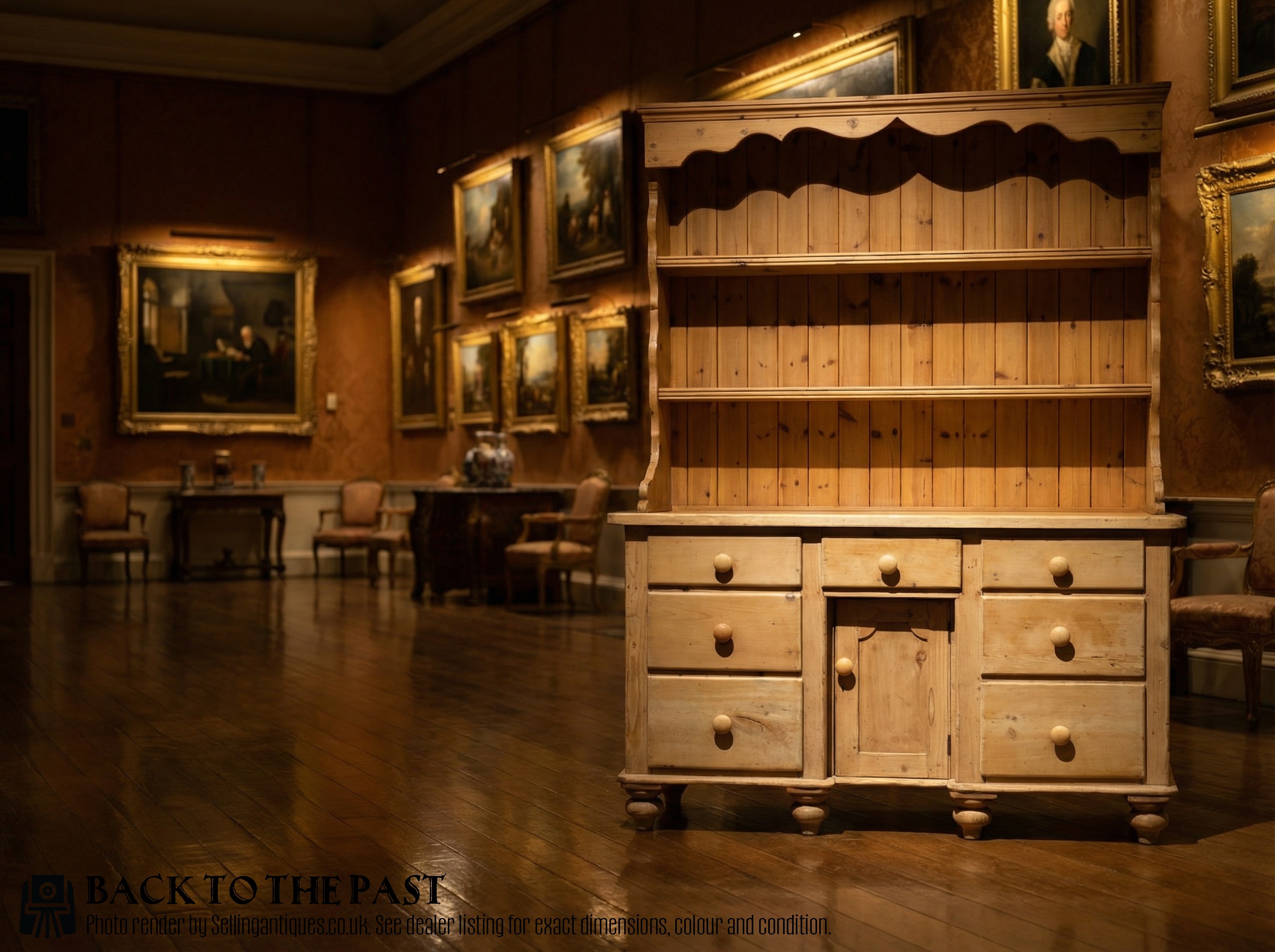
Natural Pine Hutch
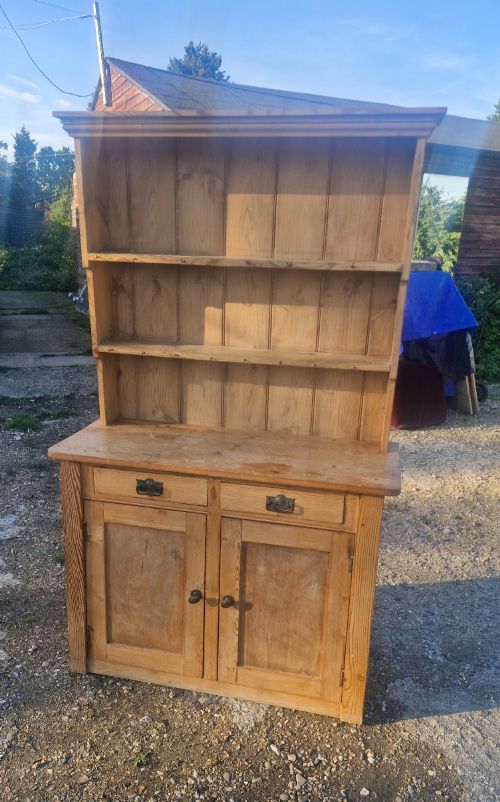
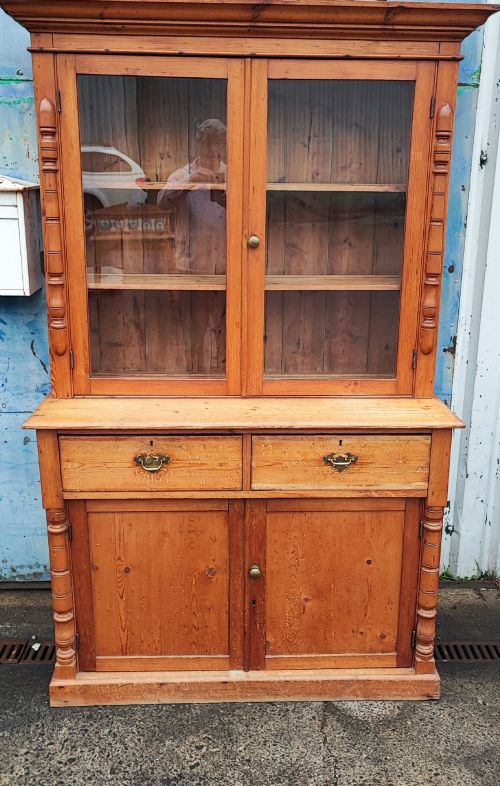
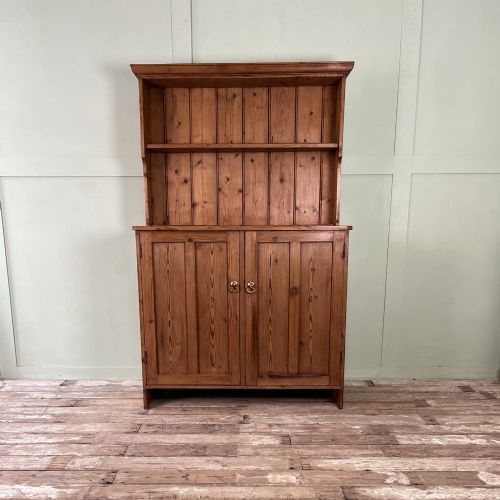
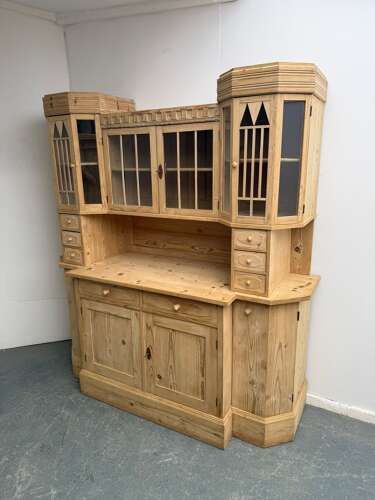
A natural pine hutch provides practical storage through kitchen dressers, cabinets, and dressers constructed from softwood timber. These pieces range from compact formats to larger kitchen dressers equipped with display racks.
Examples on this page span the 19th Century, Victorian period, and specific dates including 1800, 1870, 1900, and 1910. Origins stretch across British vernacular styles, French country, Scandinavian country, and Arts and Crafts designs.
The primary forms serve domestic storage needs, combining lower cupboards and drawers with upper shelving for crockery and provisions. Occasional variant forms include primitive table chairs built from the same timber.
How they were made
Construction relies primarily on pine and Scots pine, selected for accessibility and workability in regional workshops. Timber surfaces frequently show preparation for wax or paint finishes.
Hardware elements incorporate brass, iron, and ceramic fittings on doors and drawers, while certain examples integrate glass panels or fabric details. Joinery reflects traditional vernacular methods appropriate for utilitarian furniture.
Natural Pine Hutch Retail Price Guide 2026
Typical asking prices for natural pine hutch among the pieces listed under this phrase on Sellingantiques today, from the lower quarter to the upper quarter. They describe what is for sale here now, not the wider market.
Listings span the 1800s to 1910, featuring pine, Scots pine, brass, iron, and ceramic across Victorian, Arts and Crafts, and primitive styles.
What varies in quality
Construction heft and timber selection separate simpler utilitarian pieces from refined examples. Heavy Scots pine and thoughtful proportions distinguish better regional work.
Design elaboration alters the character of individual pieces, ranging from plain primitive builds to Arts and Crafts tile insertions and balanced Victorian proportions.
The Natural Pine Hutch Glossary
- Pine
- A softwood timber commonly used in historical domestic furniture for its accessibility and straight grain. It takes wax finishes readily.
- Scots pine
- A specific northern European pine species yielding dense, durable timber favoured in regional cabinetry. It forms heavier structures.
- Kitchen dresser
- A dual-purpose storage item featuring lower cupboards or drawers paired with an open upper rack for plates. It anchors domestic spaces.
- Arts and Crafts
- A design movement prioritising handcraftsmanship and simple materials, visible here in tiled accents and honest construction. It values utility.
- Primitive
- A descriptor for furniture built with basic tools and direct methods, often possessing rustic charm. These objects lack formal academic styling.
Natural Pine Hutch: Frequently Asked Questions
How do I date a pine hutch?
Dating relies on construction methods, hardware types, and timber characteristics observed in the piece.
Earlier examples from around 1800 utilise hand-cut elements, whereas Victorian and 1910 pieces often incorporate machine-sawn components and distinct hardware.
Are these hutches painted or waxed?
Many listings indicate pieces ready to wax or paint, allowing custom finishes.
Original surfaces vary from bare scrubbed pine to aged patinas developed through decades of domestic use.
What is the difference between a dresser and a hutch?
These terms often overlap in marketplace descriptions to denote storage furniture with lower cabinets.
In this selection, kitchen dressers frequently include plate racks mounted above base cupboards or drawers.
Where were these pieces made?
Origin points span British regional workshops, French country districts, and Scandinavian makers.
Local timber availability dictated whether workshops utilised standard pine or denser Scots pine.
How should I care for antique pine?
Maintain pine furniture by applying traditional beeswax periodically to nourish the dry softwood.
Protect surfaces from excessive moisture and direct heat sources to preserve the timber grain.