

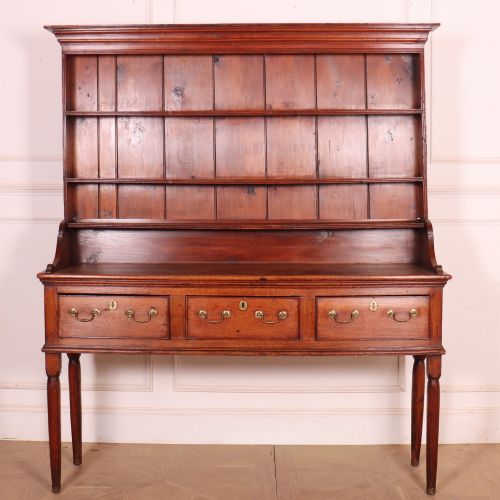
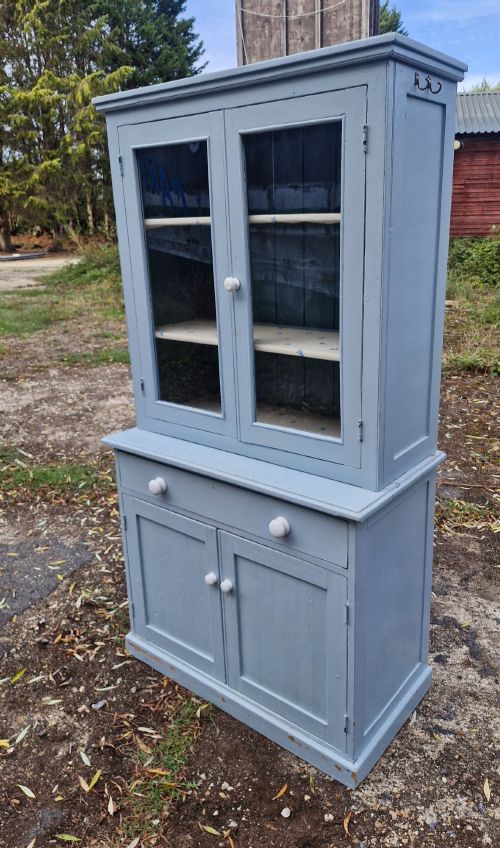
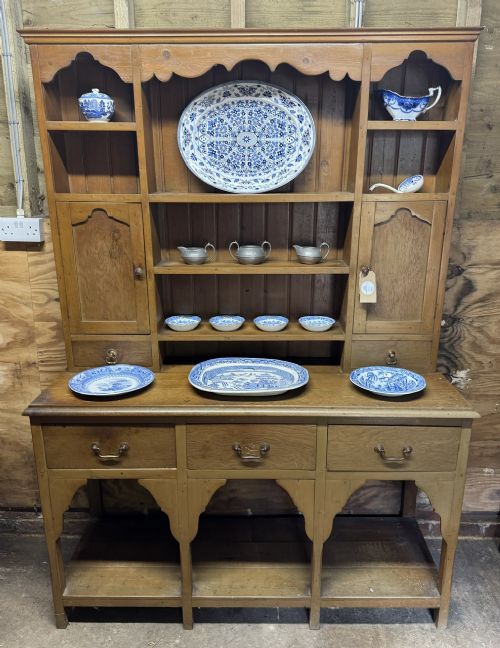
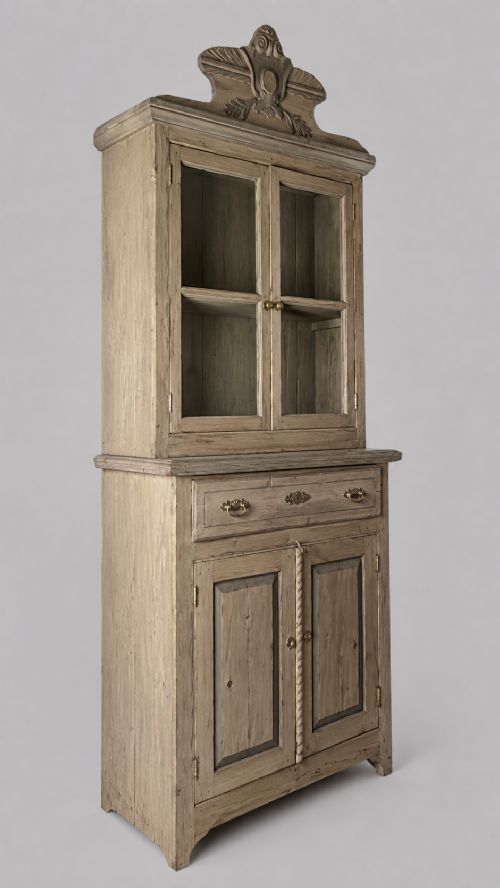
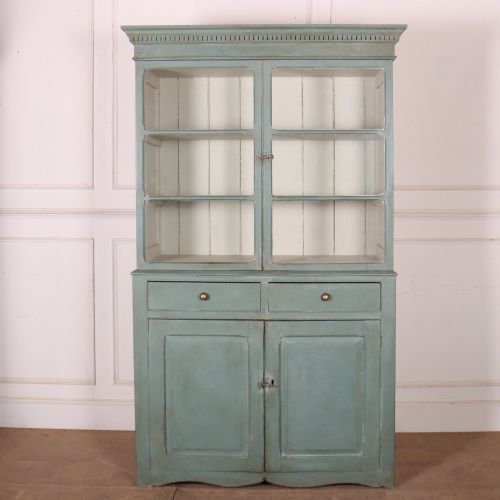
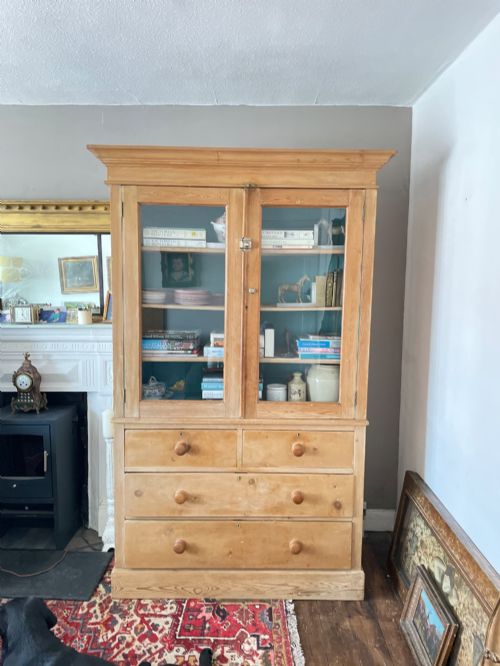
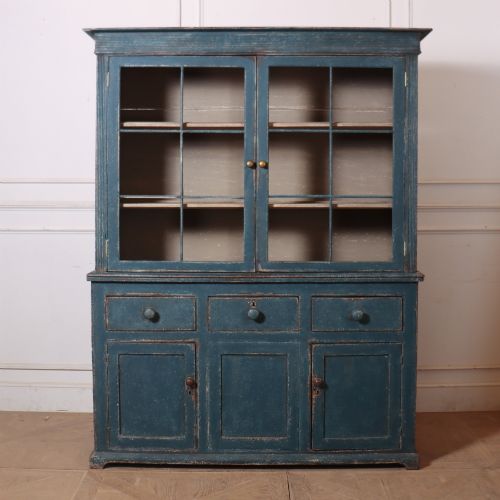
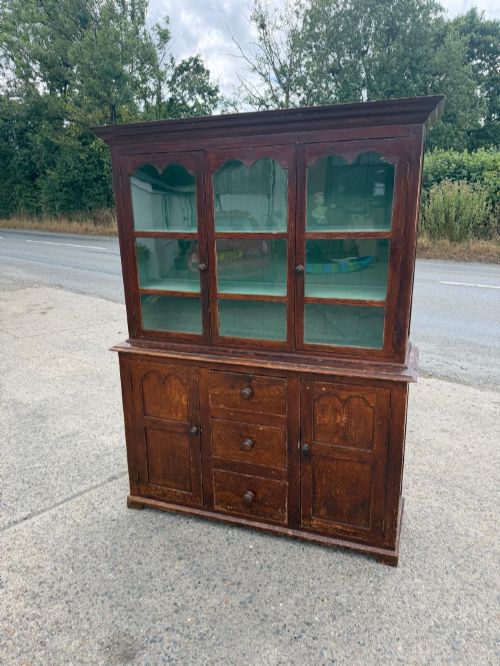
Pine Display Dresser
A pine display dresser brings practical storage and regional character to a room, combining open display shelves with enclosed cupboards.
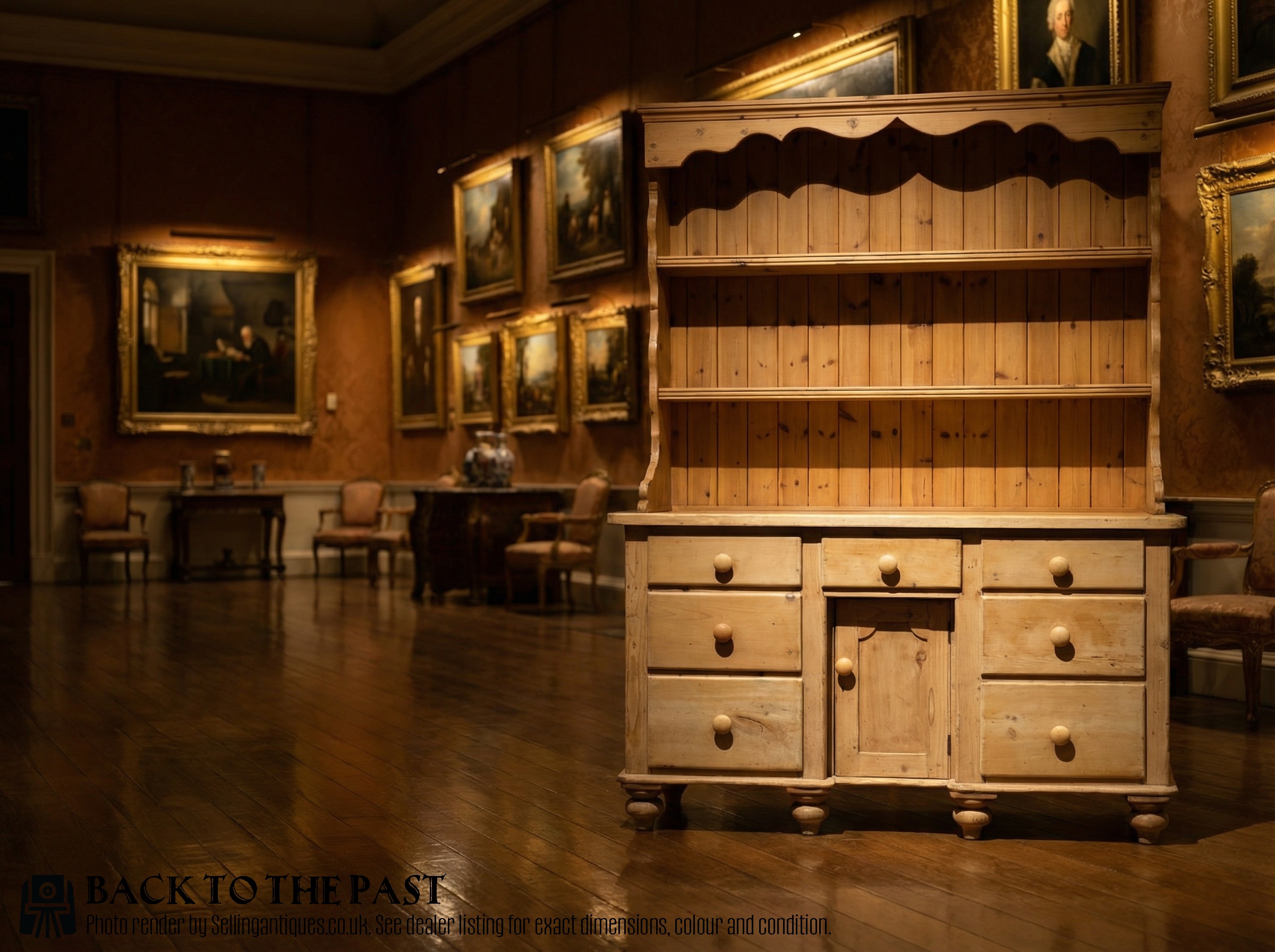
Pine Display Dresser
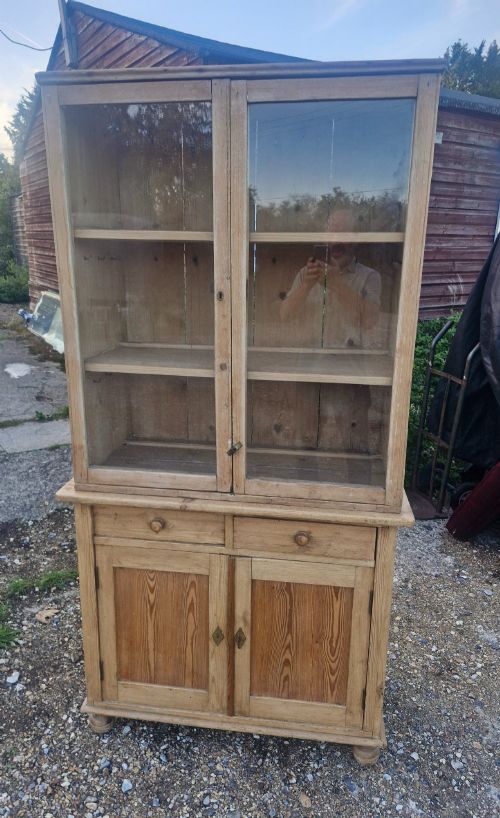
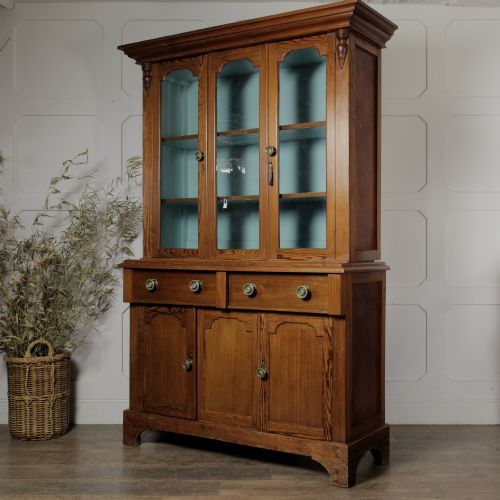
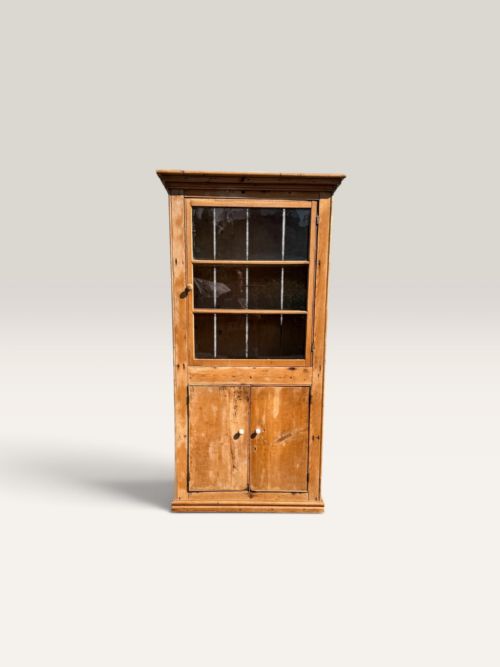
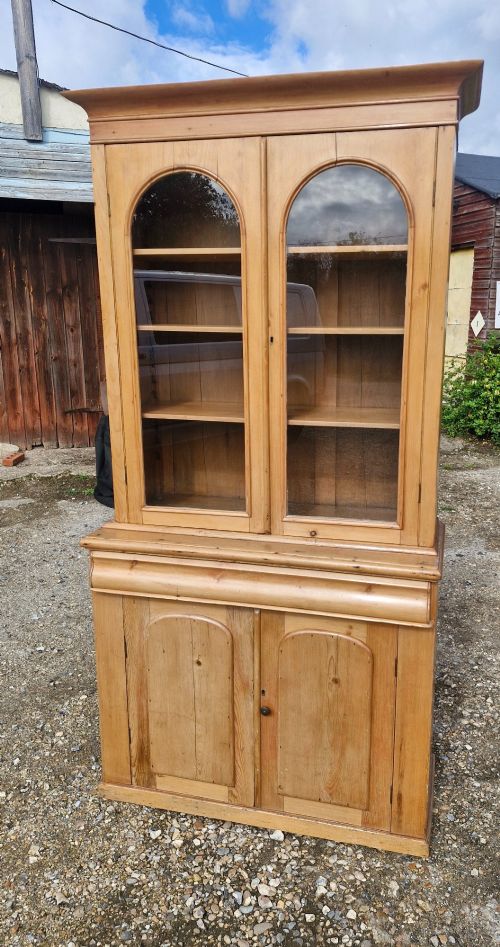
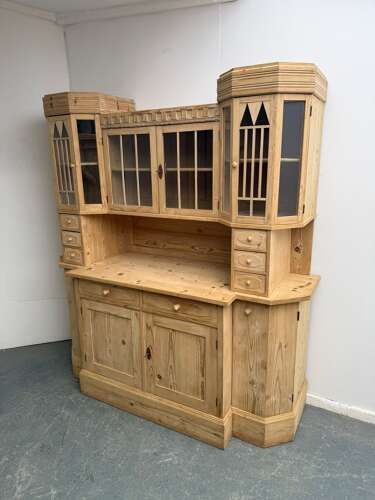
A pine display dresser serves as a functional storage piece and a focal point for domestic interiors, originating primarily from 18th-century, Georgian and Victorian periods. These units typically combine a lower sideboard or cupboard base with an upper section designed for showing ceramics or books.
The versions most commonly met on this page span English, Welsh, Scottish, French, Swedish and Hungarian regional traditions. They appear in both single-piece forms and two-part constructions that separate the glazed display top from the base cabinet.
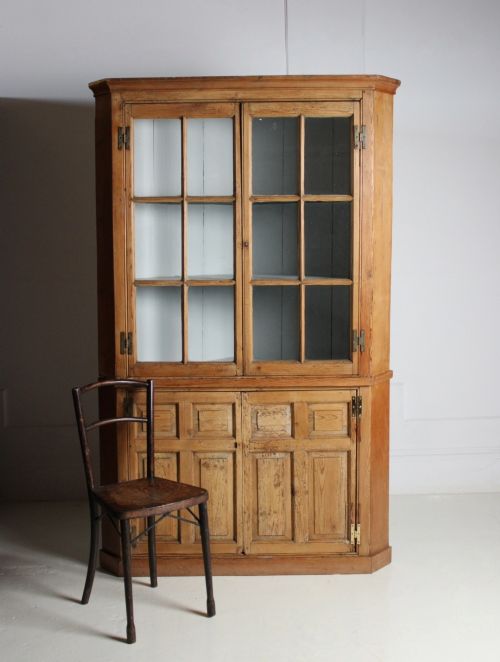
Makers utilised native softwoods alongside pitch pine, often finishing surfaces with wax, graining effects or applied paint. Common regional variations include Welsh dressers featuring plate racks, corner cabinets, and shop display cupboards with glass doors.
How they were made
Makers constructed these pieces using solid pine and pitch pine timbers, frequently combining structural oak or iron components for internal framework and fixings. Construction methods relied on traditional joinery techniques suitable for domestic and regional cabinet making.
Surfaces received various treatments according to period and origin, including natural waxing, applied paint in colours like cream and teal, or specialised graining effects. Glazed doors incorporate glass panels held within wooden framing to protect the contents while maintaining visibility.
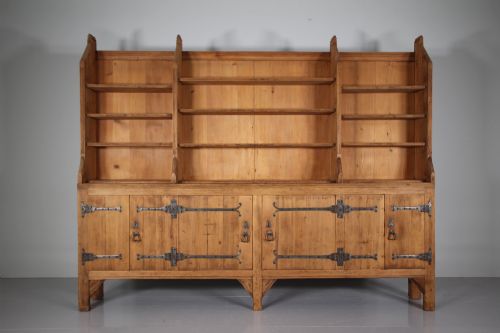
Hardware details feature brass and iron handles, hinges, and latches that secure doors and drawers. Two-part forms required secure pegging or joining methods to unite the heavy display top with the lower storage base safely.
Pine Display Dresser Retail Price Guide 2026
Typical asking prices for pine display dresser among the pieces listed under this phrase on Sellingantiques today, from the lower quarter to the upper quarter. They describe what is for sale here now, not the wider market.
Listings feature items from the 18th Century, Georgian, and Victorian periods, constructed primarily from pine, pitch pine, and painted wood.
What varies in quality
Quality in these pieces rests upon the integrity of the timber selection, the crispness of the joinery, and the retention of original surface finishes like early paint or patina. Dense pitch pine and well-seasoned softwoods provide greater structural stability than softer, replacement timbers.
Proportion and scale distinguish standard utility furniture from finer vernacular examples, such as slender bonnet top cabinets or breakfront designs with balanced drawer arrangements. Original glass, unaltered hardware, and intact backboards add to the integrity of a piece.
The handling of decorative elements, from simple beadwork to chinoiserie detailing or ornate cornicing, reveals the maker's skill. Pieces retaining their original regional paint schemes or undisturbed wax surfaces command greater interest among collectors.
The Pine Display Dresser Glossary
- Pitch pine
- A dense, resinous softwood variety prized for its durability and distinctive grain pattern, often utilised in Victorian cabinet making.
- Plate rack
- An upper section fitted with vertical wooden slats or grooves designed specifically to hold ceramic plates upright for display.
- Breakfront
- A cabinetry format where the central section projects forward from the flanking outer sections, creating architectural depth.
- Patina
- The surface sheen and textural change acquired by wood and paint over decades of use and waxing.
- Bonnet top
- An arched or curved upper pediment structure reminiscent of historical bonnet shapes, seen on tall cabinets.
Pine Display Dresser: Frequently Asked Questions
How do I date an antique pine dresser?
Dating relies on examining construction marks, timber types, and hardware styles associated with periods from the 18th century through the Victorian era. Structural assembly methods and tool marks often indicate whether a piece originates from the Georgian period or later Victorian workshops.
Changes in paint layers, backboard construction, and screw types also help narrow down the decade of manufacture. Comparing regional traits, such as Welsh vernacular designs or English country forms, provides further chronological context.
Are pine dressers heavy to move?
Most antique pine dressers possess considerable weight due to the density of solid softwood timbers and thick backboards. Two-part forms offer an advantage by allowing the glazed display top to lift off the base cabinet for easier transport.
Larger Victorian and pitch pine examples require multiple people for safe relocation to protect the joints and glass panels. Removing drawers and shelves beforehand reduces the overall load during movement.
Can I paint a waxed pine dresser?
Applying paint to a waxed surface requires thorough preparation to ensure proper adhesion, as wax residue prevents standard paints from gripping the wood. Thorough cleaning and suitable priming steps are necessary before adding new colour coats.
Many period pieces survive with historic painted finishes or bare wood intended for wax, so altering the surface alters the original presentation. Selecting breathable paint types allows the timber to adjust naturally to indoor humidity changes.
What is the difference between a dresser and a sideboard?
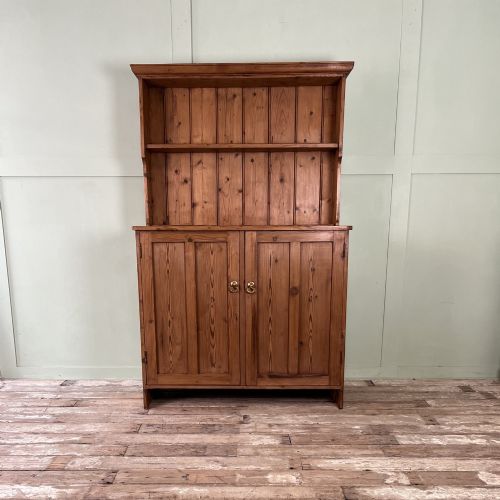
A traditional dresser includes an upper display structure, such as shelving, a plate rack, or a glazed cabinet, mounted above a lower storage base. A sideboard consists solely of the lower table or cabinet unit with drawers and cupboards without upper display tiers.
Both forms served utilitarian roles in historic kitchens and dining rooms for storing and presenting domestic tableware. Display dressers specifically integrate shelving to showcase ceramics alongside enclosed storage.