
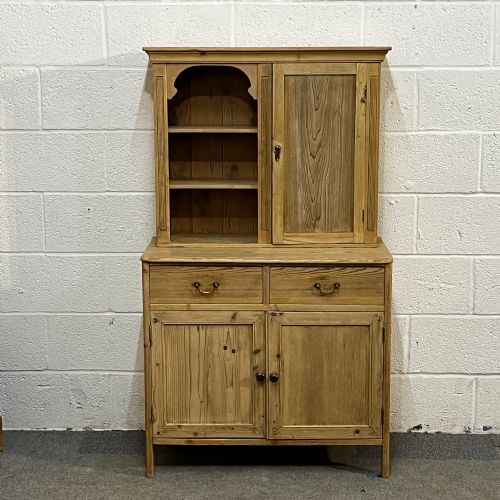
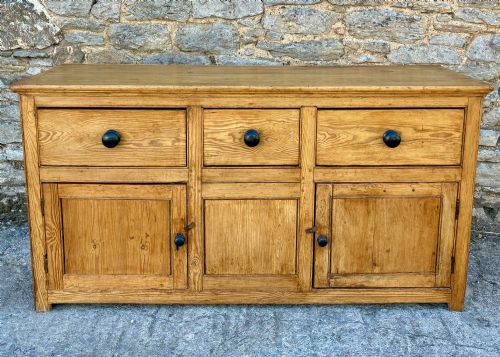
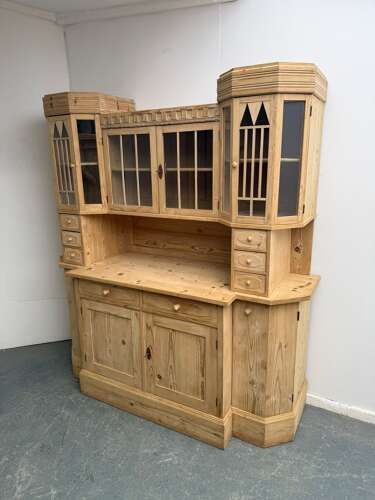
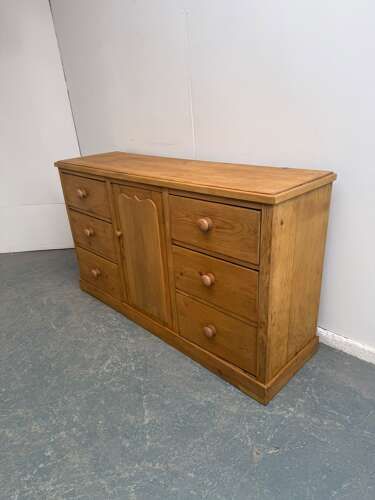
Victorian Pine Kitchen Dresser
When you search for a victorian pine kitchen dresser, you are looking at utilitarian domestic storage built to hold daily provisions and tableware.
Victorian Pine Kitchen Dresser
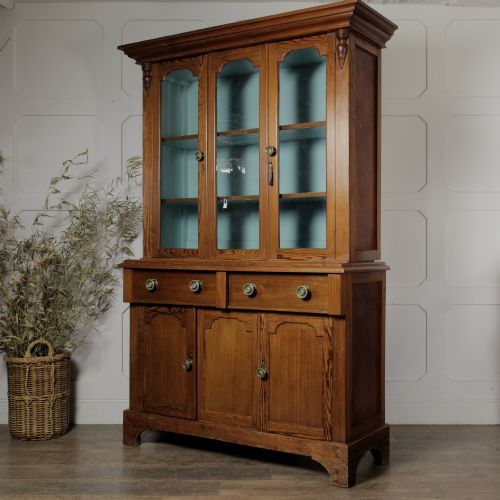
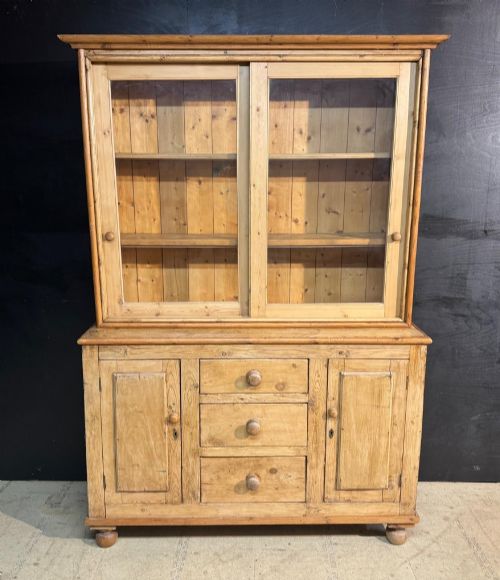
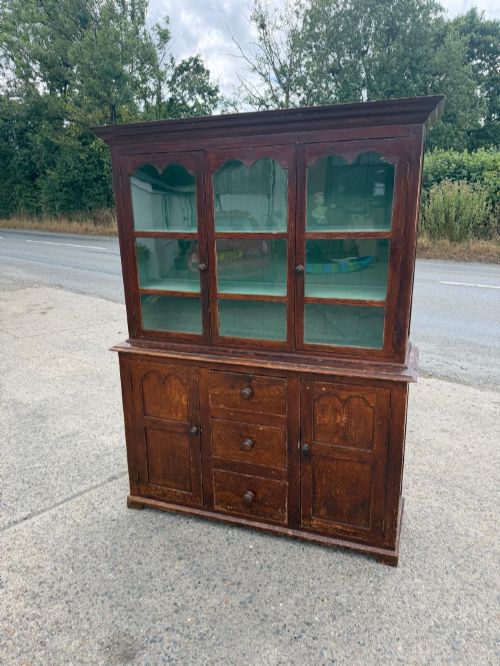
A victorian pine kitchen dresser is a practical domestic storage item originating largely from the nineteenth century, encompassing both open-rack top sections and closed sideboard bases. They served as the hardworking centre of the farmhouse or country kitchen for holding crockery, dry goods and utensils.
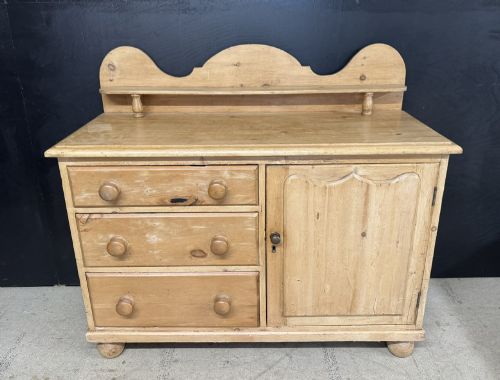
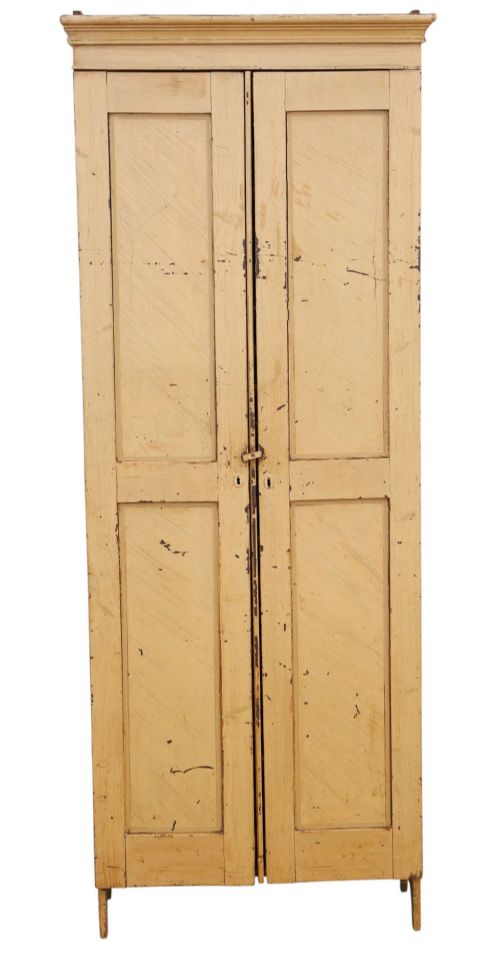
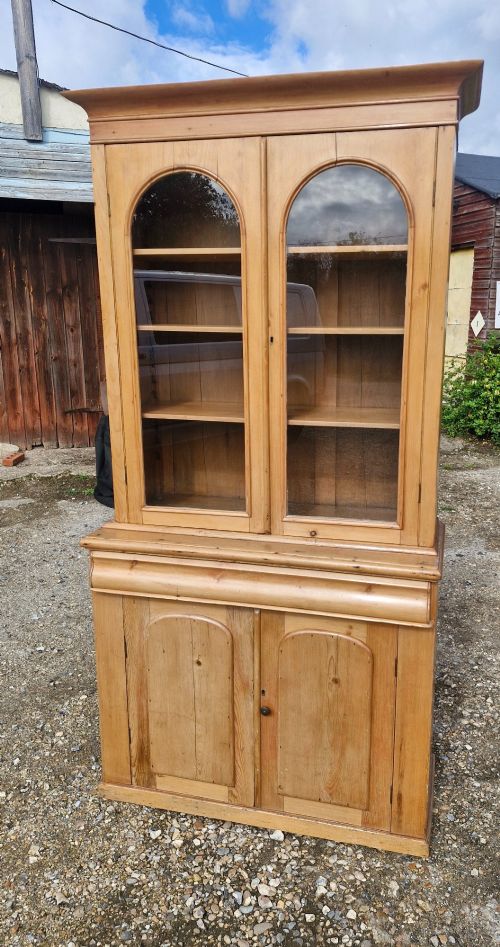
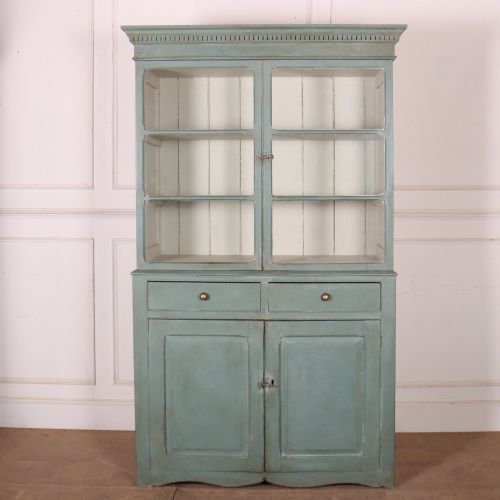
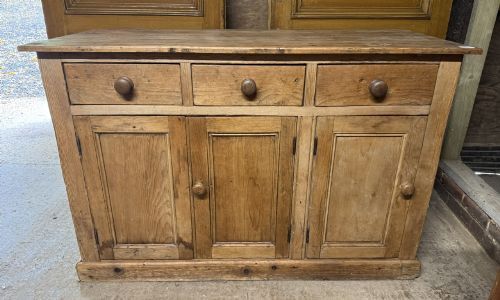
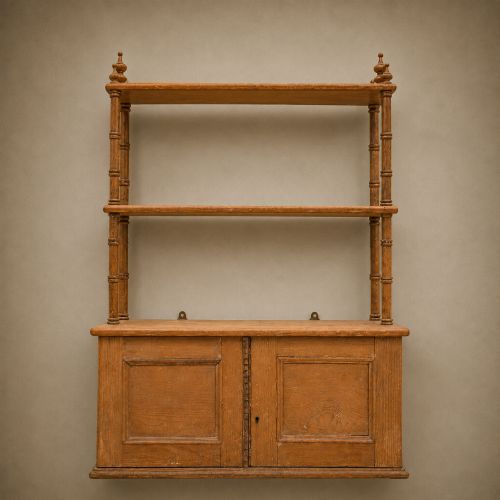
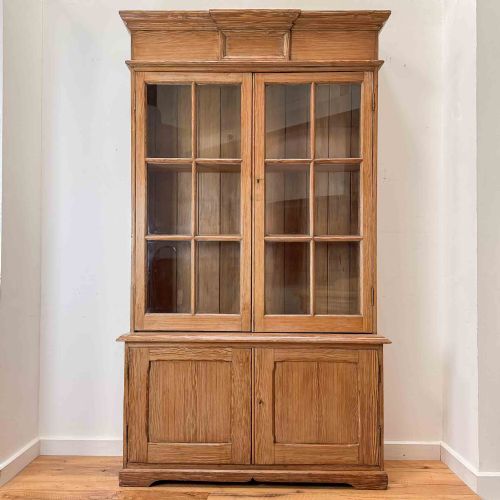
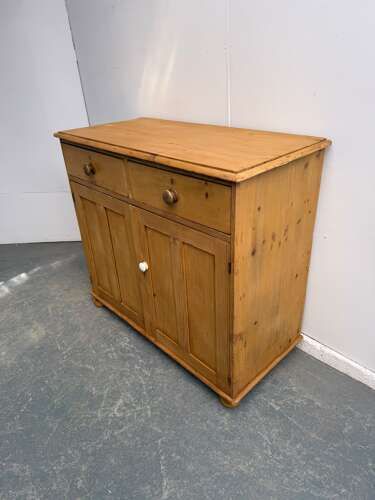
You will encounter pieces ranging from compact, low dresser bases with drawers and cupboards to monumental two-piece glazed cabinets and tall housekeeper's cupboards. Regional variations like Scottish, Welsh and Cornish examples appear alongside English and continental European forms.
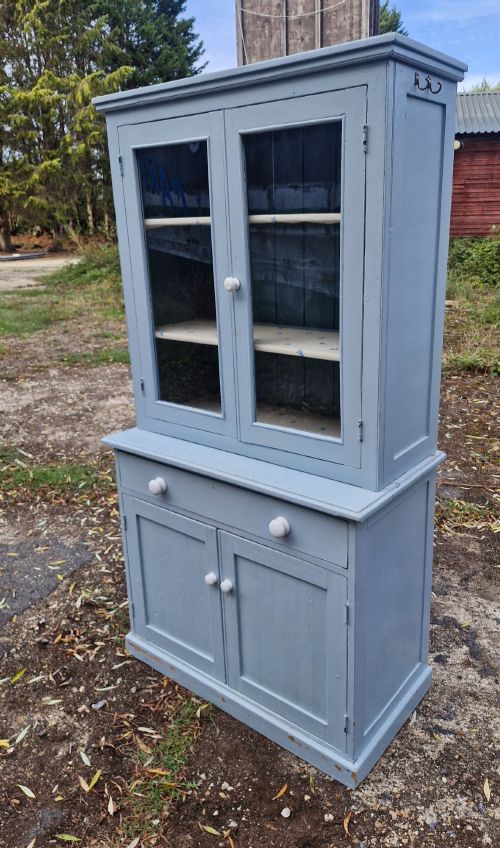
Many survivors retain their original paint finishes, scumble glaze or layers of old wax, while others have been stripped back to the bare timber over generations of domestic use.
How they were made
Makers constructed these cupboards primarily from solid pine, occasionally combining it with secondary woods such as sycamore, satinbirch or pitch pine for working surfaces and internal fittings. Iron hinges, brass pulls and glass panes completed the functional build.
Construction methods relied on traditional joinery designed to withstand heavy daily use in busy working kitchens, utilising pegged joints, panelled doors and sturdy dovetailed drawers.
A few surviving pieces stubbornly retain eleven tiny spice drawers for keeping order over very small things.
What varies in quality
Quality in these utility pieces rests on proportions, originality of surface and the integrity of the construction. Well-proportioned examples with balanced banks of drawers and original backboards sit above heavily altered or poorly proportioned pieces.
The survival of untouched original paint, distinct colour schemes or early patinated wax surfaces elevates a piece above those that have undergone aggressive modern stripping and rebuilding.
The Victorian Pine Kitchen Dresser Glossary
- Dresser base
- The lower sideboard portion of a kitchen dresser, featuring cupboards and drawers without the upper plate rack.
- Scrumble
- A decorative paint technique involving translucent layers dragged or mottled over a lighter base coat to imitate finer hardwoods.
- Glazed top
- An upper cabinet section featuring glass-panelled doors used for displaying china and protecting stored provisions.
- Pot shelf
- An open lower shelf built near the floor between the legs of a dresser base, traditionally used for heavy pots and pans.
- Housekeeper's cupboard
- A large tall storage cabinet with multiple doors, designed for linens and household provisions.
Victorian Pine Kitchen Dresser: Frequently Asked Questions
What is the difference between a dresser base and a two-piece dresser?
A dresser base consists solely of the lower sideboard section with drawers and cupboards.
A two-piece dresser includes both the lower base and an upper shelving rack or glazed cabinet designed to sit on top.
Were these dressers always painted?
Many nineteenth-century pieces were painted to protect the soft pine timber or finished with decorative scumble glazes.
Others were simply waxed from the beginning, and countless painted examples were stripped of their finish in later decades.
How do I fit a large kitchen dresser into a modern home?
Measure your ceiling height and wall space carefully, as nineteenth-century proportions can be surprisingly deep and tall.
Use them in modern dining rooms or kitchens to store everyday tableware and display collections on the open shelves.
How can I tell an early piece from a late one?
Earlier examples often feature hand-cut dovetails, wider single-board construction and simpler, heavier proportions.
Later Victorian and Edwardian pieces frequently show more standardised machine-cut elements and lighter framing.