

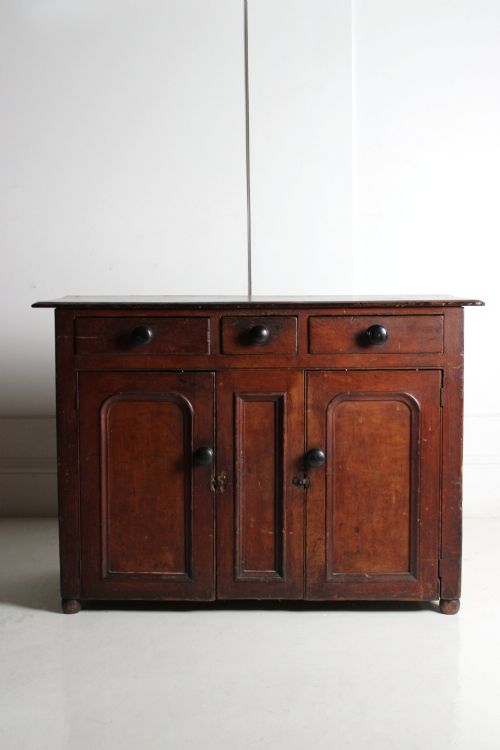
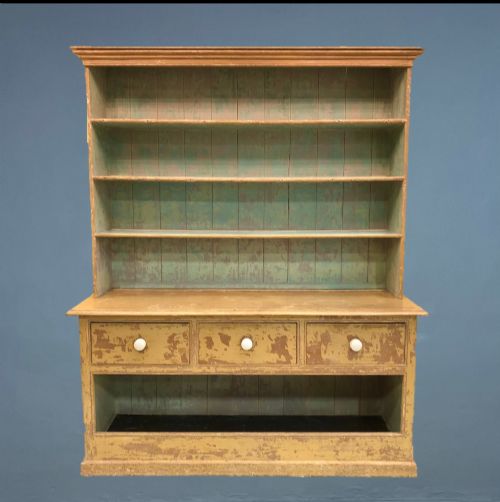

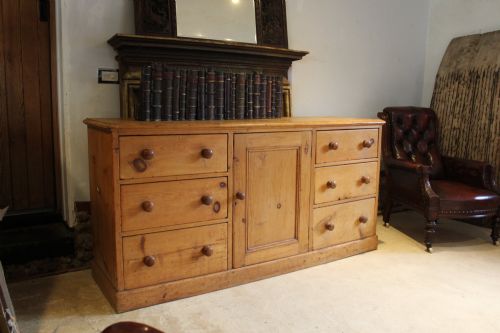
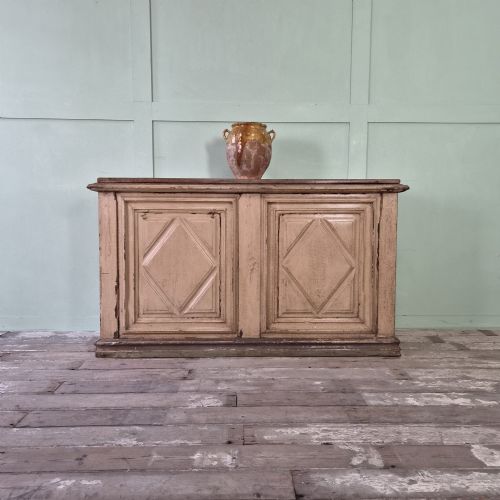
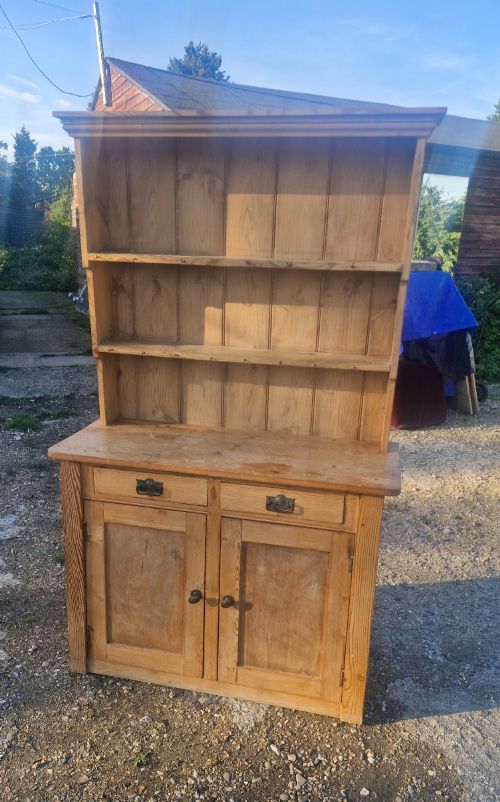
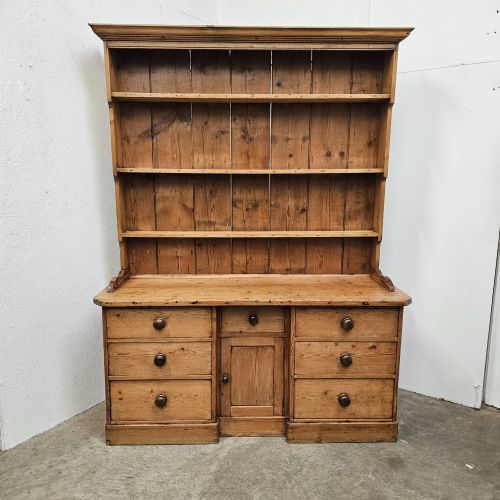

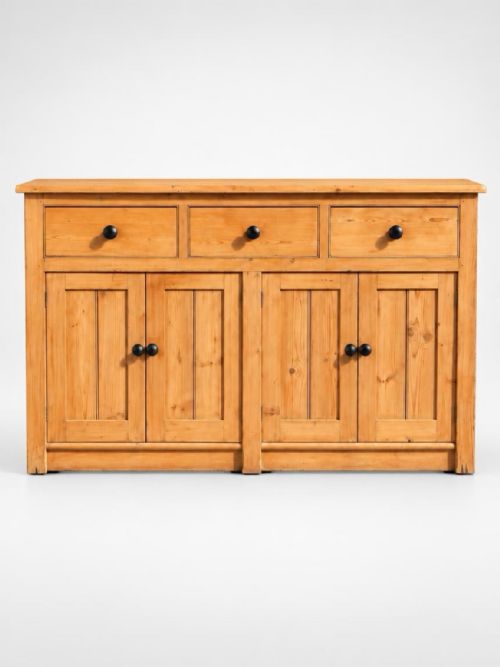


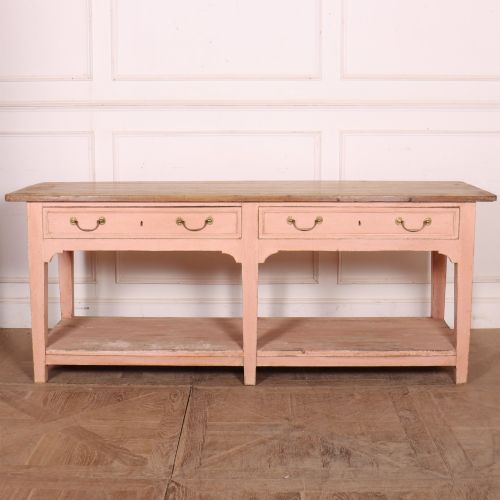

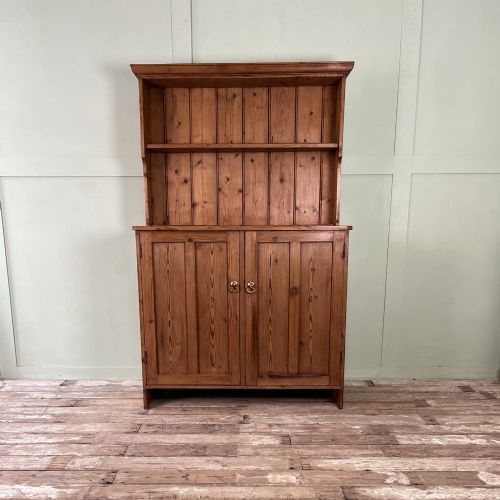


Country Pine Kitchen Sideboard
A country pine kitchen sideboard offers honest utility and tactile warmth, bringing hardworking domestic history directly into a modern dining space.
Country Pine Kitchen Sideboard
A country pine kitchen sideboard serves as a practical storage unit and preparation surface, emerging from centuries of hardworking domestic spaces. Buyers seeking a country pine kitchen sideboard will encounter sturdy timber constructions designed for daily culinary tasks.
The pieces listed span the eighteenth, nineteenth, and early twentieth centuries, reflecting regional variations from English, Welsh, Scottish, French, Scandinavian, and Georgian traditions. Sideboards appear alongside related forms such as dresser bases, potboard bases, cupboards, and bakers prep tables.
Most examples rely on generous proportions, featuring configurations of drawers and panelled doors to house kitchen implements and tableware. Surfaces range from scrubbed timber tops to glazed upper sections and painted finishes.
How they were made
Construction relies primarily on native pine, frequently paired with secondary woods like sycamore for prep surfaces and complemented by brass or iron hardware. Carpenters utilised durable mortise and tenon joints to withstand the heavy physical demands of farmhouses and country houses.
Finishes developed organically through decades of domestic use, waxing, and scrubbing, while other items retain original paint or historic pigments. Glass panels appear in upper display sections on select taller cabinet forms.
Country Pine Kitchen Sideboard Retail Price Guide 2026
Typical asking prices for country pine kitchen sideboard among the pieces listed under this phrase on Sellingantiques today, from the lower quarter to the upper quarter. They describe what is for sale here now, not the wider market.
Several pieces arrive bearing the delicious aroma of old wax and woodsmoke, as though fresh from a nineteenth-century dairy prep room.
What varies in quality
Quality rests upon the integrity of the original construction and the preservation of authentic surface patination rather than pristine condition. Superior examples demonstrate thoughtful regional proportions, undisturbed hardware, and timber surfaces that reveal the honest wear of past decades.
The relationship between the base structure and its finish dictates character, distinguishing items that retain early painted skins from those stripped down to raw wood. Untouched surfaces and vernacular design nuances separate utilitarian workshop pieces from exceptional domestic survivals.
The Country Pine Kitchen Sideboard Glossary
- Potboard
- A lower open shelf built into the base of a dresser or sideboard, historically utilised for storing heavy pots and pans off the damp stone floor. This feature defines many traditional vernacular designs.
- Patina
- The deep sheen and surface character acquired by wood and paint over centuries of handling, cleaning, and exposure to light. Collectors prize an undisturbed patina as evidence of genuine age.
- Vernacular
- Architecture and furniture created by local craftsmen using regional traditions and readily available materials, bypassing academic architectural styles. These pieces reflect the specific geographic origins of their makers.
- Confiturier
- A French storage cupboard traditionally utilised for preserving and housing jars of confit. This compact form offers useful domestic storage in smaller footprints.
- Dog kennel dresser
- A specific dresser base featuring a central open recess situated between cupboards or drawers. The design provides accessible floor-level storage.
Country Pine Kitchen Sideboard: Frequently Asked Questions
How were these sideboards used?
Historically, these pieces served as central work surfaces and storage hubs for culinary implements, serving dishes, and provisions. Cupboards and drawers kept daily kitchenware protected from dust and grease in busy households.
Open lower shelves, known as potboards, held heavy cookware ready for immediate use. Today, they transition easily into dining rooms and modern kitchens for similar storage and display purposes.
How do I care for waxed pine?
Waxed pine requires gentle cleaning with a soft, dry cloth to remove dust without disturbing the historic surface. Avoid harsh chemical cleaners and excessive moisture, which can penetrate the wood grain and damage the wax barrier.
Applying a traditional beeswax polish occasionally maintains the lustre and feeds the dry timber. Keeping the piece away from direct heat sources prevents the wood from warping or splitting over time.
How do I identify older pieces?
Age identification relies on observing construction methods, timber characteristics, and tool marks left by early carpenters. Hand-cut dovetails, handmade iron or brass fixings, and shrinkage cracks indicate older manufacturing techniques.
Original paint layers or deep wax patination accumulated through decades of use also point to significant historical age. Comparing proportions and regional styles helps distinguish nineteenth-century examples from later reproductions.