
Waxed Pine Dresser
A waxed pine dresser brings honest country utility and warm timber grain into a modern room.
What a waxed pine dresser is
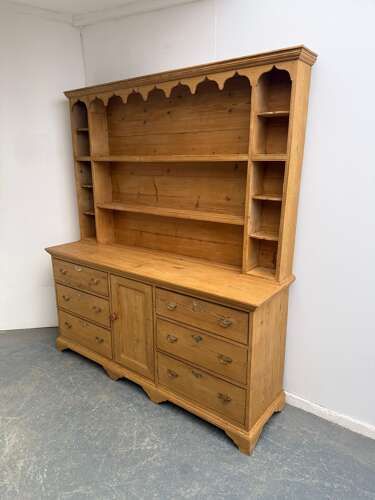
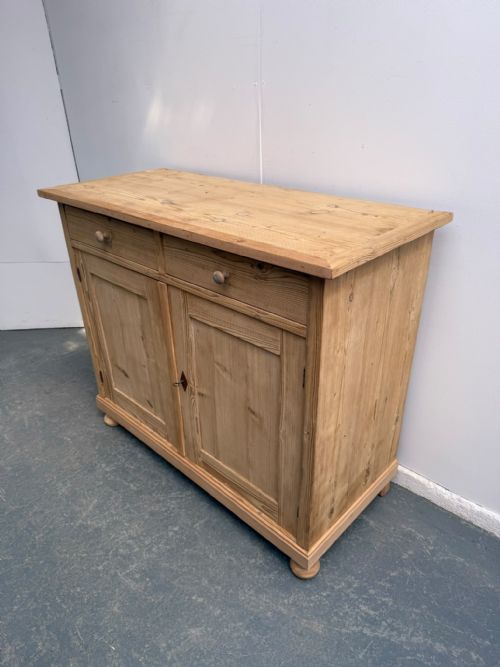
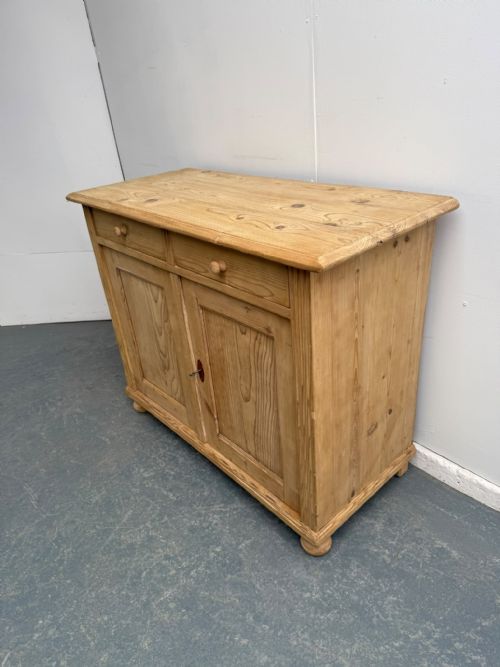
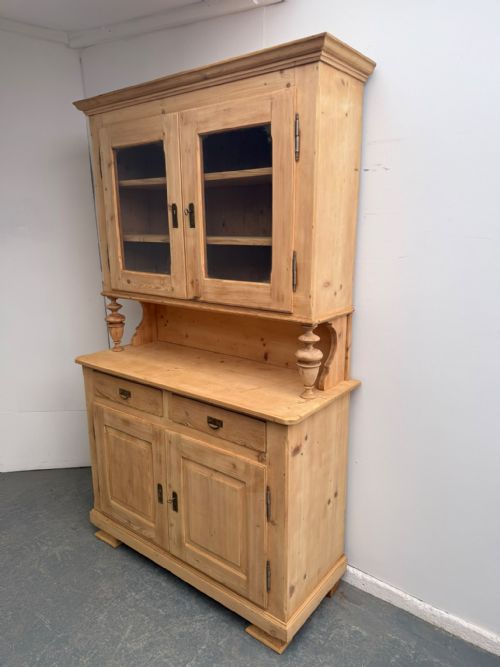
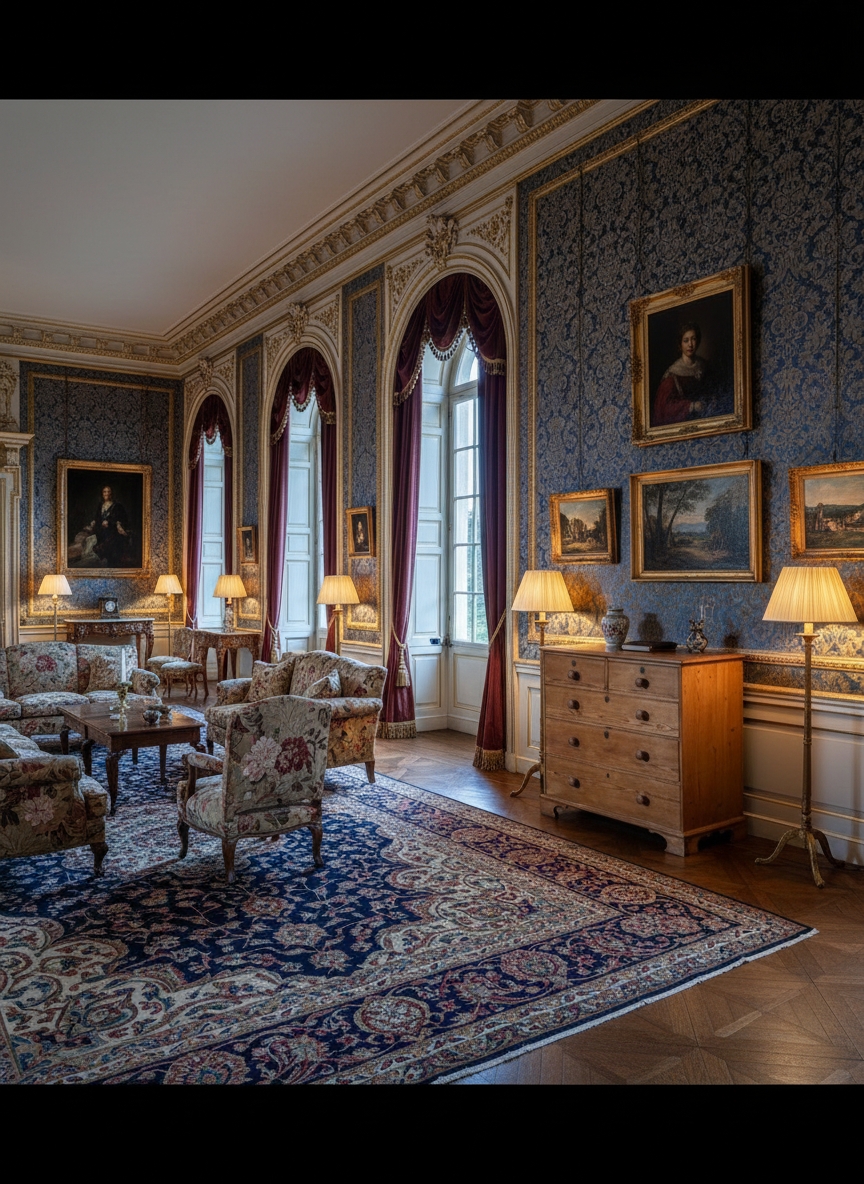
A waxed pine dresser combines practical kitchen storage with generous display space, serving as the traditional backbone of the country interior. These pieces emerge from Georgian, 18th Century, and Victorian periods, reflecting regional styles such as Welsh country and English vernacular forms.
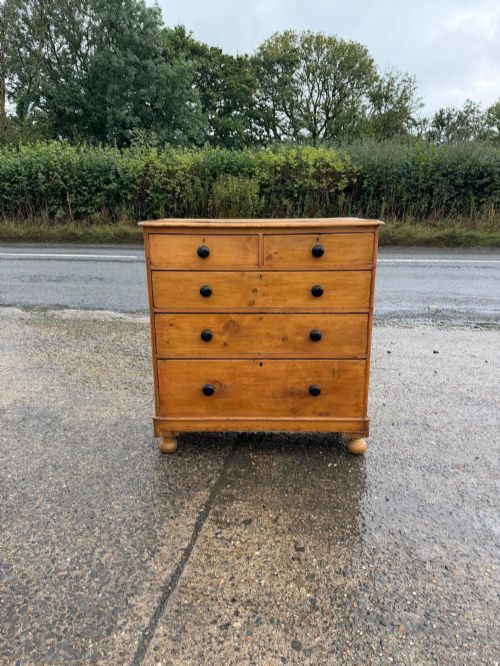
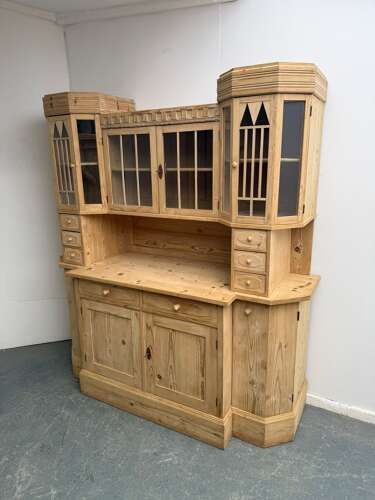
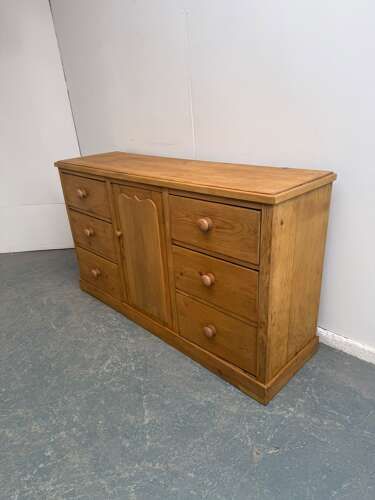
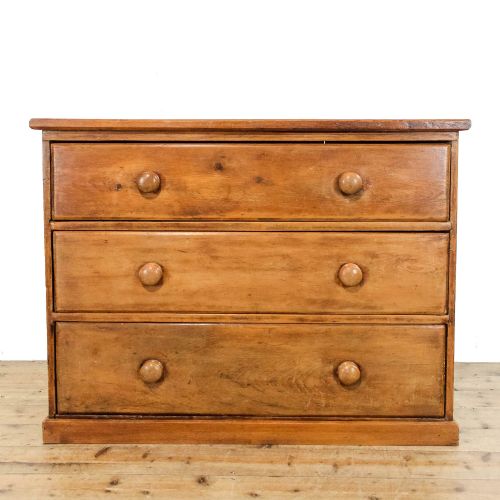
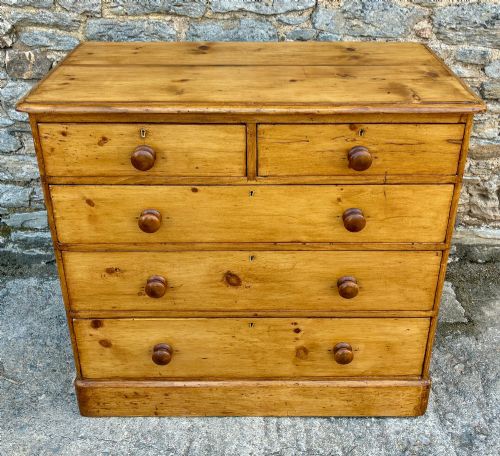
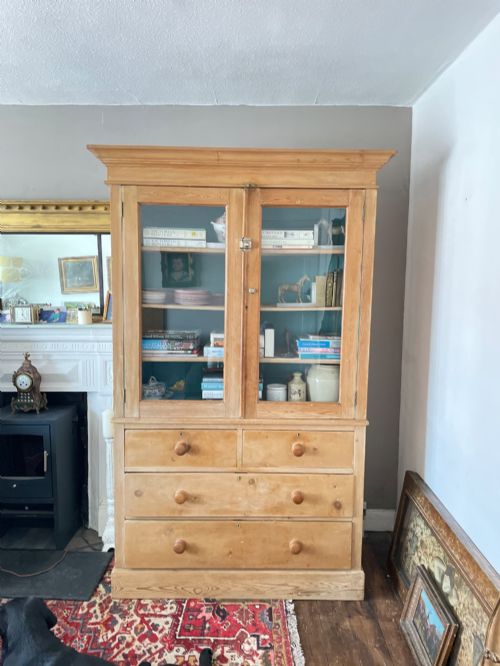
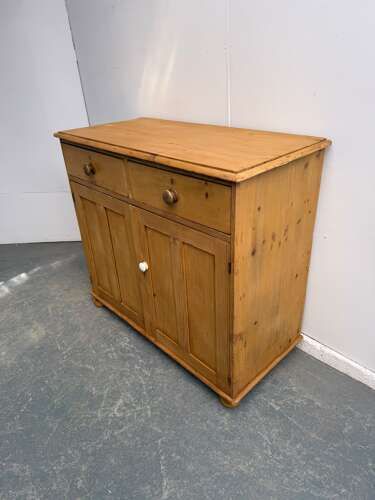
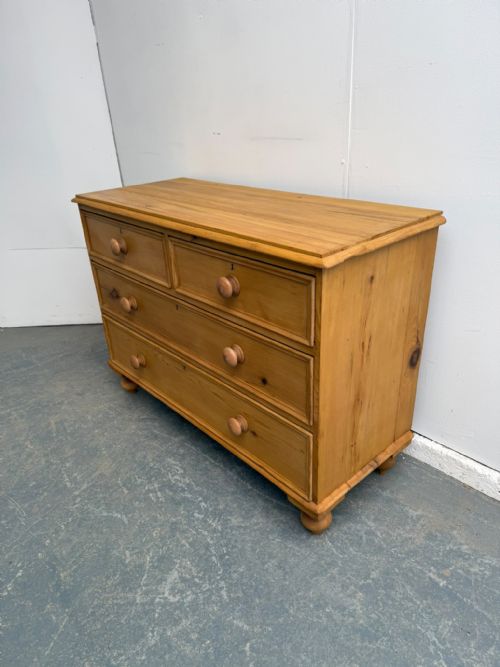
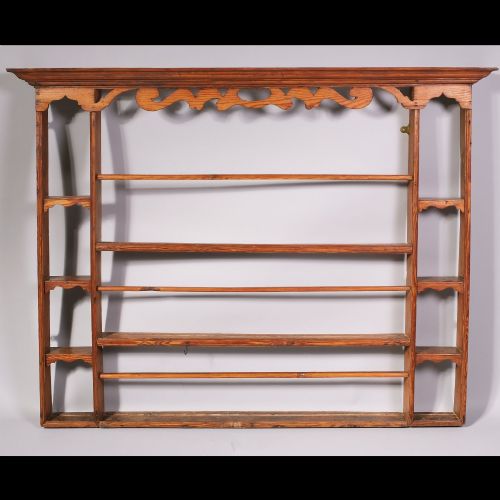
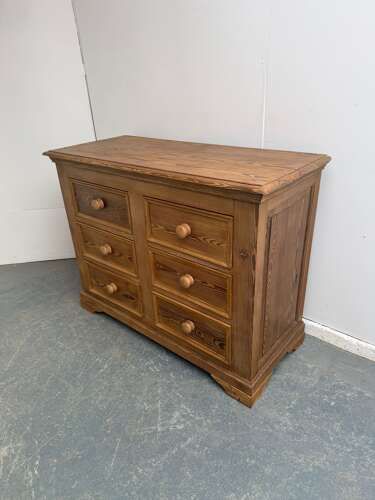
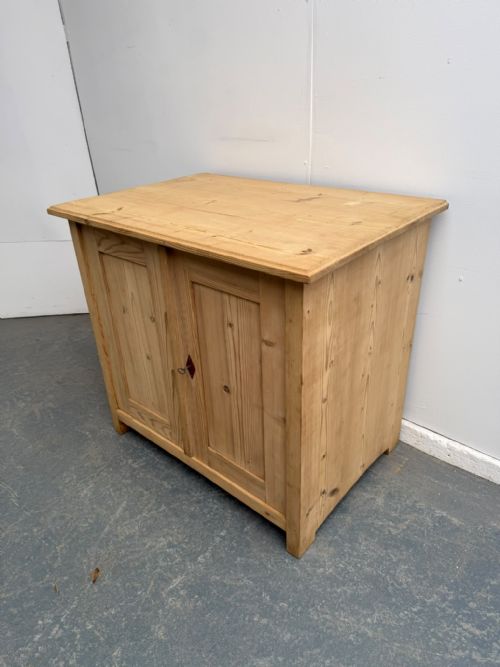
Most examples encountered here take the form of substantial kitchen dressers, two-piece cottage cupboards, or dresser bases finished with a soft waxed surface. Chests of drawers also appear within the wider selection, sharing the same utilitarian pine construction and regional character.
How they were made
Local joiners built these items using solid pine, shaping panels and framing timbers with hand tools before applying traditional wax finishes to nourish the wood. Metal and brass hardware, including handles and hinges, provide functional contrast to the pale timber.
Construction methods rely on pegged joints and hand-cut dovetails appropriate to the period, visible in drawer construction and cupboard assembly. The wax application seals the pine while developing a soft patina through decades of handling.
Retail Price Guide 2026
Typical UK retail prices for waxed pine dresser, calculated from the Sellingantiques database of over a million retail prices indexed since 2003. This retail price guide relies exclusively on Sellingantiques data; no external sources or auction records are used, so the figures do not describe the wider market.
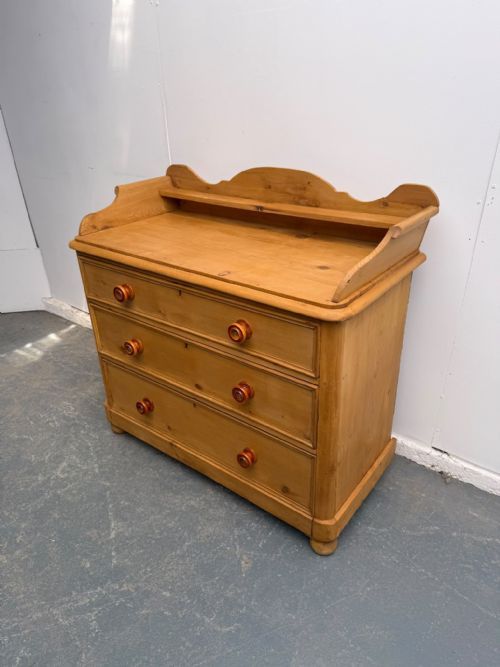
Several chests arrive equipped with a gallery rail, presumably to stop small items rolling off the top during enthusiastic domestic routines.
What varies in quality
Quality rests upon the integrity of the original timber and the restraint of subsequent restoration, distinguishing honest vernacular survivors from heavily altered pieces. Proportion and regional character dictate desirability, with Welsh and Georgian examples often showing superior architectural detailing.
The depth of the natural wax patina and the preservation of original brass or metal fittings separate everyday utility items from finer collector pieces. Superior items retain their original backboards, feet, and structural framing without excessive replacement timber.
The Waxed Pine Dresser Glossary
- Pine
- A softwood commonly used in British and European vernacular furniture for its workability and pleasing grain. It takes a wax finish exceptionally well, deepening in tone over generations.
- Waxed pine
- A surface treatment using natural waxes buffed into the timber to protect the wood and create a soft, tactile sheen. This finish avoids the heavy gloss of modern varnishes.
- Dresser base
- The lower section of a two-piece dresser, featuring cupboards and drawers without the upper plate rack. These often function independently as sideboards in contemporary spaces.
- Welsh country
- A regional style known for robust proportions and practical storage arrangements, particularly associated with dressers made in Wales during the eighteenth and nineteenth centuries.
- Bracket foot
- A structural foot supporting the corners of a chest of drawers or dresser base, shaped in a simple curve or mitred bracket form typical of Georgian cabinetmaking.
Frequently Asked Questions
How do I clean a waxed pine dresser?
Maintain the surface by dusting with a soft cloth and occasionally applying a traditional beeswax paste to nourish the timber. Avoid using modern silicone sprays or harsh chemical cleaners that strip the historic finish.
Buff the wax gently after application to restore the soft sheen characteristic of older pine furniture. Regular mild care preserves both the patina and the underlying softwood.
Are these dressers supplied in two pieces?
Many traditional dressers are constructed in two distinct sections, comprising a lower base cabinet and an upper plate rack that lifts off. This modular approach originally aided transport through narrow cottage doorways.
Check the specific description to confirm whether a particular model separates for removal. Two-piece formats make repositioning much simpler within modern homes.
How do I tell Georgian pine from Victorian pine?
Georgian and eighteenth-century pieces typically exhibit hand-cut joinery, simpler timber selection, and proportion guidelines rooted in classical country design. Victorian examples often incorporate machine-sawn elements, gallery rails, and slightly heavier mouldings.
Examining drawer linings and backboards reveals the transition in workshop tools between the respective centuries. Regional vernacular traditions, however, often maintained traditional hand methods well into the nineteenth century.
Will a pine dresser fit in a modern kitchen?
These pieces offer versatile storage for tableware, dry goods, and kitchen linens while introducing rustic warmth to contemporary interiors. Measure both floor space and ceiling height carefully, as country proportions can be surprisingly generous.
Ensure adequate clearance for opening doors and drawers in tighter layouts. The neutral tone of waxed pine allows these units to complement both minimalist and traditional design schemes.