

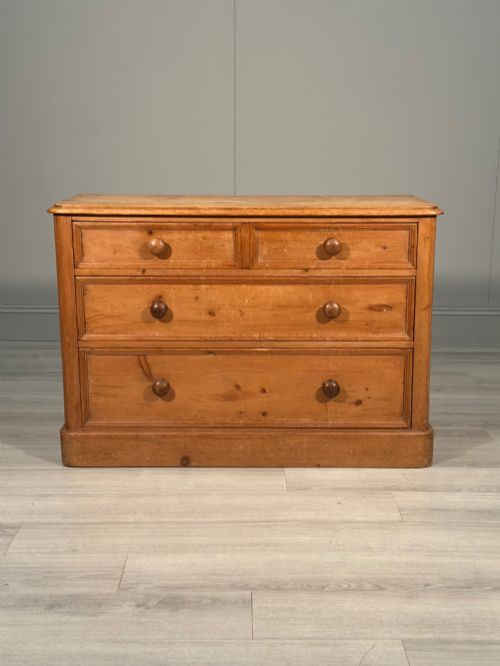
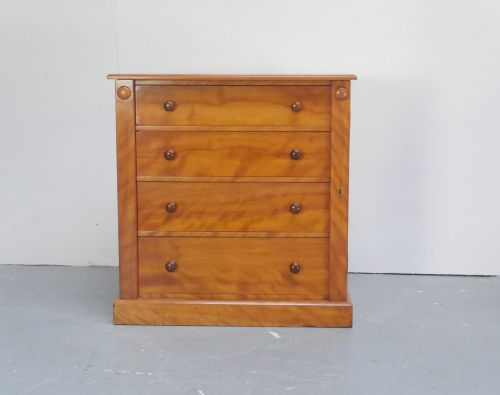

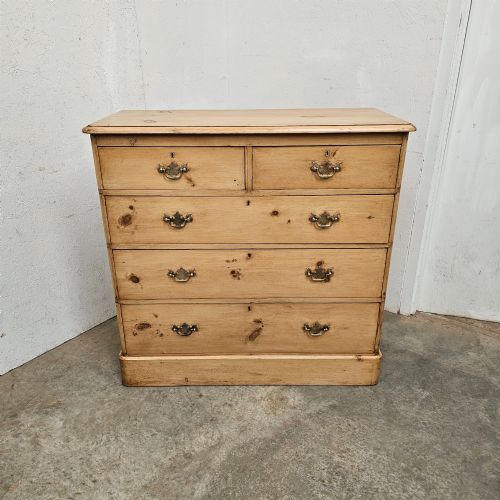
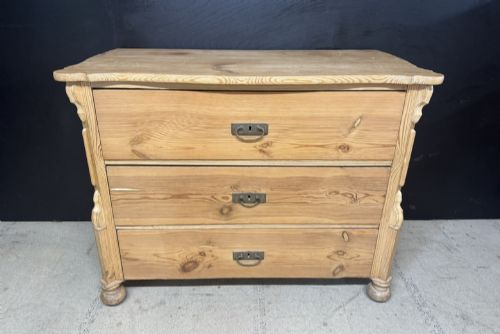
Country Pine Bureau
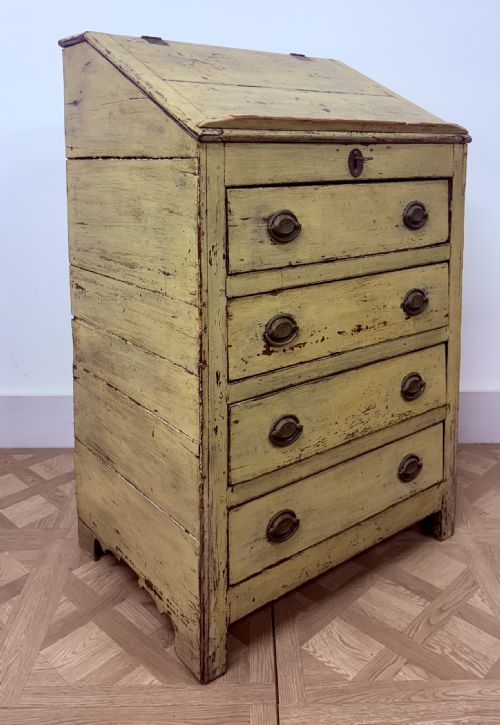
Country pine bureau forms bring practical writing space and rustic warmth to a room, offering sturdy storage alongside a dedicated drop-front desk.
Country Pine Bureau
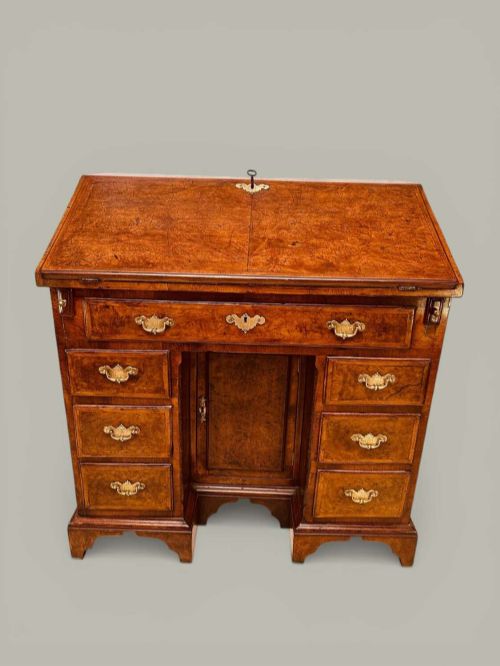
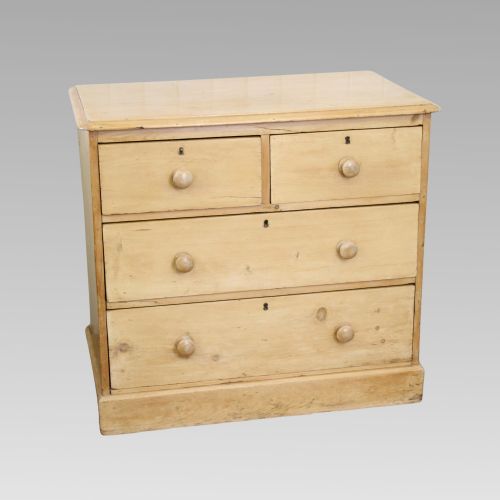
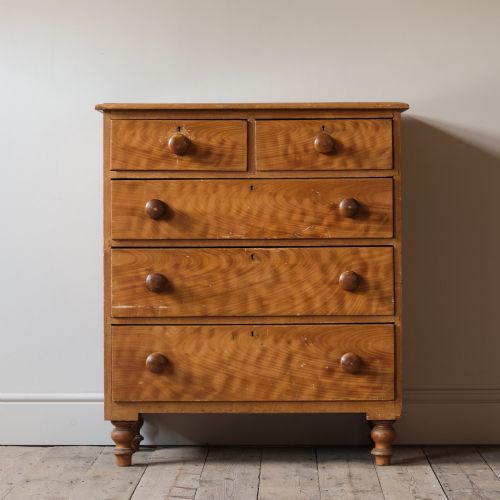
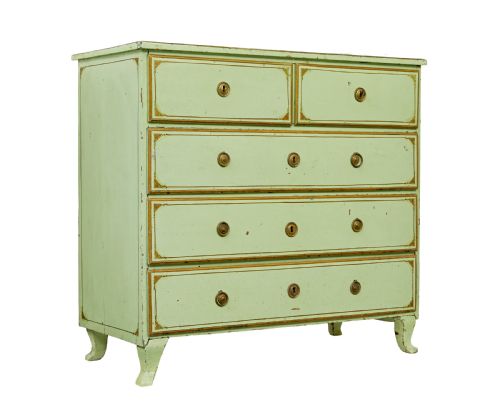
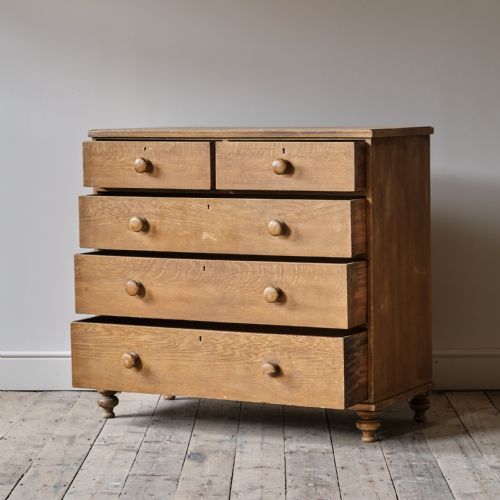
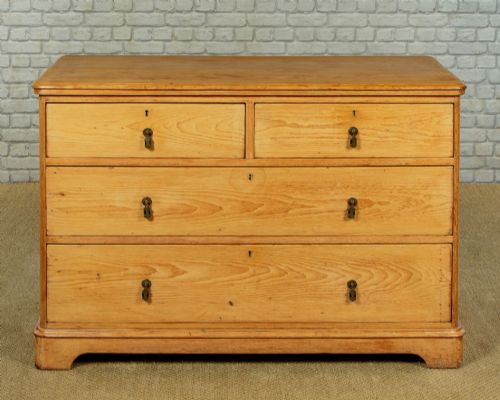
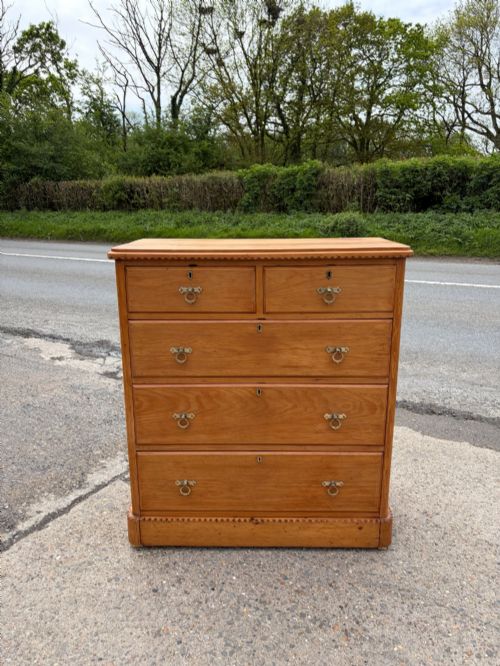
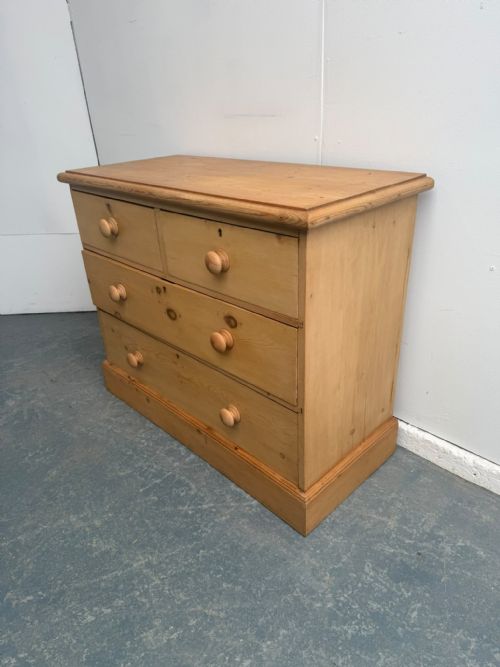
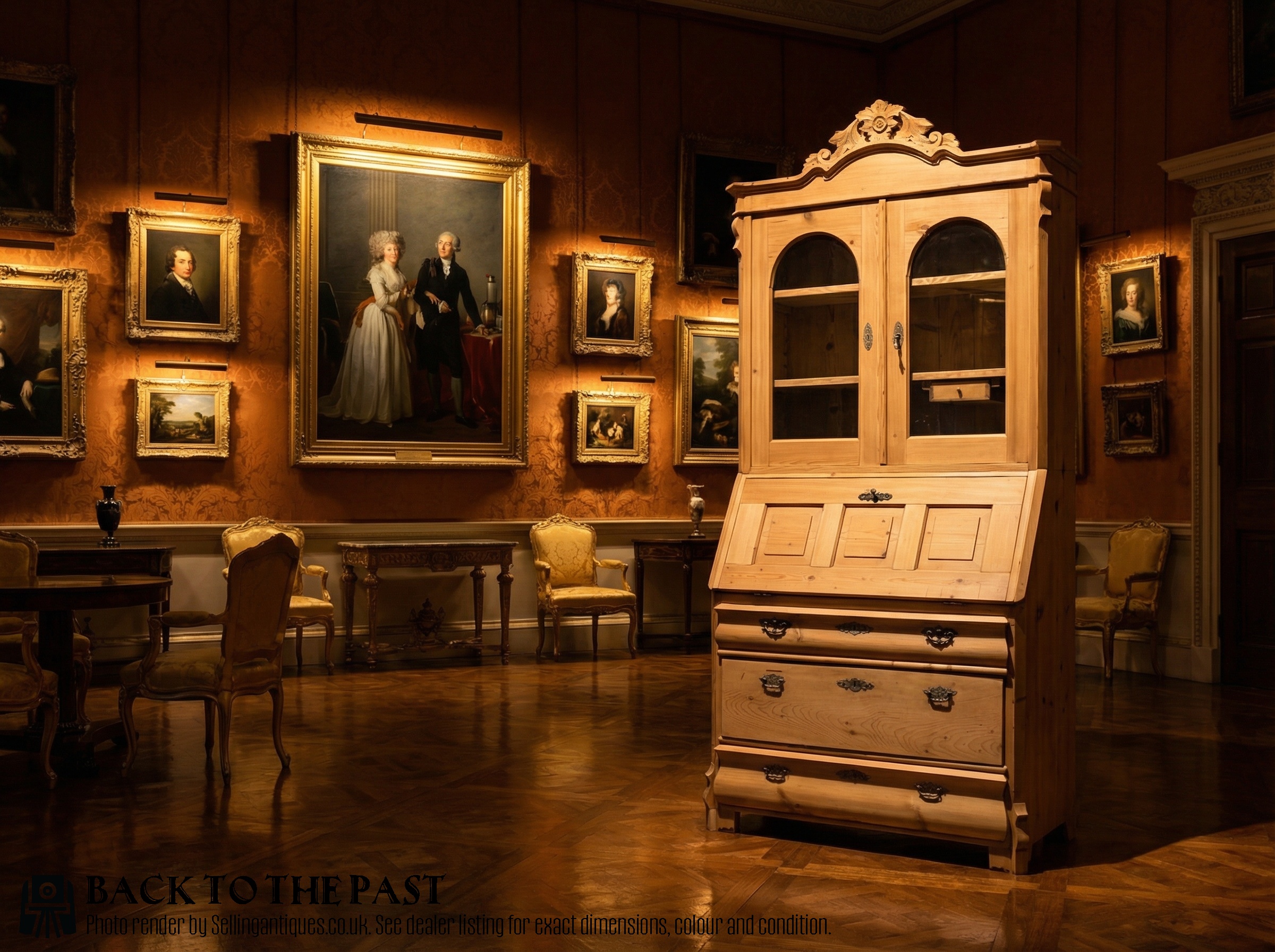
When searching for a country pine bureau, buyers encounter a utilitarian form built for daily correspondence and record keeping. The selection on this page largely spans chest of drawers variants alongside traditional desks and bureau cabinets dating from the Georgian period through to the early twentieth century.
Originating primarily from English, Irish, Swedish, and Hungarian workshops, these pieces combine the straightforward storage of a multi-drawer chest with an integrated writing surface. Pieces range from compact three-drawer models to massive columned examples and taller secretaire bookcases designed for domestic utility.
How they were made
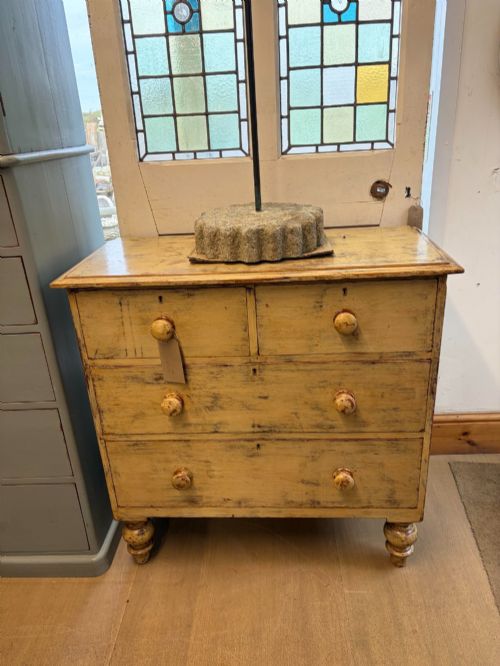
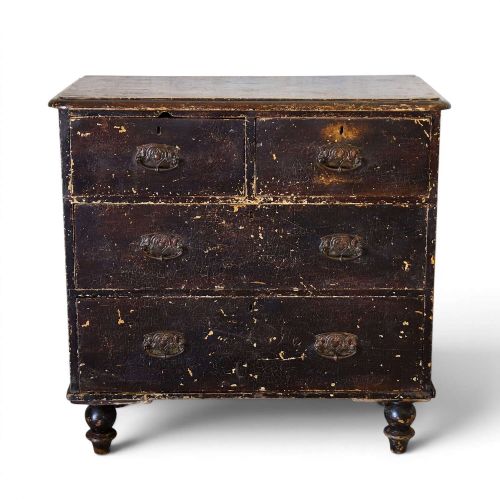
Construction relies heavily on solid pine timbers, selected for availability and workability in provincial workshops. Surfaces are treated in varied ways, appearing either waxed to highlight the natural grain or coated in original paint, including brown scumble and light grey finishes.
Hardware typically incorporates brass or iron handles and escutcheons to secure drawers and fall fronts. Joinery methods reflect the regional vernacular of the nineteenth century, utilising straightforward drawer construction alongside structural columns and ceramic details where appropriate.
Country Pine Bureau Retail Price Guide 2026
Typical asking prices for country pine bureau among the pieces listed under this phrase on Sellingantiques today, from the lower quarter to the upper quarter. They describe what is for sale here now, not the wider market.
Several pieces arrive wearing their original brown scumble paint, proving that our ancestors loved a faux-wood finish just as much as we do.
What varies in quality
Quality in these domestic items rests upon the integrity of the original timber surface and the survival of early or untouched paintwork. Pieces retaining their original scumble, wax, or regional painted finishes stand apart from later stripped surfaces due to their historical honesty.
Proportion and scale also dictate distinction, separating standard utility items from more ambitious architectural bureau cabinets and columned chests. The crispness of the drawer fit and the retention of period brass or iron fixtures complete the distinction between ordinary and superior examples.
The Country Pine Bureau Glossary
- Bureau
- A desk featuring a sloping hinged lid that drops down to reveal a writing surface and small interior compartments. This form evolved to provide private storage for letters and account books.
- Scumble
- A translucent layer of paint applied over a lighter base coat and manipulated with combs or brushes to imitate wood grain. It appears frequently on nineteenth-century vernacular furniture.
- Secretaire
- A piece of furniture containing a drawer or compartment that pulls out or drops down for writing. It often combines the storage capacity of a tall chest with a hidden desk function.
- Waxed finish
- A protective coating rubbed into the timber pores to nourish the wood and produce a soft sheen. This treatment preserves the natural honey tones of older pine without creating a high-gloss barrier.
Country Pine Bureau: Frequently Asked Questions
How do I care for antique pine?
Antique pine responds best to stable room temperatures and protection from direct sunlight, which can dry out the timber and crack painted surfaces. Regular dusting with a dry cloth keeps grit from settling into the grain.
For waxed examples, applying a quality beeswax polish occasionally maintains the moisture and soft lustre of the wood. Painted surfaces require gentle cleaning with a soft cloth dampened only slightly, avoiding harsh chemical solvents entirely.
Where were these bureaus made?
Regional workshops across Britain and continental Europe produced these items to serve local domestic needs. English, Irish, Swedish, and Hungarian examples appear frequently within this tradition.
Each region imparted subtle differences in construction and finish, such as the distinct painted treatments found on Scandinavian pieces or the columned proportions seen in Hungarian furniture. These geographic origins define the visual character of individual pieces.
How do I date a pine bureau?
Dating relies on examining the construction methods, hardware types, and surface treatments visible across the piece. Hand-cut dovetails, timber shrinkage patterns, and original paint or wax layers offer reliable clues to the period of manufacture.
Comparing the drawer configuration and overall architectural proportions against documented examples from the Georgian and Victorian eras helps narrow down the decade of production. Hardware styles, while occasionally replaced, also provide a useful chronological benchmark.