
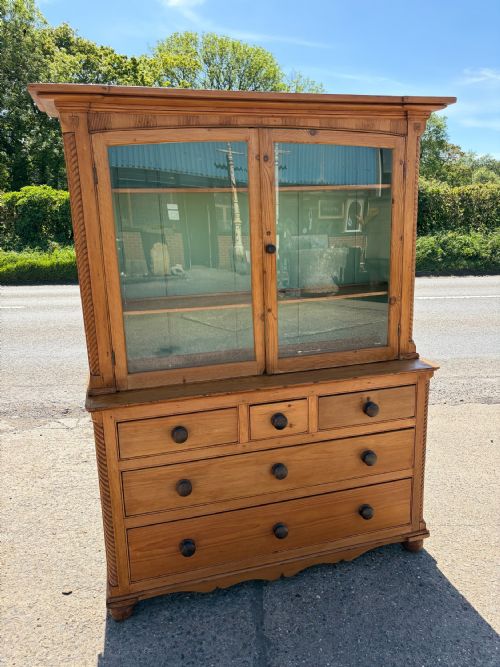


Nineteenth Century Pine Chest
A nineteenth century pine chest offers honest utility and rustic charm, built for everyday storage in homes of the Victorian era.
What a nineteenth century pine chest is
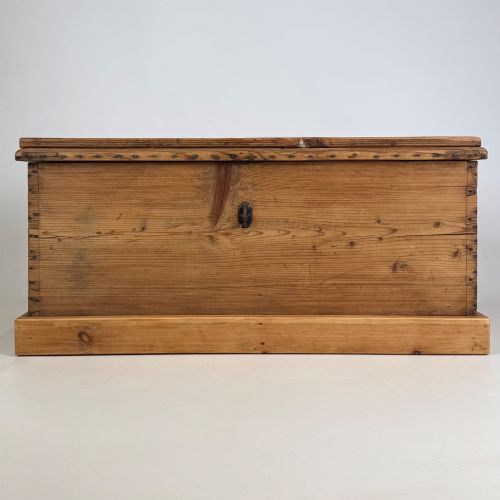
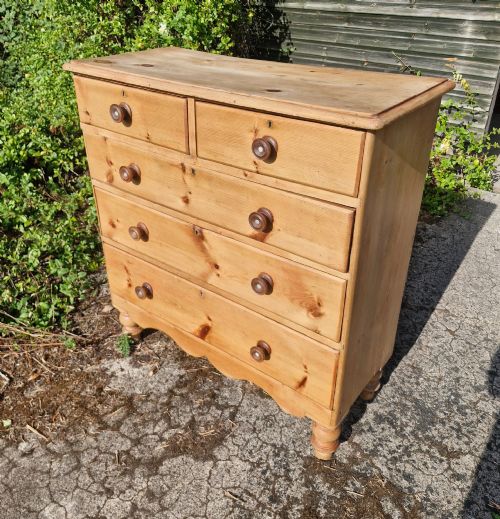
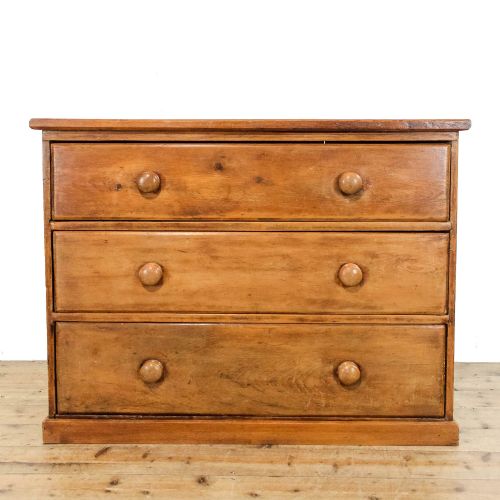
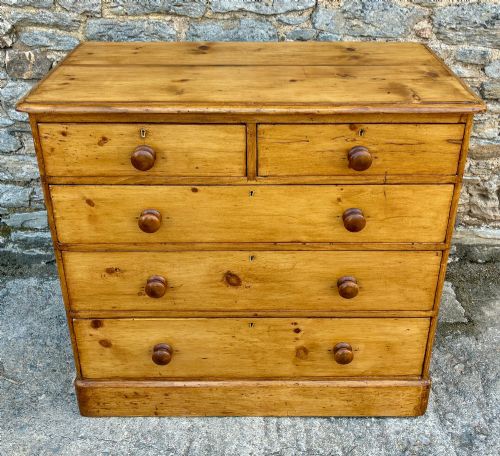
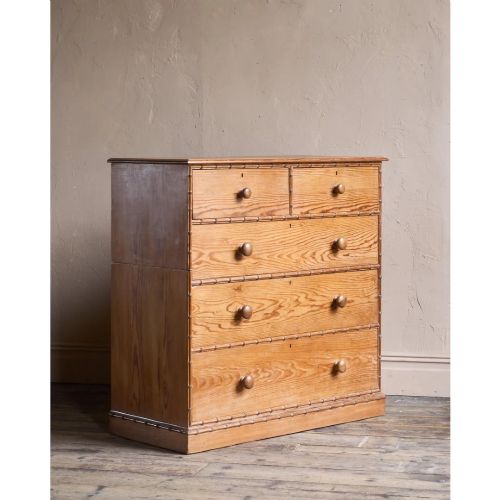
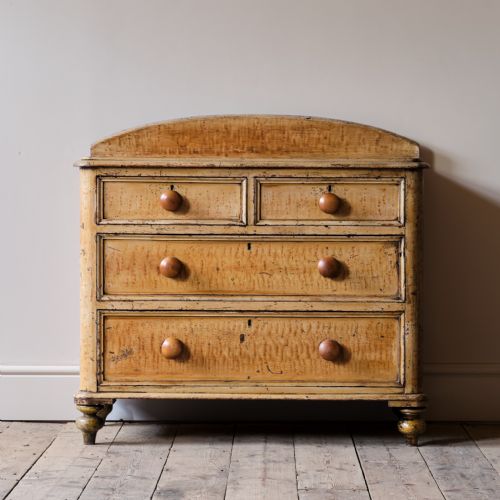
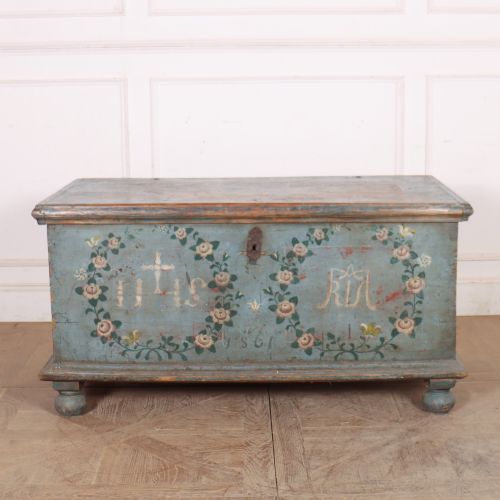
A nineteenth century pine chest typically takes the form of a chest of drawers, often standing at four heights or featuring a useful gallery, though simpler blanket boxes and mule chests also appear. These pieces originate from the Victorian period, with dates clustering around eighteen eighty and eighteen ninety, reflecting the robust domestic requirements of the time.
Beyond standard British Victorian examples, buyers encounter North European and Scandinavian country pieces, as well as rustic country variations. These regional pieces bring distinctive proportions and surface treatments while retaining the practical storage capacity that defines the form.
How they were made
Makers constructed these chests primarily from solid wood, utilising pine throughout, often paired with beech for internal or structural components. Hardware typically involved brass for key escutcheons and handles, while finer decorative touches occasionally incorporated bone and paper.
Surface finishes varied from plain scrubbed timber to original paint and painted decoration, reflecting both utilitarian domestic use and more decorative country tastes. Construction methods prioritised sturdy daily service, resulting in enduring carcases that withstand modern interior demands.
Retail Price Guide 2026
Typical UK retail prices for nineteenth century pine chest, calculated from the Sellingantiques database of over a million retail prices indexed since 2003. This retail price guide relies exclusively on Sellingantiques data; no external sources or auction records are used, so the figures do not describe the wider market.
What varies in quality
Quality in these pieces rests upon the integrity of the timber and the preservation of original surfaces, such as early paint finishes or untouched patination. Pieces retaining their original brass hardware, bone details, or structural additions like a gallery sit higher in the scale than those stripped or heavily altered over time.
Proportion and regional character further distinguish finer examples, where regional craftsmanship from British workshops or North European makers displays thoughtful construction details. The presence of secondary woods like beech used judiciously alongside pine indicates deliberate manufacture rather than hurried utility.
The Nineteenth Century Pine Chest Glossary
- Gallery
- A raised wooden upstand or shelf attached to the top rear of a chest, designed to stop items from sliding off. This feature adds architectural interest to the piece.
- Mule chest
- A storage chest fitted with one or more drawers at the base beneath the main compartment. It bridges the gap between a traditional blanket chest and a chest of drawers.
- Journeyman's chest
- A smaller, portable box built by an artisan to hold tools and travel between jobs. These display compact proportions and robust corner construction.
- Four height
- A description indicating a chest with four horizontal rows of drawers, usually stacked vertically. This layout provides tall, balanced proportions.
Frequently Asked Questions
How do I clean an old pine chest?
Dust the surface regularly with a soft, dry cloth to prevent dirt accumulation. Avoid harsh chemical cleaners that can strip original wax or historic paint finishes.
Feed dry timber occasionally with a traditional beeswax polish to nourish the grain. Keep the chest away from direct heat sources to prevent the wood from warping.
Were these chests always painted?
Many nineteenth century pine chests were left as plain wood, especially in domestic settings where a natural timber grain was preferred. However, original paint and painted decoration were also common.
Paint served to protect the softer pine or to match regional interior colour schemes. Surviving original paint significantly alters the character and historic value of a piece.
Where were these pine chests used in the home?
These chests served primarily as utilitarian storage furniture in bedrooms, nurseries, and farmhouses. Their robust construction made them suitable for daily domestic service.
Today, their warm timber tones and practical proportions allow them to fit easily into hallways, living rooms, and modern bedrooms as functional storage.