

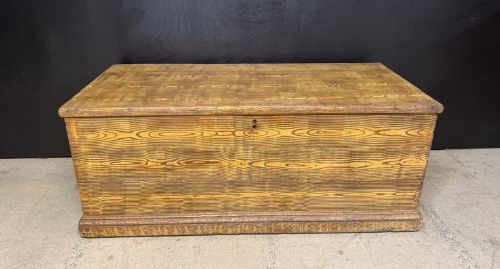
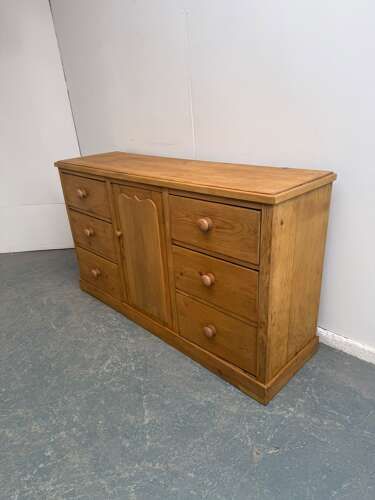
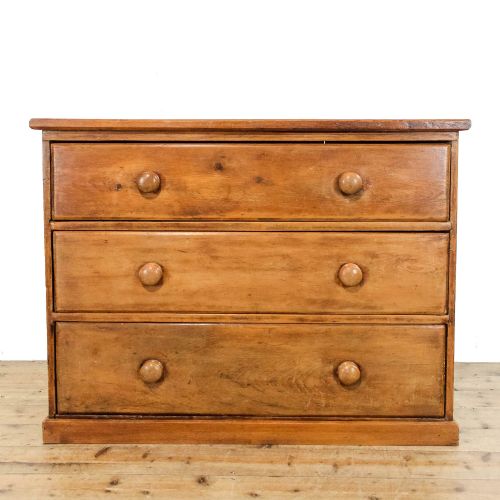
Traditional Pine Furniture
Traditional pine furniture comprises utilitarian everyday pieces from the eighteenth and nineteenth centuries, offering honest regional charm and robust domestic storage.
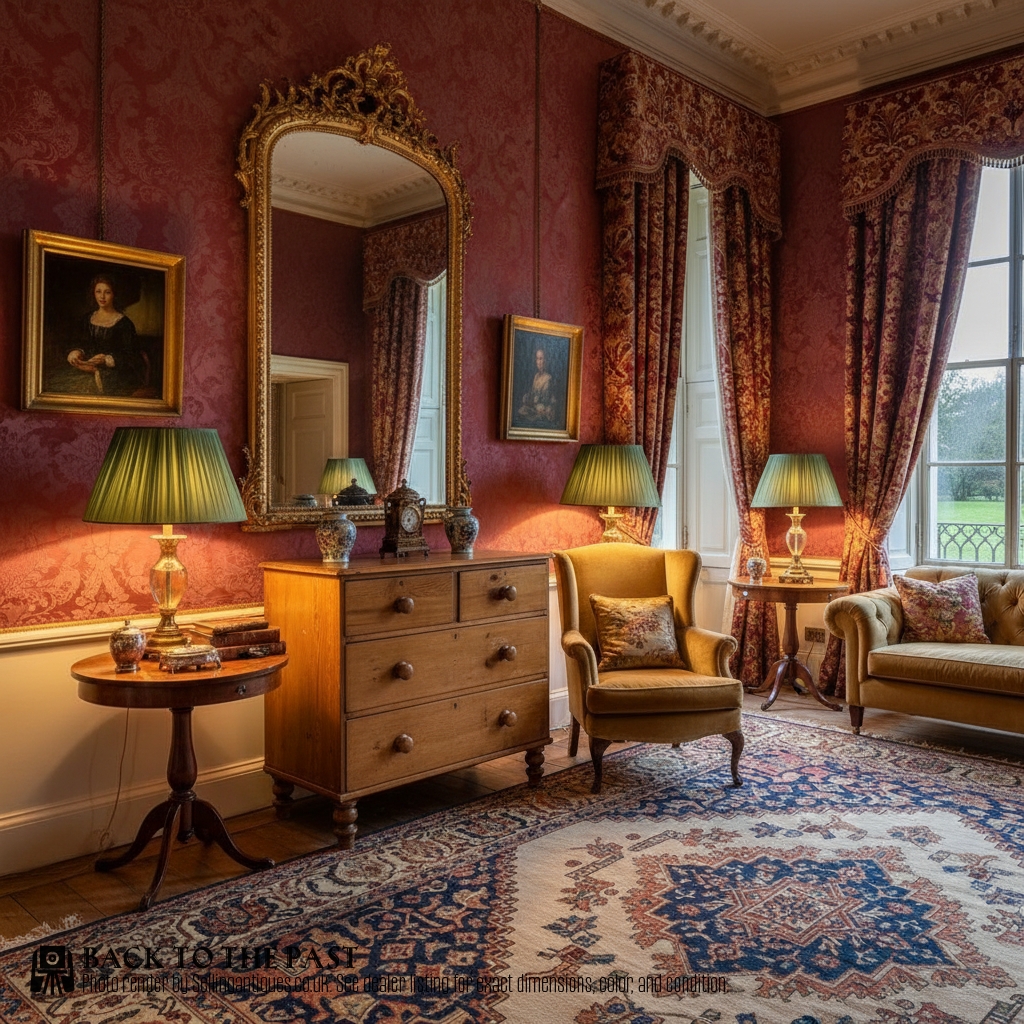
Traditional Pine Furniture
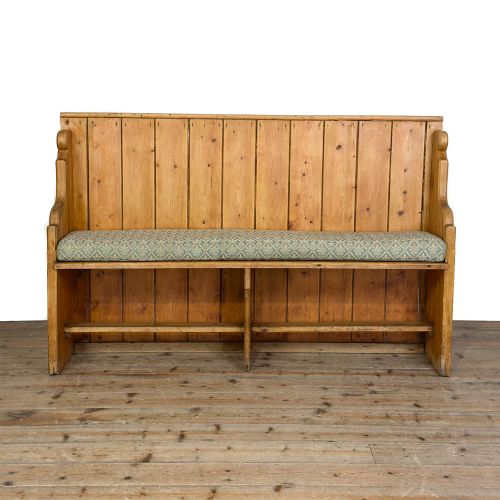
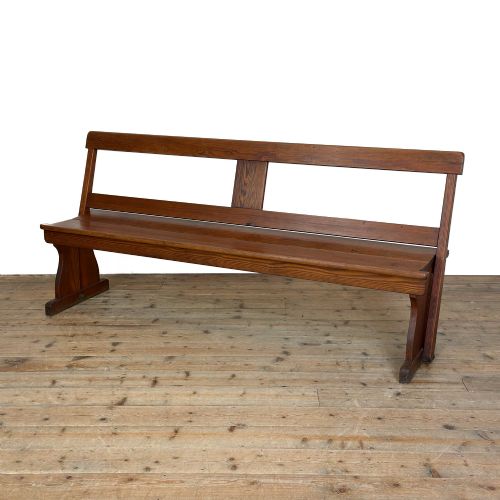
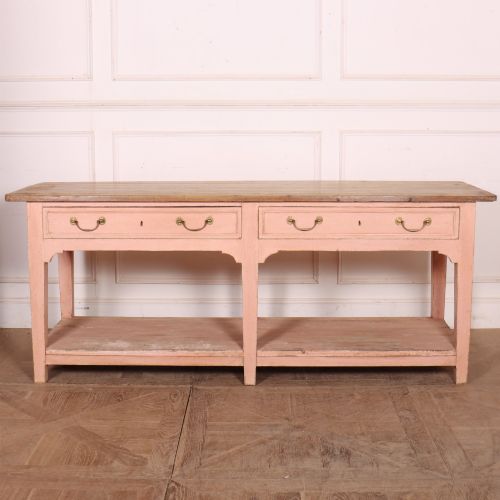
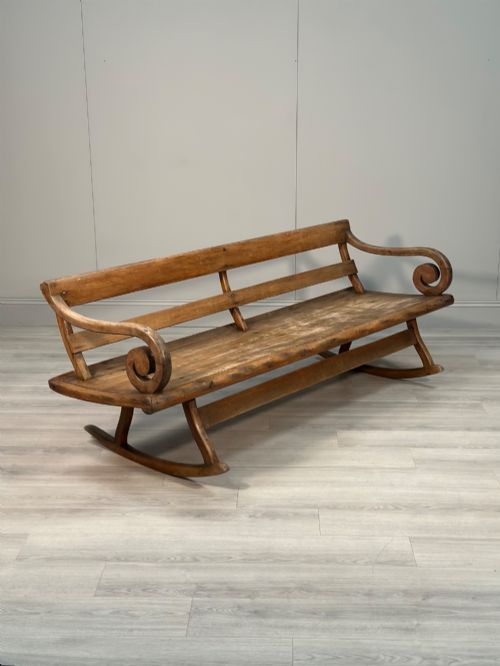
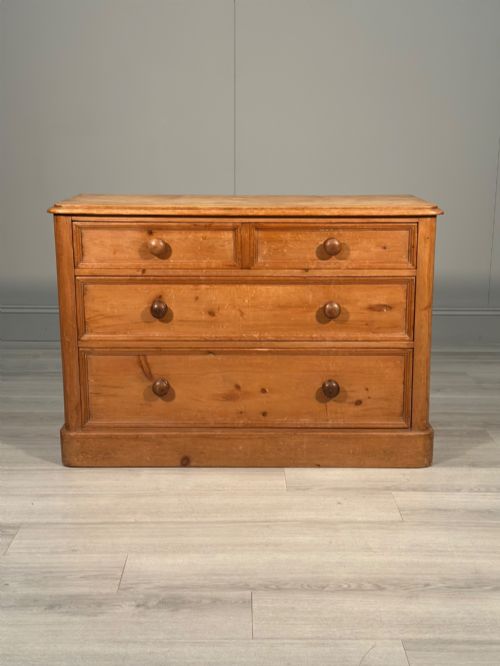
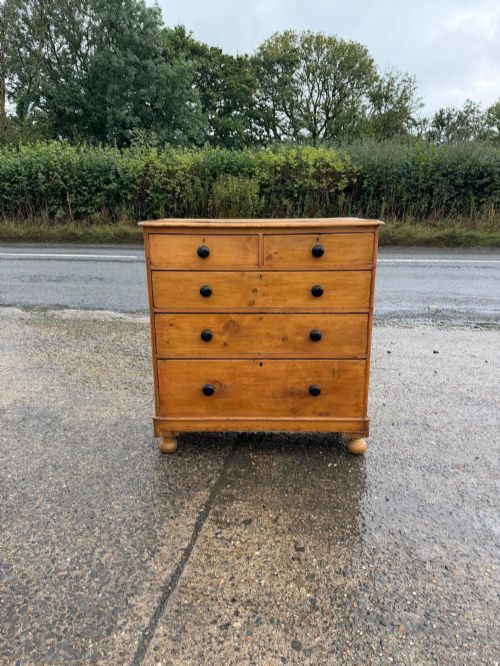
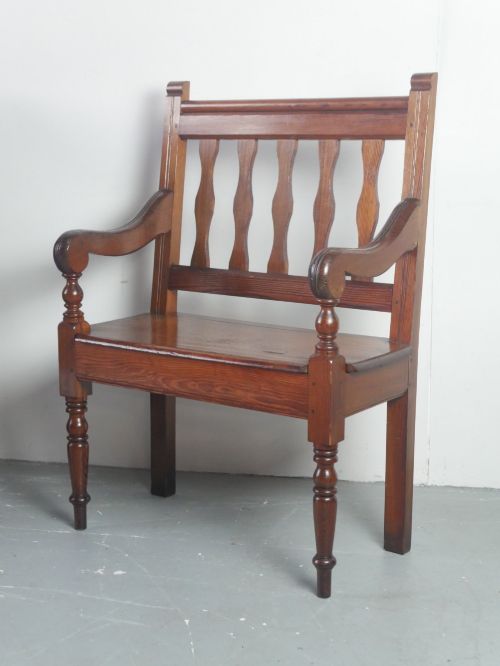
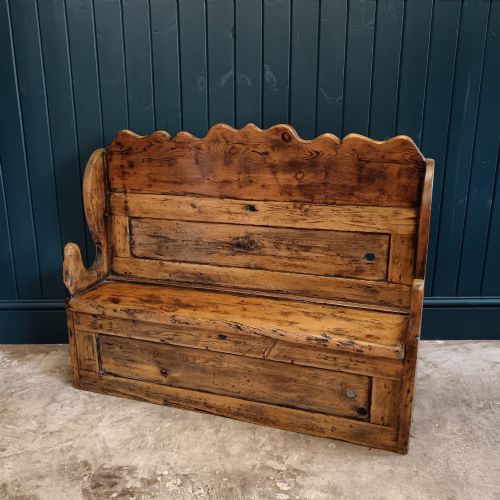
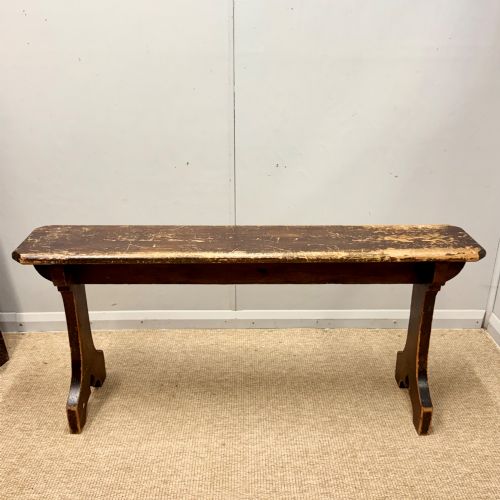
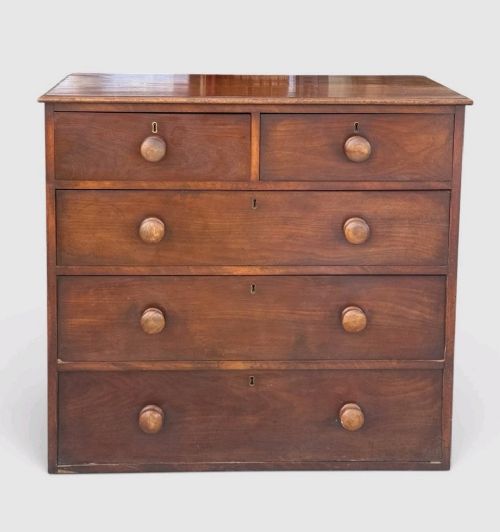
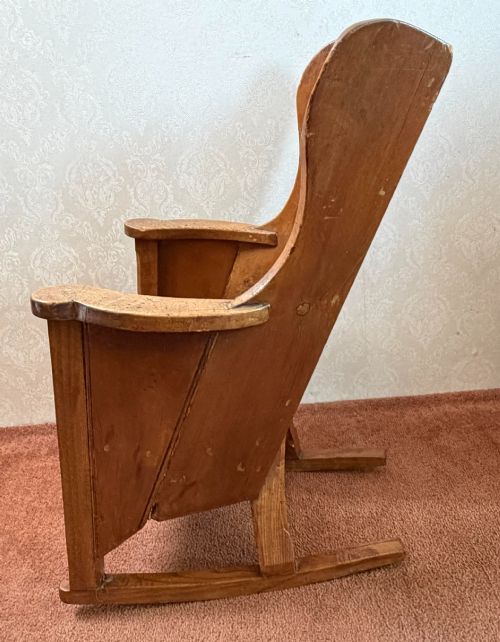
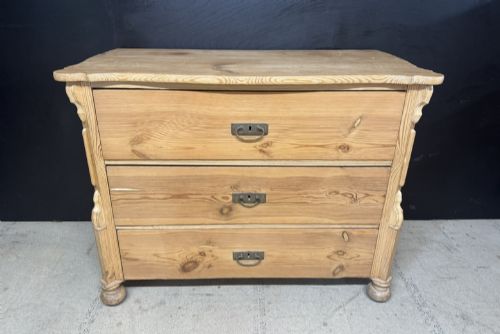
Traditional pine furniture covers practical domestic items built mainly during the eighteenth and nineteenth centuries, including chests of drawers, dresser bases, cupboards, and benches. Buyers seeking traditional pine furniture will encounter vernacular forms such as chapel pews, cricket tables, and potboard dresser bases originating from English, Welsh, Scottish, Irish, and European rural traditions.
Chest of drawers and bench variants dominate the selection, often featuring simple rectilinear carcasses or boarded backs designed for hard daily use. These domestic survivors reflect local workshop traditions rather than grand court designs, prioritising utility above ornamentation.
How they were made
Joiners and country carpenters utilised native pine alongside pitch pine and occasional elm elements, assembling carcasses with pegged joints, hand-cut dovetails, and panelled backs. Hardware typically consisted of iron hinges, brass pulls, and wooden knobs.
Surfaces received various finishes depending on domestic utility and changing fashions, ranging from simple clear wax and honey brown patina to original paint, scumble finishes, and scraped bare wood.
Traditional Pine Furniture Retail Price Guide 2026
Typical asking prices for traditional pine furniture among the pieces listed under this phrase on Sellingantiques today, from the lower quarter to the upper quarter. They describe what is for sale here now, not the wider market.
The listings feature eighteenth and nineteenth-century pine furniture alongside pitch pine and elm variants, including dressers, benches, and cupboards.
What varies in quality
Quality rests primarily in the survival of original surface finishes, such as early paint or undisturbed waxed patination, compared to later stripping or repainting. Structural integrity also separates standard utility items from finer vernacular examples with well-proportioned mouldings and original hardware.
The degree of regional character influences desirability, with distinctive local forms like potboard bases or marked vernacular seating displaying superior craftsmanship within domestic traditions.
The Traditional Pine Furniture Glossary
- Potboard dresser base
- A kitchen or dining room sideboard featuring an open lower slatted shelf, known as a potboard, used originally for drying heavy crockery. This form provides substantial surface space and low shelving.
- Settle
- A high-backed wooden bench with solid arms and a storage box seat beneath, designed to block draughts in farmhouse kitchens. High-backed variants often display distinct regional joinery.
- Scumble painted
- A decorative surface technique where a translucent coloured glaze is manipulated over a lighter base coat to imitate more expensive grained timbers like oak or walnut. It was common on nineteenth-century housekeeping cupboards.
- Cricket table
- A small, lightweight occasional table supported by three splayed legs, traditionally used on uneven flagstone floors. The triangular leg arrangement ensures stability on rough surfaces.
- Pitch pine
- A dense, resinous softwood sourced mainly from North America, noted for its strong grain pattern and durable dark hue. It was frequently utilised for robust nineteenth-century furniture.
- Vernacular
- Everyday utilitarian objects designed by local craftspeople using regional materials, uninfluenced by prevailing metropolitan academic styles. These pieces emphasise local utility and tradition.
Traditional Pine Furniture: Frequently Asked Questions
How do I date traditional pine furniture?
Dating relies on construction methods, timber choice, and surface treatments visible on the carcass. Hand-cut dovetails, square-headed nails, and early painted finishes generally point towards the eighteenth or nineteenth centuries.
Later pieces often incorporate machine-sawn boards, standardised hardware, or stripped surfaces. Comparing construction details across similar regional forms helps clarify the likely period of manufacture.
What is the difference between waxed and painted pine?
Waxed pine surfaces highlight the natural grain and honey brown patination acquired through decades of cleaning and handling. These finishes result from traditional maintenance using beeswax.
Painted pine preserves the original decorative intent of the workshop, frequently featuring historic layers of scumble, milk paint, or lead-based colours. Original paint remains prized for retaining authentic domestic history.
How should I care for waxed pine furniture?
Maintenance involves applying a natural beeswax polish sparingly and buffing with a soft cloth to preserve the surface sheen. Avoid placing pine near direct heat sources or strong sunlight, which can dry out the timber and cause splitting.
Regular dusting with a dry cloth prevents dirt accumulation in the grain and mouldings. Gentle care maintains the historic patina without stripping the underlying wood.
Where were these pieces originally used?
These items originated in farmhouses, cottages, chapels, and country houses across Britain, Ireland, and Scandinavia. They served everyday functions in kitchens, boot rooms, bedrooms, and hallways.
Large cupboards stored provisions, while dressers displayed crockery and pews provided communal seating in rural chapels. Their robust construction suited demanding domestic environments.