

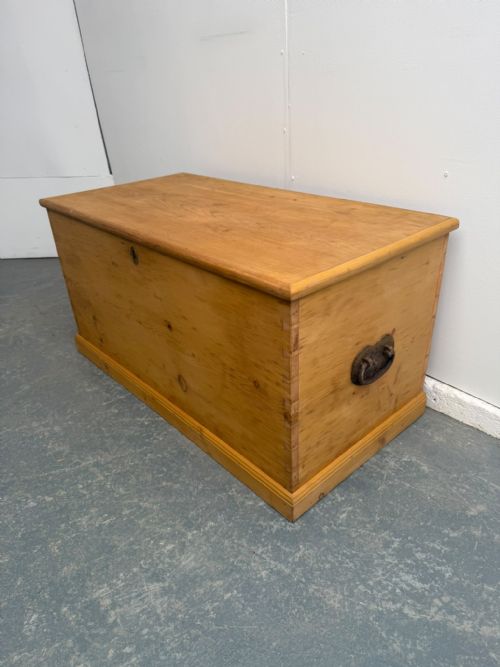
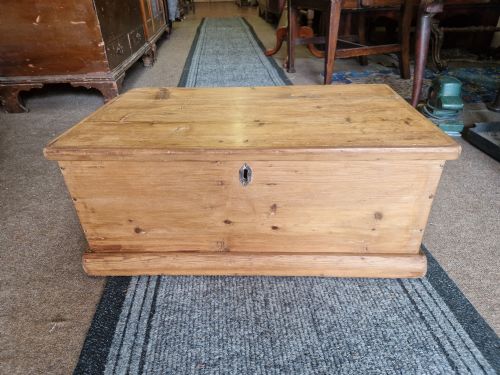
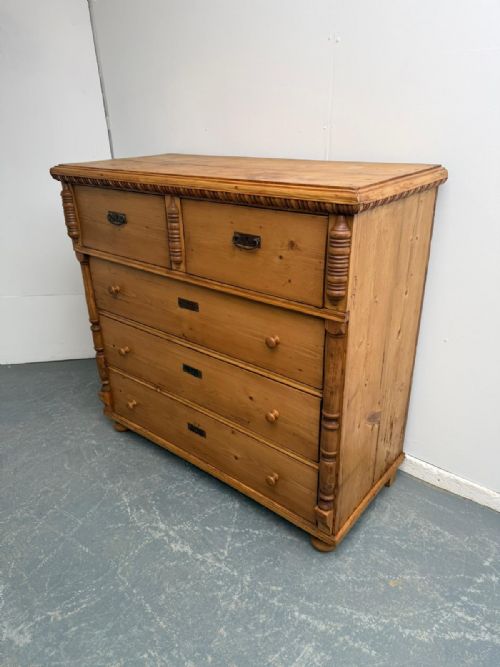

Waxed Pine Chest
When you search for a waxed pine chest, you look at practical domestic storage shaped by Victorian and Georgian hands.
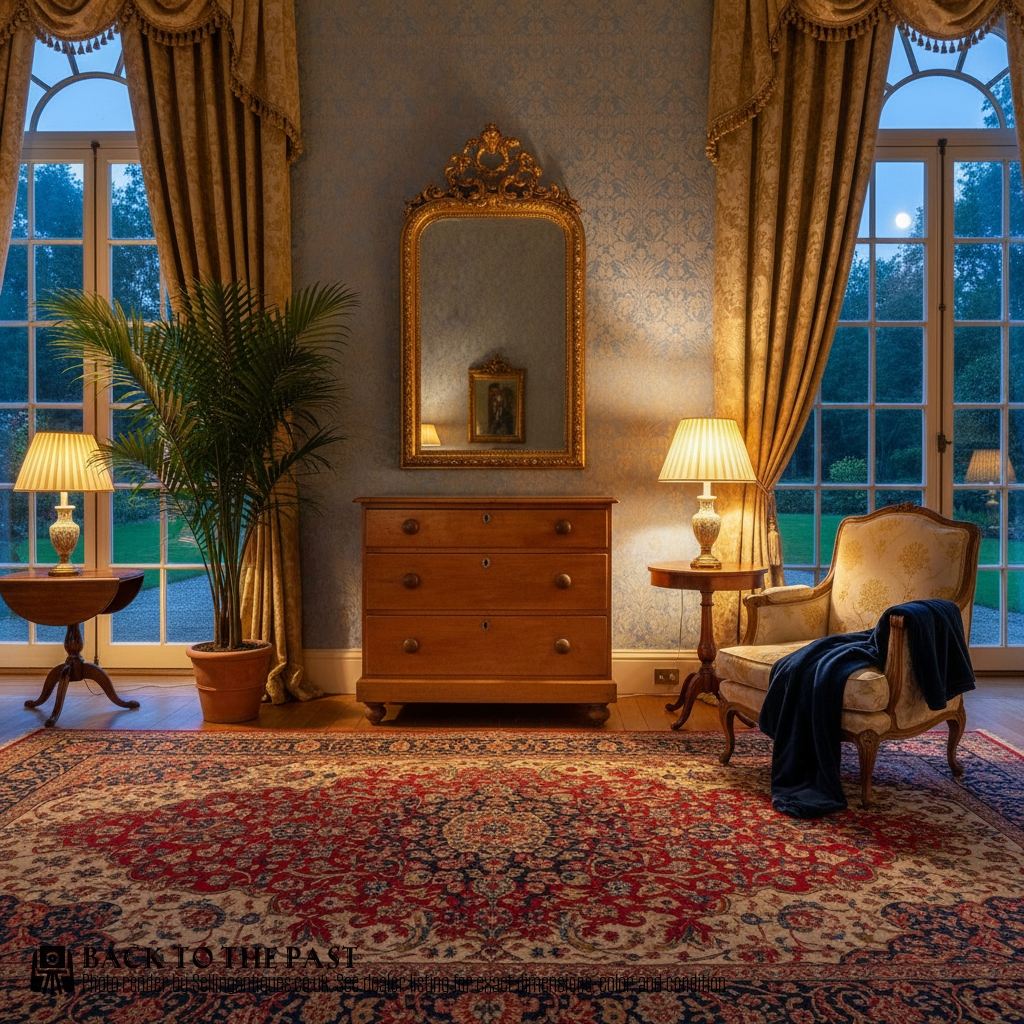
Waxed Pine Chest
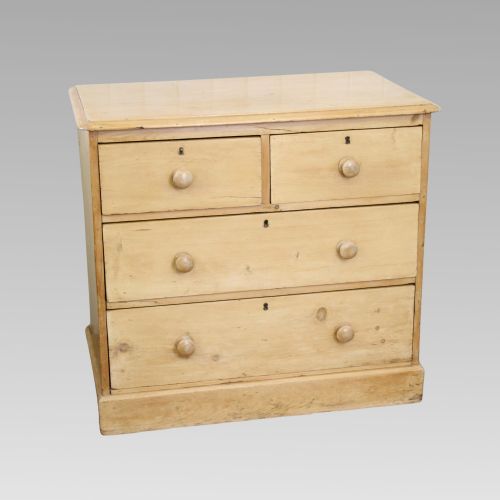
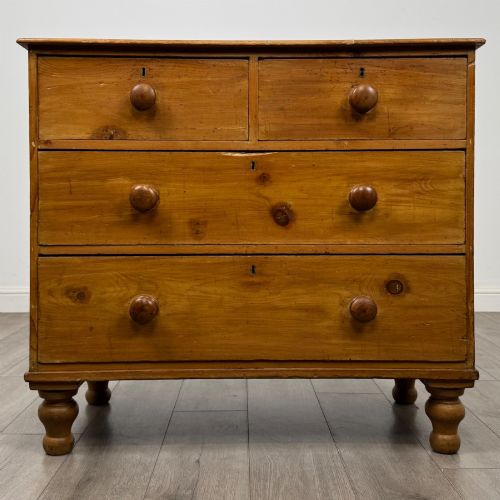
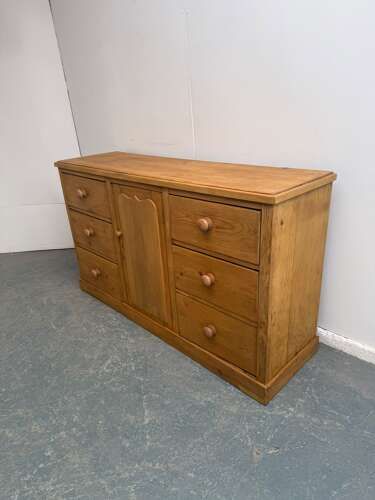
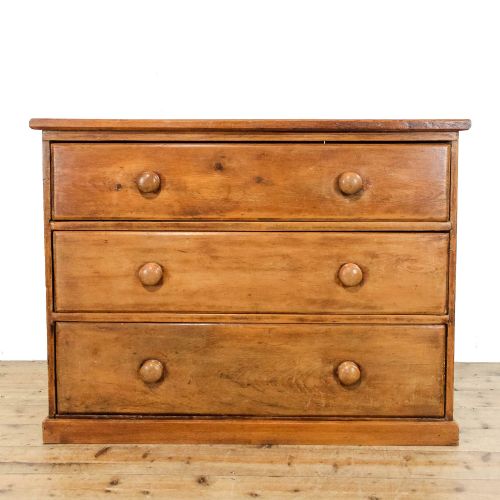
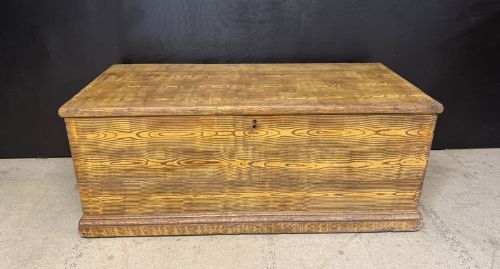
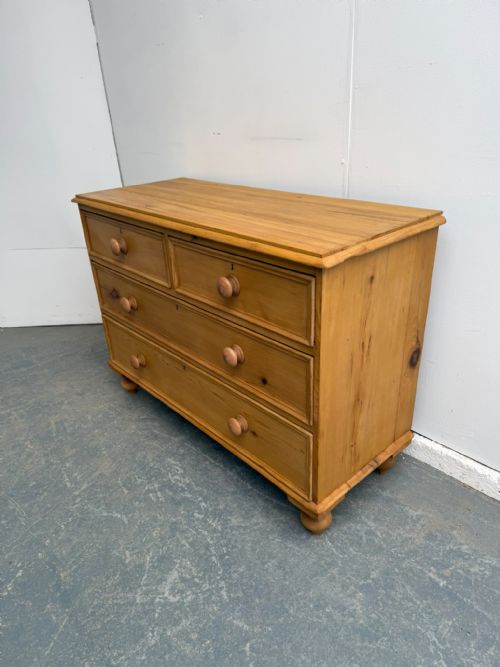
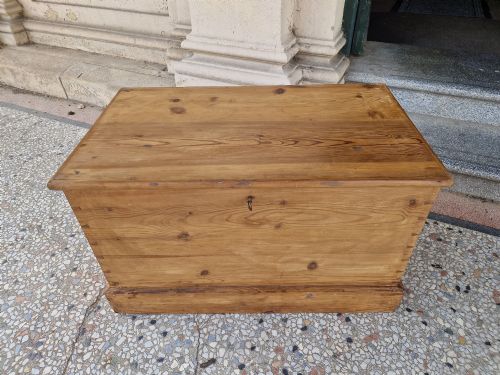
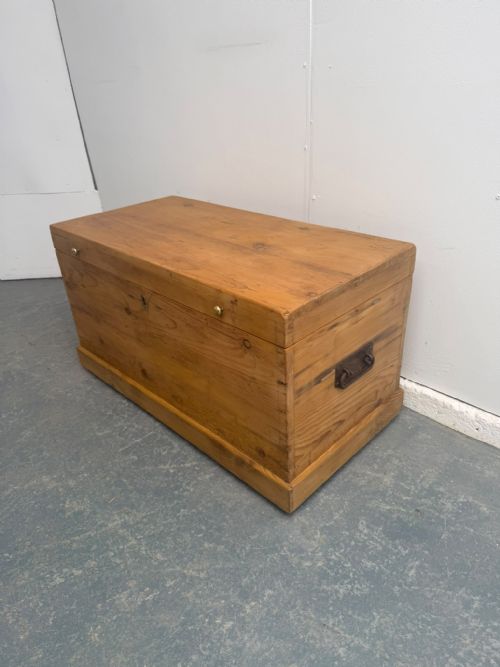
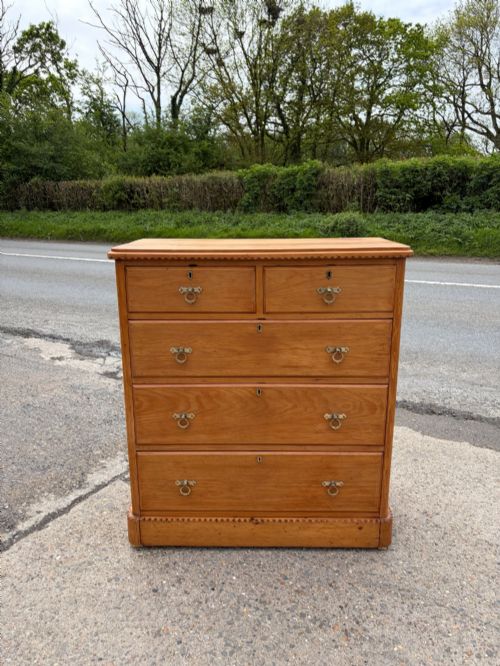
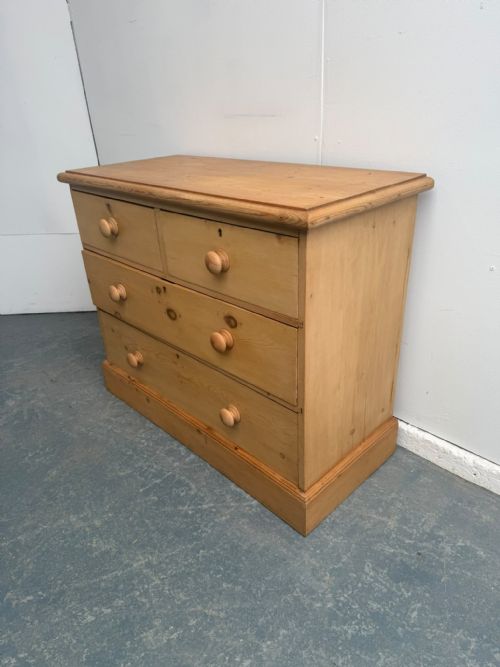
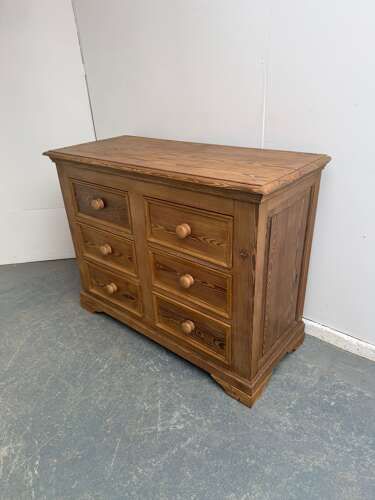
A waxed pine chest combines straightforward utility with the warm, mellow tone built up by generations of domestic use and finishing. Buyers searching for a waxed pine chest typically encounter upright chests of drawers arranged in standard multi-drawer configurations, alongside lower blanket boxes, mule chests, and storage trunks.
The material record spans both regional country workshops and formal urban cabinet making, stretching from early Georgian examples through the height of the Victorian era. Victorian pieces dominate the selection, appearing frequently in deep five-drawer formats, shallower four-drawer proportions, and smaller bedside variants.
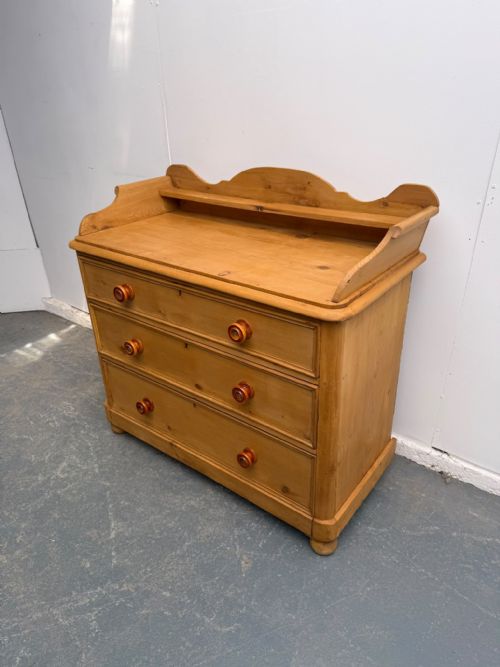
Regional variations emerge through construction details such as plank ends, tray backs, and columned facades, reflecting the diverse origins of domestic pine furniture. Whether housing clothes in a bedroom or serving as a coffee table in a living space, these chests provide sturdy, capacious storage rooted in traditional joinery.
How they were made
Makers built these pieces primarily from solid pine and ash timbers, assembled using traditional dovetail joints for drawer construction and sturdy panel framing for carcases. Iron and brass hardware, including drop handles, escutcheons, and hinges, fastened the structural elements while white ceramic knobs frequently served as drawer pulls.
Surfaces received protective coats of wax applied directly to bare wood or onto stripped pine, producing a soft, tactile sheen that highlights the natural grain and knots. Cabinet makers shaped mouldings along the top edges and drawer fronts, while structural reinforcement came from internal bracing and solid plinths.
Waxed Pine Chest Retail Price Guide 2026
Typical asking prices for waxed pine chest among the pieces listed under this phrase on Sellingantiques today, from the lower quarter to the upper quarter. They describe what is for sale here now, not the wider market.
Listings feature pieces spanning from the Georgian period through the Edwardian era, constructed primarily in pine, ash, and iron.
What varies in quality
Quality in these pieces depends on the balance of proportions and the integrity of the timber selection, separating utilitarian boxes from finer cabinet work. Superior examples exhibit well-figured pine grain, careful mouldings, and drawers that run smoothly within their frames without excessive play.
Structural refinement also marks the upper range, seen in sophisticated drawer arrangements such as two-over-three layouts, columned pilasters, and deep functional base drawers. Finer pieces maintain original hardware and balanced joinery, while simpler vernacular versions rely on rugged plank-end construction.
The Waxed Pine Chest Glossary
- Mule chest
- A storage chest featuring one or more functional drawers built into the base beneath the main compartment. This form bridges the gap between traditional blanket boxes and modern chests of drawers.
- Plank end
- A form of side construction where solid vertical boards make up the gable ends of the chest rather than framed panels. This sturdy technique typifies country and vernacular furniture making.
- Tray back
- A raised wooden gallery attached to the rear and sides of a chest top to prevent items from sliding off. This feature appears frequently on better quality Victorian chamber furniture.
- Dovetail
- A interlocking joint used at the corners of drawers, formed by interlocking wedge-shaped fingers. Hand-cut dovetails indicate traditional craftsmanship and secure long-term durability.
- Escutcheon
- A protective plate surrounding a keyhole, usually fashioned from brass or iron. It prevents the surrounding wood from wearing away around the lock.
Waxed Pine Chest: Frequently Asked Questions
How do I care for a waxed pine surface?
Maintain the finish by applying natural beeswax periodically using a soft cloth, buffing gently to preserve the protective barrier and deep lustre. Avoid placing the chest near direct heat sources or strong sunlight, which can dry out the timber and alter the wax.
Clean surfaces with a dry or lightly dampened cloth, avoiding harsh chemical sprays or excess water that might penetrate the unsealed grain of older pine.
Were these chests painted originally?
Many pine chests spent decades coated in layers of paint or milk finish before being stripped down to the bare wood and waxed in later years. The underlying timber often shows traces of this working history through varied grain patterns and minor surface marks.
Stripping and waxing became a common practice to reveal the golden warmth of the pine underneath, creating the uniform finish most commonly seen on the market today.
What is the difference between Georgian and Victorian pine chests?
Georgian chests tend to feature more restrained proportions, simpler bracket feet, and denser heart pine timbers shaped by eighteenth-century vernacular traditions. Victorian examples often showcase greater height, deeper drawer configurations, and more elaborate applied mouldings or column details.
Victorian pieces also frequently incorporate mass-produced hardware alongside traditional joinery, reflecting the industrial shifts in manufacturing during the nineteenth century.
Can I use a blanket box as a coffee table?
Lower blanket boxes and storage chests make sturdy coffee tables when placed centrally in a room, offering hidden storage for living area clutter. Their flat tops easily accommodate books, trays, and decorative objects while maintaining a stable surface.
Ensure the lid hinges and internal structure remain secure before loading the top with heavy items or regular daily use.