
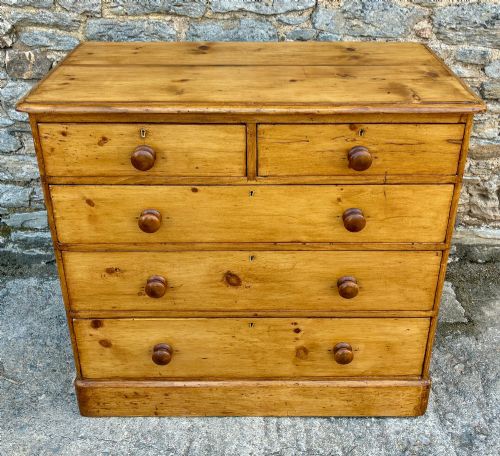
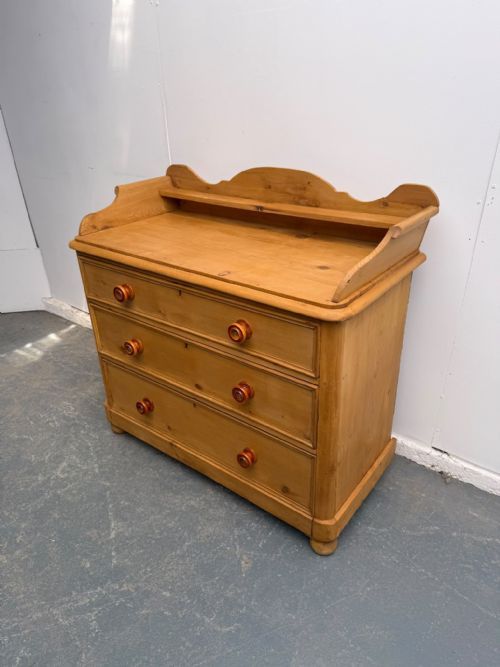
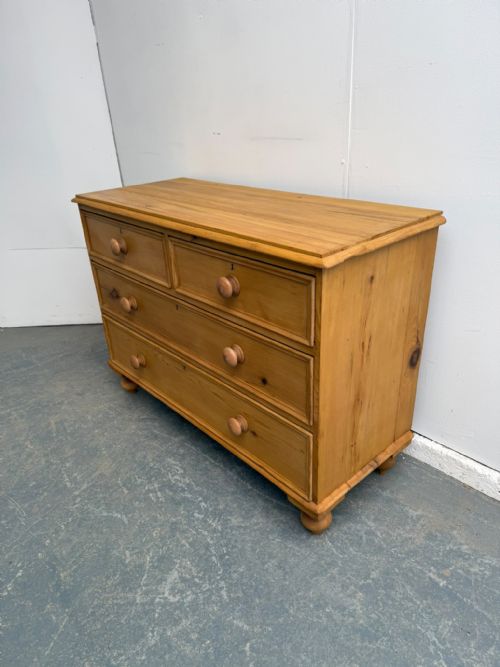
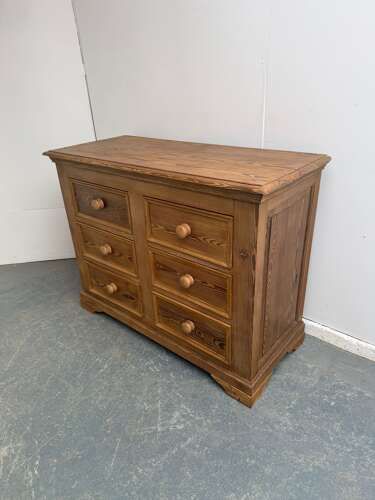
Waxed Pine Storage Chest
A waxed pine storage chest offers honest utility and warmth, bringing practical domestic storage and tactile character into daily life.
Waxed Pine Storage Chest
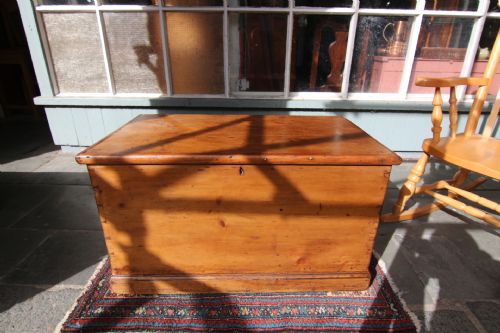
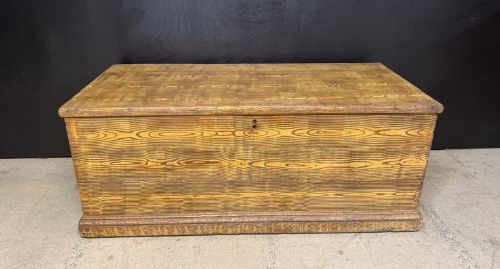
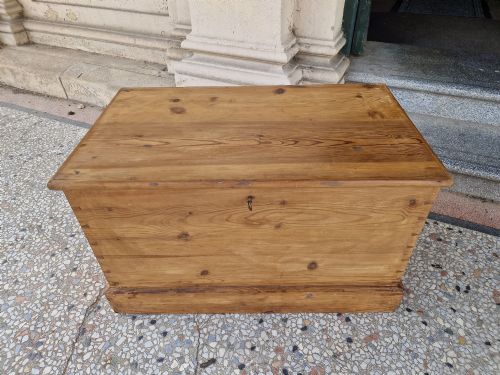
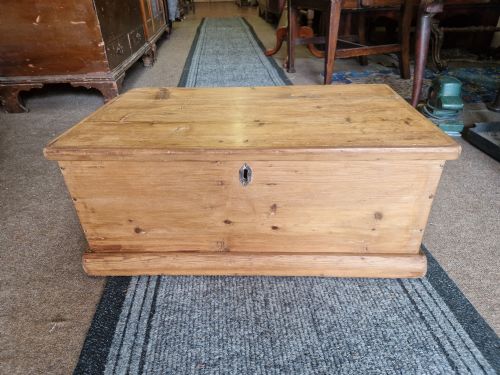
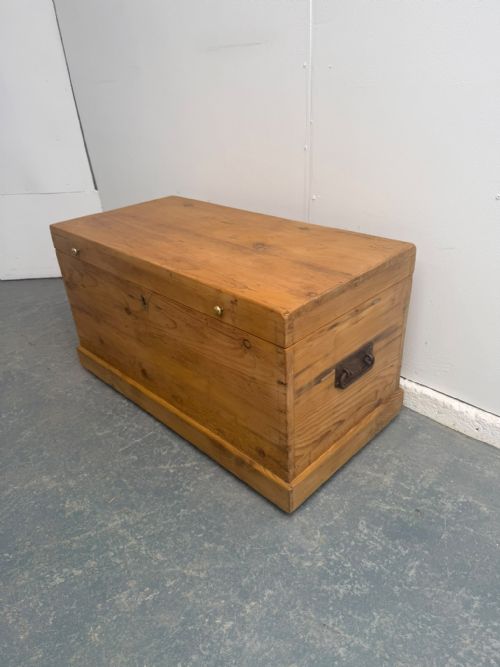
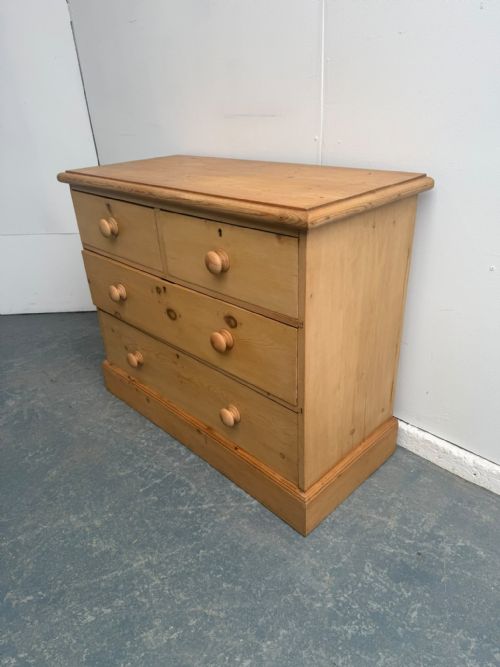
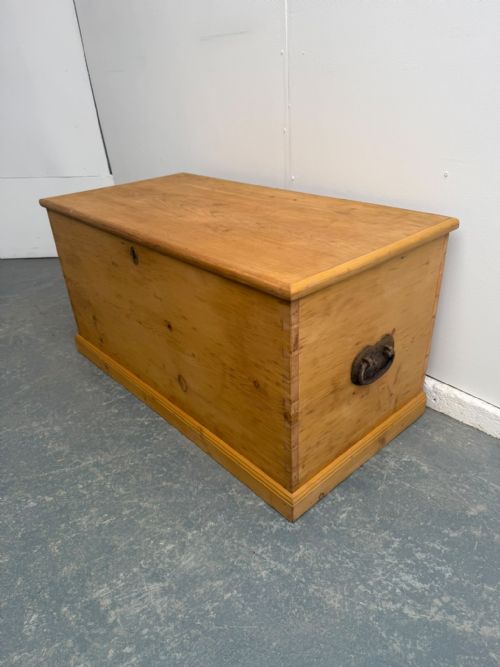
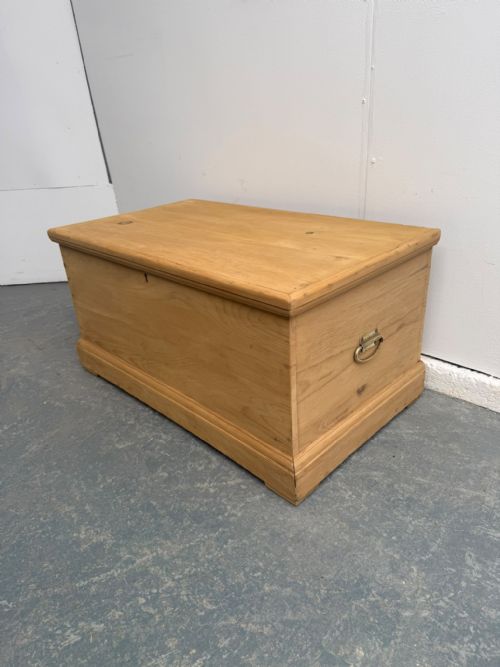
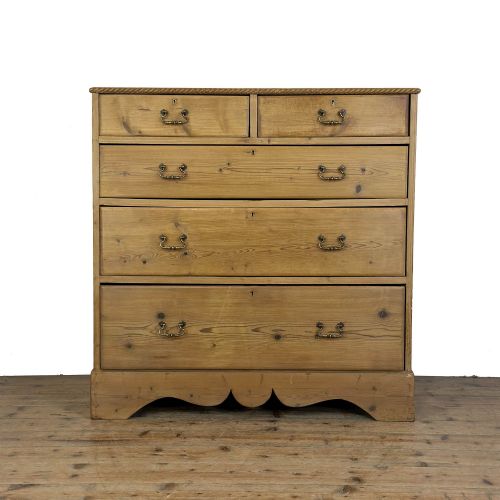
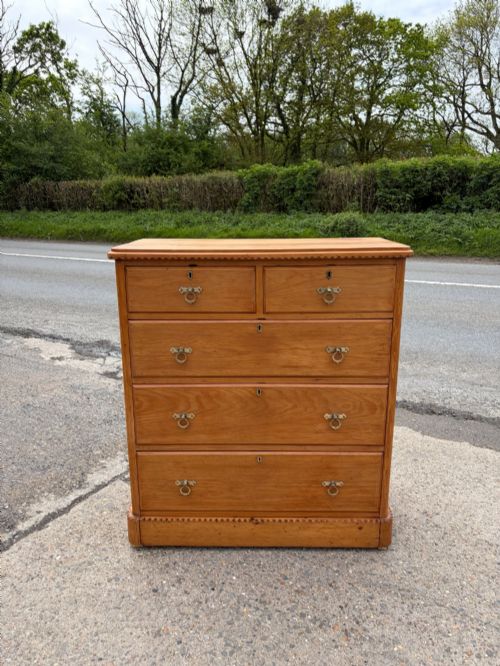
A waxed pine storage chest provides robust everyday utility through traditional forms originating primarily in the Victorian and Georgian eras, spanning English, Welsh, Irish, and Hungarian origins. Buyers seeking a waxed pine storage chest will encounter various formats, from blanket boxes and mule chests to multi-drawer chests of drawers and storage boxes.
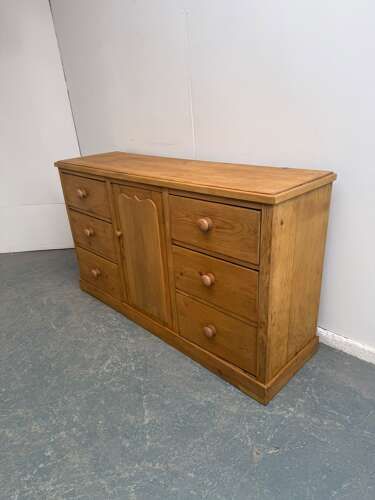
Regional variants display distinct proportions and drawer configurations, such as low wide models or towering five-drawer units. These pieces range from compact blanket boxes suitable for coffee tables to massive storage chests designed for substantial domestic organisation.
What varies in quality
Gradations in quality depend upon the integrity of the timber, the subtlety of the wax finish, and the retention of original hardware such as brass or iron handles and locks. Proportions also play a role, with balanced architectural details like columned sides or well-scaled drawer arrangements distinguishing finer examples from standard utility pieces.
The degree of original preservation, including untouched surfaces and sound structural joinery, separates exceptional regional pieces from heavily altered or restored equivalents.
Waxed Pine Storage Chest Retail Price Guide 2026
Typical asking prices for waxed pine storage chest among the pieces listed under this phrase on Sellingantiques today, from the lower quarter to the upper quarter. They describe what is for sale here now, not the wider market.
Some chests arrive with deeply hidden drawer compartments that seem designed specifically for misplaced love letters or missing teaspoons.
The Waxed Pine Storage Chest Glossary
- Waxed pine
- Solid softwood finished with a protective coating of wax that nourishes the wood and produces a warm sheen. This treatment preserves the natural grain while offering a tactile surface.
- Mule chest
- A storage chest combining a lidded compartment with one or more drawers built into the base. This hybrid form bridges the traditional blanket box and the modern chest of drawers.
- Blanket box
- A deep rectangular wooden chest historically utilised for storing textiles and linens. These lidded containers sit directly on the floor or on bracket feet.
- Dovetail
- A traditional interlocking joint utilised in drawer construction to secure corners with high tensile strength. This method indicates competent cabinetmaking.
- Chest of drawers
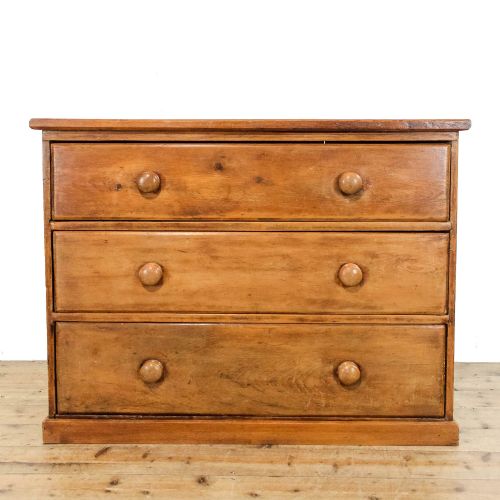
- A case furniture form consisting of stacked horizontal drawers used for apparel storage. Victorian examples frequently utilise a two-over-three drawer configuration.
Waxed Pine Storage Chest: Frequently Asked Questions
How do I clean a waxed pine chest?
Dust the surface regularly with a soft, dry cloth to prevent the accumulation of grit. Apply a quality bees-wax periodically to maintain the lustre and protect the timber.
Avoid using water, chemical sprays, or silicone-based polishes, as these substances damage the traditional wax finish and dull the grain.
Can I use a blanket box as a coffee table?
Low and wide blanket boxes or storage boxes function well as coffee tables in living spaces. Their flat lids provide a stable surface for books and trays.
Ensure the height matches your seating and check that the lid hinges remain secure and level for daily domestic use.
How do I tell a Victorian chest from a Georgian one?
Georgian chests often display proportions from the eighteenth century, featuring simpler lines, smaller drawer counts like two-drawer mule chests, and early construction traits. Victorian pieces frequently exhibit heavier proportions, such as five-drawer configurations, rounded corners, or columned sides.
Examining the internal drawer construction and hardware styles helps clarify the manufacturing period.
Where were these pine chests made?
These chests originate from workshops across England, Wales, Ireland, and Hungary, reflecting local domestic furniture traditions. Regional variations appear in the proportions, drawer layouts, and minor decorative details.
Hungarian pieces often feature distinct sizing and columned detailing, while Welsh and English examples align with domestic country house styles.