


Rustic Pine Chest Drawers
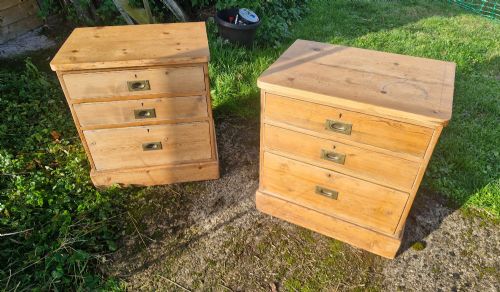
These rustic pine chest drawers bring honest utility and warmth to a room, offering practical storage built from solid nineteenth-century timber.
Rustic Pine Chest Drawers
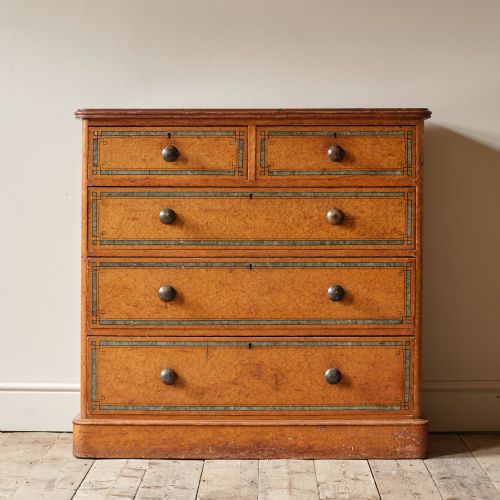
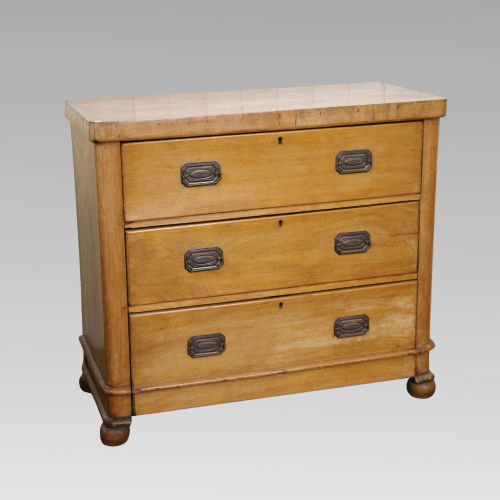
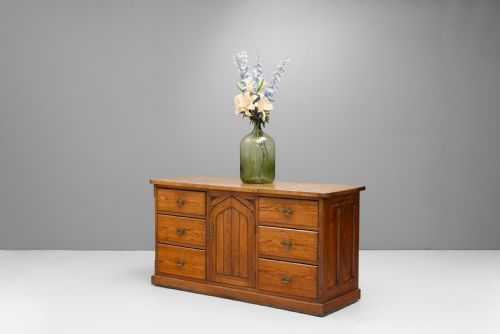
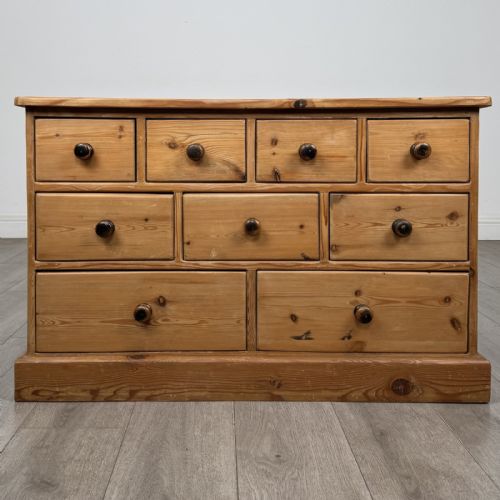
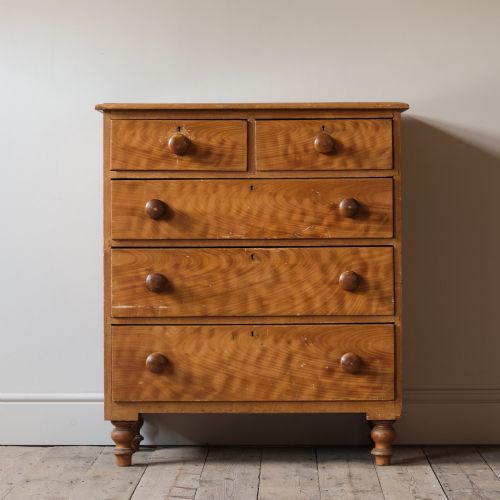
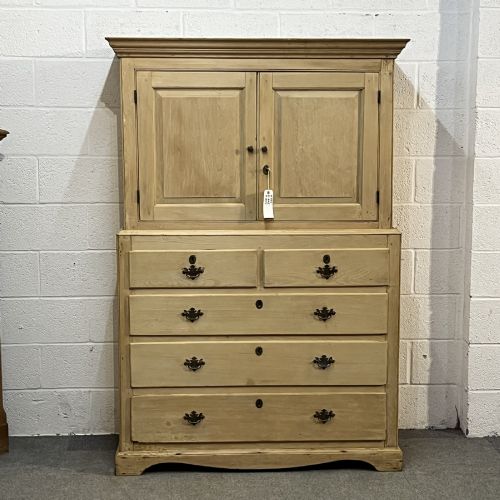
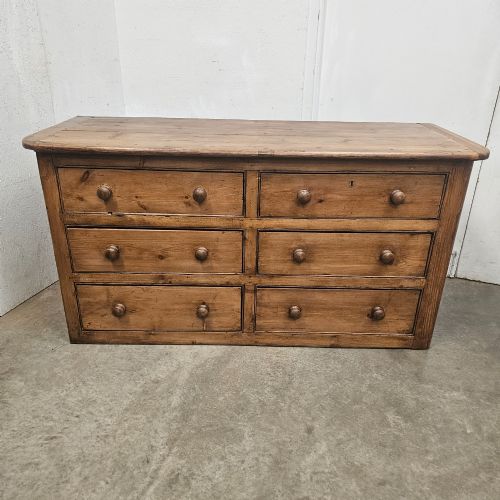
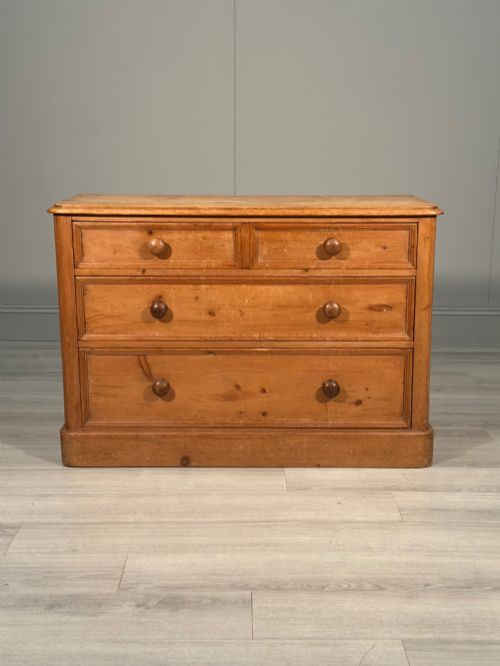
A rustic pine chest drawers is a utilitarian storage item built primarily from softwood during the Georgian, Victorian, and Edwardian eras. These pieces range from standard two-over-three bedroom configurations to low wide models, multi-drawer banks, and mule chests with internal compartments.
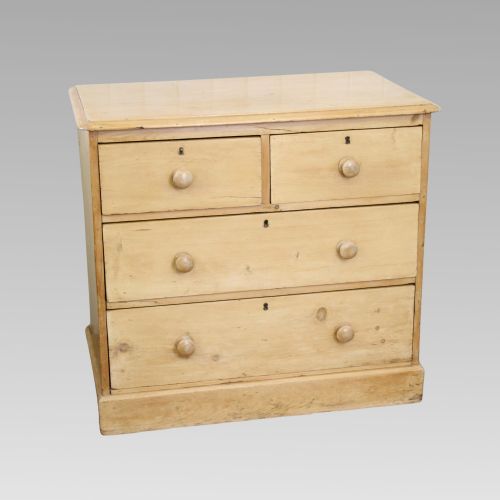
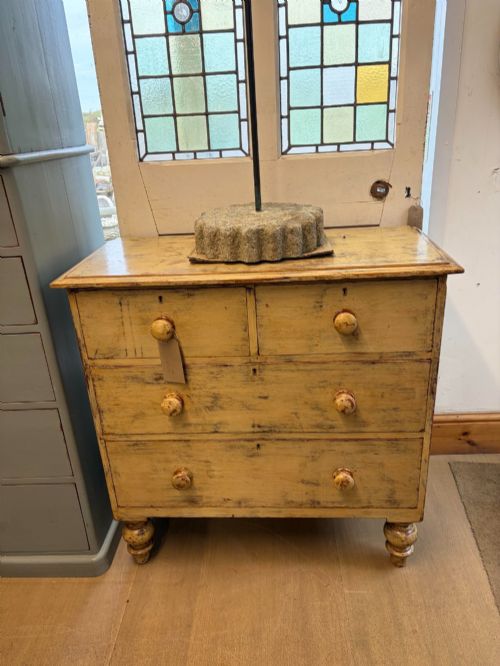
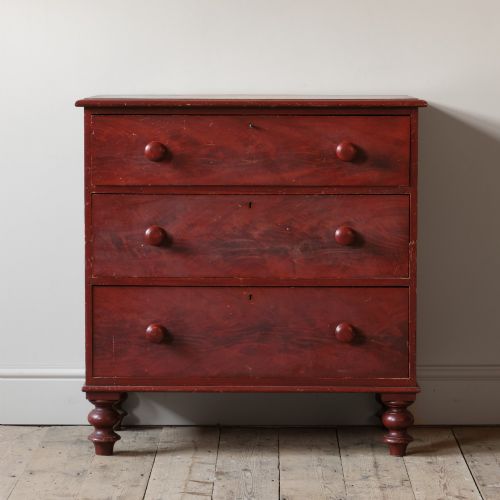
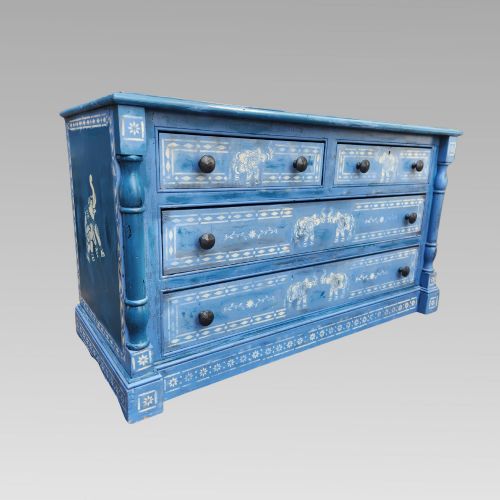
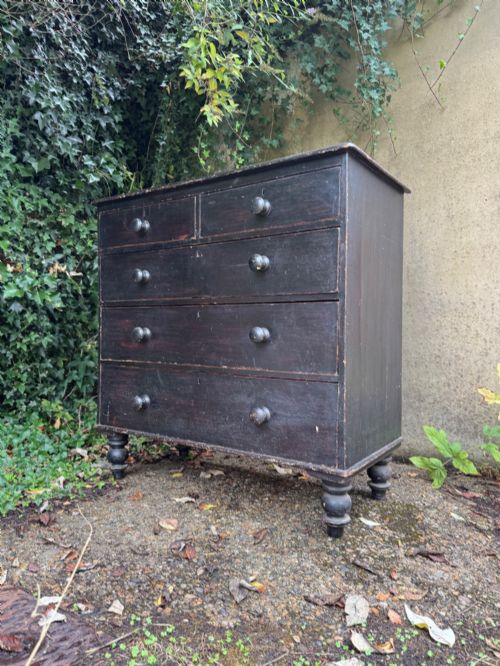
The version most commonly encountered on this page is the Victorian pine chest of drawers, often finished with hand waxing or retaining traces of original paint. Such furniture served practical roles in bedrooms, kitchens, and country workshops rather than formal drawing rooms.
Makers utilised available regional softwoods, producing pieces with simple dovetail joinery, turned wooden bun handles, and robust proportions designed for daily domestic service.
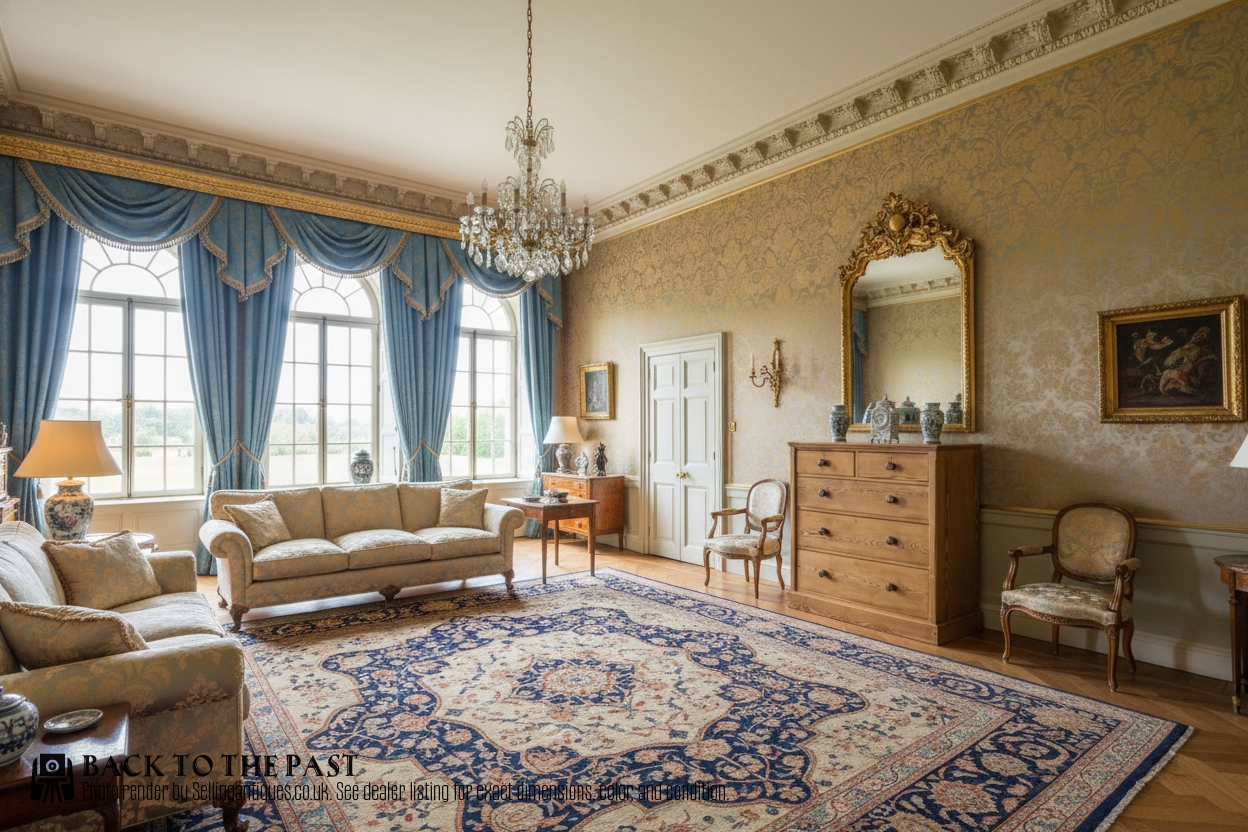
How they were made
Constructed predominantly from solid pine and pitch pine timbers, these chests relied on straightforward joinery such as hand-cut dovetails for drawer boxes and pegged frames. Cabinetmakers shaped boards using hand planes and saws, yielding visible tool marks and subtle irregularities that distinguish period work from machine-made alternatives.
Surfaces were finished with straightforward methods, most notably bee's wax polishing to nourish the wood or coats of oil-based paint in various hues. Iron, brass, and ceramic fittings served as handles and escutcheons, securing the practical function of each drawer.
Rustic Pine Chest Drawers Retail Price Guide 2026
Typical asking prices for rustic pine chest drawers among the pieces listed under this phrase on Sellingantiques today, from the lower quarter to the upper quarter. They describe what is for sale here now, not the wider market.
What varies in quality
The distinction between tiers of quality rests upon structural integrity, timber selection, and the survival of untouched original surfaces. Examples retaining their early painted finishes or deep patinated wax show a more honest historical character than those stripped down to bare wood in later decades.
Proportion and scale also define finer pieces, where balanced drawer arrangements and well-turned bun handles elevate a utilitarian box into a piece of considered country design. Solid backboards, tight joints, and smooth-running drawers reflect the original maker's standard of carpentry.
Luxmore's of Ilfracombe
The Rustic Pine Chest Drawers Glossary
- Pitch pine
- A dense, resinous variety of pine timber often used in nineteenth-century furniture for its durability and strong grain pattern.
- Mule chest
- A storage chest fitted with one or more drawers at the base beneath the primary lift-lid compartment.
- Bun handle
- A small, rounded wooden knob turned on a lathe and fixed to drawer fronts for pulling.
- Scrubbed pine
- Timber that has been repeatedly washed with soap and water to achieve a pale, clean surface devoid of dark wax or varnish.
- Bank of drawers
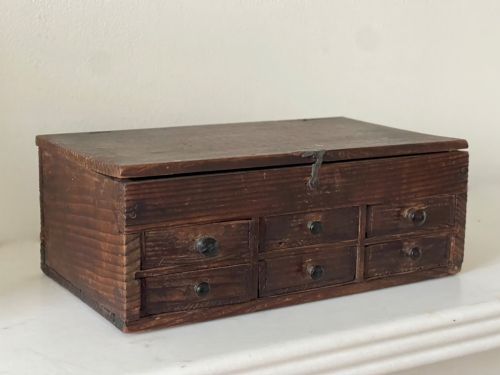
- A large cabinet containing numerous small drawers, originally utilised in shops, offices, or workshops for sorting items.
Rustic Pine Chest Drawers: Frequently Asked Questions
How do I date a pine chest?
Dating relies on observing construction methods, such as hand-cut dovetails on drawer construction, the type of backboards used, and overall proportions. Georgian pieces typically show heavier framing, while Victorian examples often feature standard two-over-three drawer layouts.
Secondary indicators include handle styles, such as turned wooden buns or brass drop handles, alongside the presence of original paint finishes or early wax patination.
Are painted pine chests original?
Many nineteenth-century pieces retain their early or original paint finishes, which were common in domestic and regional European folk art settings. Traces of historical pigment add considerable character and historical integrity to the surface.
Buyers should examine the paint layers for signs of age, crazing, and wear that match the period of the carcase underneath.
Where should I place a pine chest?
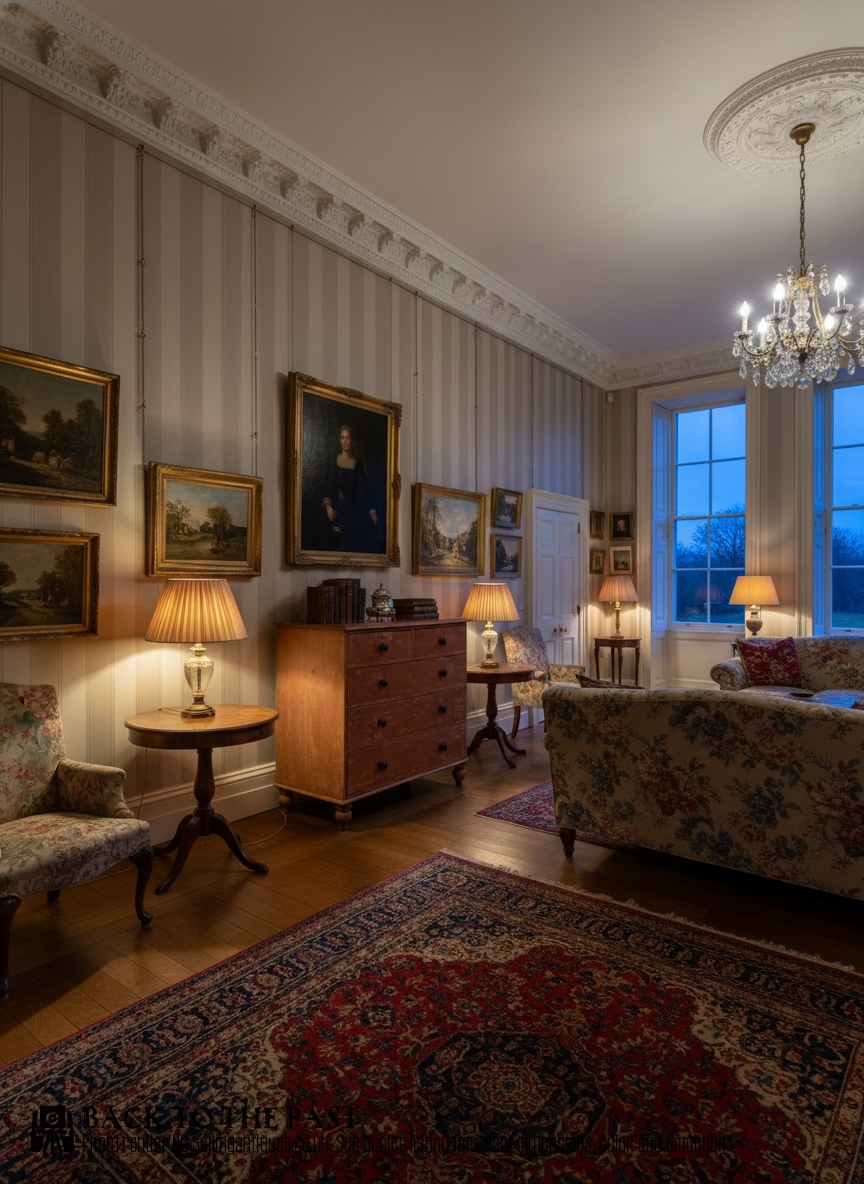
These versatile storage items suit bedrooms, hallways, and living spaces where their warm timber tones and practical drawer capacity can be utilised daily. Low wide variants function well as console surfaces or bedroom storage units.
Keep solid wood furniture away from direct heat sources and sudden humidity changes to protect the nineteenth-century pine timbers and prevent warping.
What is the difference between stripped and waxed pine?
Stripped pine has had its later paint or dark varnish removed down to the raw softwood, often leaving a pale, clean surface. Waxed pine retains a nourishing layer of bee's wax that deepens the tone and develops a rich patina over decades.
Both finishes highlight the natural grain patterns, though waxed surfaces generally exhibit a warmer, softer sheen.