

Painted Pine Commode
A painted pine commode brings useful drawer space and characterful pigment into a room, combining practical storage with regional decorative charm.
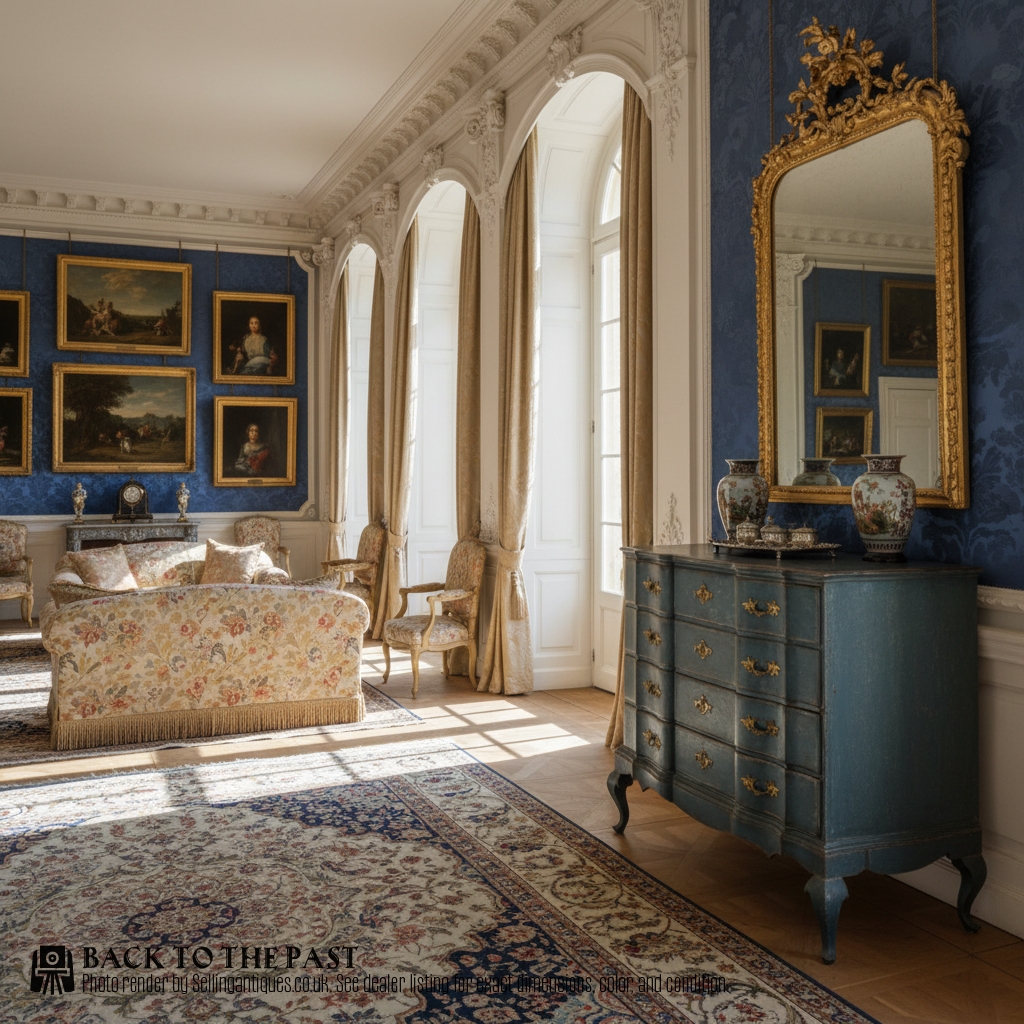
Painted Pine Commode
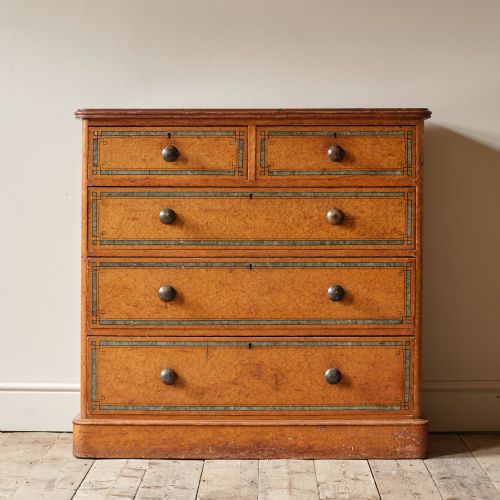
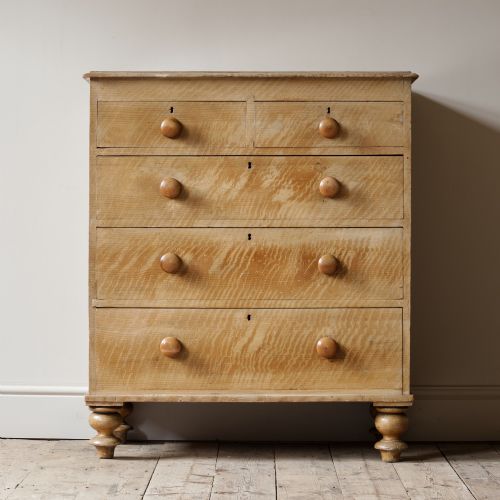
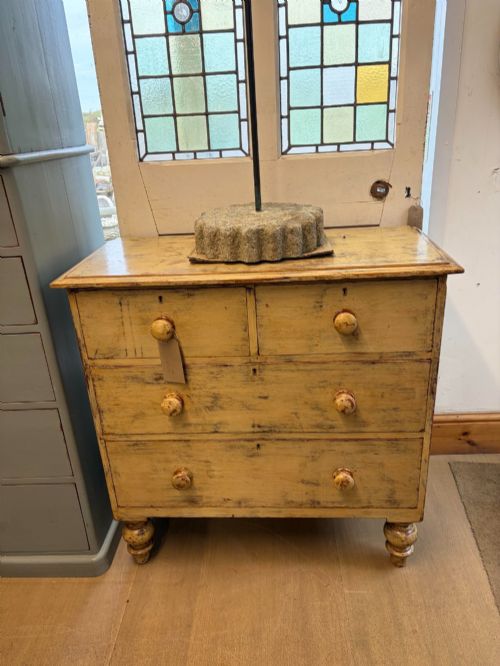
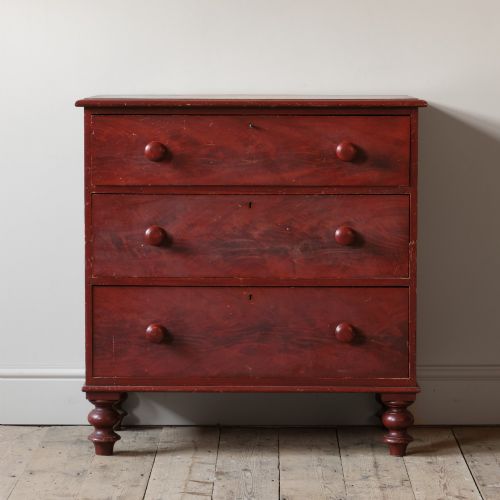
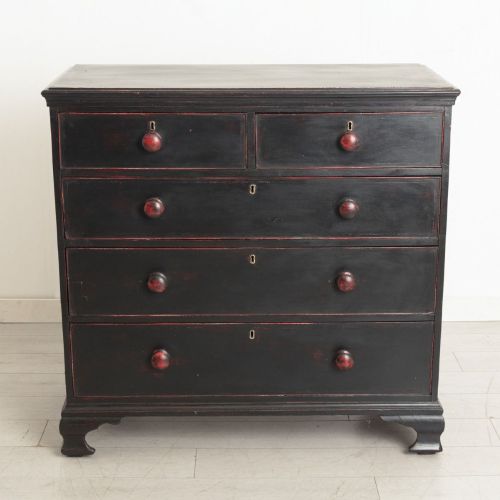
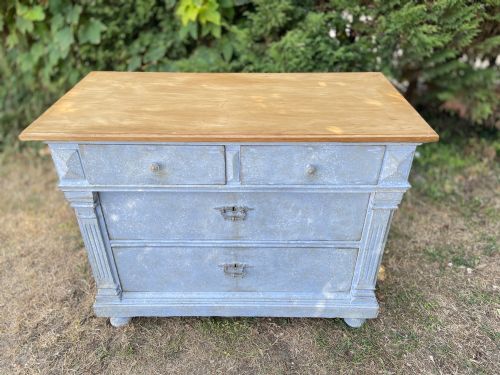
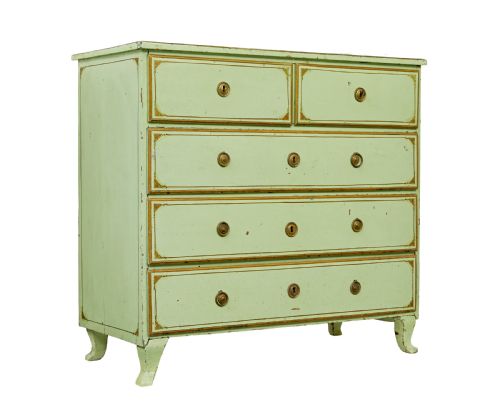
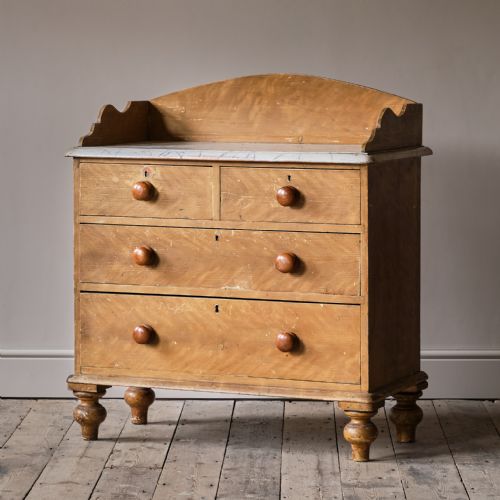
A painted pine commode is primarily a chest of drawers or cupboard constructed from softwood timber and finished with pigmented surface coats. Buyers hunting for a painted pine commode frequently encounter items originating from nineteenth-century British, Swedish, and Hungarian workshops, ranging from compact washstand chests to massive five-drawer storage units.
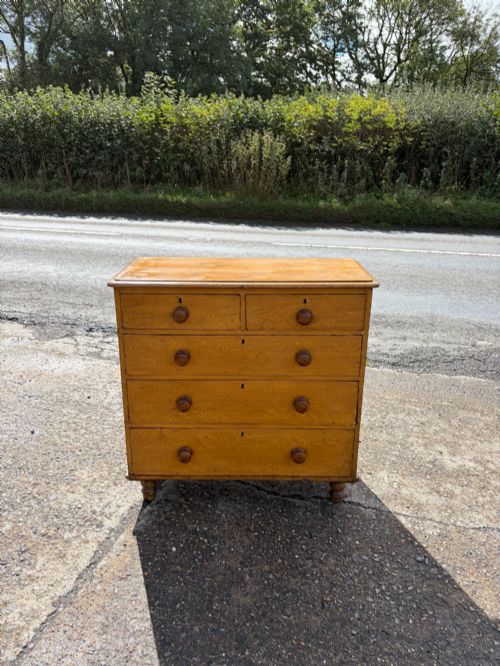
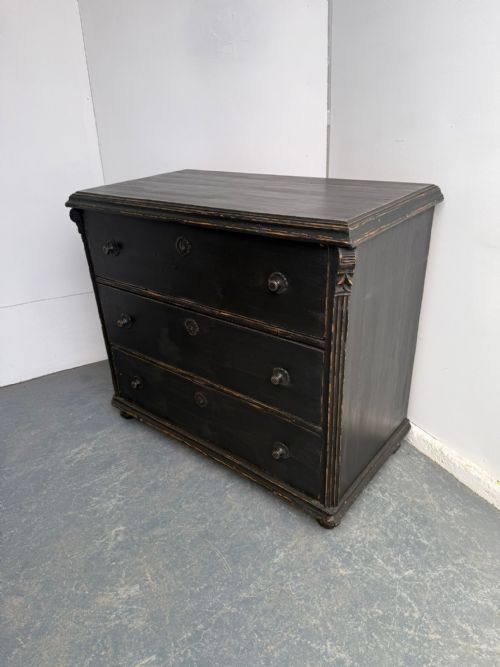
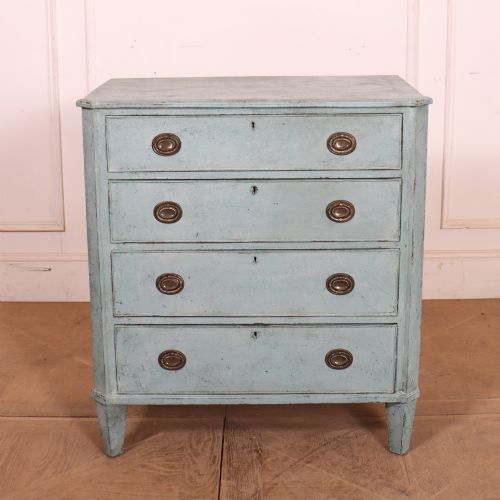
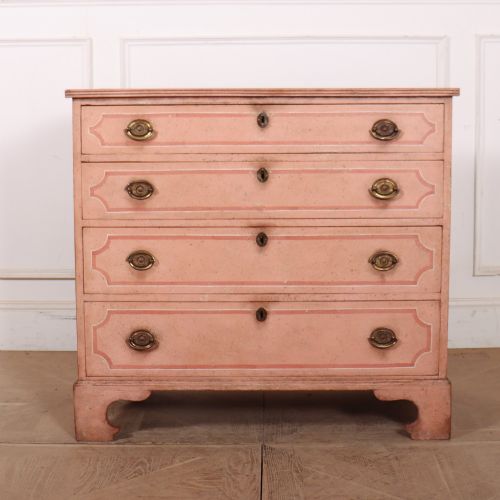
The selection spans distinct regional expressions, including English country pieces alongside Scandinavian Gustavian and Victorian country examples. Many of these chests adopt traditional drawer configurations such as two short drawers over three long ones, while others display serpentine fronts or flat panels depending on their geographic origin.
The form functions equally well as a bedroom storage cabinet or a living space focal point, particularly when retaining its original decorative surface. Survival of the early finish determines much of the visual appeal for collectors seeking authentic provincial furniture.
Materials and construction methods
Makers constructed these commodes using domestic pine timber, assembling carcass frames with traditional joinery before applying surface decoration. Hardware components typically include brass or iron pulls, ceramic knobs, and occasionally metal escutcheons fitted to the drawer fronts.
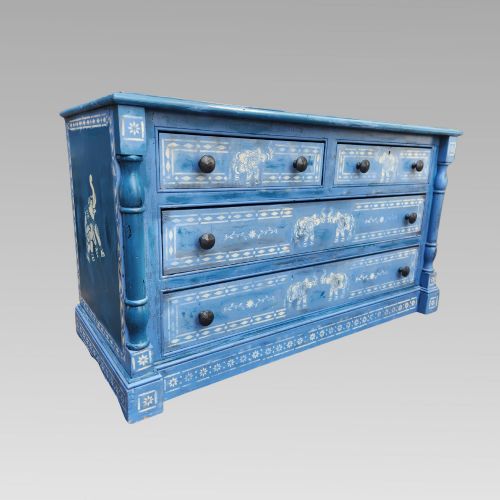
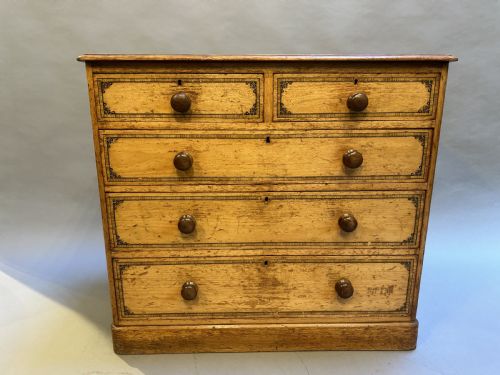
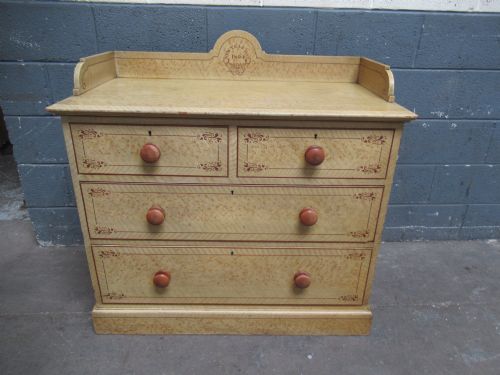
Surface finishes applied to the softwood foundation involve various historic techniques such as hand-mixed oil paints, dark scumble glazes, and stencilled motifs. Certain examples feature simulated wood graining or scraped paint effects designed to mimic more expensive hardwoods or achieve specific regional aesthetics.
Painted Pine Commode Retail Price Guide 2026
Typical asking prices for painted pine commode among the pieces listed under this phrase on Sellingantiques today, from the lower quarter to the upper quarter. They describe what is for sale here now, not the wider market.
Listings feature 19th-century, Victorian, Regency, and 18th-century periods alongside materials like brass, iron, ceramic, and painted wood.
Evaluating quality and authenticity
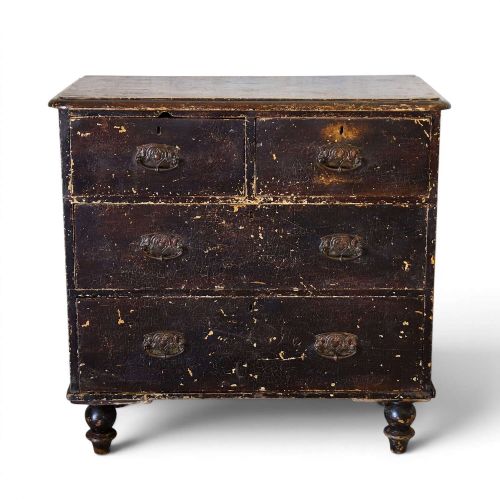
Quality in these pieces rests heavily on the integrity of the surface coating, distinguishing between untampered historic pigment and later repainting. Original scumble, stencilling, or early layers of blue, black, and grey paint contribute substantially to the historical weight of the object.
Carpenter craftsmanship also separates standard utility furniture from finer provincial examples, visible in dovetailed drawer construction and well-fitted timber panels. Proportions matter greatly, with shapely serpentine fronts and carved details indicating higher workshop ambition than plain utilitarian boxes.
Gemla Fabrikers
The Painted Pine Commode Glossary
- Scumble
- A translucent or semi-opaque glaze applied over a lighter base coat to create mottled or textured decorative effects. Workers often dragged combs or brushes through the wet medium to imitate the grain of costly timbers.
- Gustavian
- The Swedish interpretation of neoclassical design, spanning the late eighteenth and early nineteenth centuries. This style employs restrained proportions, pale painted surfaces, and subtle carved detailing.
- Commode
- A low chest of drawers or cabinet designed for domestic storage. The term frequently applies to continental European case pieces rather than strictly British vernacular chests.
- Serpentine
- A furniture front characterised by a curving contour that bulges outward in the centre and recedes at the sides. This undulating shape requires advanced woodworking skill to execute properly on solid pine.
Painted Pine Commode: Frequently Asked Questions
What is a painted pine commode?
A painted pine commode is a wooden chest of drawers or cupboard finished with decorative paintwork rather than polished clear wood. These storage pieces range from simple British country chests to sophisticated Swedish neoclassical commodes.
Craftsmen built them using accessible softwood timbers, transforming ordinary wood into colourful statement furniture for domestic interiors. Their primary purpose remains practical clothing or linen storage while providing distinct visual character.
How do I identify original paint?
Original paint typically exhibits natural wear patterns, minor crackling, and multiple underlying layers visible around edges and handles. Scientific analysis is rarely necessary when tactile evidence points to genuine age.
Evaluating the integration between the hardware and the surrounding paint helps confirm authenticity. Modern repainting often fills crevices too uniformly and lacks the subtle fading accumulated over generations.
Where were these commodes made?
These pieces originate from various European regions, with significant numbers stemming from nineteenth-century Britain, Sweden, and Hungary. Each area developed distinct preferences for colour palettes and decorative motifs.
Swedish workshops leaned towards pale Gustavian greys and blues, while Hungarian and British makers frequently utilised dark scumble, black finishes, or vibrant stencilling. Regional construction traits often reveal the specific geographic source.
How should I care for original painted surfaces?
Preserving original paint requires avoiding harsh chemical cleaners, abrasive cloths, and excessive moisture. Gentle dusting with a dry microfibre cloth protects the fragile historical layers.
Keeping the furniture away from direct sunlight and extreme humidity fluctuations prevents the pine substrate from shrinking and cracking the paint above. Wax or specialised conservation products should only be applied if recommended by a professional restorer.