




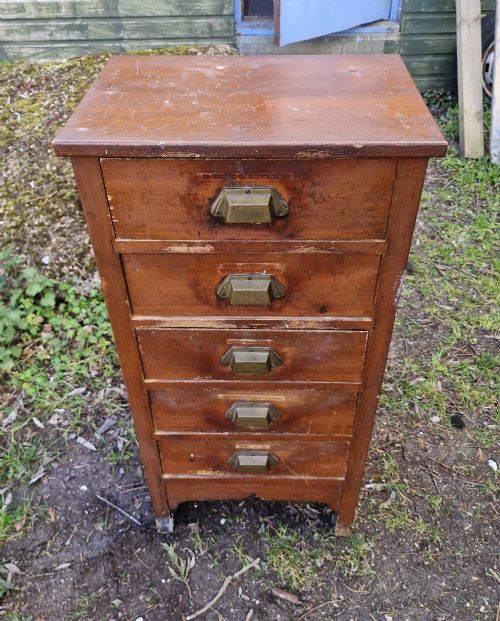
Brown Pine Chest Drawers
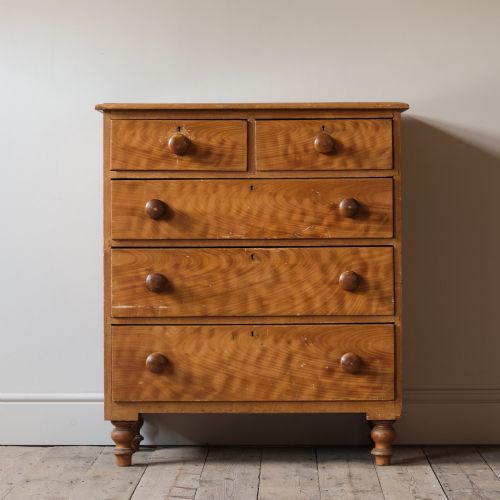
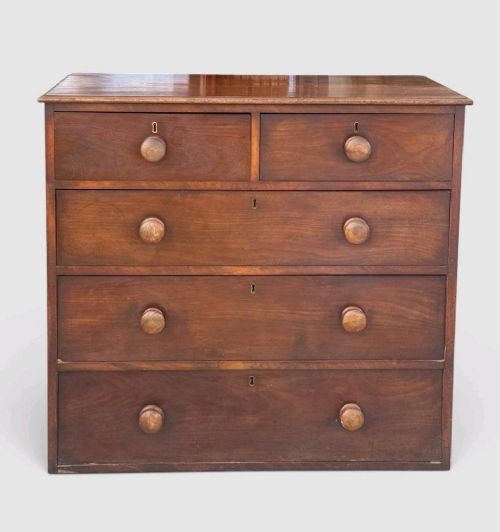
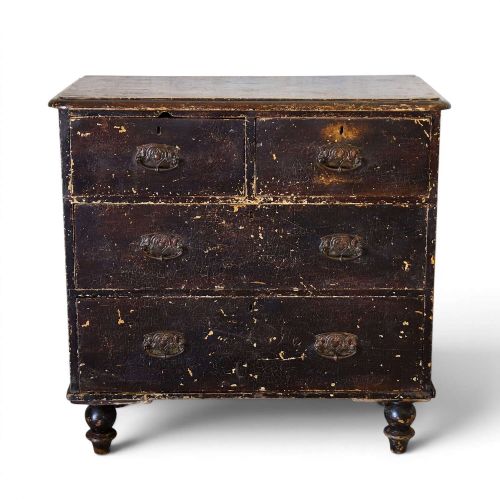
These brown pine chest drawers bring honest utility and character, offering practical storage fashioned from enduring softwood.

Brown Pine Chest Drawers
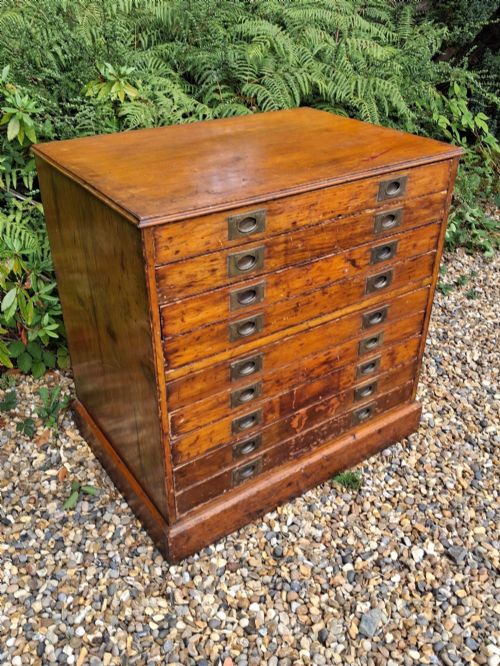
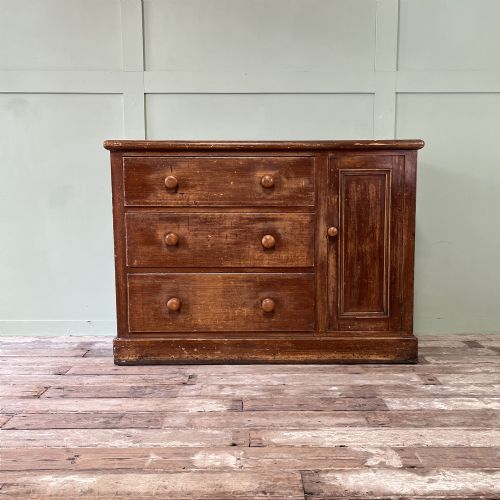
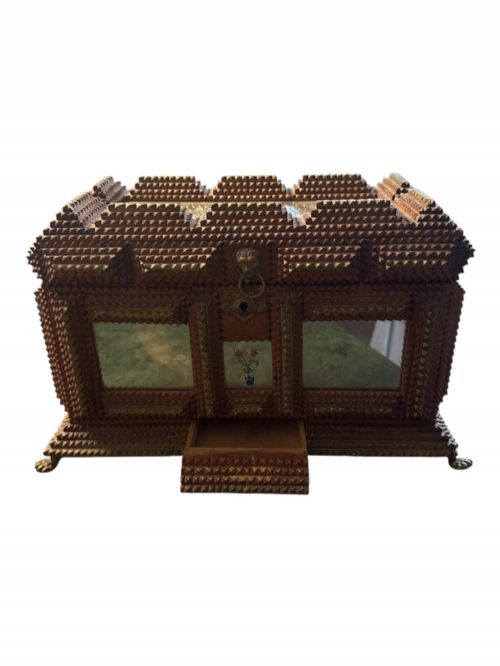
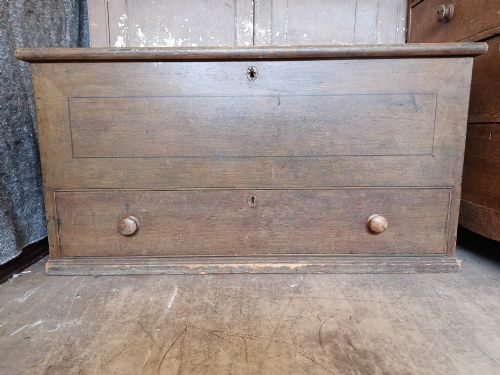
The versions most frequently met on this page belong to the Victorian era and the broader nineteenth century, often displaying regional British craftsmanship. You will find simple bedroom furniture alongside more unusual forms such as multi-drawer office cabinets, mule chests, and shop retail pieces.
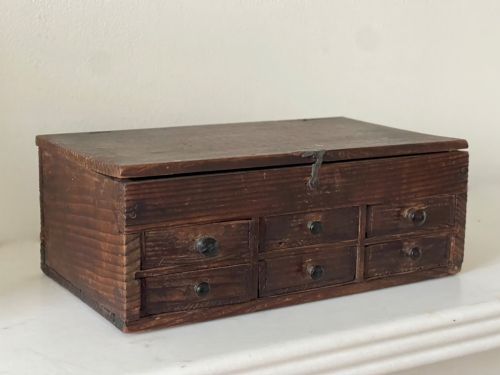
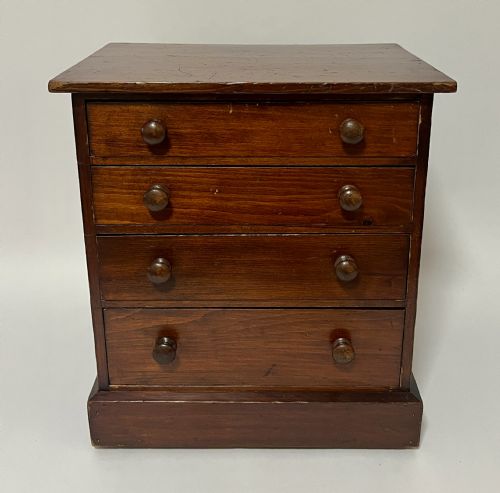
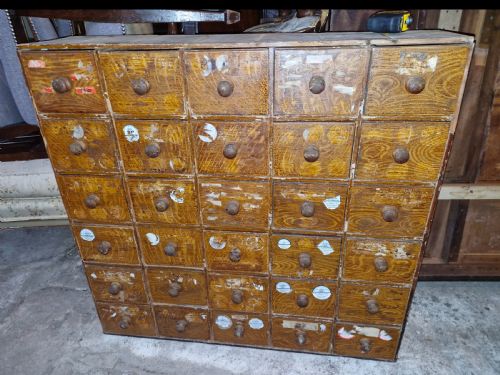
Many of these storage units retain regional characteristics, connecting them to specific uses like pharmacy dispensing, watchmaking, or simple rural home storage. Their forms vary from modest miniature chests to large Scottish and English case furniture designed for heavy daily use.
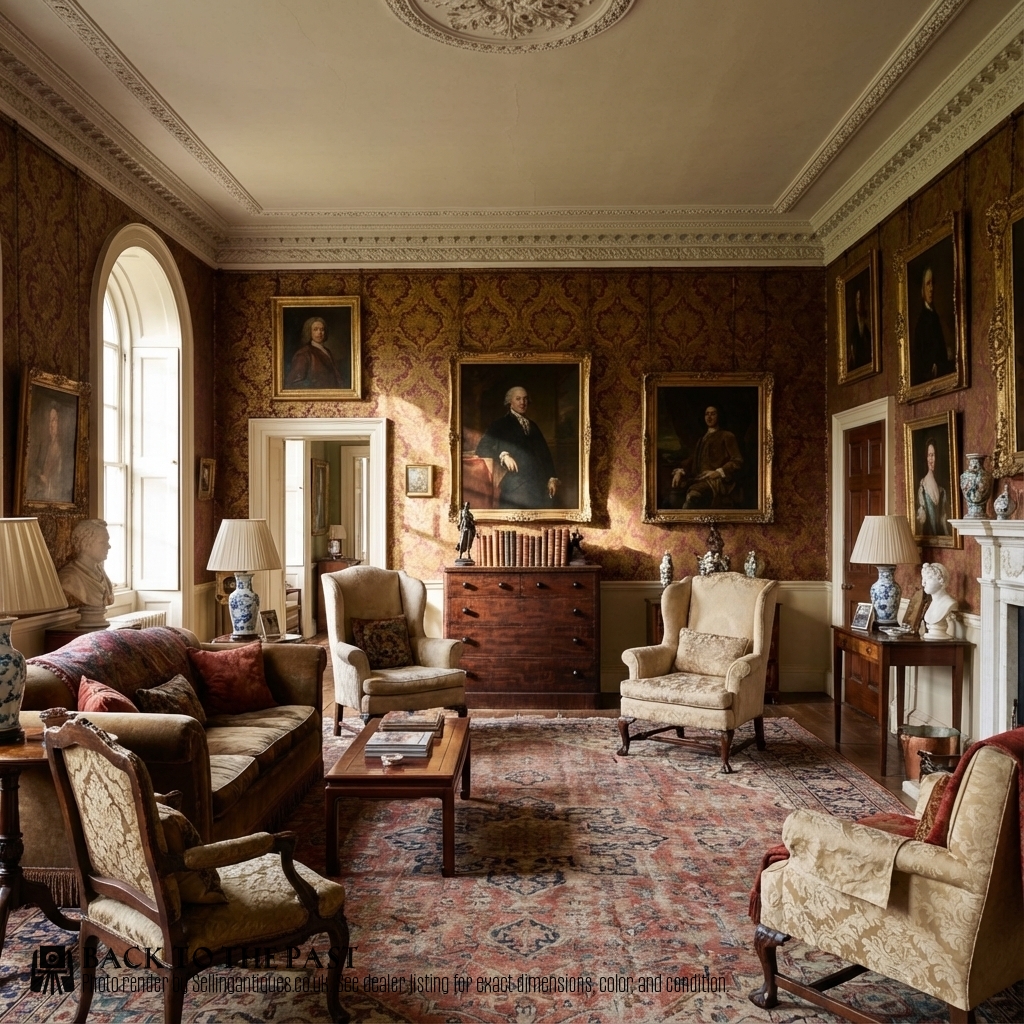
Materials and Construction
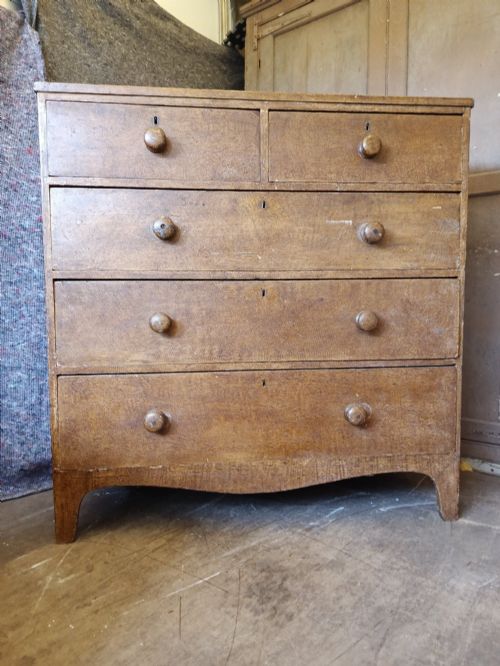
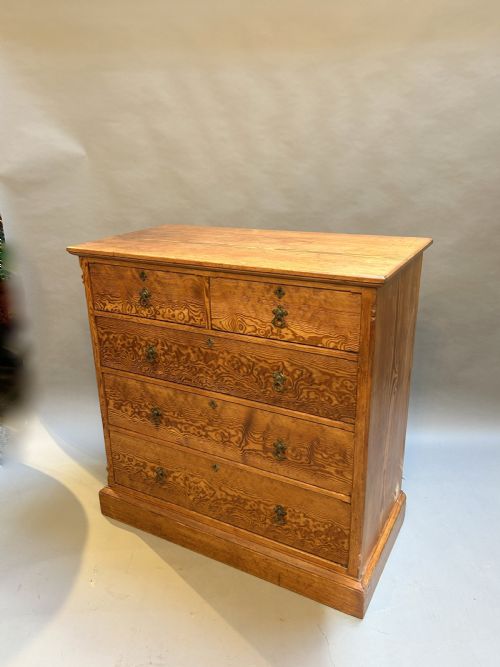
Makers utilised pine, pitch pine, and deal as the primary timbers, frequently enhancing the softwood surfaces with decorative paint finishes such as brown scumble or simulated wood grain. These painted and stained treatments protected the wood while emulating more expensive hardwoods.
Construction relied on traditional joinery methods suited to utilitarian furniture, paired with brass handles, glass elements, and turned wooden knobs for drawer operation. Metal fittings and campaign-style hardware appear on pieces intended for travel or commercial trade.
Brown Pine Chest Drawers Retail Price Guide 2026
Typical asking prices for brown pine chest drawers among the pieces listed under this phrase on Sellingantiques today, from the lower quarter to the upper quarter. They describe what is for sale here now, not the wider market.
Listings feature nineteenth-century pine furniture constructed from standard deal, pitch pine, and oak-and-pine combinations.
Markers of Quality
The distinction between ordinary and superior pieces rests largely on the survival of original surface finishes, such as scumble paint or polished patination, which show the natural ageing of the softwood. Untouched original knobs, feet, and period-correct brass handles elevate the integrity of a piece.
Construction depth also defines the grade of these items, separating standard domestic storage from specialist trade furniture like multi-drawer watchmakers' banks or apothecary chests. Finer mouldings, thoughtful proportions, and robust dovetail joinery separate workshop items from basic utility boxes.
D Napier And Sons·J T Crockett
The Brown Pine Chest Drawers Glossary
- Scumble
- A decorative paint technique involving a translucent top layer dragged or manipulated over a paler base to imitate the grain of richer woods. It became particularly popular on Victorian pine furniture.
- Pitch Pine
- A durable, resinous softwood sourced mainly from North America and frequently used in nineteenth-century ship fittings and high-end cabinetry. It possesses a distinctively bold, figured grain.
- Deal
- An old trade term for fir or pine timber used extensively in British cabinet making. It provided an accessible material for carcase construction and secondary framing.
- Mule Chest
- A traditional storage chest featuring one or two drawers beneath the main compartment. This hybrid form bridged the gap between the traditional blanket chest and the modern drawer unit.
- Apprentice Piece
- A miniature item of furniture created by a craftsman in training to demonstrate mastery of joinery techniques. These smaller objects mirror the full-scale equivalents in detail and proportion.
Brown Pine Chest Drawers: Frequently Asked Questions
How do I identify a Victorian pine chest?
Victorian pine chests generally display hand-cut dovetail joints on the drawer construction, turned wooden knobs, and solid timber backs and drawer linings. Examining the interior surfaces reveals the tool marks of the period.
Many examples from this era also retain original paint treatments, such as brown scumble, or show deep natural patination acquired through decades of domestic use.
Were these chests used in shops?
Many multi-drawer units and banks of drawers served commercial functions in apothecaries, watchmakers' workshops, and retail premises for storing small goods or samples. Their robust construction suited heavy daily handling.
Trade pieces often feature numerous shallow drawers, specific hardware, or maker labels that indicate their original mercantile purpose rather than domestic bedroom use.
How should I clean a painted pine surface?
Painted and scumbled pine surfaces require gentle maintenance using a dry cloth or a slightly damp microfibre cloth to remove dust without disturbing the historic finish. Avoid harsh modern solvents.
Preserving the original paint layer is essential for maintaining the character and historical integrity of nineteenth-century softwood furniture.