




Scumbled Pine Chest
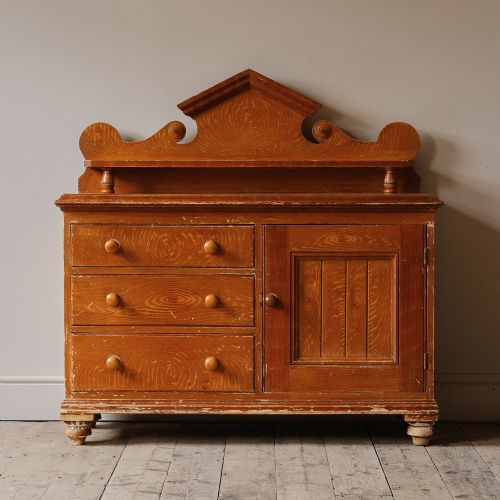
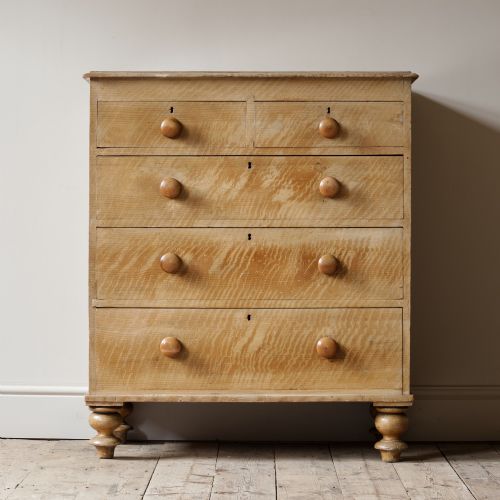
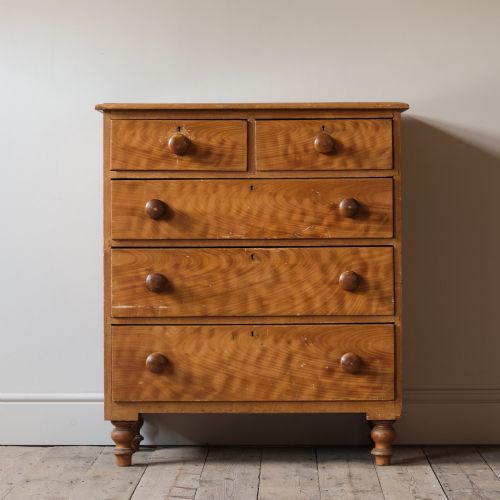
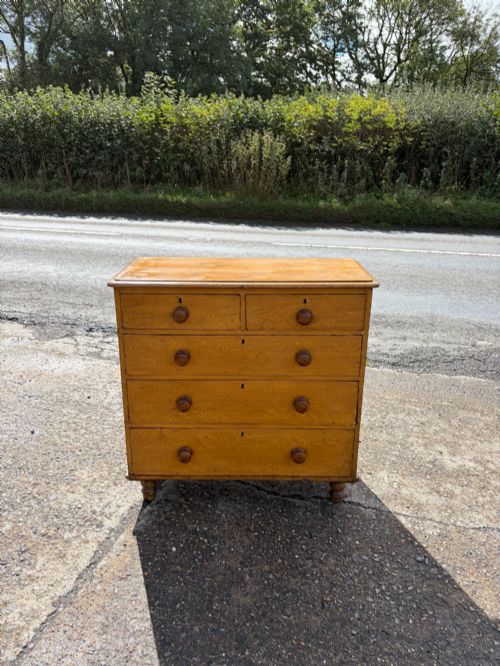
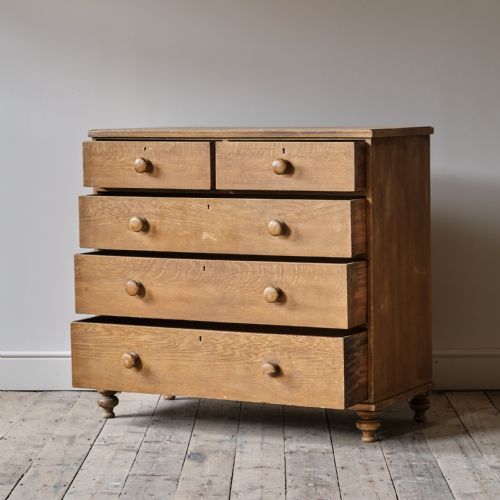
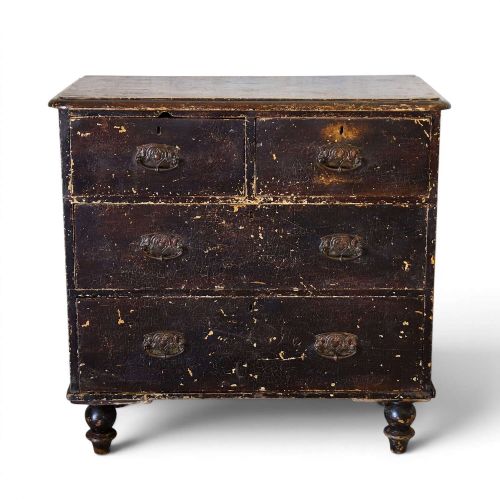
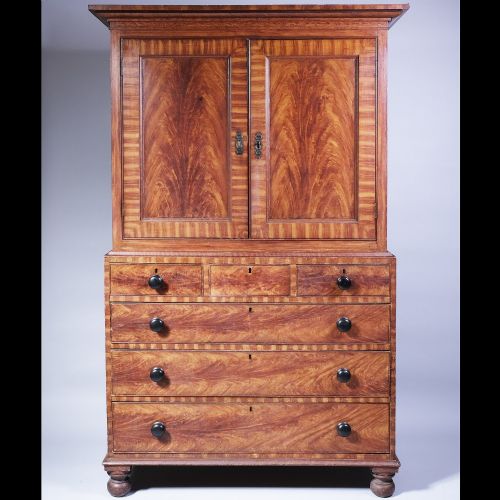
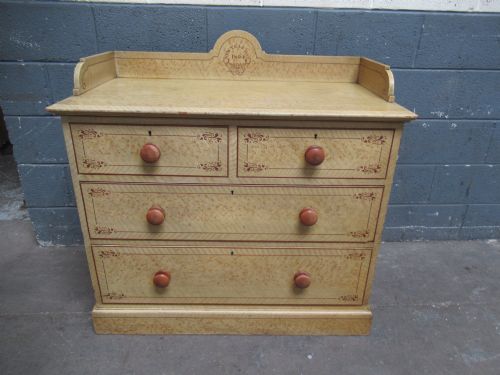
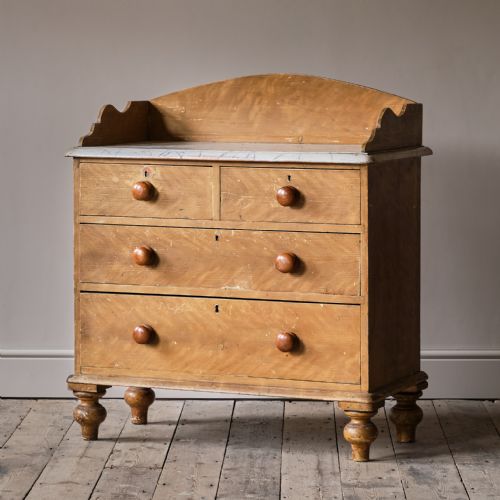
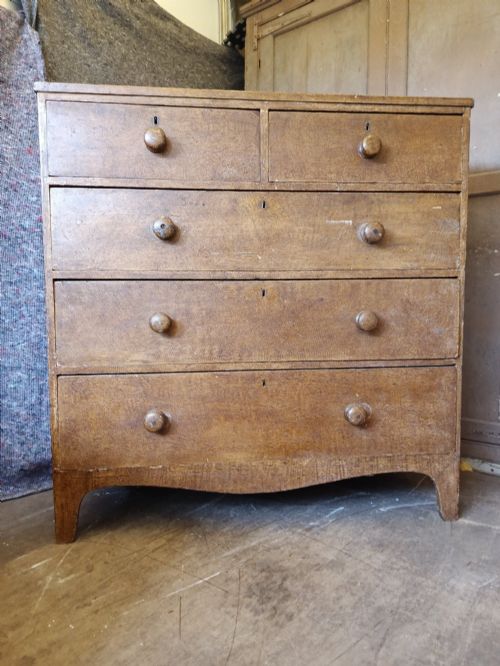
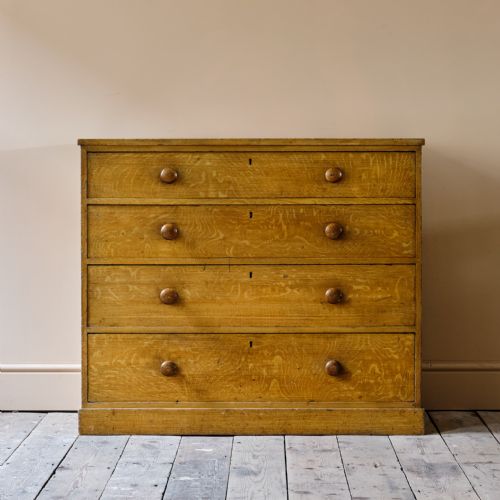
A scumbled pine chest brings genuine surface character and warmth to a room through decorative graining over softwood.
Scumbled Pine Chest
A scumbled pine chest is a sturdy storage piece constructed from softwood and finished with a decorative translucent glaze to imitate rarer timbers like oak or mahogany. You will most frequently encounter nineteenth-century and Victorian examples featuring original brushwork, ranging from standard chests of drawers to blanket boxes and mule chests.
These items originate largely from country houses and domestic settings, encompassing regional variations such as Scottish chests and dressing pieces. The forms span multi-drawer storage units, large trunks, and cupboards, all united by their painted or glazed surfaces.

Materials and construction
Makers built these pieces primarily from solid pine, selected for its utility, and applied oil-based scumble paint or glaze over a lighter base coat. Artisans manipulated the wet top layer using combs, feathers, or brushes to simulate natural wood grain patterns before sealing the finish.
Iron and brass hardware such as drop handles, escutcheons, and hinges punctuate the pine bodies, while occasional ceramic or glass elements appear on dressing pieces.
Scumbled Pine Chest Retail Price Guide 2026
Typical asking prices for scumbled pine chest among the pieces listed under this phrase on Sellingantiques today, from the lower quarter to the upper quarter. They describe what is for sale here now, not the wider market.
One nineteenth-century box was recorded with the delightful spelling 'scrumbled', proving that even furniture finishes sometimes get tongue-tied.
Markers of quality
The distinction between ordinary and superior examples lies in the execution and preservation of the original scumble paint. A richer piece displays deliberate, confident graining manipulation and a pleasing patina that has survived decades of domestic use without heavy modern intervention.
Structural integrity and proportion also dictate worth, with well-joined timber, intact drawers that run smoothly, and hardware that matches the period contributing to a more desirable composition.
The Scumbled Pine Chest Glossary
- Scumble
- A translucent or semi-opaque glaze applied over a lighter painted base to create decorative textures and faux graining effects. Artisans work the wet medium with various tools to imitate expensive hardwoods.
- Pine
- A common softwood utilised extensively for nineteenth-century domestic furniture construction due to its accessibility and workability. It accepts painted and scumbled finishes readily.
- Mule chest
- A traditional storage chest featuring one or more drawers at the base beneath the main lift-top compartment. This form bridges the gap between a simple box and a full chest of drawers.
- Housekeeper cupboard
- A large storage cabinet designed for domestic linen and provisions, often finished in country paint or scumble. These substantial pieces served functional roles in large nineteenth-century homes.
- Wellington chest
- A tall, narrow chest of drawers secured by a hinged vertical locking strip on one side. This specialised form occasionally appears with country house scumble finishes.
Scumbled Pine Chest: Frequently Asked Questions
What is a scumble finish?
Scumble refers to a decorative painting technique where a darker translucent glaze is applied over a paler base coat. Craftsmen then comb or brush the wet layer to mimic the grain patterns of exotic timbers.
This method allowed ordinary pine furniture to present a more affluent appearance while offering durable protection to the softwood underneath.
How do I date these chests?
Dating relies on examining construction methods, timber thickness, hardware types, and the characteristics of the paint layer. Nineteenth-century and Victorian pieces often show hand-cut joints and distinct wear patterns in the glaze.
Comparing the drawer construction and overall proportions to dated examples helps narrow down the decade of manufacture.
Where were these pieces used?
These utility items served in bedrooms, hallways, and domestic service areas of country houses and Victorian homes. They provided robust storage for clothing, linens, and personal possessions.
Their sturdy pine construction made them well-suited for everyday family life away from formal reception rooms.
How do I clean painted pine?
Maintenance requires gentle dusting with a soft cloth and avoiding harsh chemical cleaners that might strip the historic glaze. Preservation of the original surface is paramount for maintaining character.
Applying microcrystalline wax can protect the aged paint layer without altering its historic appearance.