


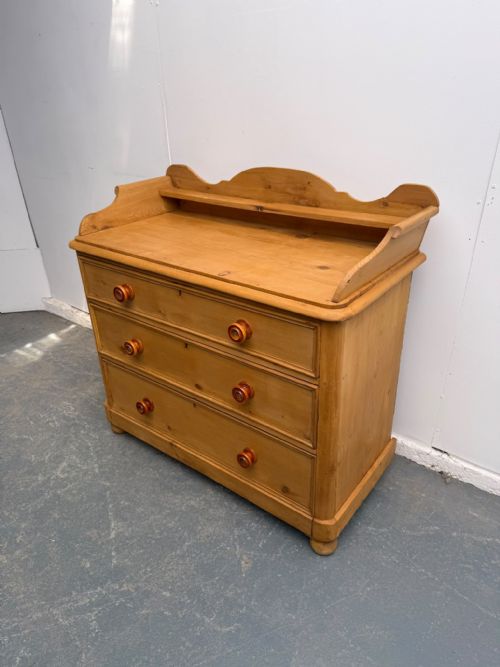
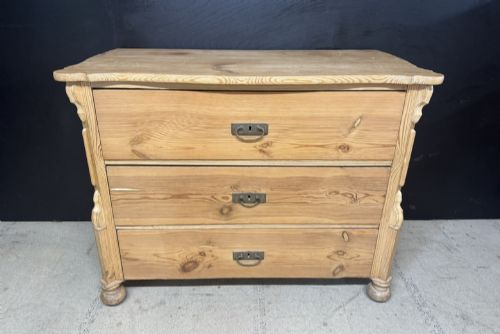
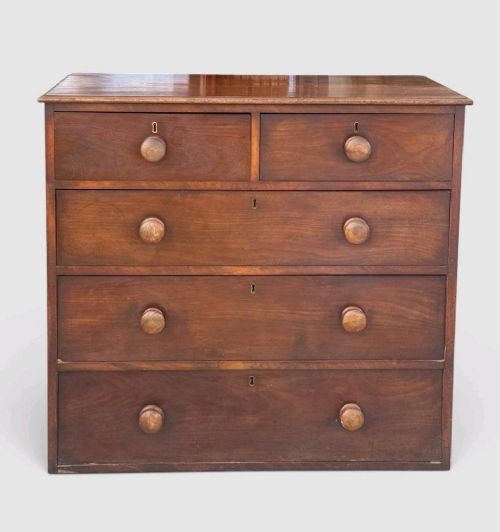
Victorian Pine Commode
A victorian pine commode brings honest domestic storage and warm timber grain into a modern bedroom with effortless rural charm.
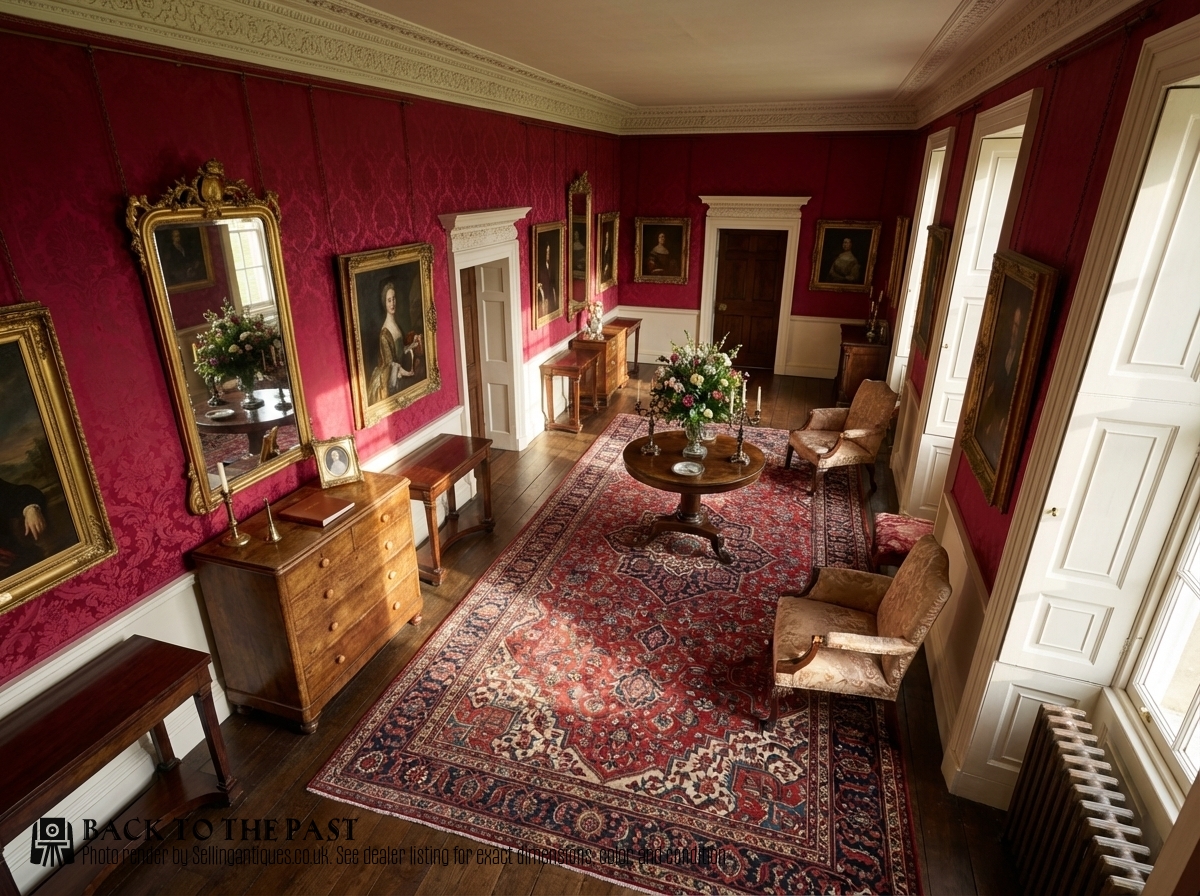
Victorian Pine Commode
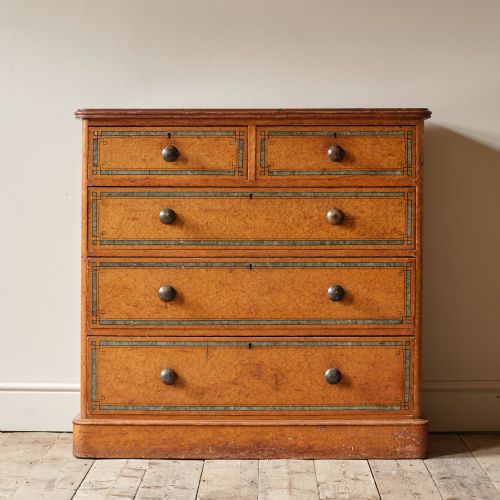
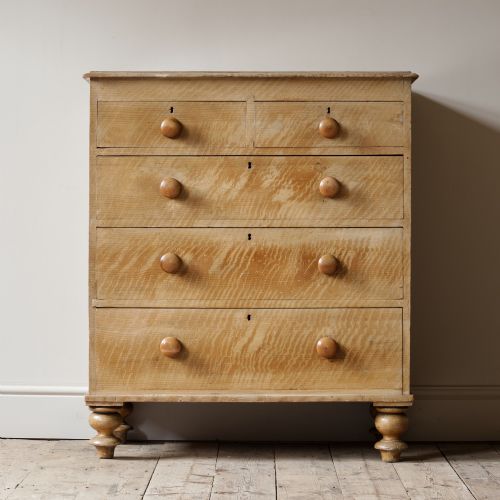
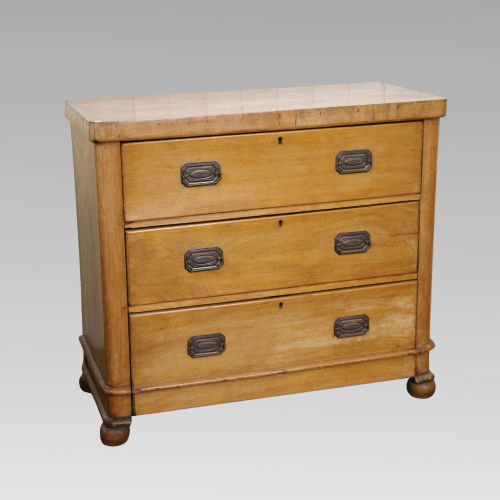
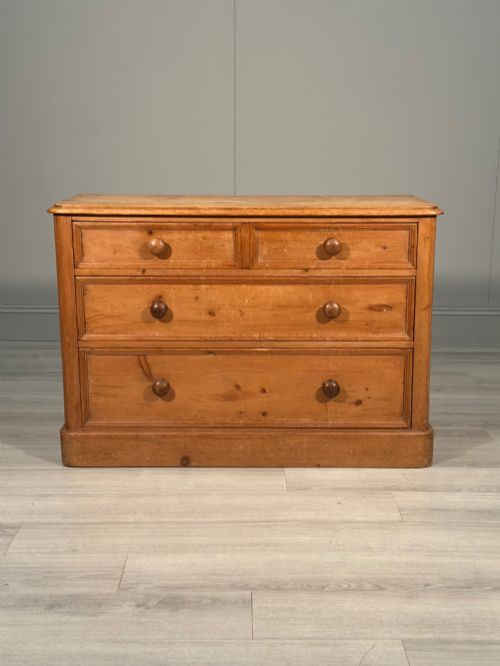
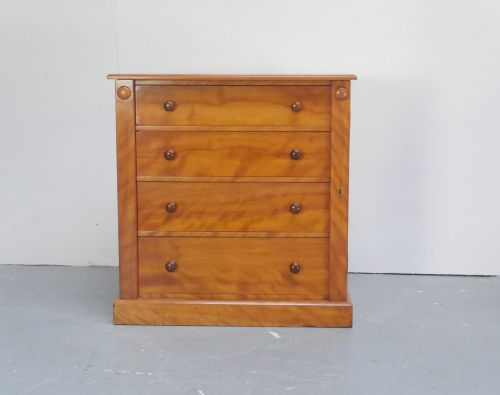
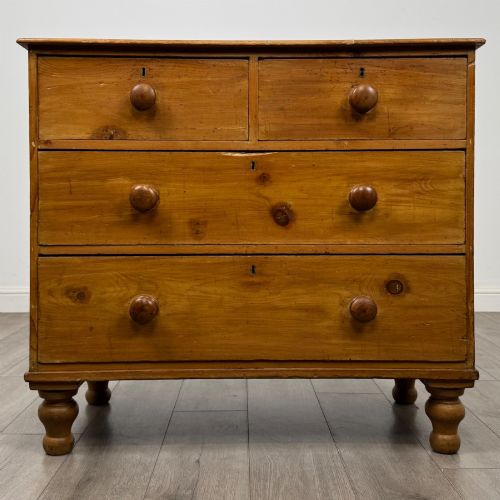
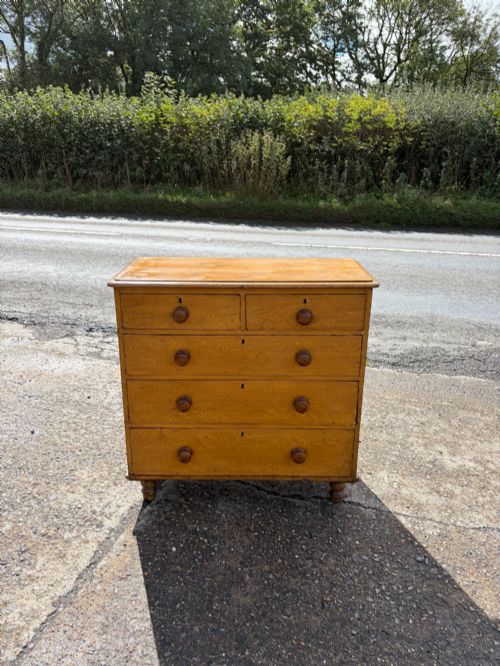
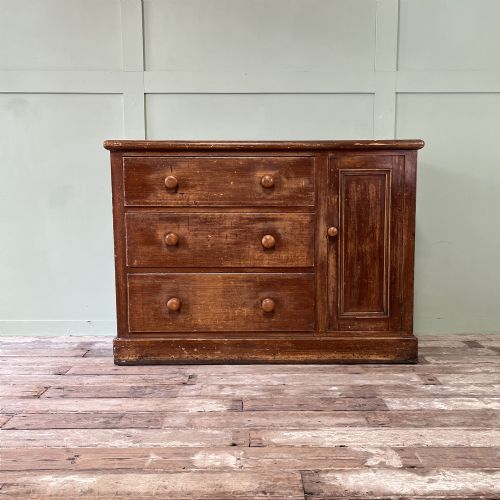
A victorian pine commode typically appears as a sturdy chest of drawers utilised for bedroom storage throughout the nineteenth century. Buyers encounter standard upright configurations as well as low wide formats and washstand variants.
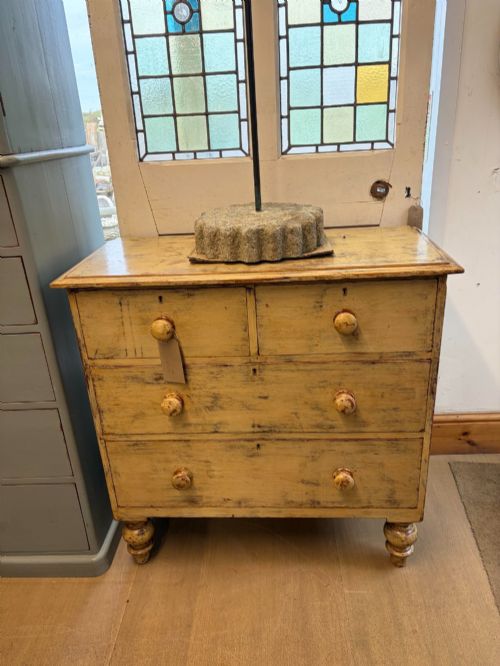
Most examples originate from English and continental workshops, displaying regional vernacular traits such as shaped bases and bun handles. The form ranges from modest three-drawer arrangements to massive six-drawer pieces.
Makers constructed these sturdy chests to serve everyday domestic needs rather than grand formal reception rooms. Consequently, surviving examples show the honest wear of generations of practical household use.
Construction and materials
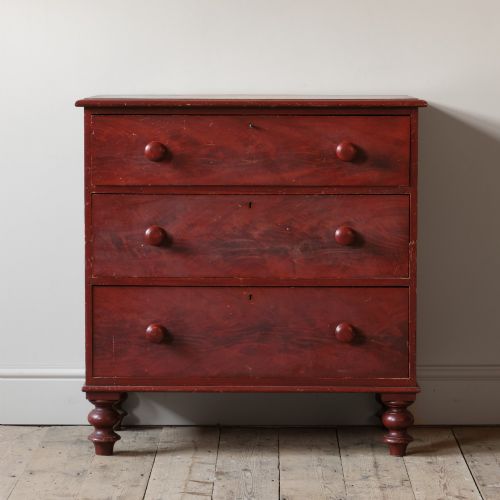
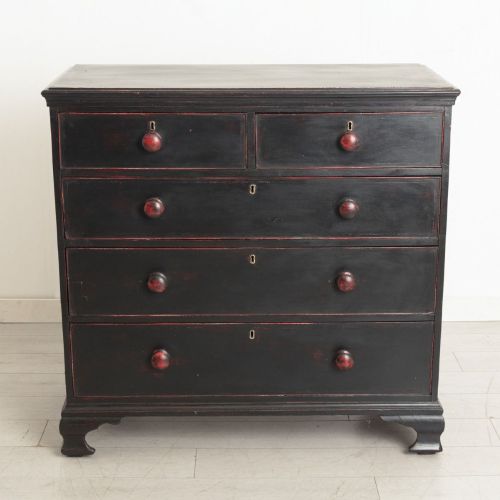
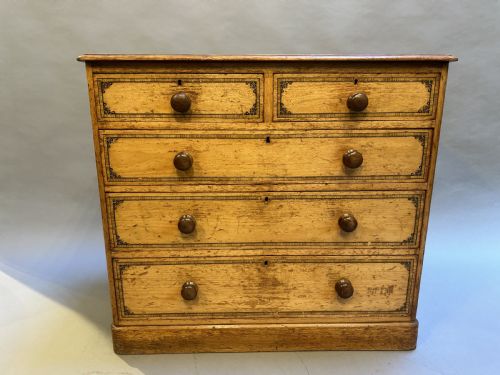
Cabinet makers built these pieces primarily using solid pine and pitch pine, sometimes finished with bone or metal hardware. Workshops applied surface treatments ranging from simple transparent wax to dark scumble paint and stencilled decoration.
Many surviving chests retain their original paint surfaces or scrubbed timber tops developed through decades of daily scrubbing. Joinery typically relies on traditional hand-cut joints designed to withstand heavy daily service.
Victorian Pine Commode Retail Price Guide 2026
Typical asking prices for victorian pine commode among the pieces listed under this phrase on Sellingantiques today, from the lower quarter to the upper quarter. They describe what is for sale here now, not the wider market.
The furniture forms on this page include standard chests of drawers, low wide storage units, and washstands dating from eighteen-fifty to nineteen-hundred.
Judging quality and finish
Quality rests in the survival of original painted or waxed surfaces rather than a sterile factory finish. Pieces retaining authentic scumble paint or early stencilling command greater interest than those stripped down to bare timber.
Structural integrity and timber selection also divide the ordinary from the exceptional. Dense pitch pine construction and well-proportioned drawer configurations demonstrate superior workshop origins.
Howard and Sons
The Victorian Pine Commode Glossary
- Pitch pine
- A dense resinous softwood utilised for robust nineteenth century furniture. It provides distinct grain patterns and exceptional durability.
- Scumble paint
- A translucent decorative glaze dragged or brushed over a base coat to imitate finer wood grains. It appears frequently on rustic vernacular storage pieces.
- Washstand
- A specialised functional furniture form combining a surface for washing apparatus with storage drawers below. They often double as standard chests in modern settings.
- Bun handle
- A small rounded turned wooden pull fixed to drawer fronts. These tactile handles characterise many traditional country pieces.
Victorian Pine Commode: Frequently Asked Questions
How do I style a pine chest?
A victorian pine commode anchors a bedroom scheme with its warm timber tones and honest proportions. Pair it with simple textiles and neutral walls to let the natural grain or painted surface stand out.
Alternatively, use the sturdy top surface to display ceramic vessels or framed prints. The neutral character of aged softwood suits both contemporary minimalist spaces and traditional country interiors.
Were these chests painted originally?
Many nineteenth century pine chests received decorative surface treatments when new. Workshops applied scumble glazes, flat colours, or stencilling to protect the softwood and imitate costlier hardwoods.
Over decades, some owners stripped these painted finishes to expose the raw grain beneath. Surviving examples that retain their original paint layer offer a remarkably authentic historical appearance.
What is the difference between standard and pitch pine?
Standard pine offers a lighter, softer timber commonly found in everyday domestic furniture across the British Isles and Europe. It absorbs wax finishes readily and develops a gentle patina.
Pitch pine contains higher resin content, yielding a heavier structure with pronounced, dramatic grain patterns. This denser material was frequently selected for more demanding commercial and domestic applications.
How do I care for waxed pine furniture?
Maintain waxed pine surfaces by applying a quality beeswax furniture polish sparingly and buffing with a soft cloth. Avoid placing these chests near direct heat sources or strong sunlight, which can dry out the historic timber.
Routine dusting keeps the wax finish healthy without requiring harsh chemical cleaners. Gentle upkeep preserves the soft sheen built up over generations of use.