
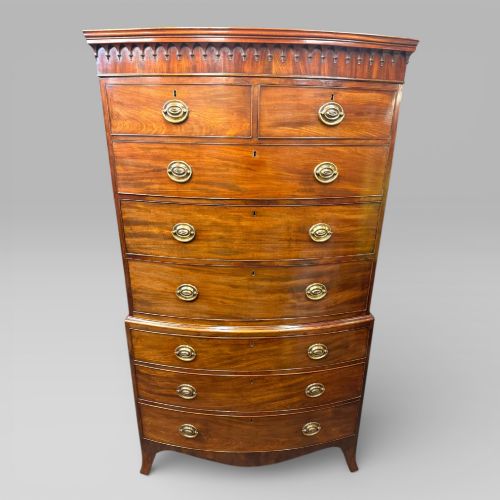
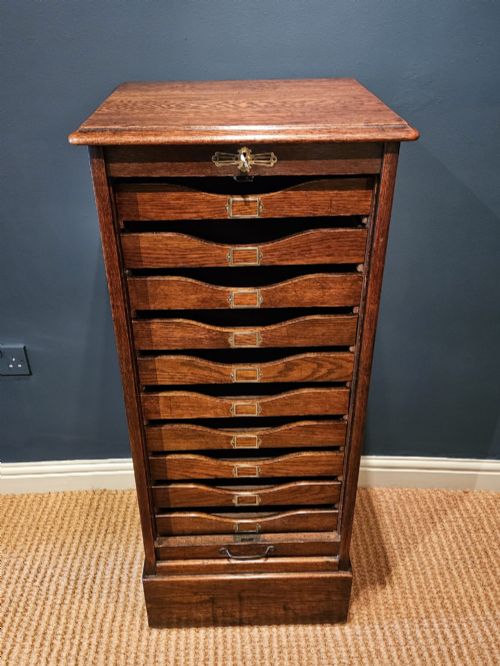


Vintage Wooden Chest Drawers
These vintage wooden chest drawers deliver robust storage and rich timber grain, offering practical utility and period character for any interior.
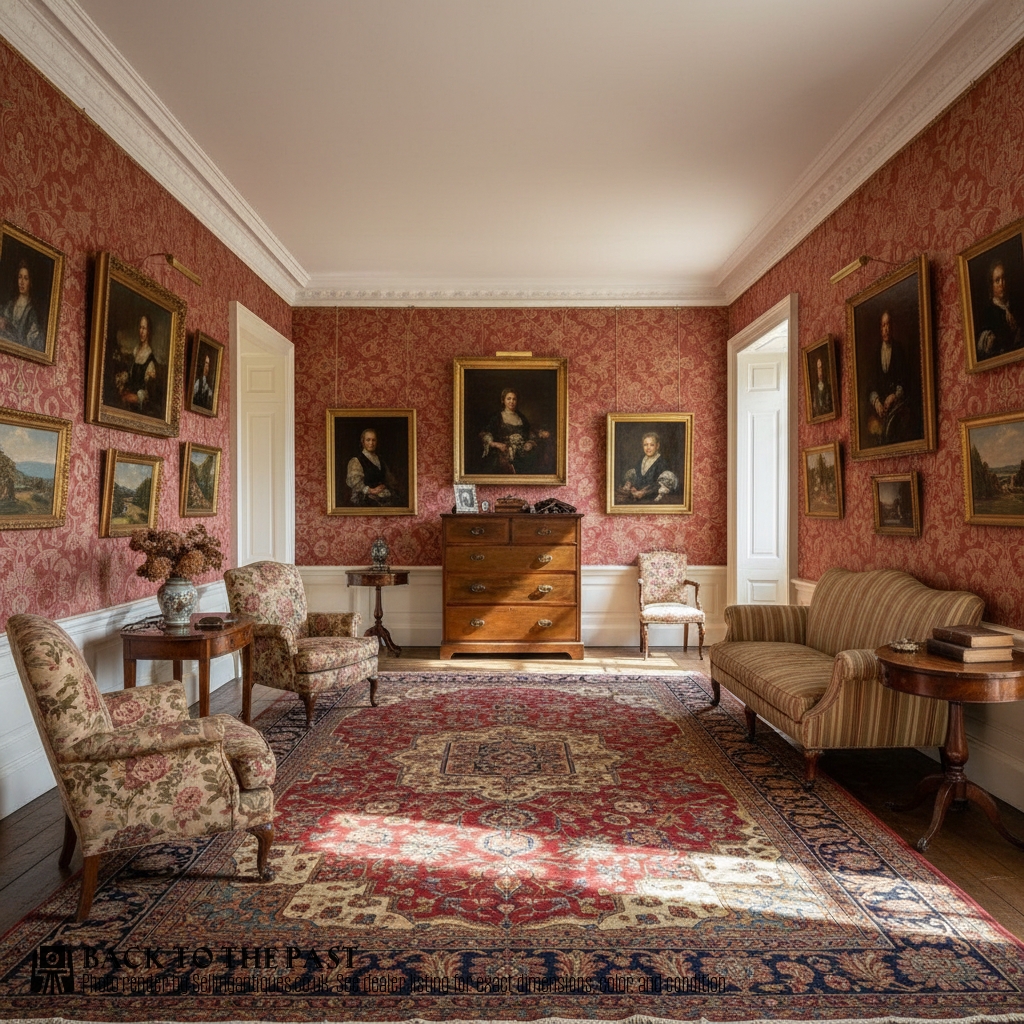
What vintage wooden chest drawers are
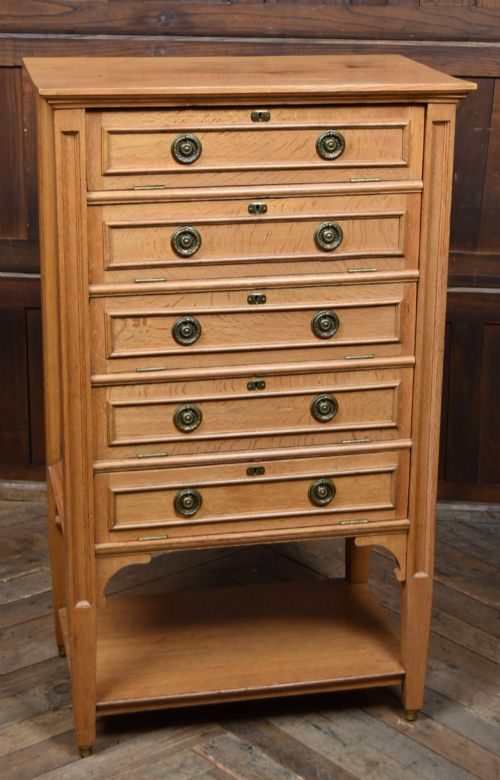
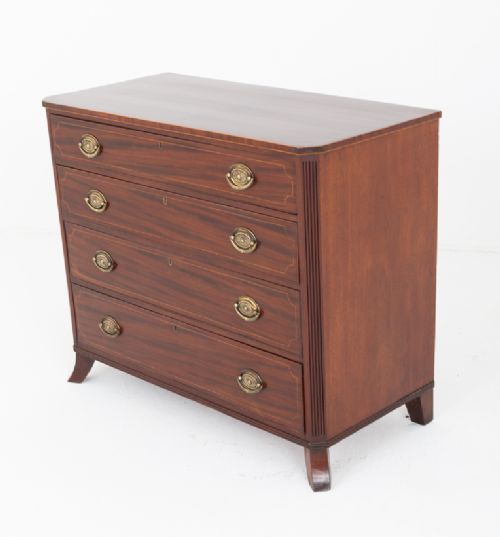
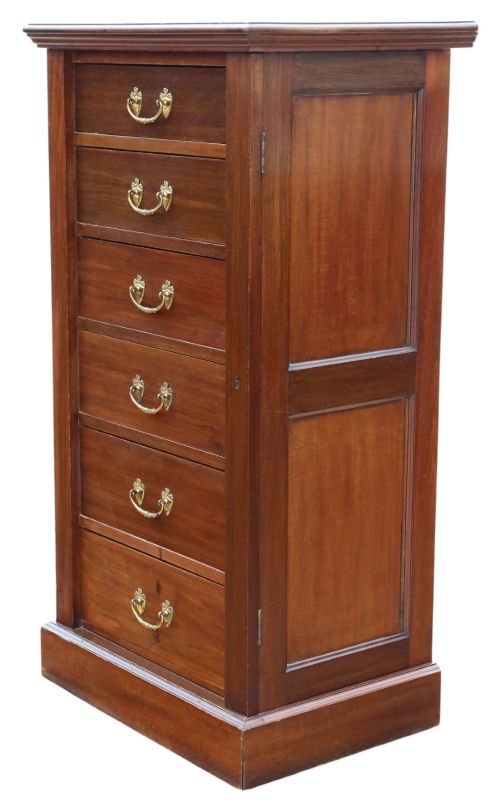
Vintage wooden chest drawers provide essential bedroom and living space storage through stacked horizontal compartments enclosed in timber carcases. These pieces span the Victorian, Edwardian, and early twentieth century periods, reflecting domestic utility across several decades.
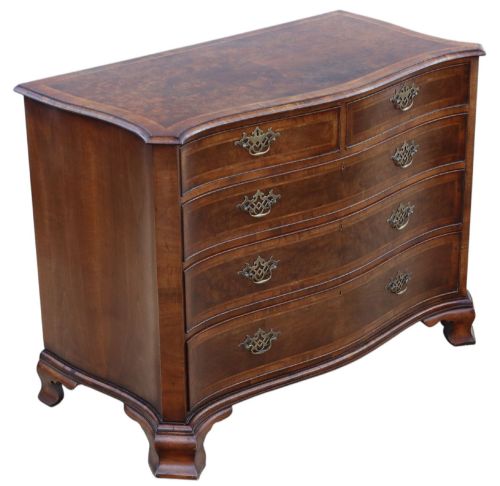
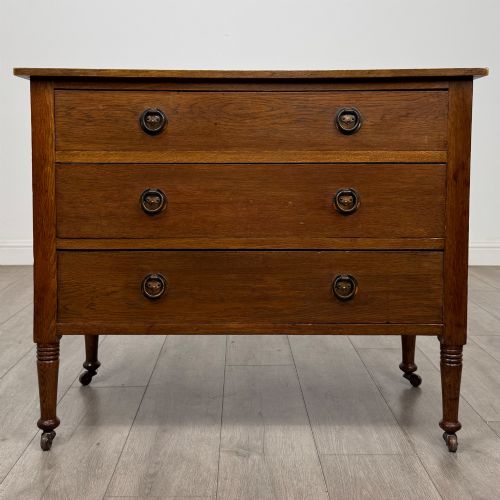
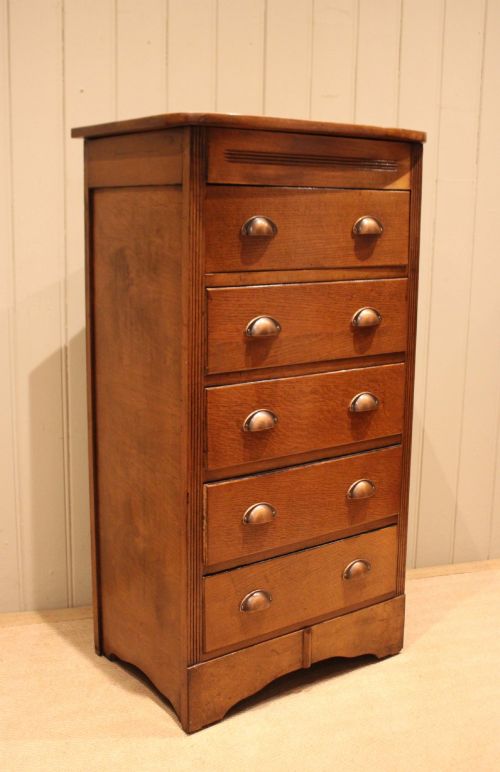
The inventory on this page ranges from compact narrow proportions and low wide configurations to classic two-over-two deep drawer arrangements. Examples vary from unpainted waxed surfaces to hand painted scumbled finishes and inlaid decorative details.
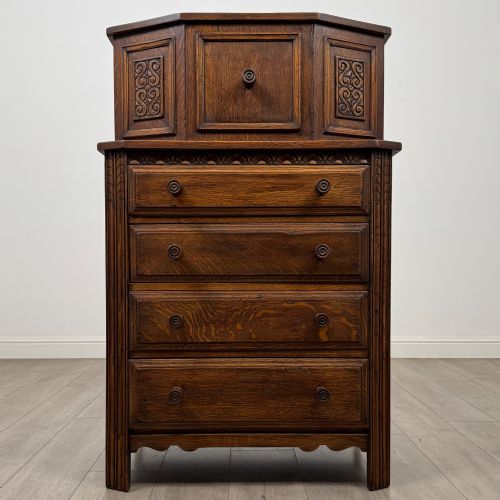
Buyers encounter traditional forms shaped by nineteenth century country vernacular alongside more formal Georgian style influences. Mahogany, oak, and pine serve as the primary woods underpinning these functional domestic items.
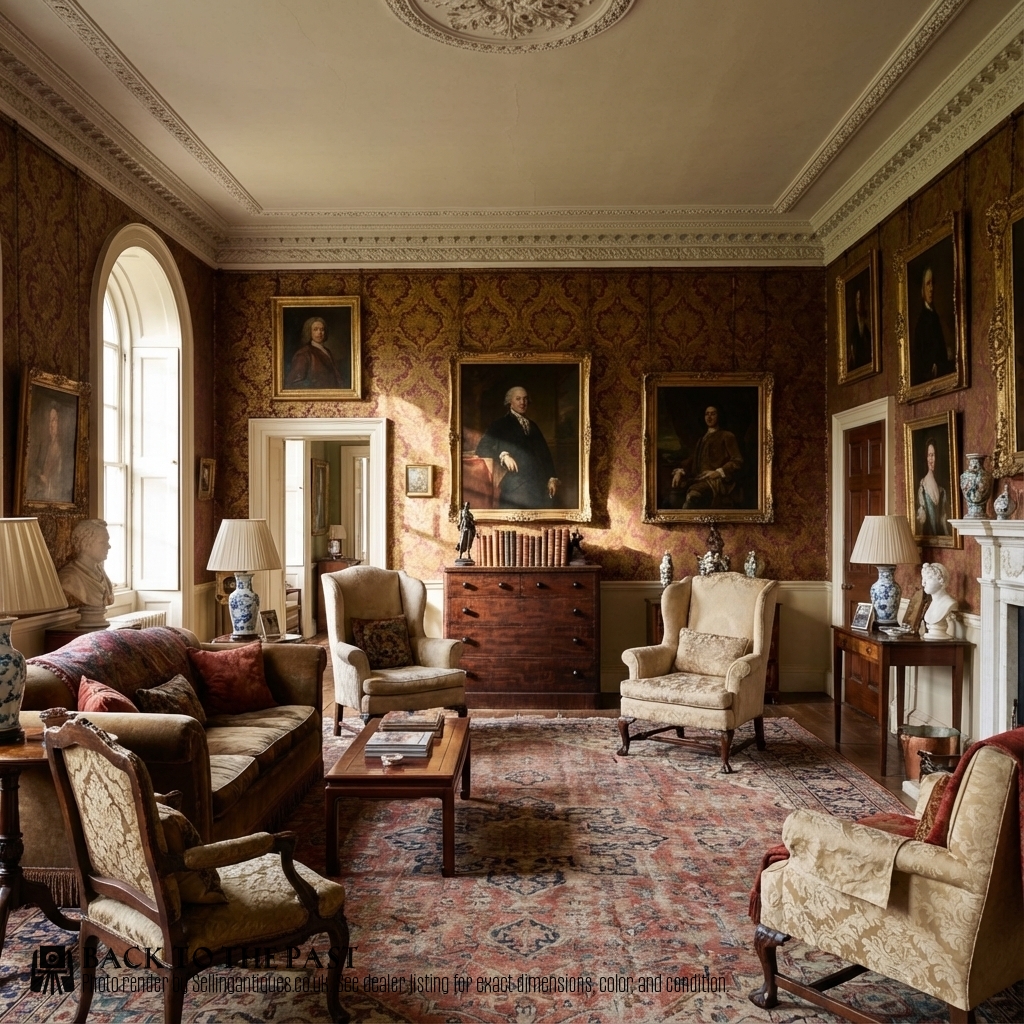
How they were made
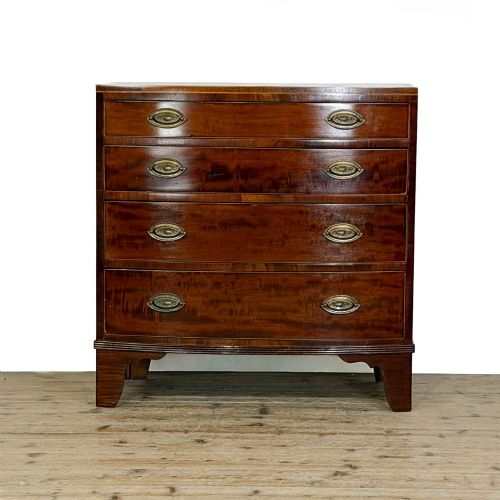
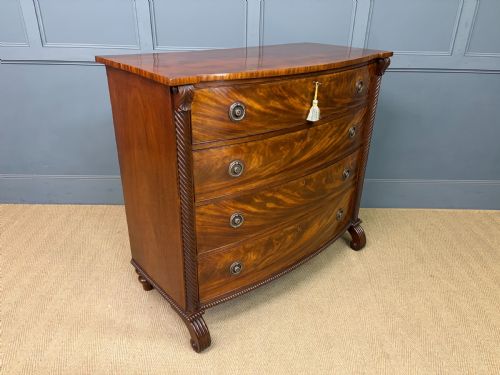
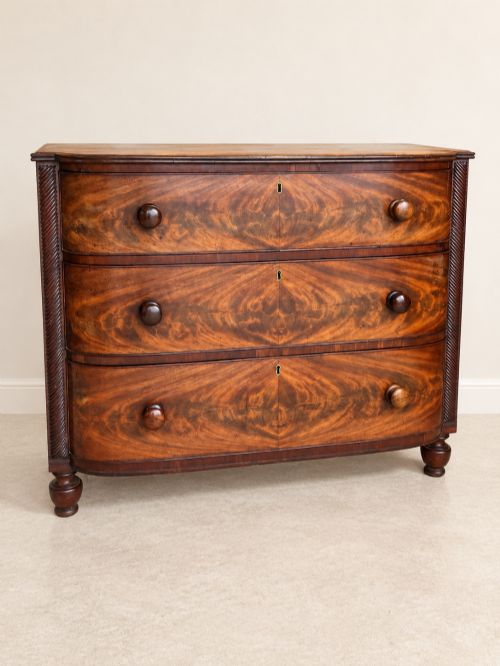
Cabinet makers constructed these carcases using solid hardwoods such as mahogany and oak alongside softwood alternatives like pine. Carpenters applied flame mahogany veneer to prominent drawer fronts to showcase dramatic wood grain patterns.
Makers integrated brass hardware including drop handles and escutcheons to secure and operate the sliding compartments. Surfaces received protective and decorative treatments ranging from clear wax polish to hand painted scumble glazes.
Retail Price Guide 2026
Typical UK retail prices for vintage wooden chest drawers, calculated from the Sellingantiques database of over a million retail prices indexed since 2003. This retail price guide relies exclusively on Sellingantiques data; no external sources or auction records are used, so the figures do not describe the wider market.
Scumbled pine chests required painters to drag combs through wet glaze, mimicking expensive timber with clever brushwork.
What varies in quality
The refinement of the timber selection dictates the visual standing of each piece, distinguishing simple utility items from pieces featuring figured flame veneers and intricate inlay. Cabinet making skill shows in the tidy alignment of drawer tiers and the crisp execution of proportions.
Surface treatments create distinct tiers of character, ranging from honest scrubbed or waxed pine finishes to highly polished cabinet woods. Original brass furniture and untouched patination elevate the integrity of the piece far above later replacements.
The Vintage Wooden Chest Drawers Glossary
- Scumbled
- A decorative paint technique involving dragged or layered translucent glazes over a lighter base coat to imitate richer timber grains. It appears frequently on nineteenth century country pine furniture.
- Flame mahogany veneer
- A thin slice of timber cut from where a branch joins the main trunk, displaying a fiery, repeating flame pattern. Cabinet makers applied this to key visual areas like drawer fronts.
- Escutcheon
- A protective plate surrounding the keyhole of a drawer or door, typically cast in brass. It prevents the surrounding wood from splintering during repeated use.
- Two over two
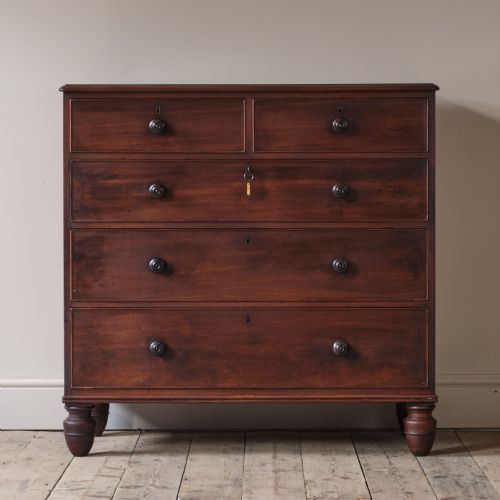
- A drawer configuration featuring two smaller drawers positioned side by side above two wider full width drawers below. This arrangement became standard in many nineteenth century proportions.
- Carcase
- The main structural body or frame of a chest of drawers, excluding the removable drawers and feet. Its construction quality determines the overall longevity of the piece.
Frequently Asked Questions
What periods do these chests cover?
The selection spans the nineteenth and early twentieth centuries, encompassing Victorian, Edwardian, and nineteen-twenties examples. These encompass both formal cabinet woods and country workshop pieces.
Dating relies on construction methods, timber choices, and stylistic markers recorded across the inventory.
Which woods are most common?
Mahogany and pine dominate the selection, accompanied by oak and select flame mahogany veneers. Each timber brings distinct weight and colouration to the finished item.
Softwoods typically appear in country pieces and painted finishes, while denser hardwoods support formal polished designs.
How do I choose the right size?
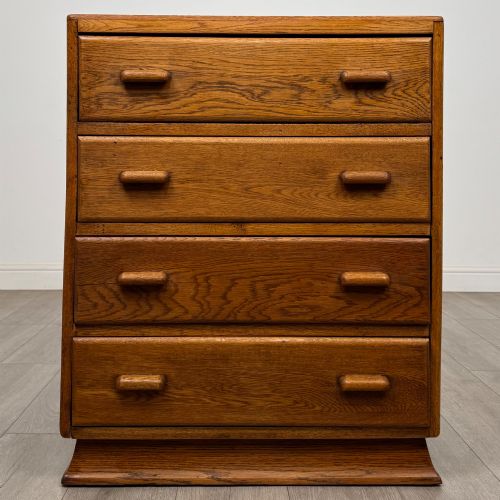
Consider both floor footprint and drawer depth when matching a chest to your room layout. Narrow configurations suit tighter spaces, while low wide options provide expansive surface utility.
Drawer arrangements like two-over-two layouts alter internal storage compartments significantly compared to standard four drawer stacks.
Are the finishes original?
Finishes range from historic waxed surfaces and clear polishes to decorative hand painted scumble treatments. Each finish reflects the functional context and aesthetic of its original period.
Patination develops naturally through decades of domestic use, handling, and maintenance.