
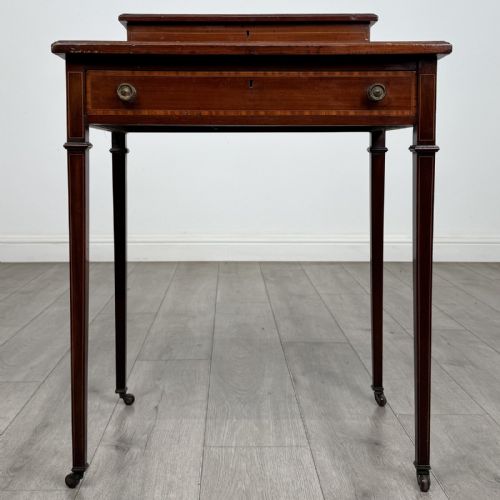
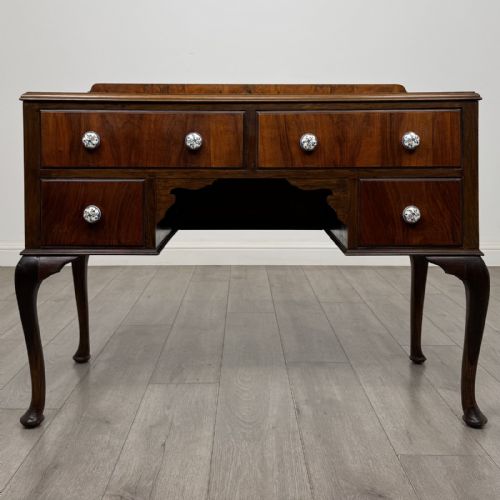
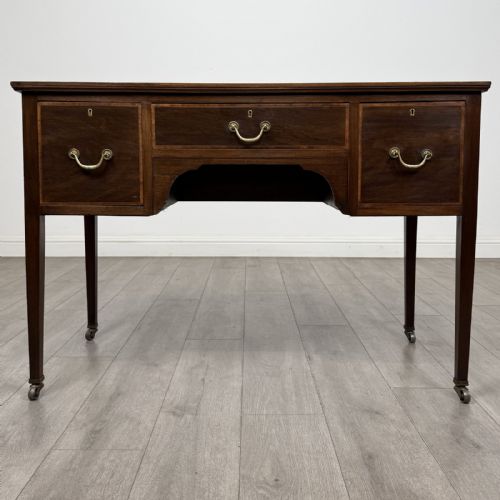
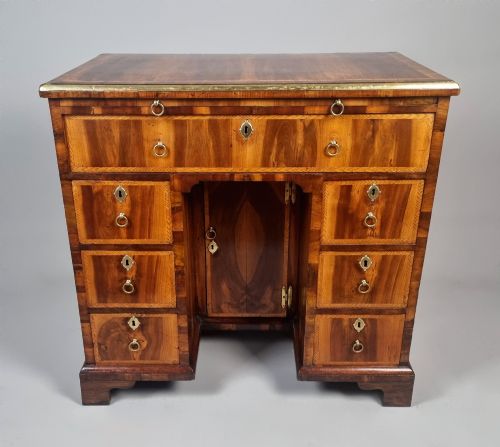
Antique Wood Bureau
When you search for an antique wood bureau, you find practical writing furniture designed with a sloping fall-front that conceals fitted pigeonholes and drawers.
Antique Wood Bureau
The term antique wood bureau covers freestanding writing cabinets featuring a hinged writing flap that drops forward for use. These practical desks emerged in various forms across the eighteenth and nineteenth centuries, alongside related bureau bookcases and secretaire designs.
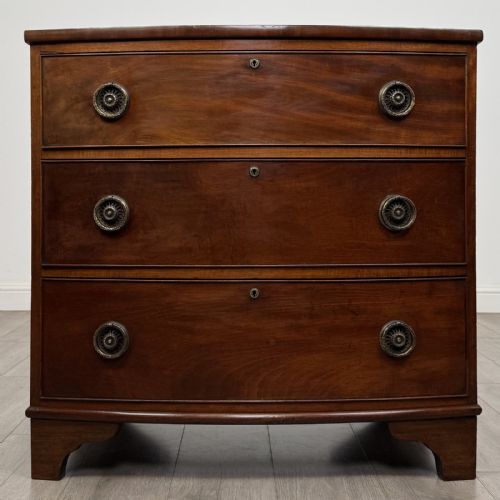
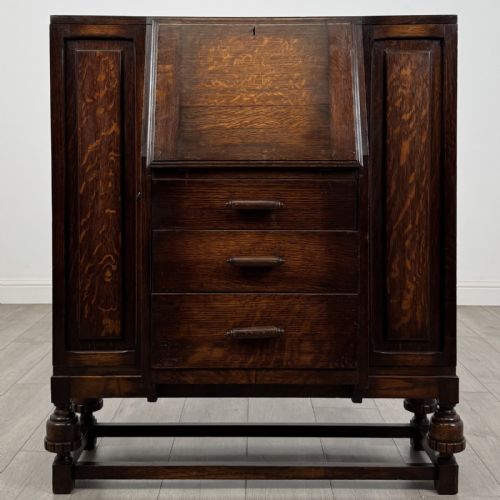
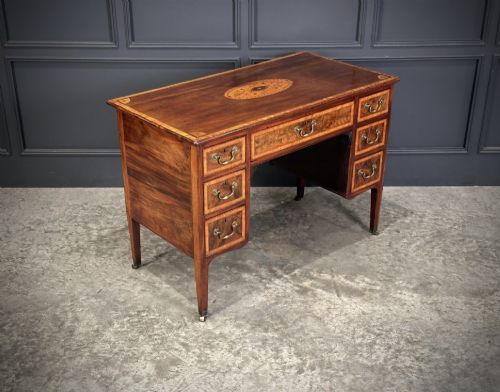
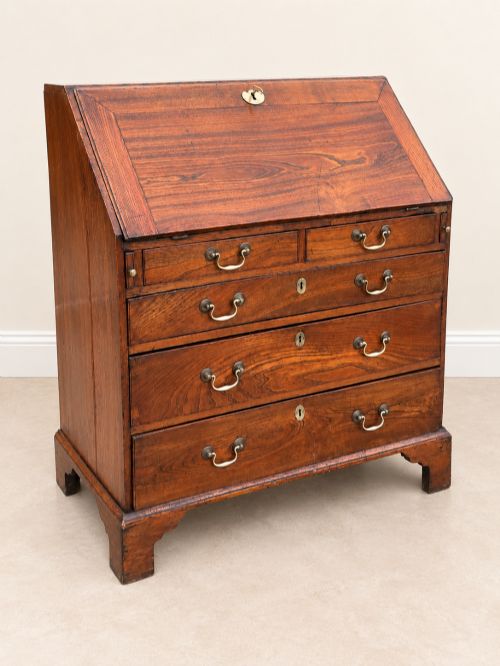
Georgian examples display restrained proportions in mahogany or walnut, often resting on bracket feet with fitted interiors containing small drawers and pigeonholes. Later Edwardian interpretations frequently utilise oak with carved linenfold details or feature inlaid satinwood highlights.
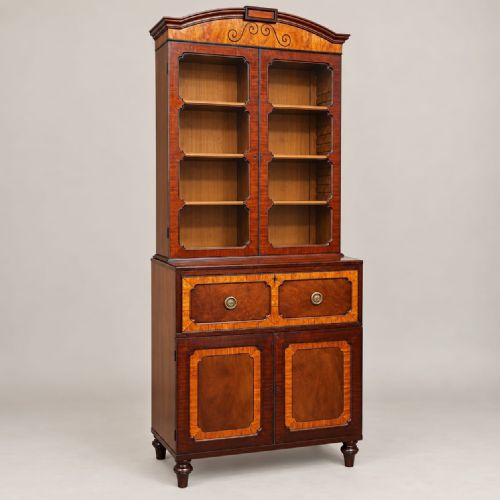
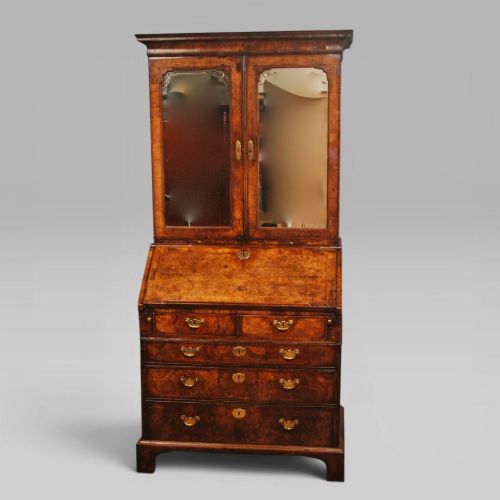
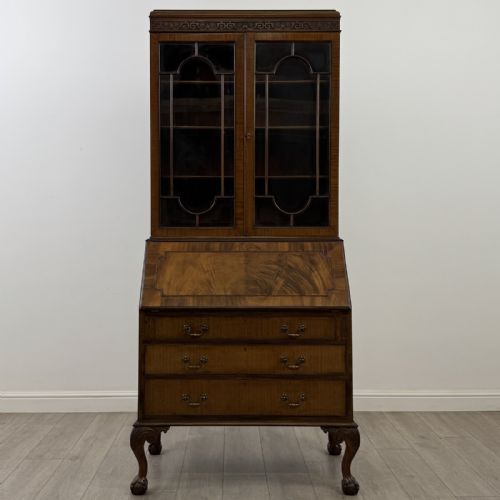
Makers adapted the core form over generations, producing compact bureau desks on stands as well as larger bureau bookcases with glazed upper sections. Buyers encounter both simple vernacular oak pieces and sophisticated mahogany variations with exceptional fitted compartments.
Judging construction and finish
The standard of timber selection largely defines the standing of an individual piece, separating plain utility furniture from high-status cabinet work. Cabinetmakers who employed richly figured veneers and substantial solid woods produced desks that retain deeper patination over centuries.
Interior complexity further separates pieces within this range, as simpler vernacular boxes contrast with elaborate fitted interiors containing secret compartments and sliding wells. The precision of the dovetail joints and the retention of original brass handles indicate the care applied during construction.
Many writing desks conceal hidden internal release springs that require pressing a secret panel to reveal secret drawers.
George Oakley
The Antique Wood Bureau Glossary
- Bureau
- A desk featuring a sloping hinged lid that drops to form a writing surface while concealing interior compartments. These fitted spaces typically include pigeonholes and small accessory drawers.
- Secretaire
- A piece of furniture containing a concealed writing drawer or drop-front compartment disguised as a standard drawer or cabinet door. This form allows a larger cabinet or bookcase to function as a desk.
- Pigeonhole
- A small, open rectangular compartment built into the interior of a desk to hold letters and documents. These compartments form part of the fitted interior revealed when the fall-front opens.
- Bracket foot
- A furniture foot shaped like a bracket, meeting at a mitred corner beneath the carcass of a chest or bureau. This architectural support style appears frequently on Georgian case furniture.
- Dovetail
- A joint formed by interlocking wedge-shaped fingers, used extensively in drawer construction to resist pulling forces. Hand-cut variations help indicate the period and quality of cabinet work.
Antique Wood Bureau: Frequently Asked Questions
What is an antique wood bureau?
An antique wood bureau is a traditional writing desk featuring a sloping front flap that opens downward to create a flat workspace. Behind this flap lies an arrangement of small drawers and pigeonholes designed for correspondence and storage.
Craftsmen built these pieces from the eighteenth century onwards in timbers such as mahogany, oak, and walnut. They serve as compact workstations that conceal paperwork when closed.
How do I use a bureau desk?
To use the desk, you release the brass catches or support arms and lower the hinged wooden flap to a horizontal position. The interior compartments provide storage for stationery, letters, and small implements.
When writing is finished, you gather your papers, return them to the internal pigeonholes, and lift the flap back into its vertical locked position. This keeps the writing surface protected and tidy.
How do I date an antique bureau?
Dating relies on examining the timber species, construction methods, and overall architectural style of the piece. Eighteenth-century examples often feature solid mahogany or walnut with bracket feet and hand-cut dovetails.
Later Victorian and Edwardian interpretations introduce machine-cut elements, satinwood inlay, or revival styles such as Jacobean oak carving. Hardware styles and secondary woods inside the drawers also offer clues to the period.
Where should I place a bureau in a room?
These desks suit studies, living rooms, or bedrooms because their enclosed design hides domestic paperwork from view. Placing them against a flat wall allows the fall-front to open fully without obstruction.
Because many examples feature finished backs only when designed as partners desks, most traditional wall bureaus rest against solid partitions. Positioning them away from direct sunlight protects vulnerable wood veneers from fading.