


Pine Storage Drawers
These pine storage drawers bring honest utility and warmth to a room, offering practical storage built from sturdy softwood.
Pine Storage Drawers
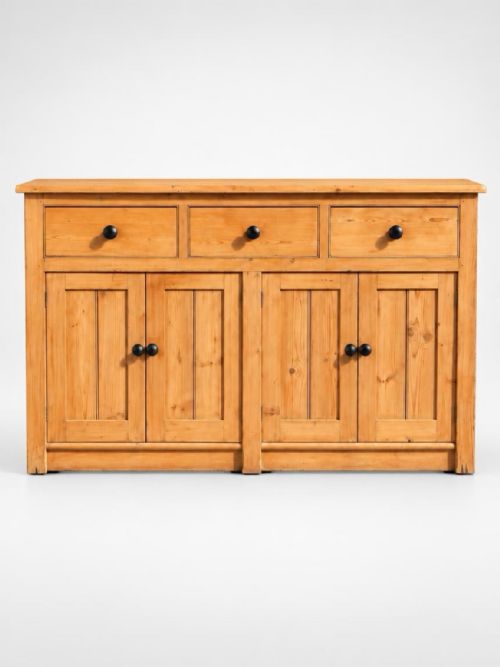
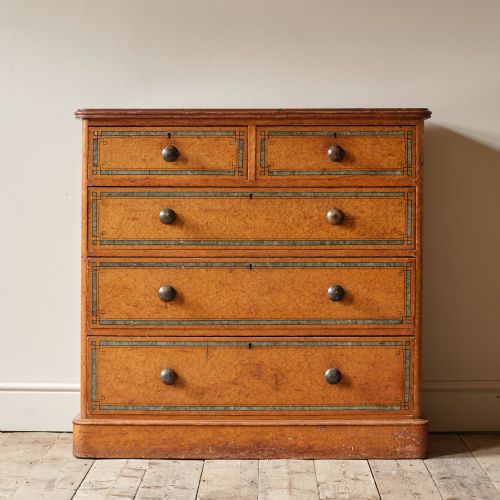
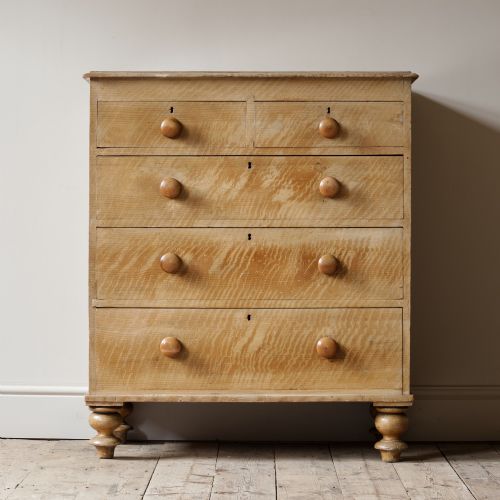
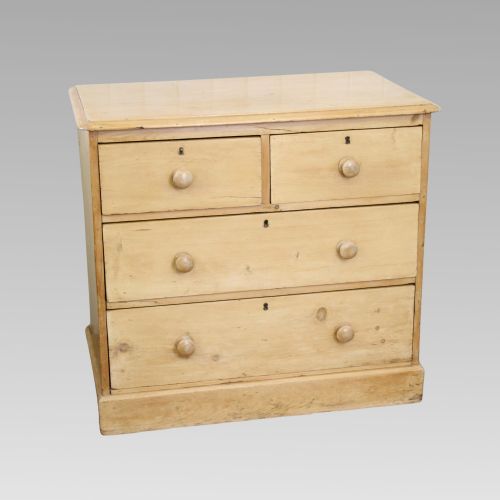
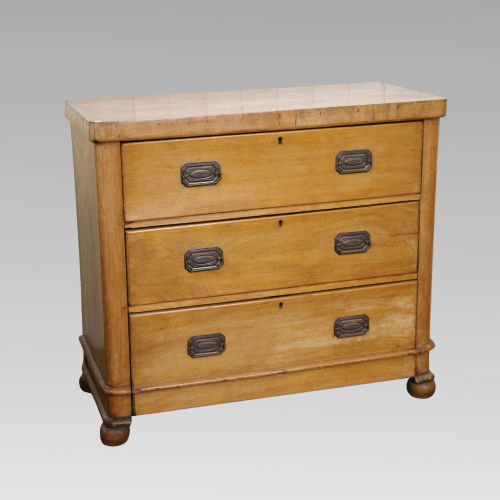
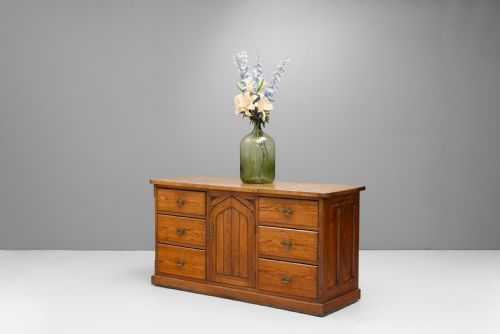
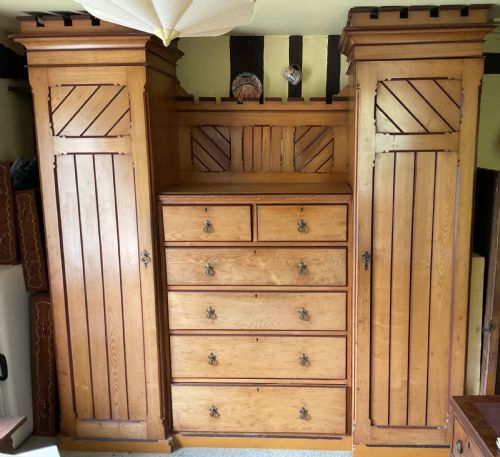
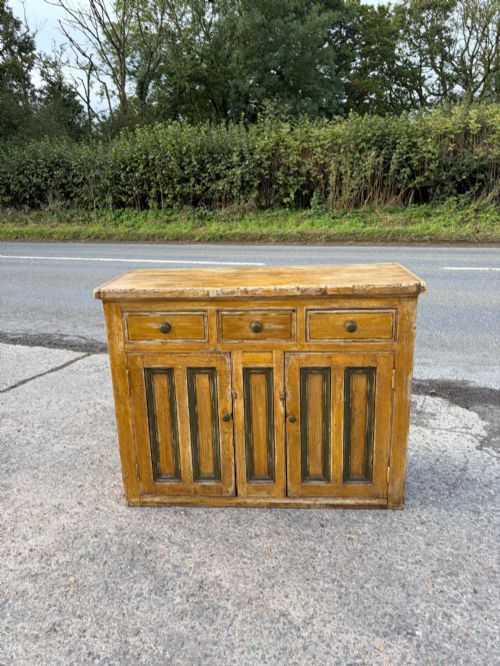
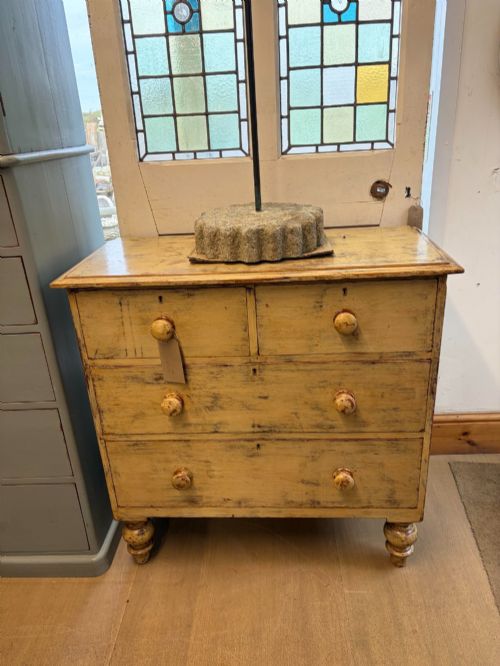
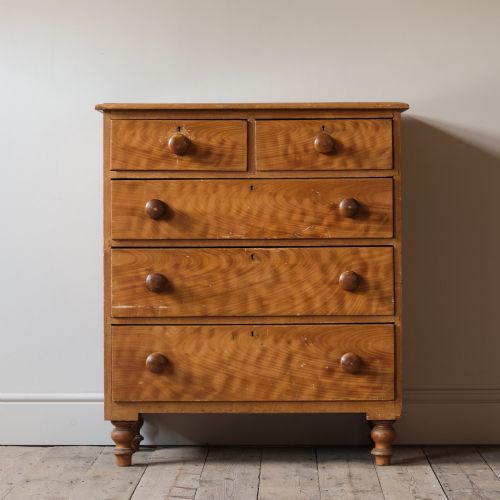
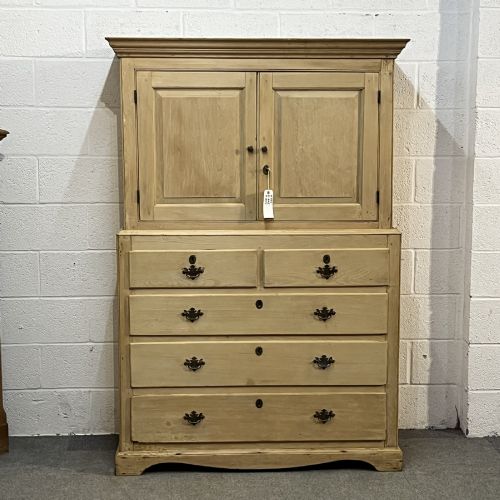
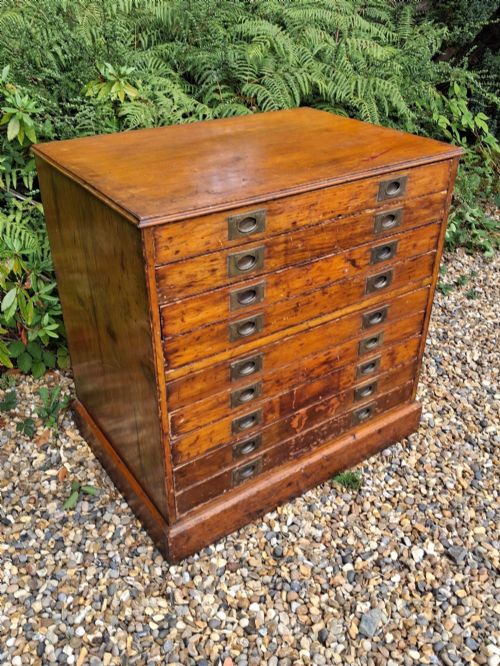
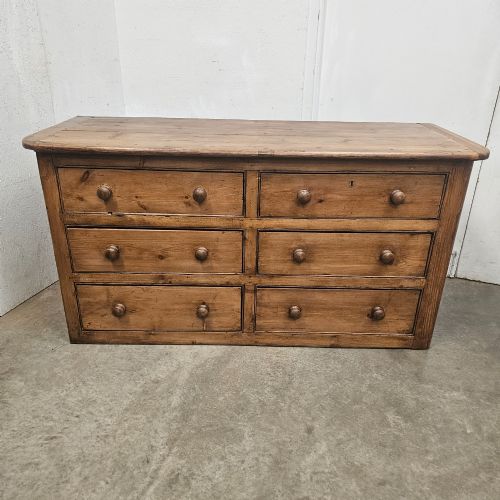
When searching for pine storage drawers, a buyer encounters a diverse selection of practical furniture rooted in utility. The most common forms on this page are chests of drawers, alongside dresser bases, cabinets, and trunks.
The pieces span periods from the Georgian era through the Victorian period and into the early twentieth century. Regional examples include English, Welsh, Irish, and French origins, reflecting domestic and commercial workshops.
How they were made
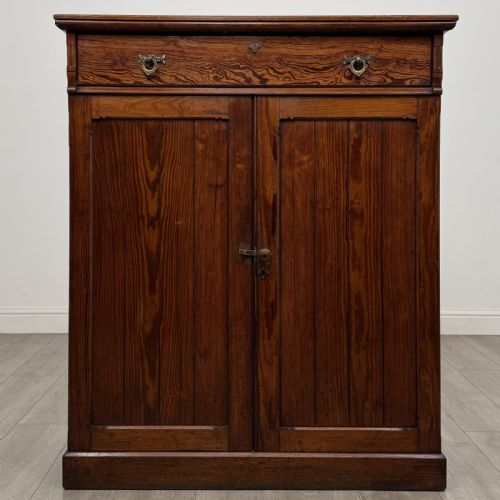
Makers utilised pine and pitch pine as the primary softwoods, chosen for their accessibility and workability. Metal hardware in brass and iron provided structural reinforcement and handles.
Surfaces were frequently finished with wax, left as scrubbed timber, or coated in paint and scumble glazes. Construction techniques prioritized function, resulting in durable carcasses and fitted internal drawers.
Pine Storage Drawers Retail Price Guide 2026
Typical asking prices for pine storage drawers among the pieces listed under this phrase on Sellingantiques today, from the lower quarter to the upper quarter. They describe what is for sale here now, not the wider market.
Listings feature pitch pine, painted surfaces, and brass hardware across Victorian and Georgian storage pieces.
What varies in quality
The distinction between standard utility items and finer examples rests on the retention of original surface treatments, such as early paint or scumble work. Surviving original brass or iron hardware also elevates a piece.
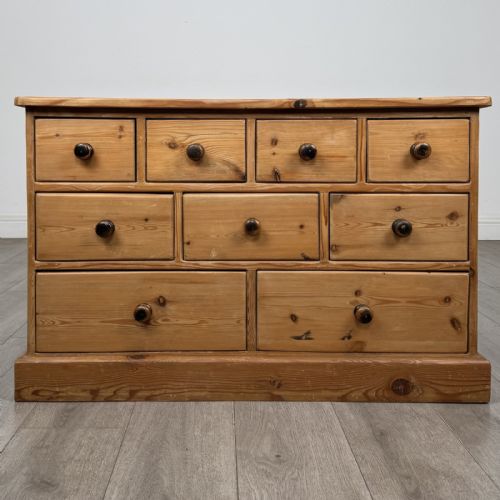
Proportion and scale contribute to desirability, with lower, wider chests or specialised multi-drawer filing banks holding distinct character compared to plain vernacular storage.
Luxmore's of Ilfracombe
The Pine Storage Drawers Glossary
- Scumble
- A decorative paint technique involving translucent layers dragged or brushed over a base coat to imitate denser grain. It was popular on Victorian utility furniture.
- Pitch pine
- A resinous North American pine variety prized for its strength and prominent grain pattern. It appears in robust nineteenth-century storage pieces.
- Dresser base
- The lower section of a kitchen dresser featuring cupboards and drawers without the upper plate rack. These served as essential workspace and storage in traditional kitchens.
- Bun handle
- A small, rounded wooden knob turned on a lathe and applied to drawer fronts. They are typical of nineteenth-century country furniture.
- Commode
- A low cabinet or chest of drawers designed for domestic storage. French examples often display continental stylistic influences like faux bamboo.
Pine Storage Drawers: Frequently Asked Questions
How do I date a pine chest of drawers?
Dating relies on observing construction methods, handle types, and surface finishes across the piece. Earlier Georgian and early Victorian examples often display hand-cut dovetails and simpler timber preparation.
Later Victorian and 1900s pieces incorporate machine-sawn elements and standardised iron or brass fittings. Original paint finishes and scumble work also offer clues to the specific decade of production.
Where were pine storage drawers used?
These practical items served primarily in domestic bedrooms, kitchens, and pantries for organising clothing and provisions. Larger bank cabinets and filing drawers originated in commercial offices and shops.
Country houses and farmhouses relied heavily on pine for functional utility furniture that could withstand daily domestic life. Their sturdy construction suited spaces requiring robust storage.
Are painted finishes original?
Many nineteenth-century pieces retain their early or original paint layers, including scumble glazes and brown decorative finishes. These coatings were applied to protect the softwood and imitate more costly timbers.
Examining the paint under natural light reveals wear patterns consistent with age. Stripped pine is also common, reflecting later twentieth-century restoration preferences.
How do I care for waxed pine furniture?
Maintaining waxed pine involves regular dusting with a dry cloth and occasional application of traditional beeswax to nourish the timber. Avoid placing pieces near direct heat sources to prevent the wood from drying out.
Gentle cleaning preserves the patina accumulated over the centuries. Wax finishes allow the pine to age gracefully while protecting the surface from moisture.