


Waxed Pine Drawers
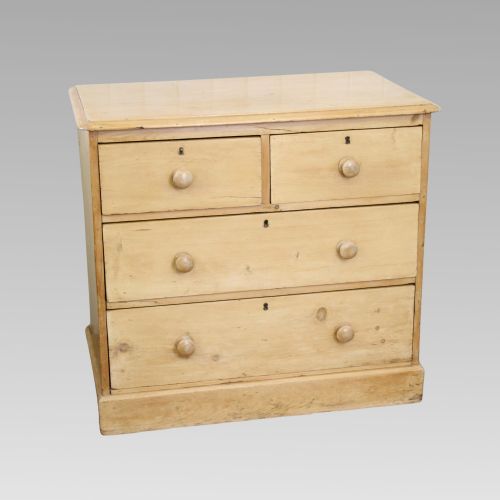
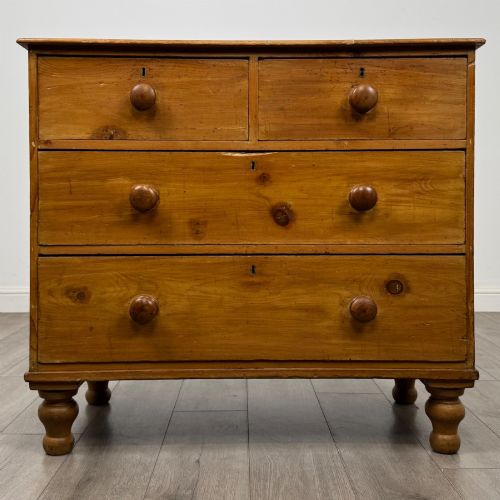
When you search for waxed pine drawers, you find robust storage furniture finished with soft protective polish from the Victorian and Georgian eras.
Waxed Pine Drawers
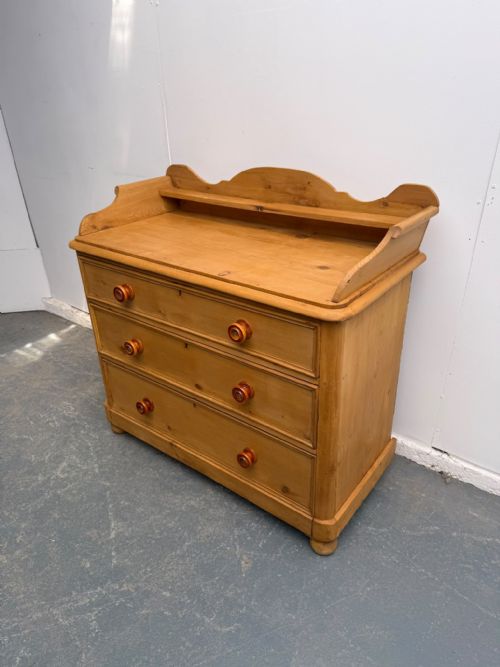
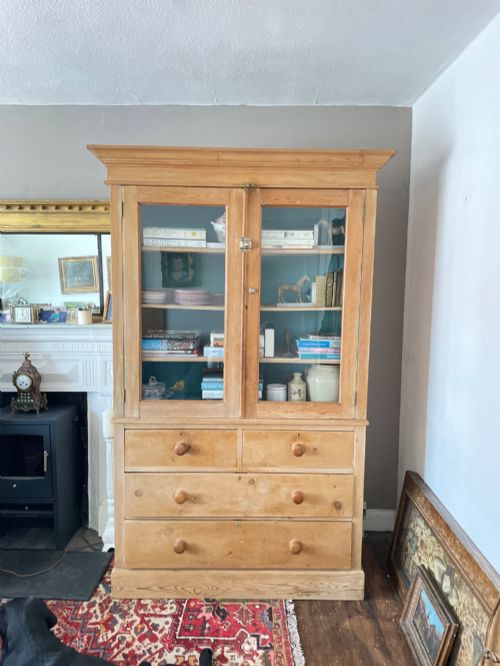
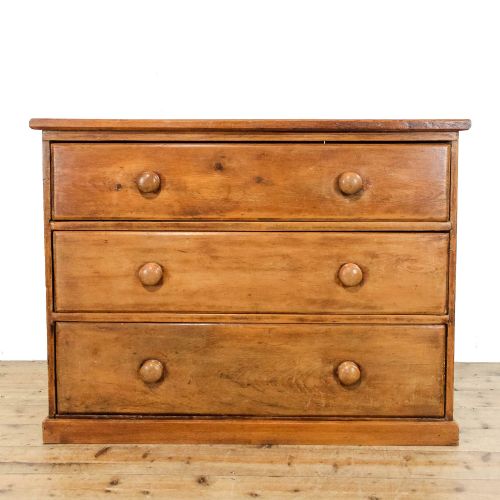
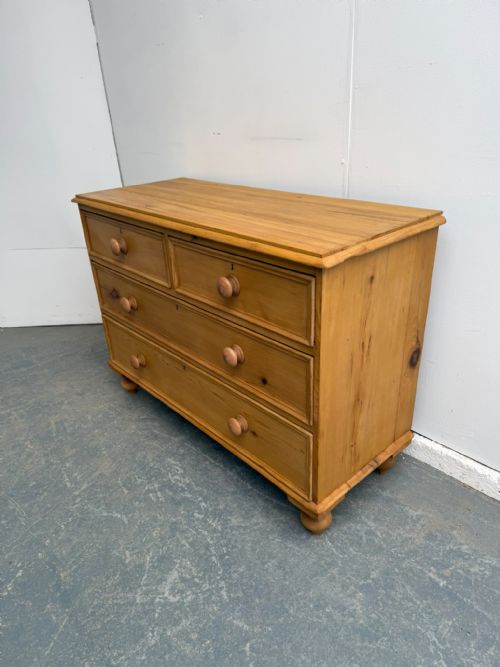
Waxed pine drawers encompass sturdy chests of drawers, dresser bases, bedside cabinets and desks originating primarily from the Victorian and Georgian periods. These pieces serve domestic storage needs through configurations like two-over-three drawer arrangements or tall narrow formats.
The pieces often feature regional characteristics such as Welsh, Irish or Hungarian origins, alongside English country styles. Buyers most commonly meet standard multi-drawer chests or larger storage units equipped with bottom blanket drawers.
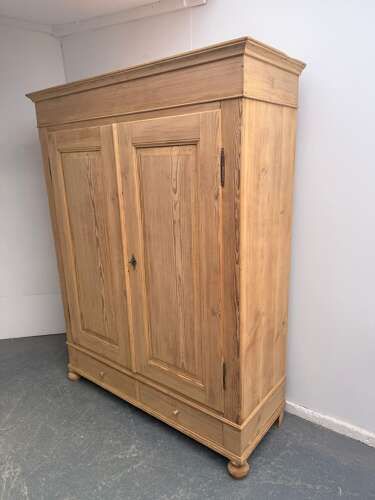
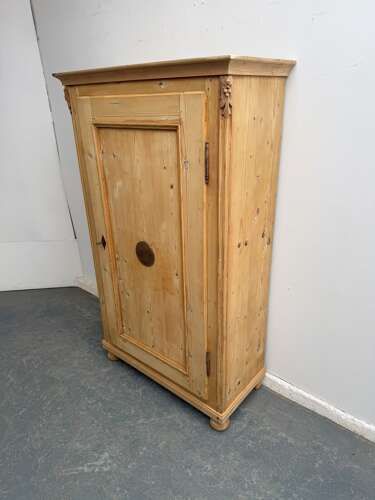
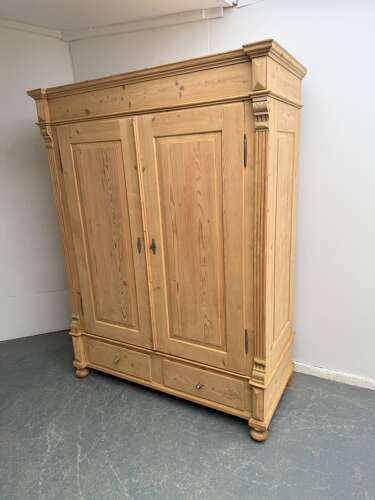
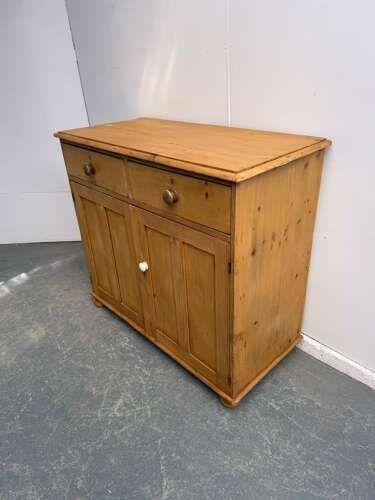
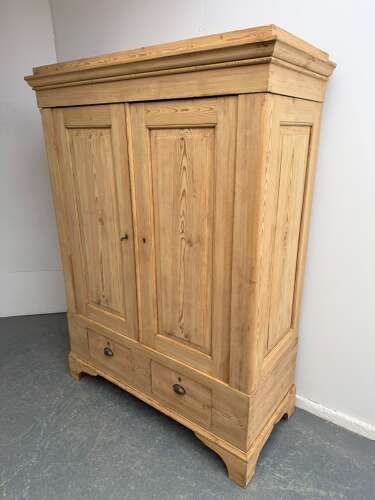
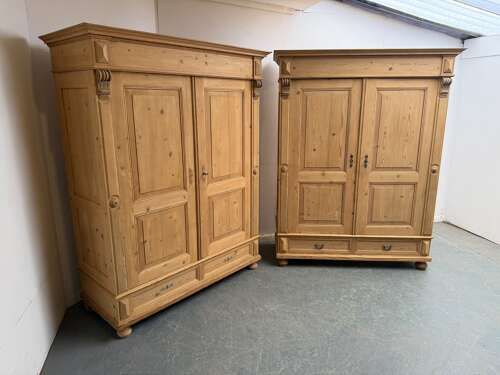
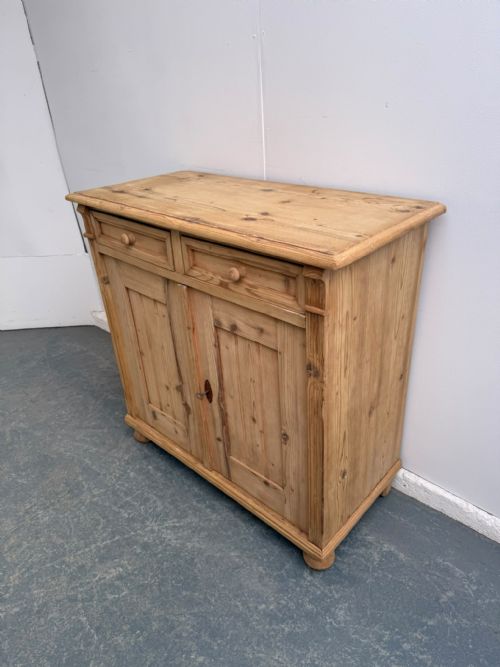
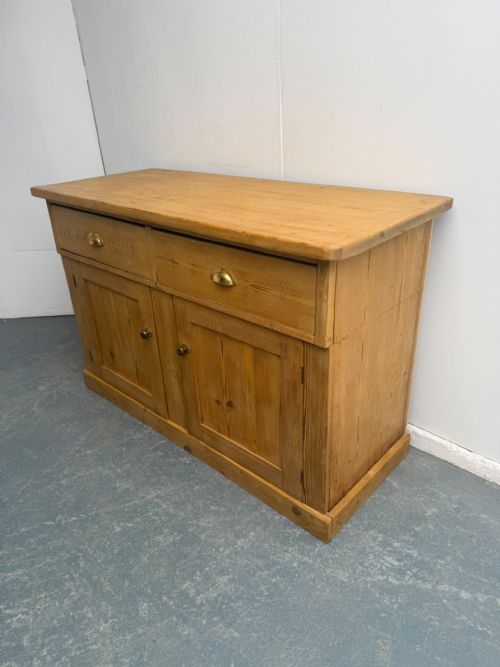
Beyond standard chests, the selection extends to wardrobes, cupboards and kitchen dressers that incorporate drawer space within their lower sections. The overarching phrase unites utility pieces finished in traditional warm wax coatings rather than heavy paint.
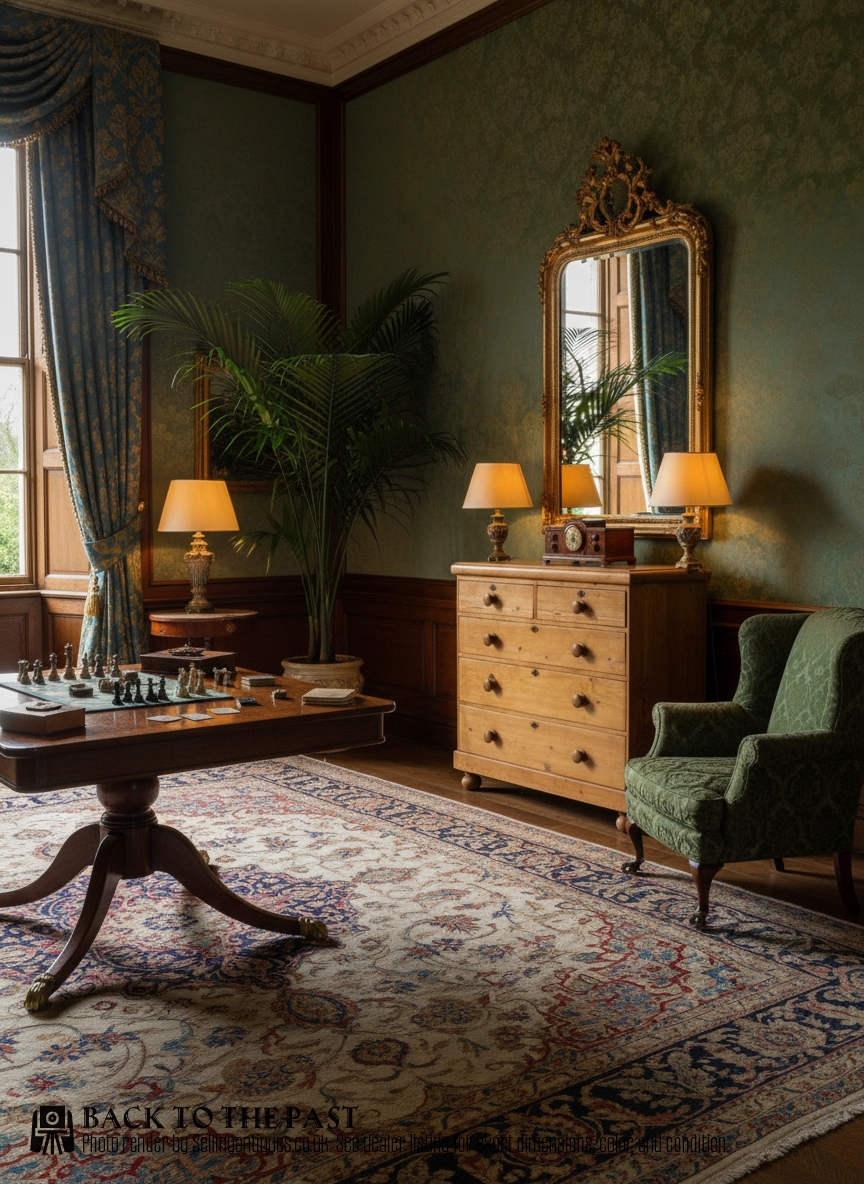
How They Were Made
Construction relies primarily on solid pine timber, selected for its accessibility and workability in domestic furniture production. Wood surfaces are prepared through stripping and hand-waxing techniques that impart a protective sheen while preserving the grain.
Hardware elements integrate brass and iron handles, alongside distinctive white ceramic knobs fitted to drawer fronts. Structural assembly methods include knockdown designs on larger wardrobes to facilitate transport and installation in domestic rooms.
Waxed Pine Drawers Retail Price Guide 2026
Typical asking prices for waxed pine drawers among the pieces listed under this phrase on Sellingantiques today, from the lower quarter to the upper quarter. They describe what is for sale here now, not the wider market.
Bakelite appears unexpectedly among the hardware materials on these traditional pine pieces.
What Varies in Quality
Quality differences emerge in the proportion, timber selection and handling of internal components such as drawer runners. Superior examples display balanced proportions, such as low wide formats or tall narrow builds with deep base drawers.
Execution of the wax finish and preservation of original moulded edges or tray backs distinguish finer specimens from standard utility pieces. The integration of regional traits, like Hungarian pine or specific Welsh dresser configurations, elevates the standing of an individual piece.
The Waxed Pine Drawers Glossary
- Knockdown wardrobe
- A large wardrobe engineered to dismantle into modular sections for easier movement between rooms. This construction method was common in Victorian chambers.
- Tray back
- A raised wooden gallery along the top edge of a chest or table that prevents items from rolling off the surface. It often appears on refined Victorian bedroom furniture.
- Dresser base
- The lower section of a kitchen dresser featuring cupboards and drawers without the upper plate rack. These provide substantial surface and storage utility.
- Plank end
- Side panels constructed from solid vertical planks rather than frame-and-panel assemblies. This denotes straightforward country craftsmanship.
- Frieze
- The flat horizontal band situated directly beneath the top surface of a table or cabinet. Single drawers are frequently integrated into this zone.
Waxed Pine Drawers: Frequently Asked Questions
How do I care for a waxed pine surface?
Maintain the finish by applying natural beeswax periodically and buffing with a soft cloth to preserve the protective barrier against moisture.
Avoid placing wooden furniture near direct heat sources or in damp environments to prevent timber movement and cracking over time.
What is the difference between Georgian and Victorian pine drawers?
Georgian pieces tend to display simpler, more restrained proportions and often originate from regional country workshops with understated detailing.
Victorian examples frequently incorporate heavier moulded edges, diverse drawer configurations like two-over-three layouts, and varied hardware including ceramic knobs.
Do knockdown wardrobes assemble easily?
These historical wardrobes utilise slot-together panels, peg joints or simple internal bolts designed for straightforward breakdown and reassembly.
Having an extra pair of hands helps steady the tall sides and cornice during the alignment process.
Why do some chests feature a deep bottom drawer?
The oversized lower compartment, often termed a blanket drawer, provided dedicated space for bulky textiles and linens in period bedchambers.
This functional layout maximised storage capacity near the floor where stability was greatest.