

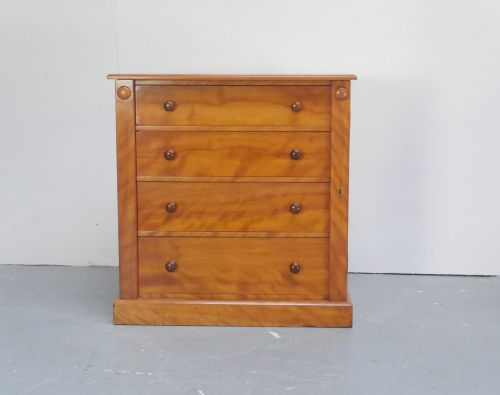

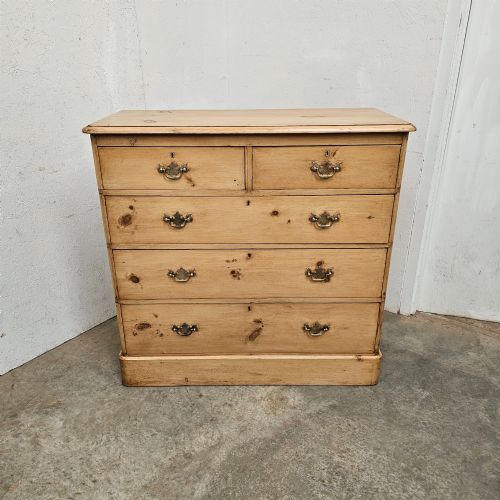
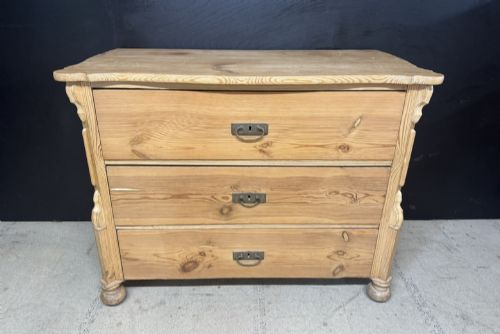
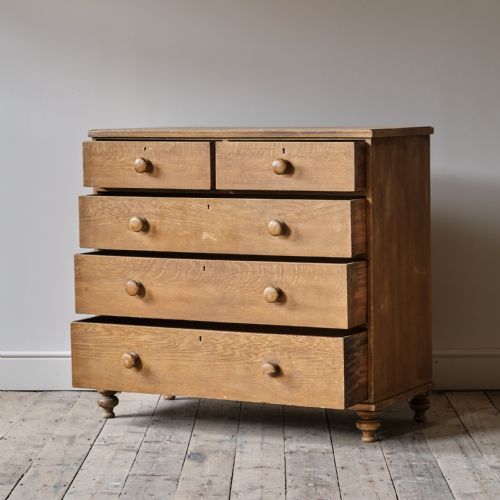
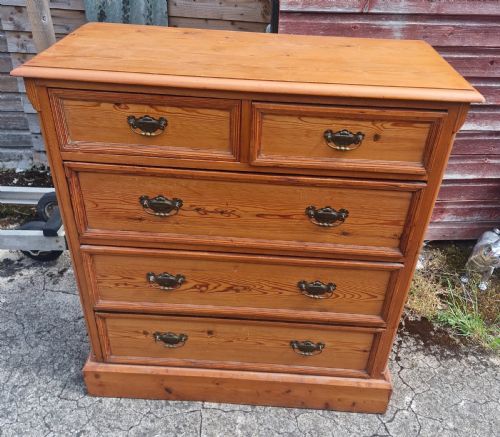
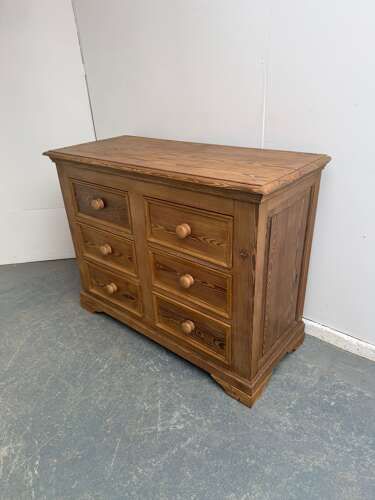
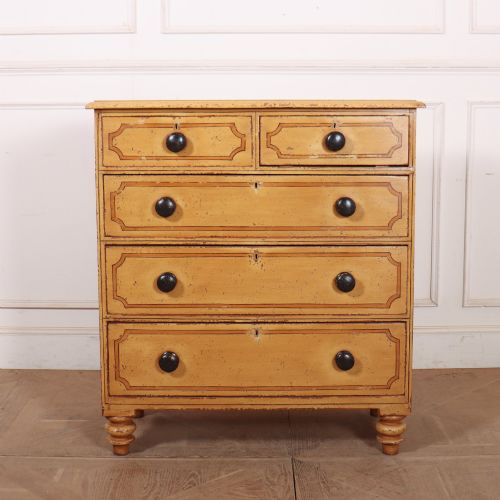
Victorian Pine Bureau
Victorian pine bureau pieces combine practical domestic workspace with honest nineteenth-century utilitarian charm.
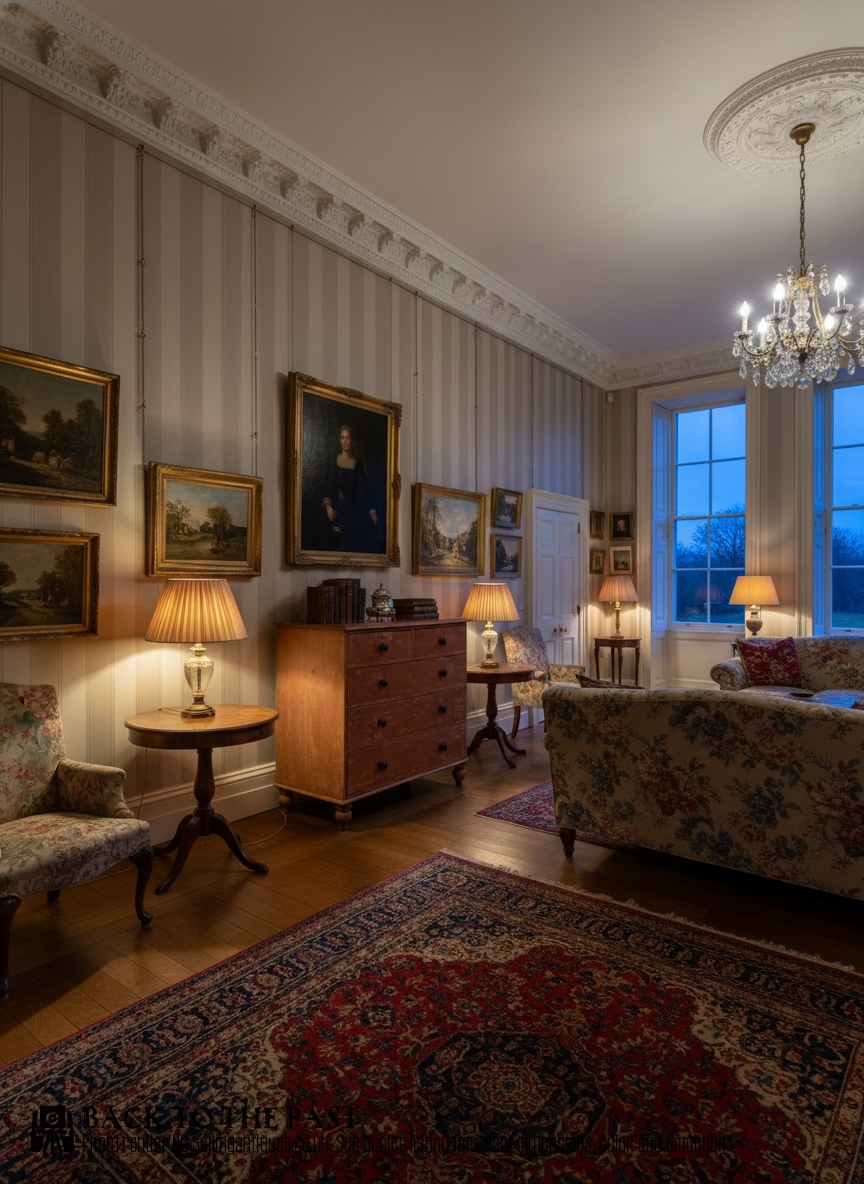
Victorian Pine Bureau
A victorian pine bureau provides a compact writing surface combined with storage drawers, appearing in nineteenth-century domestic settings for administrative tasks. While search terms often group multiple forms together, buyers frequently encounter related variations such as secretaire desks, clerks desks, and chests of drawers sharing similar timber construction.
Most examples originate from the Victorian and Edwardian periods, constructed in English, Irish, and continental workshops. These range from modest domestic writing desks to larger fitted bureau bookcases utilising pitch pine or standard softwood.
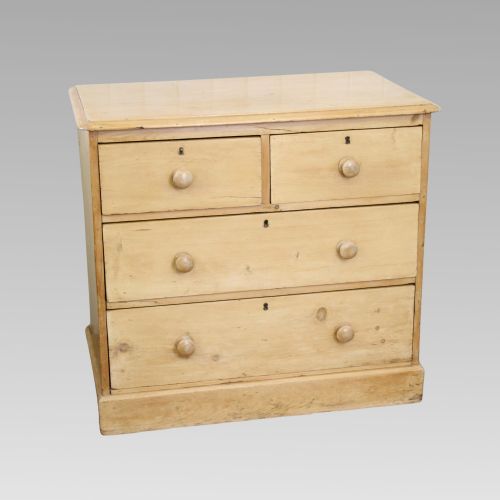
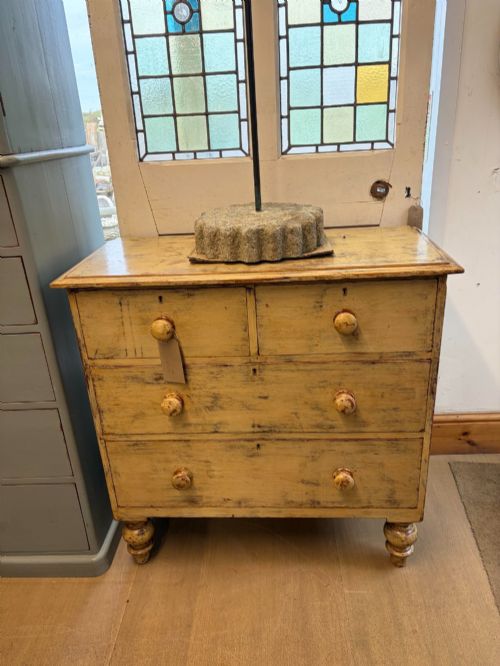
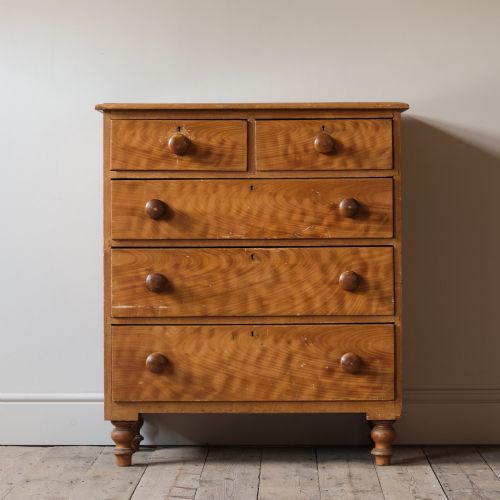
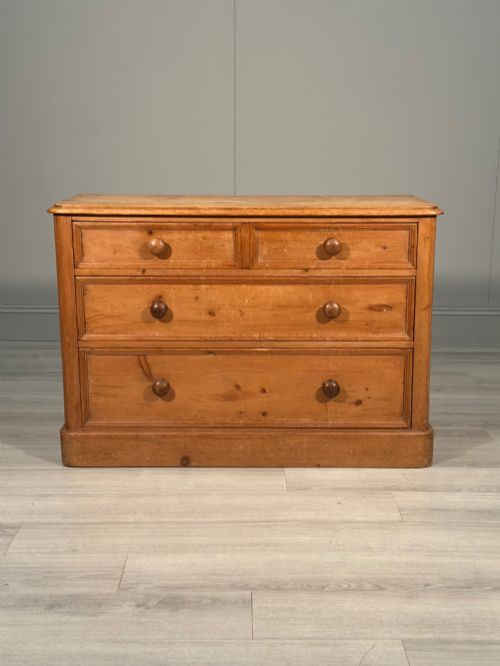
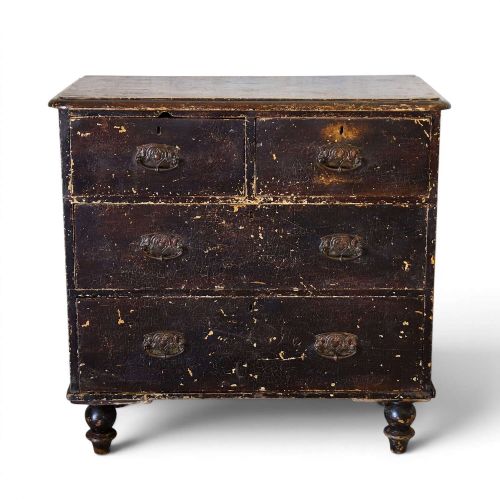
Surviving pieces reflect everyday utility, appearing either in stripped bare timber or retaining historic painted surfaces like brown scumble and light grey. Buyers navigate a selection that spans simple provincial furniture to more decorative forms with fitted interior compartments.
Construction and materials
Makers relied primarily on pine and pitch pine, selected for accessibility and structural versatility in domestic furniture production. Workshops joined these softwoods using traditional methods, often incorporating brass or iron hardware for drawer pulls and hinges.
Surface treatments define much of the character seen on these pieces, with craftsmen applying wax finishes, clear varnishes, or decorative paint layers such as scumble. Some examples received later decorative touches like faux bamboo detailing or ceramic elements on handles.
Victorian Pine Bureau Retail Price Guide 2026
Typical asking prices for victorian pine bureau among the pieces listed under this phrase on Sellingantiques today, from the lower quarter to the upper quarter. They describe what is for sale here now, not the wider market.
Assessing quality in pine furniture
Quality rests upon the integrity of the original construction and the survival of intended surface finishes, whether early wax or original paint. Pieces retaining untouched interior fittings, secret compartments, and original brassware command greater interest among collectors.
Proportion and scale distinguish standard utility items from finer workshop examples, particularly where columned details or careful drawer sequencing show deliberate design. The condition of the timber, free from excessive alteration, dictates the historical integrity of the writing slope or chest.
The Victorian Pine Bureau Glossary
- Bureau
- A writing cabinet featuring a sloping flap that opens to reveal internal compartments and small drawers. This form combines storage with a dedicated workspace.
- Secretaire
- A piece of furniture incorporating a concealed desk drawer or drop-front writing surface. It often mimics the appearance of a standard chest of drawers.
- Scumble paint
- A translucent decorative glaze applied over a base coat to imitate wood grain or create textured patterns. This technique appeared frequently on nineteenth-century vernacular furniture.
- Pitch pine
- A durable, resinous softwood sourced mainly from North America and utilised for structural strength in Victorian furniture and cabinetry. It displays a pronounced grain pattern.
- Waxed finish
- A protective coating applied to timber using natural waxes to nourish the grain and produce a soft sheen. This traditional treatment highlights the natural colour of the pine.
Victorian Pine Bureau: Frequently Asked Questions
How do I use a pine bureau today?
These pieces function well as compact writing desks or laptop stations in home offices and living spaces. The internal compartments help organise stationery and small items.
The fold-down flap provides a practical writing surface while keeping work materials concealed when closed. Lower drawers offer functional storage for household documents or linens.
How do I care for waxed pine furniture?
Maintain the timber by applying a quality beeswax paste every few months to prevent the wood from drying out. Buff the surface gently with a soft cloth to restore the subtle sheen.
Keep these pieces away from direct heat sources and strong sunlight to prevent warping and fading. Use coasters and mats to protect the wax finish from moisture.
Are these desks suitable for daily work?
Historic writing surfaces often sit lower than modern standard desks, so pairing the piece with an appropriate chair is essential. The interior compartments accommodate laptops and notebooks rather than bulky modern office equipment.
Their sturdy softwood construction handles regular writing tasks comfortably while adding traditional character to a room.