


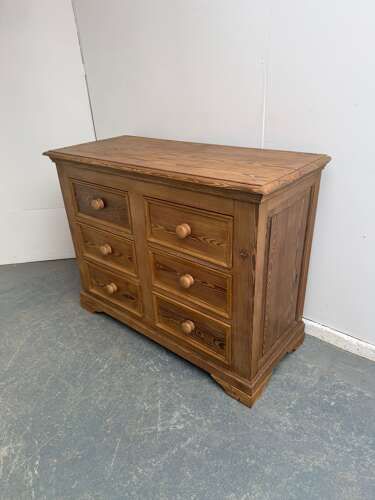
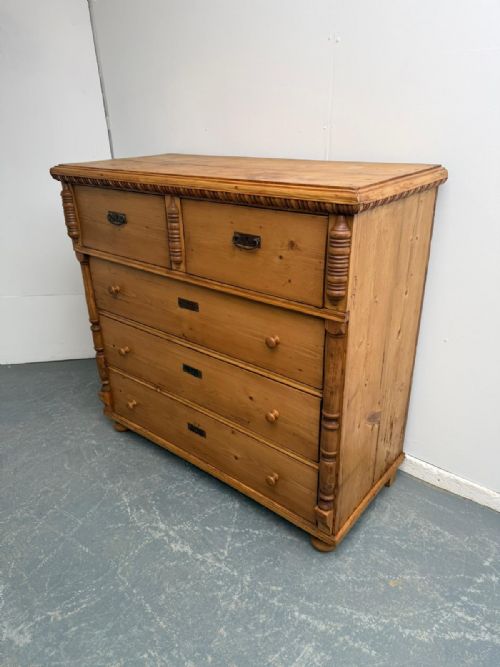
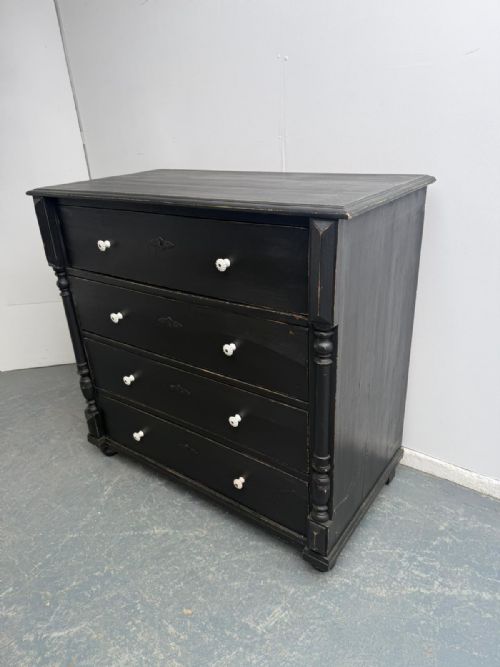
Traditional Pine Commode
A traditional pine commode offers practical bedroom storage with the warm grain and honest utility of nineteenth-century domestic furniture.
Traditional Pine Commode
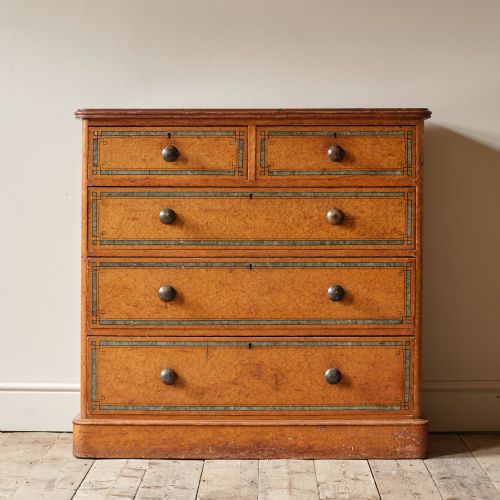
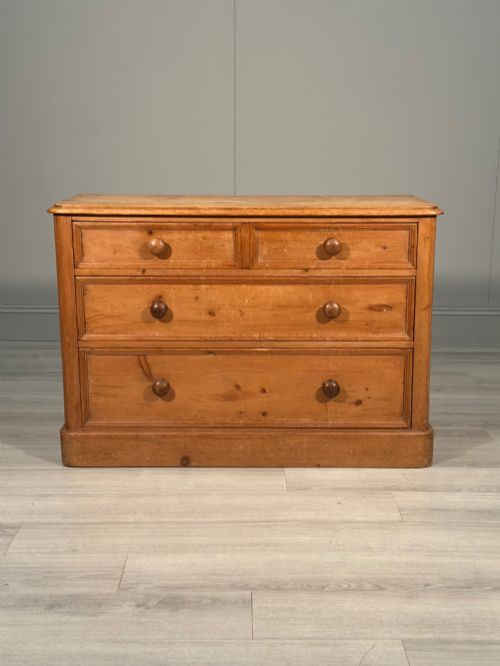
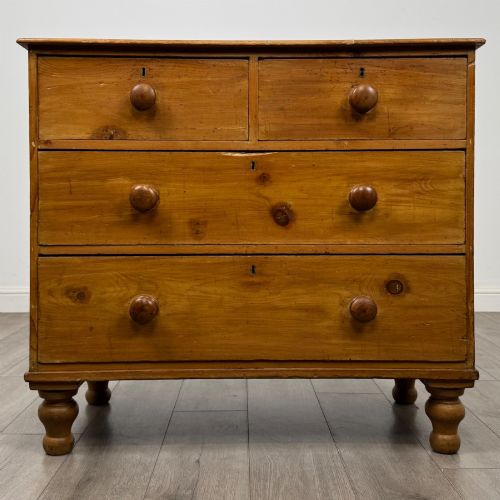
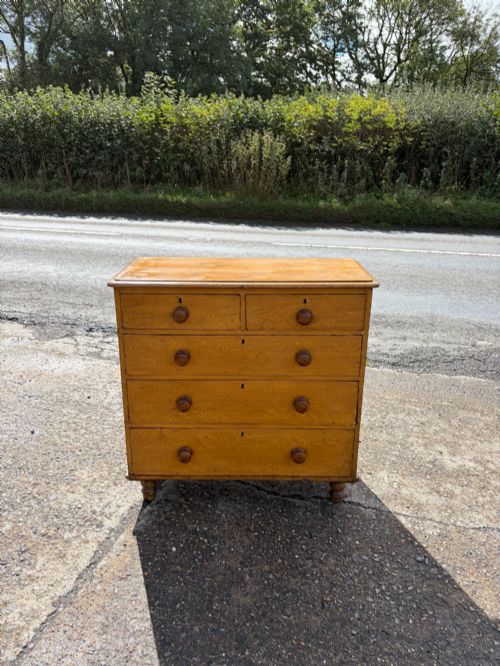
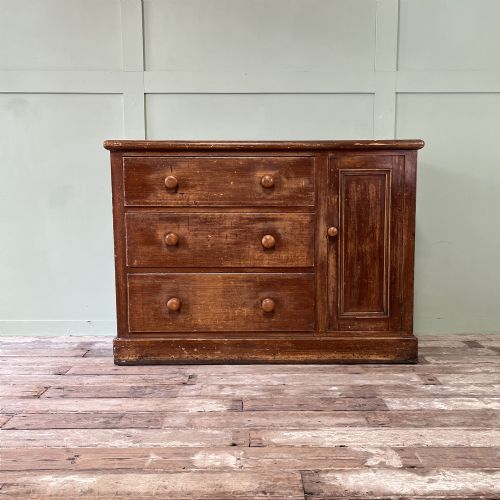
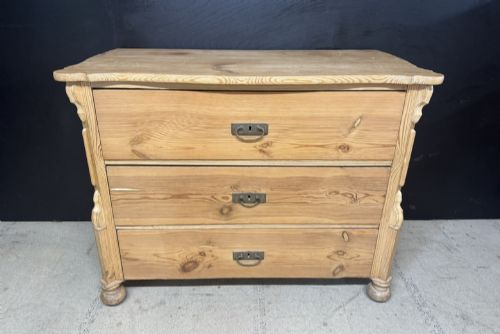
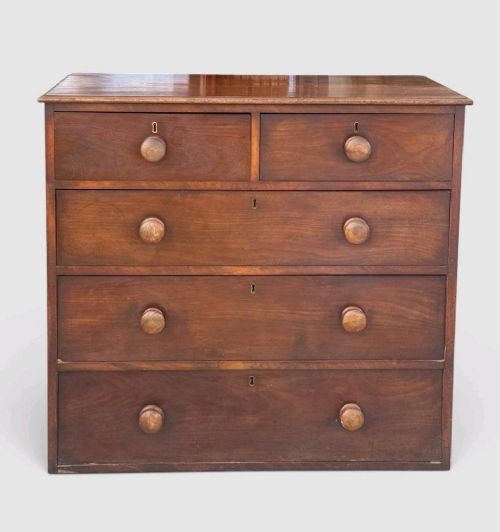
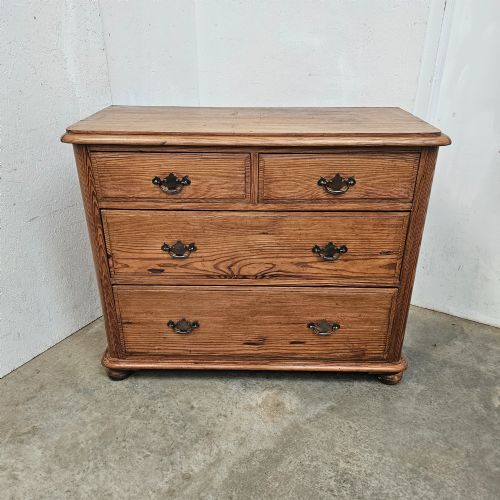
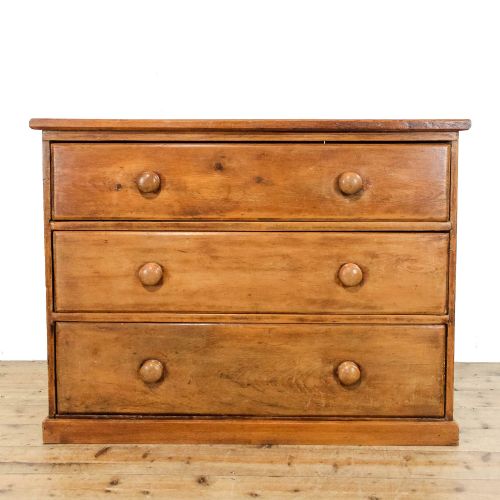
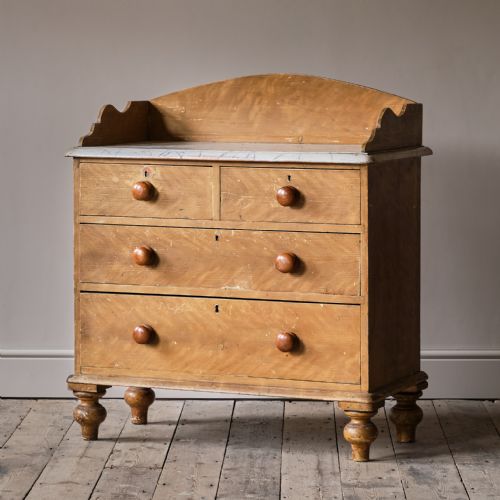
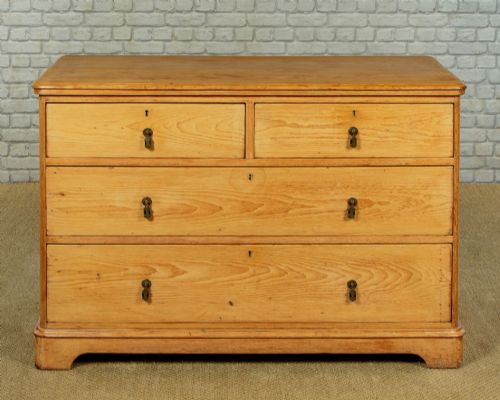
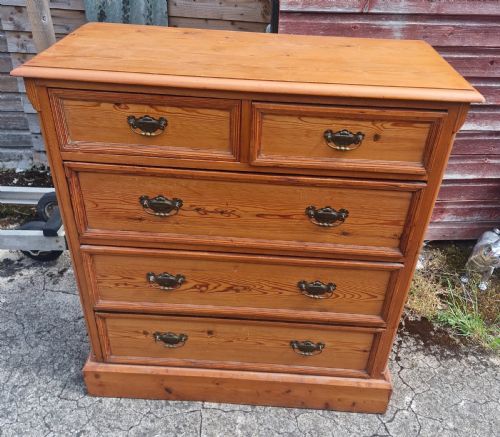
A traditional pine commode typically takes the form of a chest of drawers or washstand made from softwood during the Victorian, Edwardian, and Georgian periods. These pieces serve as functional bedroom storage furniture, often constructed with multiple drawers ranging from three to six.
The versions most frequently met on this page date from the nineteenth century, spanning various regional styles including English, Irish, Scottish, and Continental country interpretations. Alongside standard chests, buyers encounter washstands and related domestic utility pieces sharing the same timber vocabulary.
Defining quality
Quality rests in the integrity of the original construction, the thickness of the timber boards, and the retention of authentic surface finishes like early paint or period wax. Pieces displaying crisp proportions, original drawer furniture, and sound structural joinery stand apart from heavier or altered examples.
The presence of regional characteristics, such as columned corners or bracket feet, elevates certain pieces above standard utility chests. Surviving original paintwork or scrubbed surfaces untouched by aggressive modern stripping also distinguish better examples.
Traditional Pine Commode Retail Price Guide 2026
Typical asking prices for traditional pine commode among the pieces listed under this phrase on Sellingantiques today, from the lower quarter to the upper quarter. They describe what is for sale here now, not the wider market.
Listings span the Georgian, Victorian, and Edwardian periods, utilising pine, pitch pine, iron, brass, ceramic, and paint.
The Traditional Pine Commode Glossary
- Pine
- A softwood derived from conifer trees, widely utilised in traditional cabinet making for its workability and abundance. It forms the primary structural material for these chests and commodes.
- Scumble
- A decorative paint technique involving translucent layers applied over a ground colour to imitate richer wood grains or create mottled patterns. It appears on nineteenth-century country furniture surfaces.
- Washstand
- A domestic piece designed to hold a basin and ewer for personal washing, frequently associated with bedroom storage furniture. Many examples incorporate small drawers or lower shelves.
- Pitch pine
- A dense, resinous variety of pine known for its durability and strong grain pattern. It provides a harder, darker alternative to standard softwood.
- Bracket foot
- A structural foot supporting the corners of a case piece, shaped like a bracket and often found on Georgian style chests.
Traditional Pine Commode: Frequently Asked Questions
How do I date a pine chest?
Dating relies on examining construction details, drawer dovetails, handle hardware, and overall proportions relative to documented periods like the Victorian or Georgian eras.
Secondary clues include the type of pine used, tool marks on the timber, and the nature of any surface finish such as early wax or original paint.
What is stripped pine?
Stripped pine refers to furniture that has had its later paint or dark varnish removed to reveal the raw softwood underneath.
This process leaves the timber ready for a fresh application of wax or polish to highlight the natural grain.
Are these pieces solid wood?
These items are constructed from solid timber planks rather than manufactured board materials like plywood or MDF.
Makers used native and imported softwoods throughout the carcase, drawer linings, and back panels.
How do I care for a waxed finish?
Maintaining a waxed surface requires periodic application of traditional beeswax to nourish the soft timber and protect against moisture.
Avoid placing pieces in direct sunlight or near heat sources to prevent the pine from drying out or splitting.