
English Country Chest
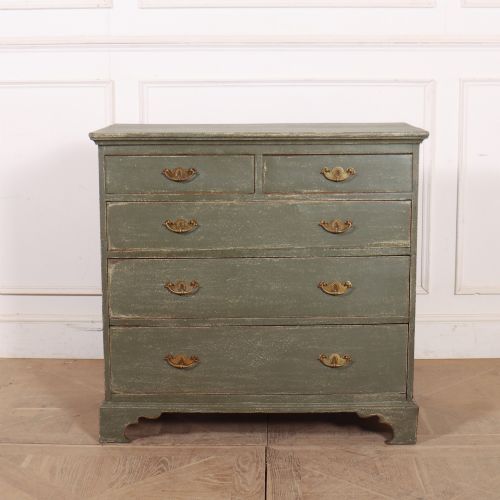
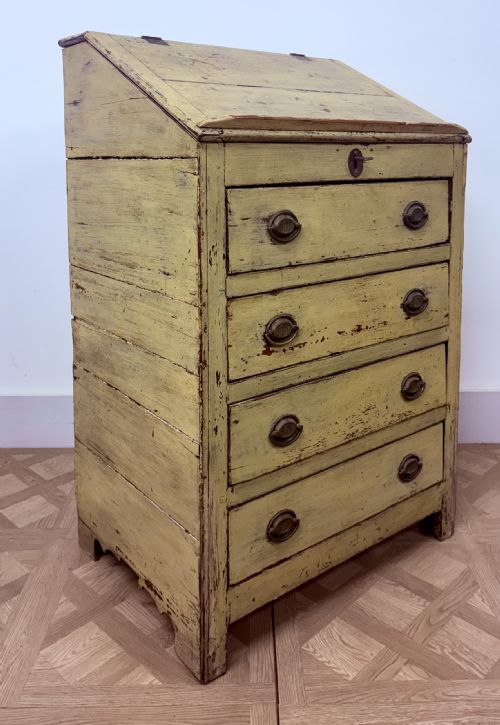
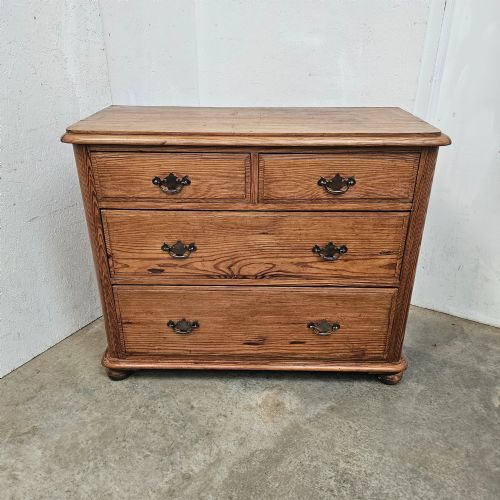
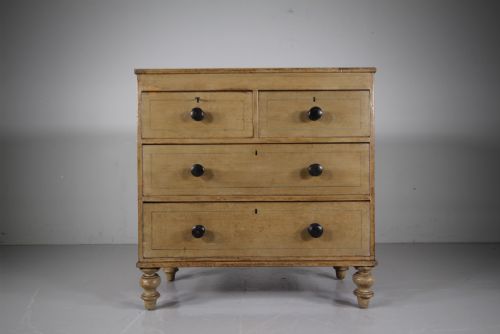
An english country chest is a robust domestic storage piece built for practical utility in traditional rural homes.
Identifying an english country chest
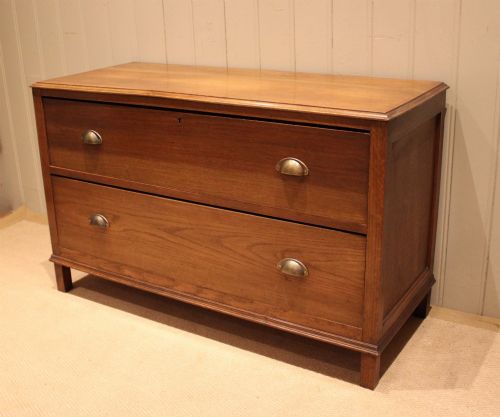
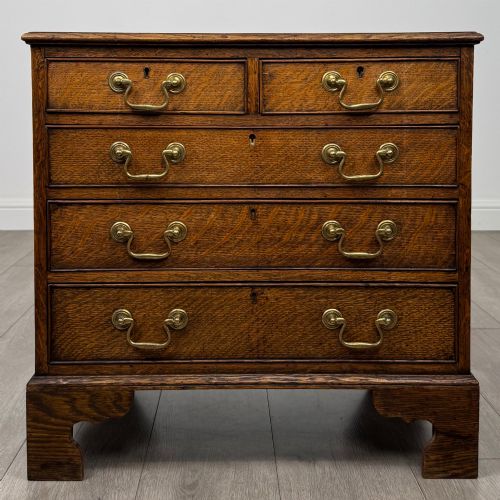
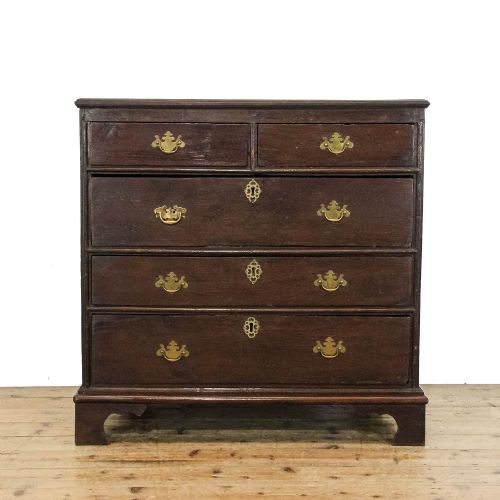
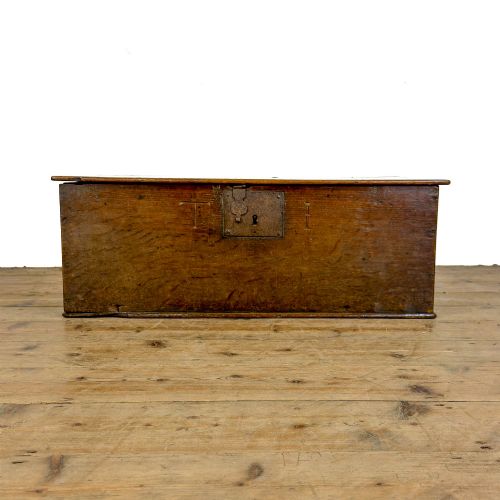
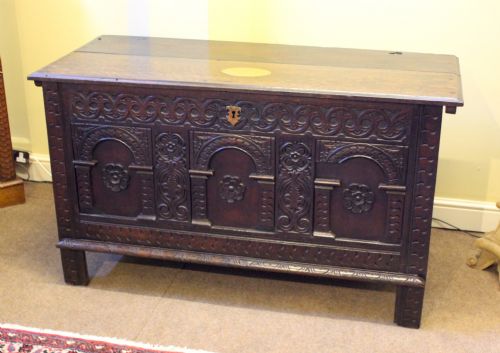
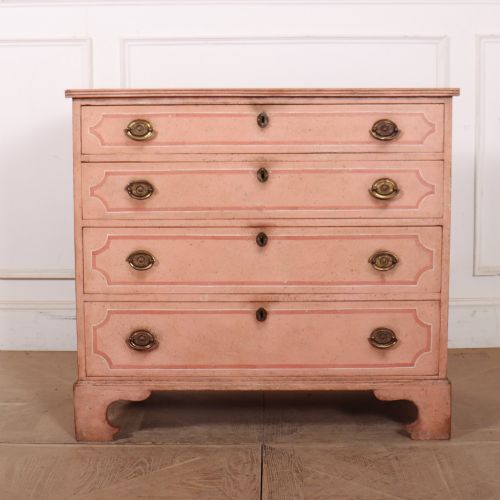
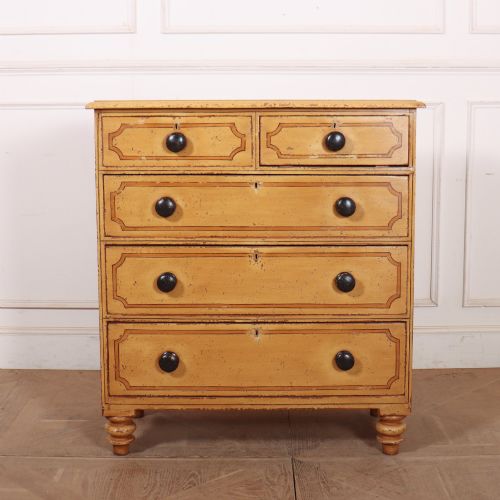
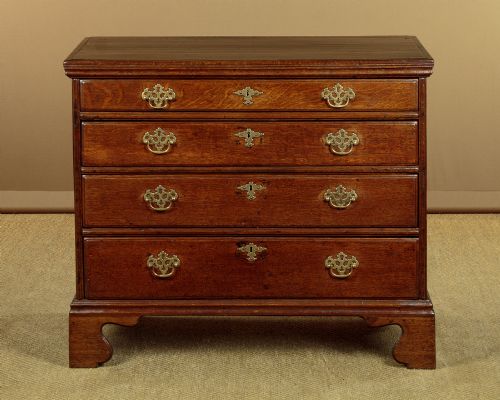
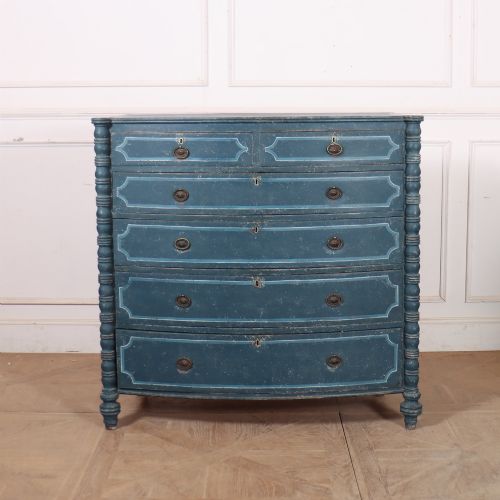
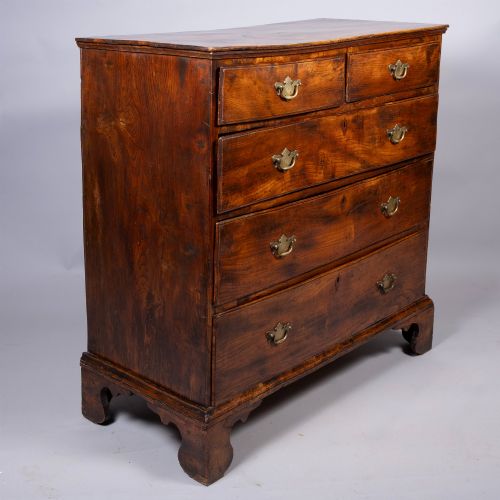
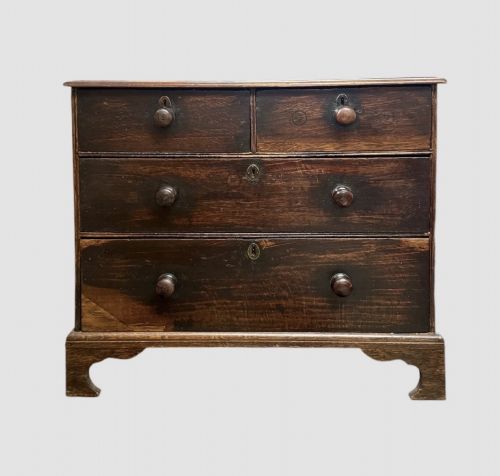
The english country chest category encompasses utilitarian storage forms including chests of drawers, coffers, and linen trunks designed for domestic use. These pieces emerge across the seventeenth, eighteenth, and nineteenth centuries, reflecting the changing needs of rural households.
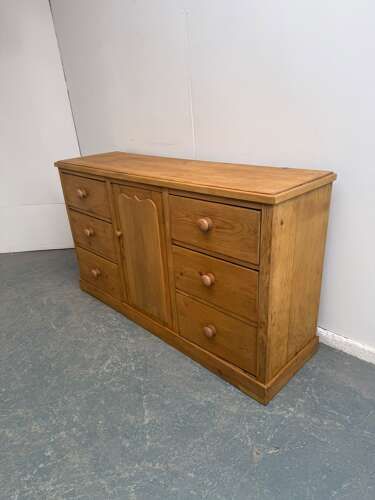
Surviving examples span simple boarded coffers and elm or pine drawer units up to more finished oak and walnut furniture. Makers often adapted regional styles, producing sturdy pieces that served practical storage functions in bedrooms and halls.
The selection ranges from early joined and boarded oak coffers to later pine and mahogany chests of drawers. Each variant demonstrates the straightforward construction methods favoured by provincial cabinet makers.
Materials and construction
Makers utilised native timbers such as oak, elm, pine, and chestnut, often incorporating walnut or olivewood for decorative veneer work on high-status commissions. Boards were joined using traditional techniques suited to the grain and stability of the wood.
Surface finishes include wax, paint, and natural grain exposure, preserving the timber while accommodating years of daily household use. Fittings such as brass handles and hinges appear on later or more refined iterations.
Retail Price Guide 2026
Typical UK retail prices for english country chest, calculated from the Sellingantiques database of over a million retail prices indexed since 2003. This retail price guide relies exclusively on Sellingantiques data; no external sources or auction records are used, so the figures do not describe the wider market.
Listings feature pieces spanning from the seventeenth century through the Victorian era, constructed in oak, pine, walnut, and elm.
Assessing quality and character
Quality rests in the selection of timber and the integrity of the joinery rather than superfluous ornamentation. Pieces featuring dense oak boards or figured walnut veneers command attention through their material substance.
Proportion and restraint separate utilitarian workshop output from refined regional interpretations. The preservation of original surface treatments and honest structural wear defines the character of surviving examples.
The English Country Chest Glossary
- Coffer
- A large wooden chest traditionally used for storing valuables, linens, or dry goods. Early versions utilise heavy boarded construction held together with pegged joints.
- Oyster veneer
- Circular pieces of wood sliced from small branches or roots, arranged to create intricate patterns. This technique appears on decorative seventeenth-century surfaces.
- Joined chest
- Furniture constructed using mortise and tenon joints to frame panels rather than relying on simple boards. This method provides greater structural stability.
- Six-plank chest
- A primitive box construction formed from six separate boards joined at the edges. It represents one of the earliest and most direct forms of storage furniture.
Frequently Asked Questions
What is an english country chest?
An english country chest is a traditional storage item built from native woods like oak, pine, or elm for rural domestic settings.
These pieces range from early boarded coffers to later multi-drawer units designed for everyday utility.
How do I date an old chest?
Dating relies on observing construction methods, tool marks, timber choices, and hardware styles across different historical periods.
Early seventeenth-century pieces typically feature joined or boarded oak, whereas nineteenth-century examples often utilise pine or mahogany.
Where were these chests used?
They served primary storage functions in bedrooms, hallways, and living quarters of rural houses and farmsteads.
Families stored linens, garments, and valuables inside these secure wooden containers.
How should I care for wood?
Maintain stable indoor humidity levels and avoid placing wooden furniture near direct heat sources or strong sunlight.
Apply a traditional beeswax polish periodically to nourish the surface and preserve the historic finish.