
Traditional Mahogany Bureau
Traditional mahogany bureau pieces combine practical writing surfaces with secure drawer storage across Georgian, Victorian, and Edwardian periods.
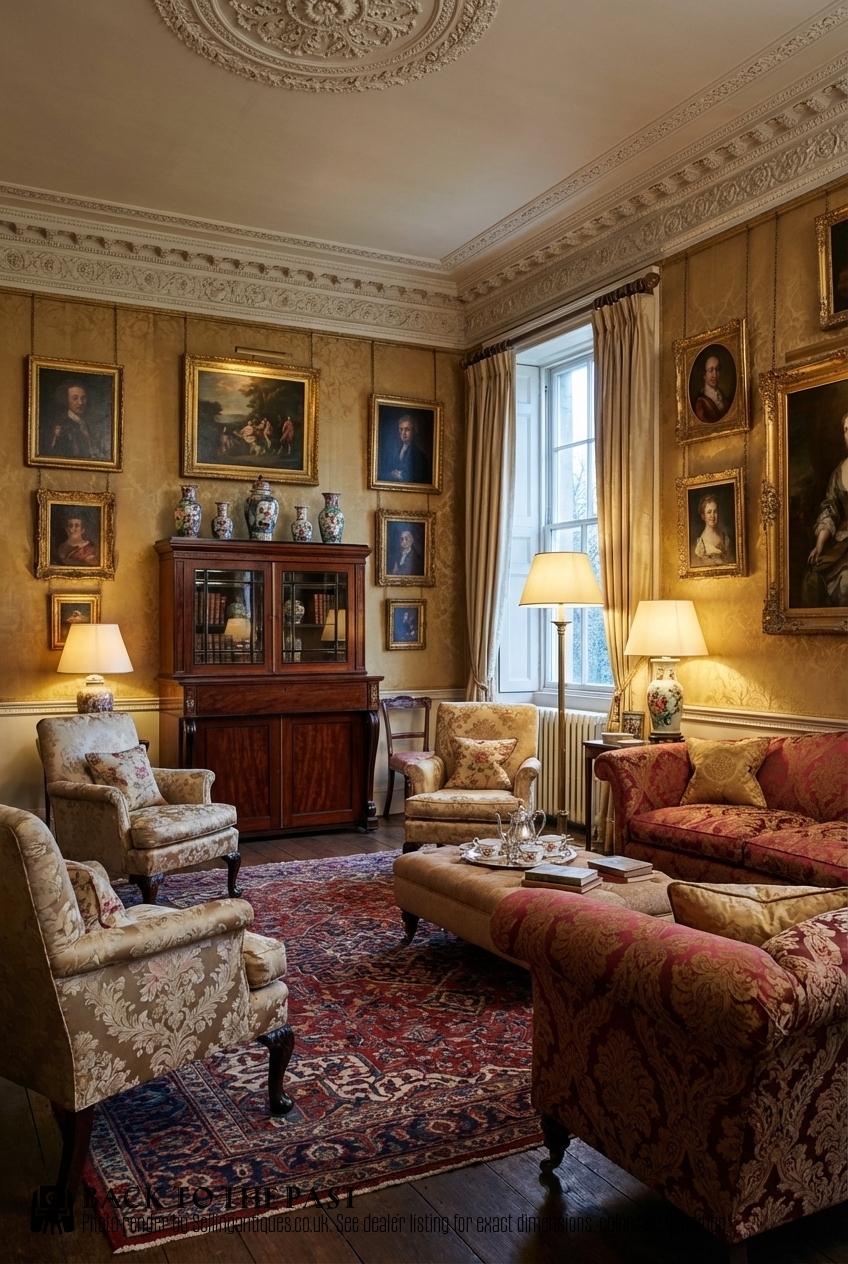
Traditional Mahogany Bureau
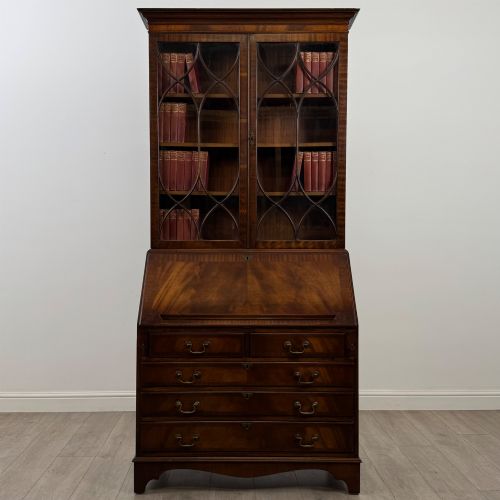
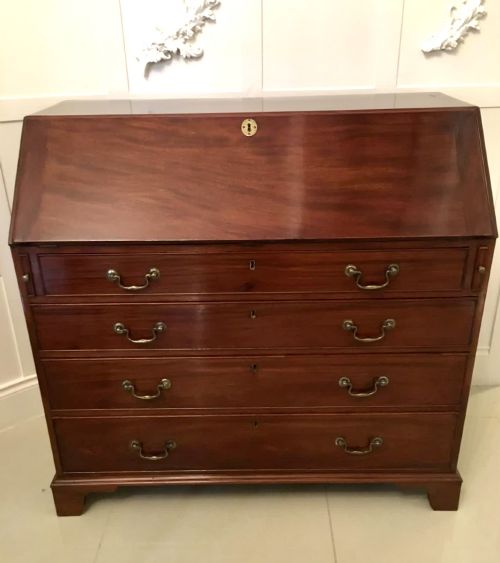
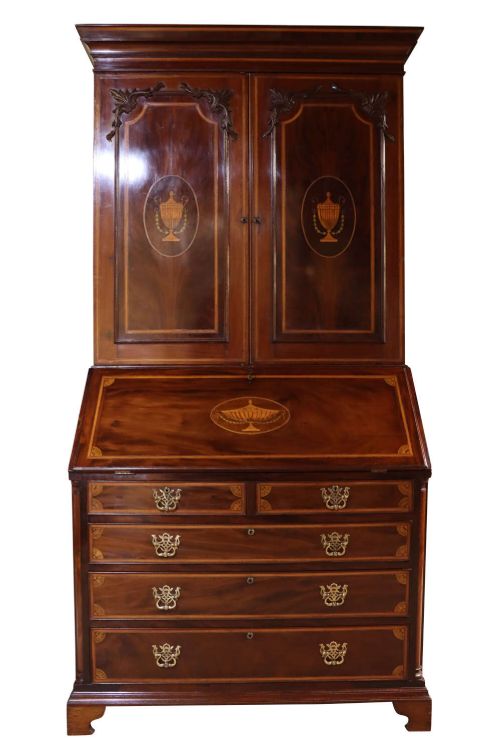
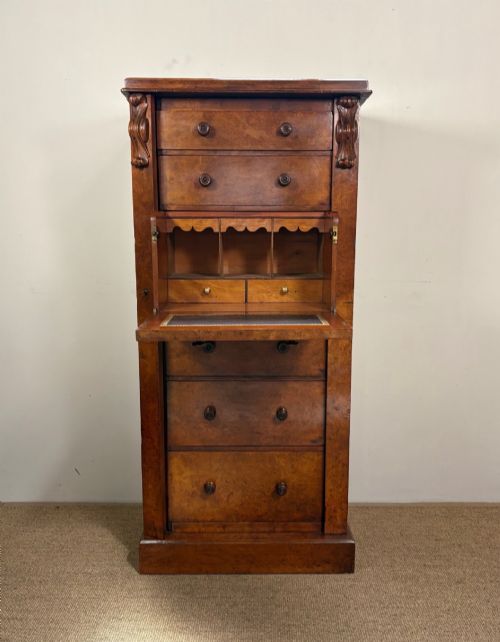
A traditional mahogany bureau offers a fitted writing flap that drops down to reveal internal pigeonholes and small drawers. These writing desks appear across Georgian, Victorian, and Edwardian periods, often taking the form of standalone drop-front cabinets or large bureau bookcases.
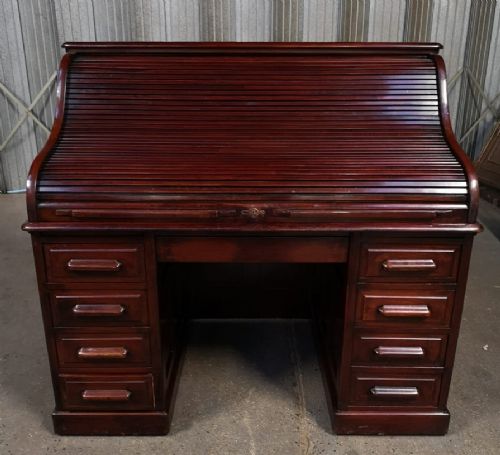
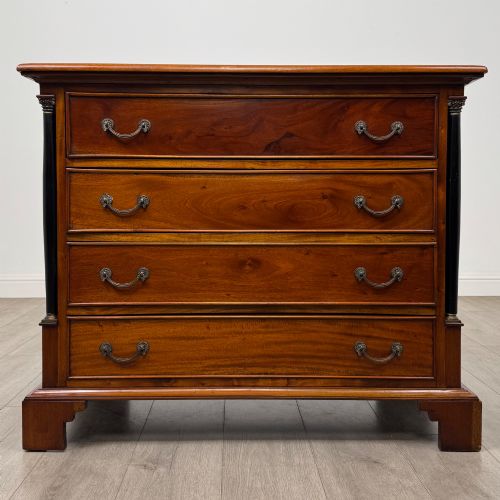
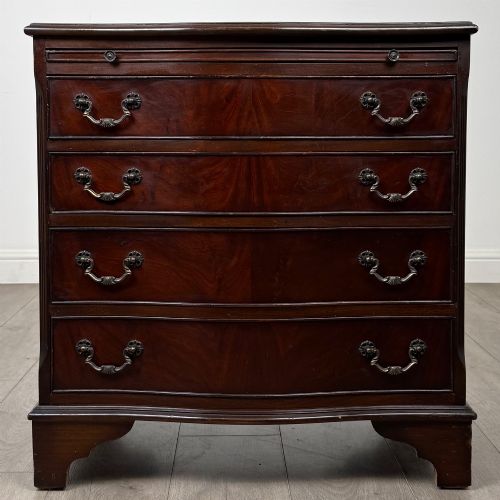
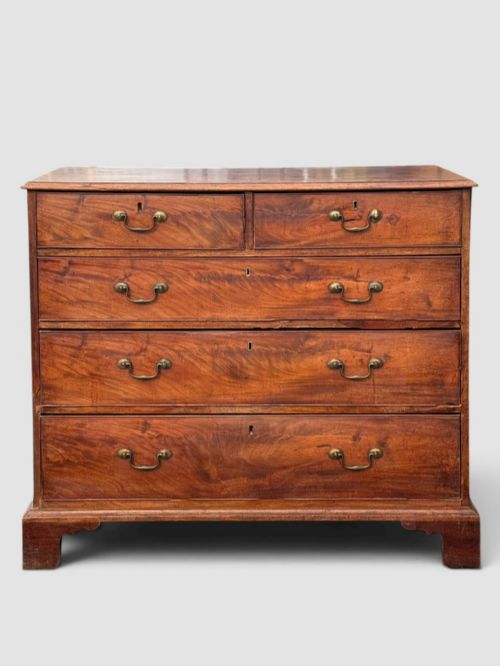
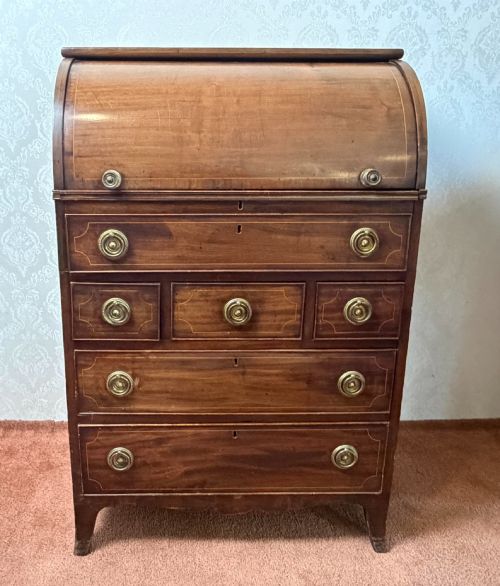
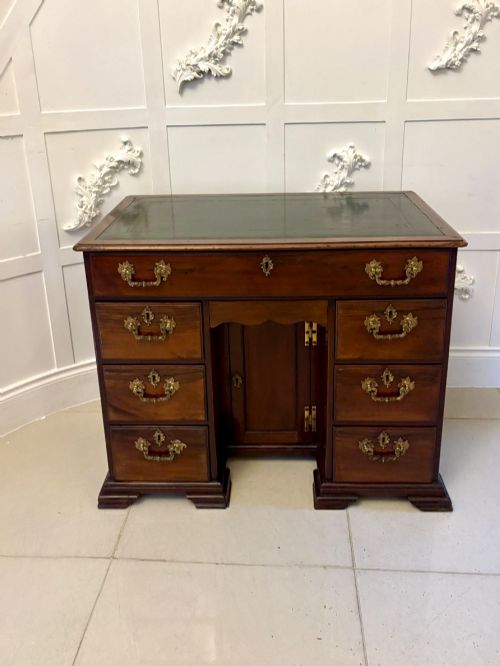
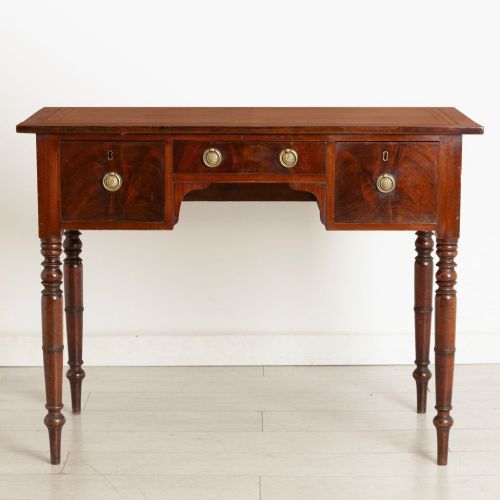
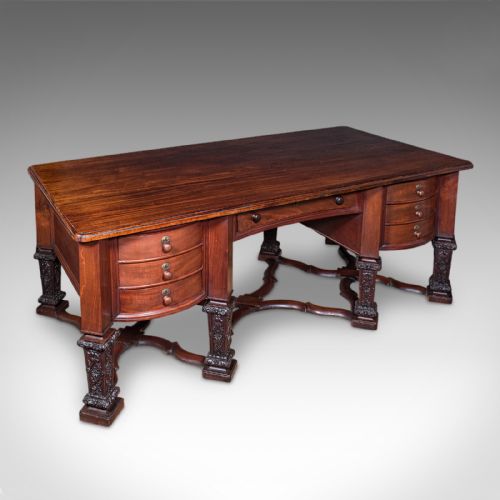
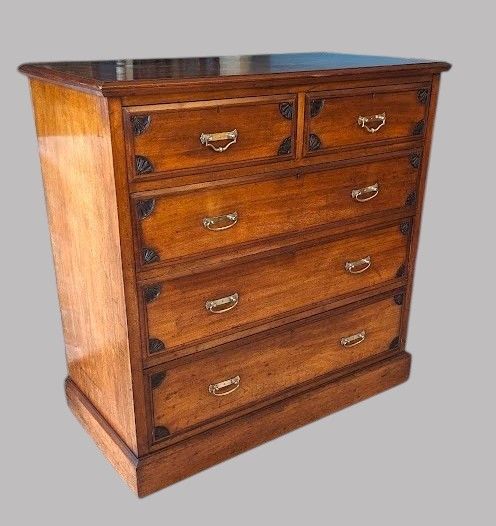
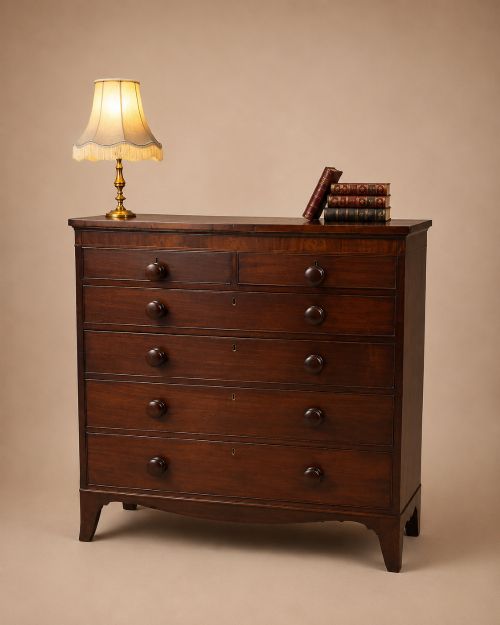
Buyers will also encounter related writing furniture on this page, including kneehole desks, cylinder desks, and secretaire chests. These pieces span centuries of cabinet making, from mid eighteenth century George III designs up to twentieth century Georgian revival interpretations.
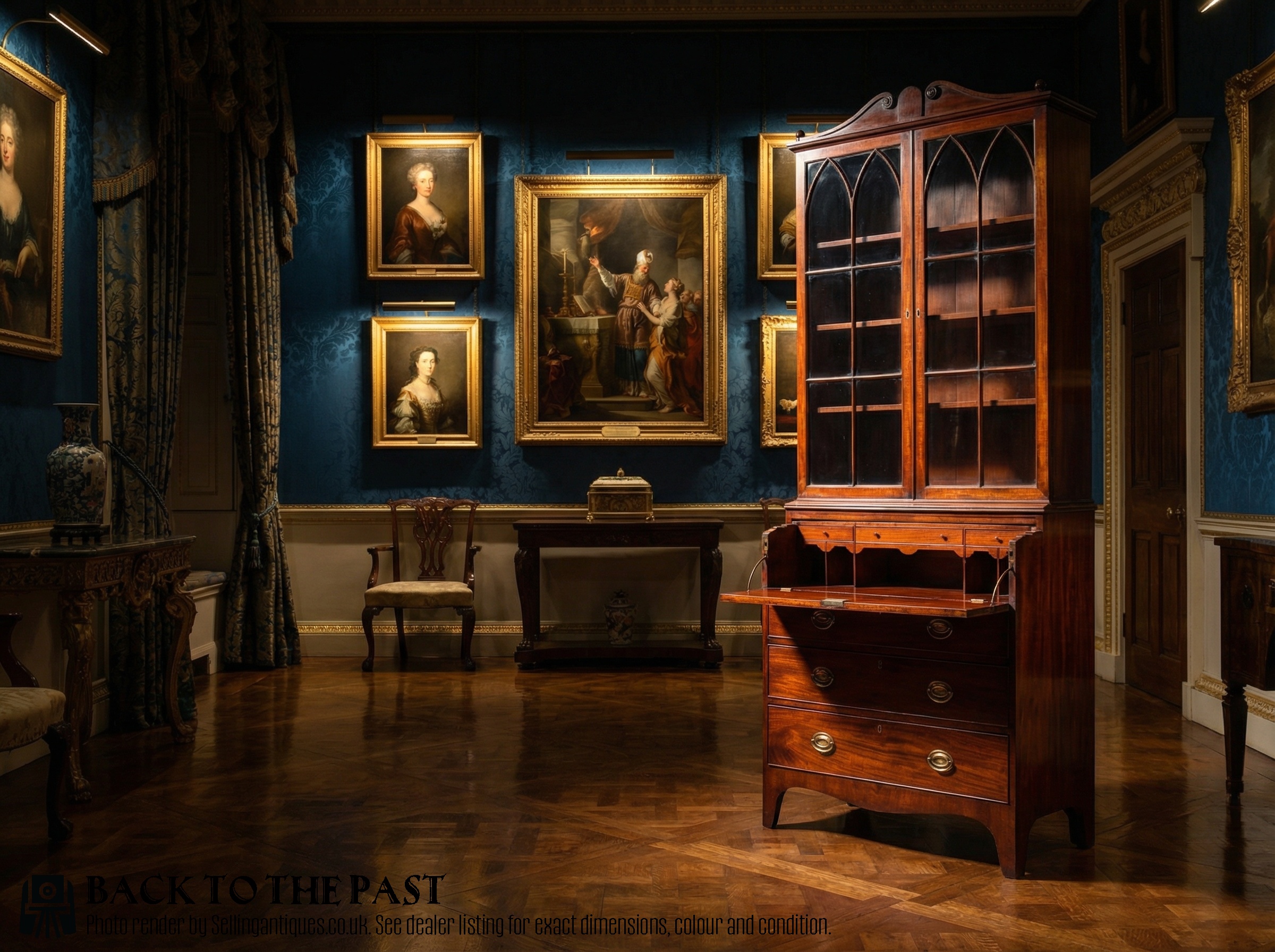
Materials and Construction
Cabinet makers utilised solid mahogany and flame mahogany veneer over secondary timbers like pine to build these desks. Brass handles, leather insert writing surfaces, and occasional satinwood or glass elements complete the construction of the better pieces.
Joinery methods across these periods rely on tight dovetailing for drawer construction and sturdy framing to support heavy fall-front writing surfaces. Timbers are selected for their deep natural grain figures, particularly when enhanced with flame mahogany veneer.
Traditional Mahogany Bureau Retail Price Guide 2026
Typical asking prices for traditional mahogany bureau among the pieces listed under this phrase on Sellingantiques today, from the lower quarter to the upper quarter. They describe what is for sale here now, not the wider market.
Listings feature mahogany writing furniture spanning the Georgian, Victorian, and Edwardian eras alongside revival pieces.
Judging the Workmanship
Quality separates standard production items from finer cabinet work through the precision of the internal stationery fittings and the choice of external veneers. Superior examples display carefully matched flame mahogany grains across the fall-front flap and drawer fronts.
The sophistication of the interior fitments, such as secret compartments, finely turned small drawers, and inlaid stringing, marks out the superior desks. Original brass hardware and intact leather writing inserts further elevate the standing of a piece.
Maple and Co
The Traditional Mahogany Bureau Glossary
- Bureau
- A writing cabinet featuring a sloping fall-front flap that opens to create a desk surface over a bank of drawers.
- Flame mahogany
- A decorative wood veneer harvested from the fork of the mahogany tree, prized for its swirling, flame-like grain pattern.
- Pigeonhole
- A small, open compartment fitted inside the interior of a bureau for organising letters and papers.
- Kneehole desk
- A compact pedestal desk featuring a central recess for the user's legs, flanked by vertical stacks of drawers.
- Secretaire chest
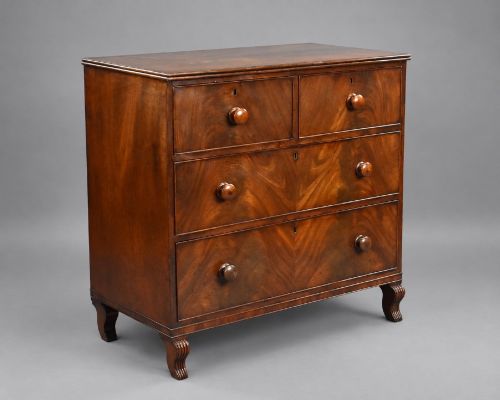
- A chest of drawers that conceals a pull-out or drop-down writing drawer disguised as a normal drawer tier.
Traditional Mahogany Bureau: Frequently Asked Questions
How do I use a bureau desk?
Lower the hinged fall-front flap to rest horizontally on its support arms, creating a flat surface suitable for writing. This action exposes the internal pigeonholes and small drawers designed for storing stationery.
When writing is finished, simply lift the flap back into its vertical closed position to conceal your papers and secure the contents of the desk.
How can I date a mahogany bureau?
Examine the construction methods of the internal drawers, noting that hand-cut dovetails and solid secondary timbers usually point to earlier Georgian or Victorian origins. Stylistic details like bracket feet, inlaid stringing, and brass handle styles also help narrow down the period.
Later Edwardian and revival pieces often display more standardised machine woodworking and lighter framing compared to their eighteenth century predecessors.
How do I care for mahogany veneer?
Keep mahogany furniture away from direct sunlight and heat sources to prevent the wood from drying out and the veneer from lifting. Dust regularly with a soft, dry cloth and apply occasional gentle wax polish to maintain the finish.
Avoid using harsh chemical sprays or placing damp items directly onto the polished wood or leather writing inserts.