

Mahogany Desk Cabinet
A mahogany desk cabinet combines writing surface and storage in timber that deepens with age.
Identifying mahogany desk cabinet pieces
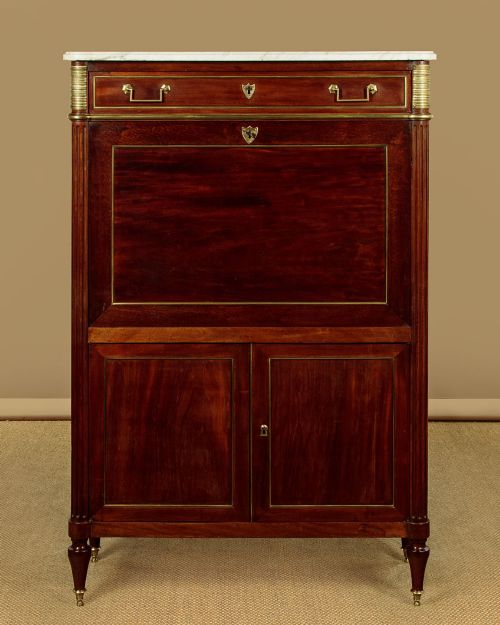
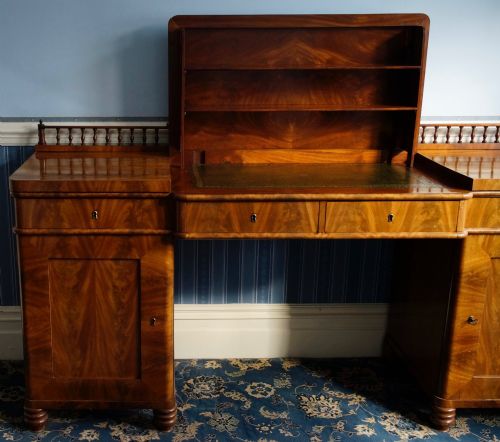
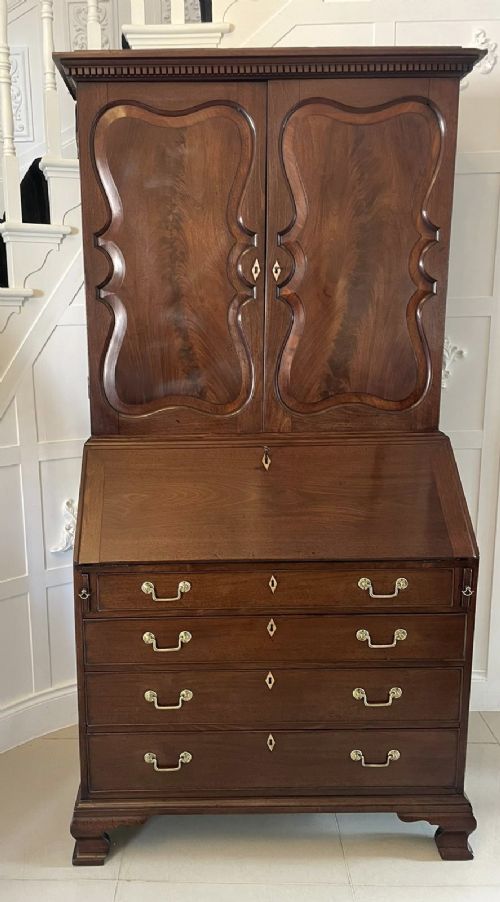
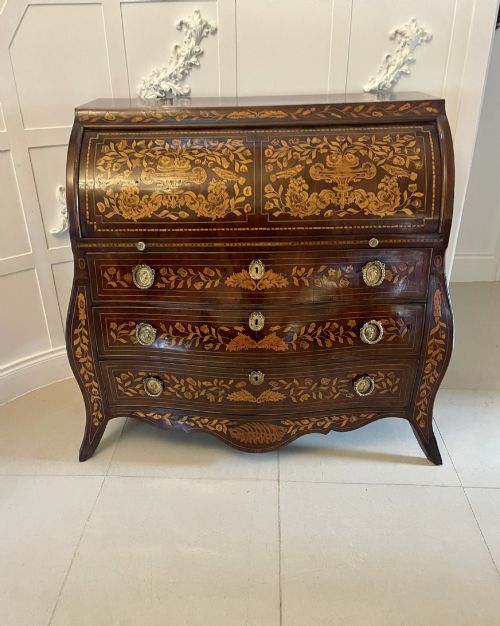
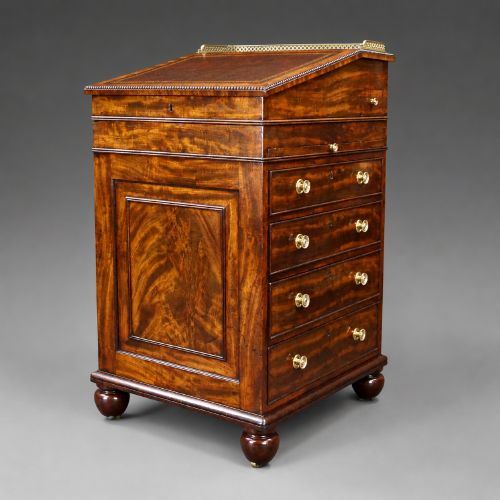
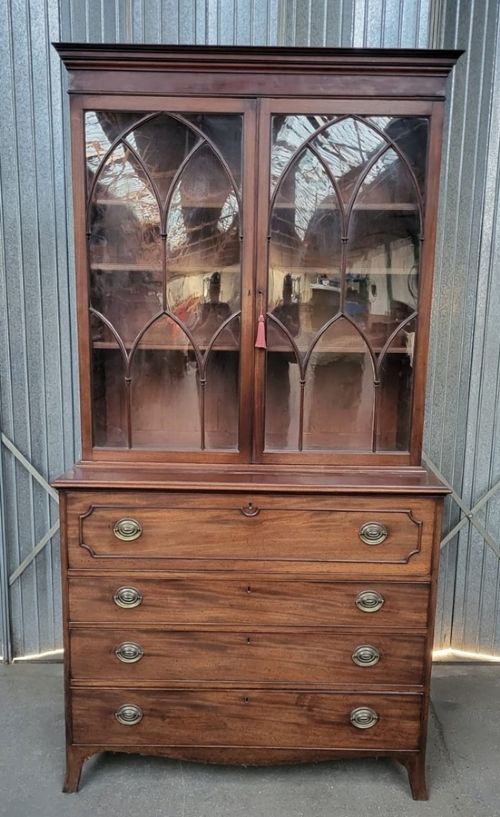
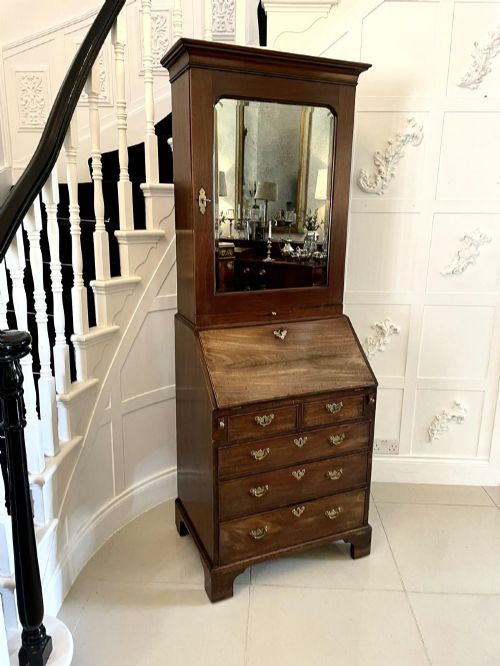
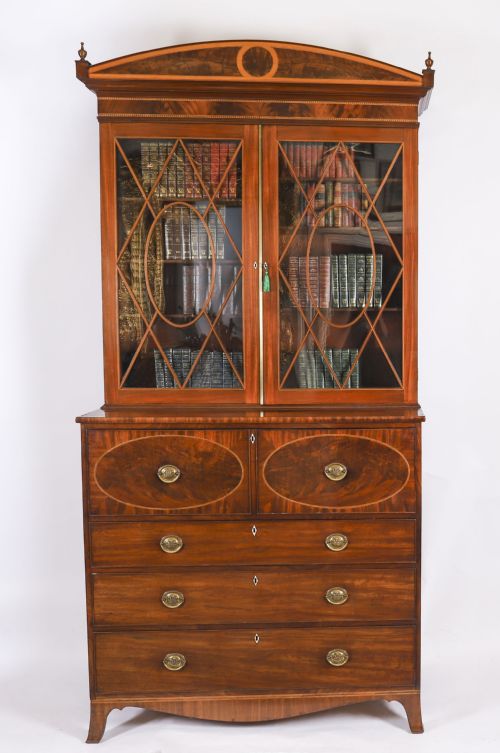
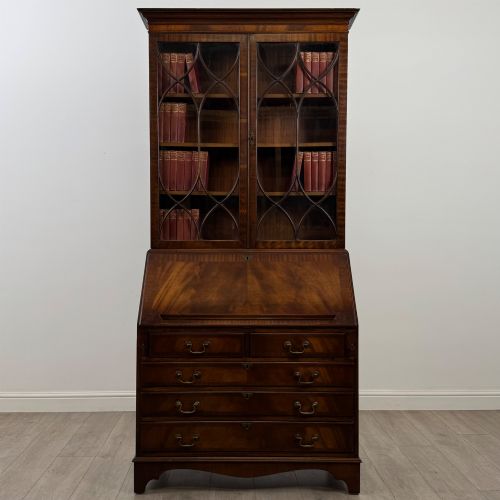
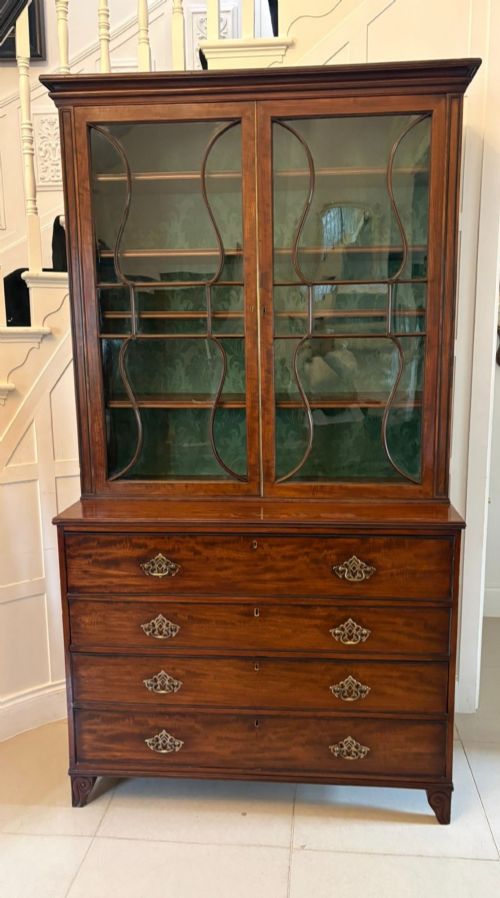
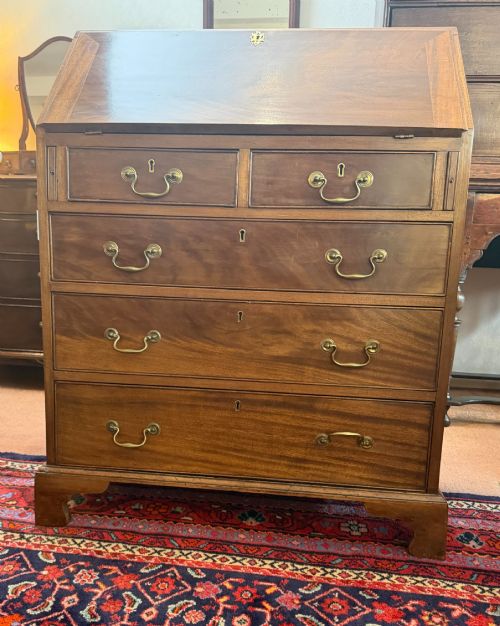
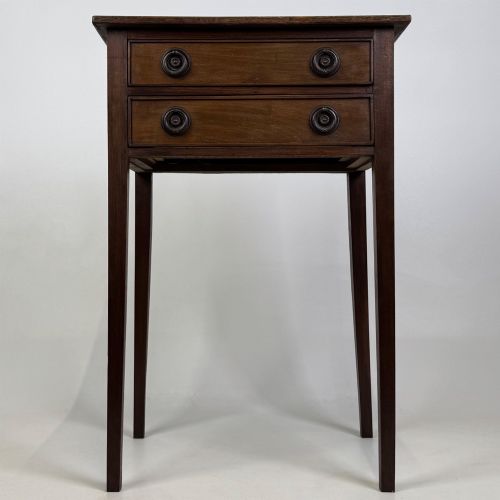
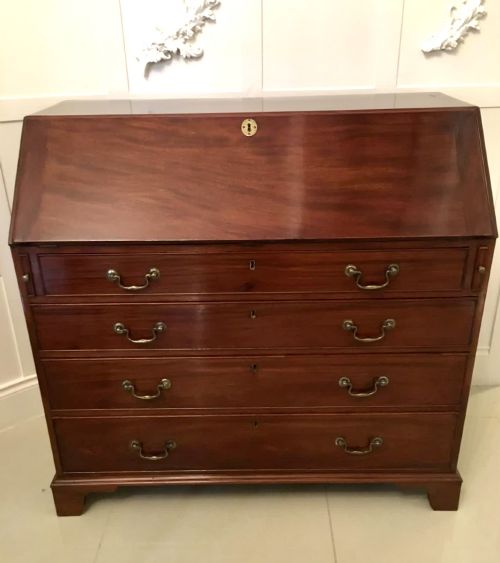
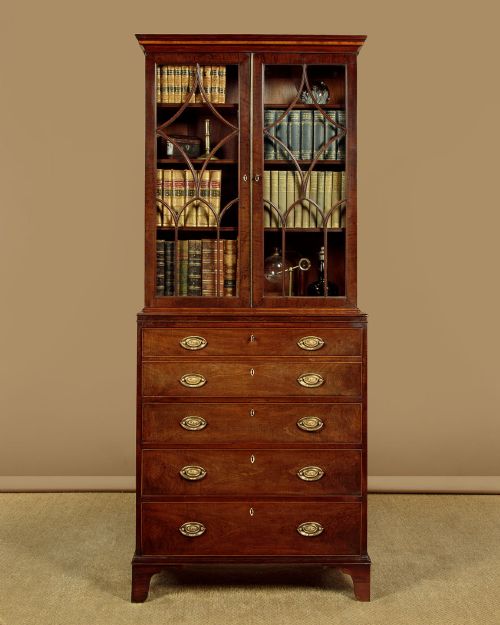
When you search for a mahogany desk cabinet, you encounter a versatile form bridging writing furniture and storage. The selection spans bureau bookcases, secretaire bookcases, and compact tabletop display cabinets designed for papers or small treasures.
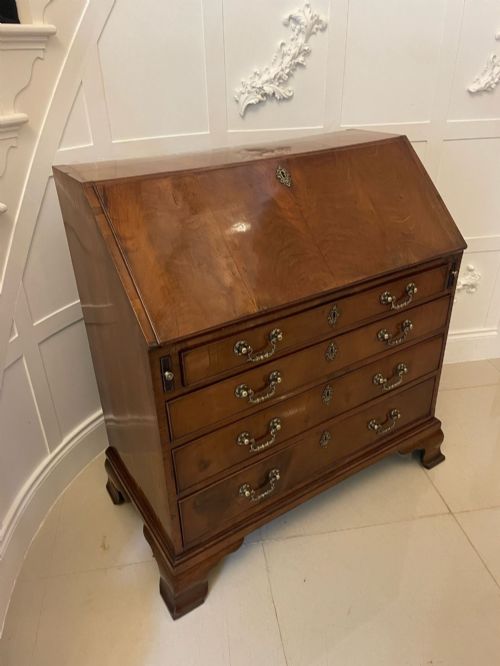
Georgian and Regency examples dominate the tradition, alongside Victorian iterations and later revival styles. You will find taller bureau bookcases with fitted writing drawers sitting beside smaller desk-top cabinets and fall-front writing desks.
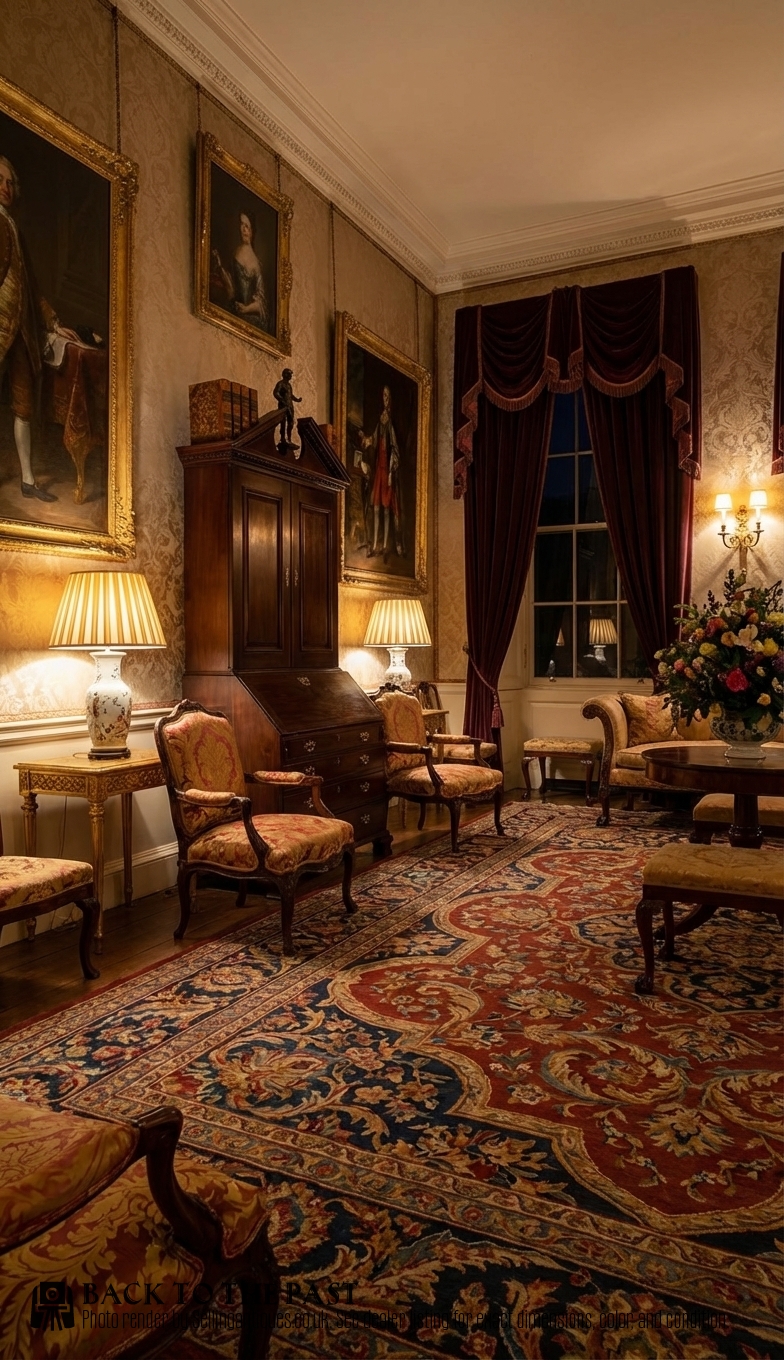
The origin stretches across English workshops and continental European centres, reflecting shifting domestic habits from grand libraries to private drawing rooms. Each piece balances cabinet-making utility with domestic elegance.
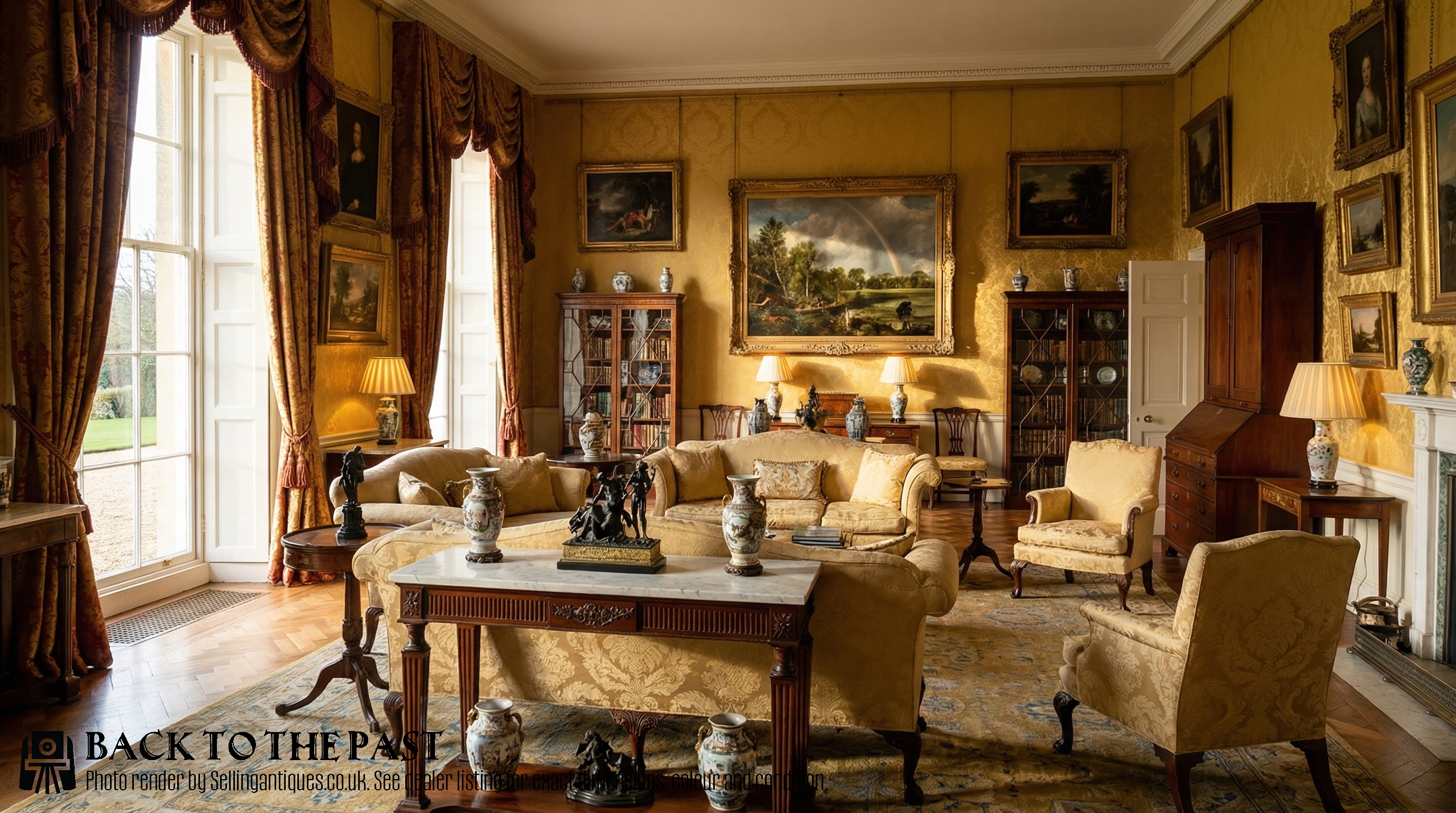
Construction and materials
Makers utilised solid mahogany and figured flame mahogany veneers over secondary timbers, often accentuating the grain with satinwood stringing or inlay. Structural integrity relied on traditional dovetail joinery for drawers and sturdy framing for larger carcasses.
Metalwork played a defining role in both function and decoration, incorporating brass handles, drop pulls, and occasionally ormolu mounts on French empire pieces. Glass panels appeared on bookcase doors, while interiors frequently featured baize-lined writing surfaces and pigeonholes.
Retail Price Guide 2026
Typical UK retail prices for mahogany desk cabinet, calculated from the Sellingantiques database of over a million retail prices indexed since 2003. This retail price guide relies exclusively on Sellingantiques data; no external sources or auction records are used, so the figures do not describe the wider market.
Many small desk cabinets hide miniature secret drawers behind sliding pigeonholes, designed for letters no one else should read.
Assessing quality in mahogany furniture
Quality rests primarily in the selection of timber, where richly figured flame mahogany and balanced veneer matching elevate a piece. Finer examples display meticulous attention to interior fittings, such as secret compartments and finely turned pigeonholes.
Proportion and execution of detail separate standard production from exceptional cabinet-making. Crisp mouldings, original brass hardware, and seamless integration of writing flaps indicate higher workshop standards.
The Mahogany Desk Cabinet Glossary
- Secretaire
- A piece of furniture incorporating a writing drawer or fall-front flap that conceals a fitted desk interior. This mechanism allows a chest or cabinet to double as a writing surface.
- Bureau bookcase
- A tall cabinet combining a sloping writing flap desk at the lower section with shelving enclosed by doors above. It serves as both a library storage unit and a working desk.
- Ormolu
- Gilt bronze ornamentation applied to furniture for decorative accent. It appears most frequently on pieces influenced by French design styles.
- Flame mahogany
- A veneer cut from timber where the grain creates a distinctive flickering flame pattern. Cabinet-makers reserved this visually striking wood for primary display surfaces.
- Baize
- A durable woollen fabric traditionally used to line writing surfaces and desk flaps. It provides a soft, protective layer for writing instruments and paper.
Frequently Asked Questions
What is a secretaire bookcase?
A secretaire bookcase combines a shelved upper cabinet with a lower section featuring a pull-out writing drawer or drop-front desk. The fitted interior includes small drawers and pigeonholes for correspondence.
These hybrid pieces originated to save space in domestic libraries and parlours, offering both book storage and a dedicated writing station in one footprint.
How do I care for mahogany furniture?
Keep mahogany pieces away from direct sunlight and heat sources to prevent the wood from drying out and the veneers from lifting. Regular dusting with a soft, dry cloth preserves the finish.
Apply traditional beeswax occasionally to nourish the timber and maintain the natural lustre of the grain without building up synthetic residues.
Where were these cabinets made?
Most pieces originate from English workshops operating during the Georgian and Victorian periods. Regional cabinet-makers followed prevailing metropolitan fashions.
Continental workshops, particularly in France, produced alternative forms such as the secretaire abattant, reflecting distinct regional design preferences and decorative vocabularies.
How do I identify a Georgian piece?
Georgian pieces typically feature solid proportions, restrained classical mouldings, and high-quality timber selection without excessive ornamentation. Look for hand-cut dovetails and traditional secondary woods inside drawers.
Stylistic markers include bracket feet, ogee cornices, and fitted interiors with secret compartments typical of eighteenth-century craftsmanship.