


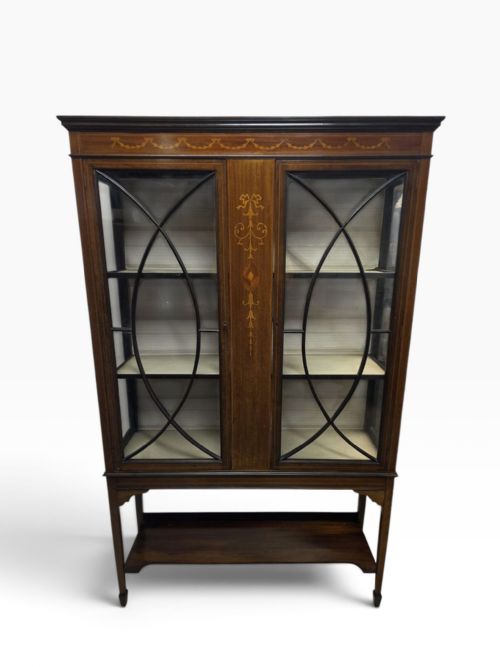
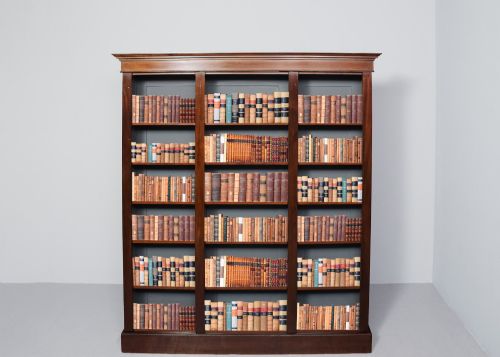
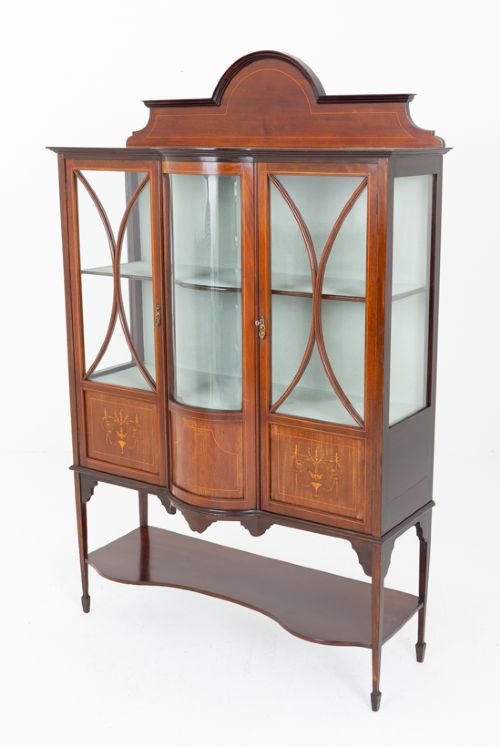
Sheraton Style Bookcase
A sheraton style bookcase brings refined neoclassical symmetry and delicate marquetry into a room.
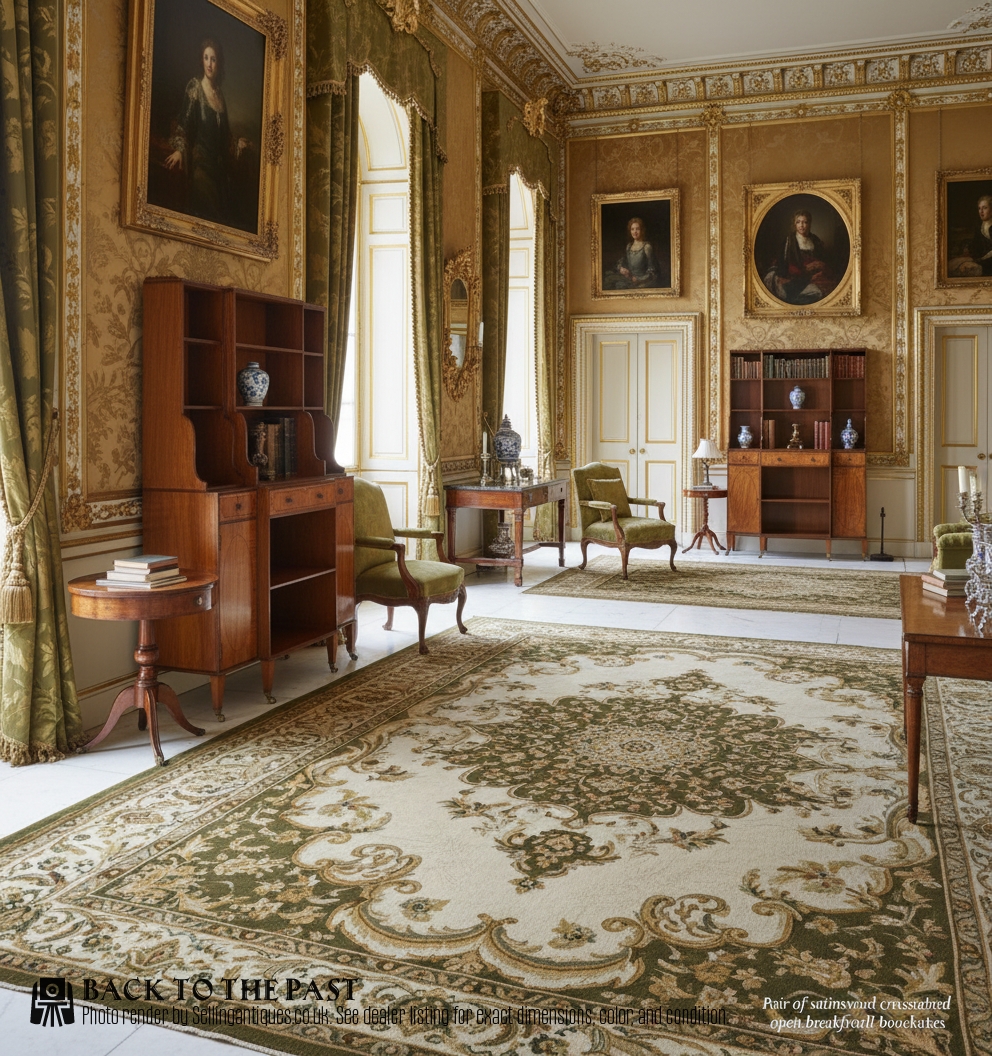
Sheraton Style Bookcase
A sheraton style bookcase encompasses display cabinets, open shelves, and bureau bookcases that reflect late eighteenth century design principles. The pieces seen here span from George III originals through Victorian interpretations to Edwardian revivals and nineteen thirties editions.
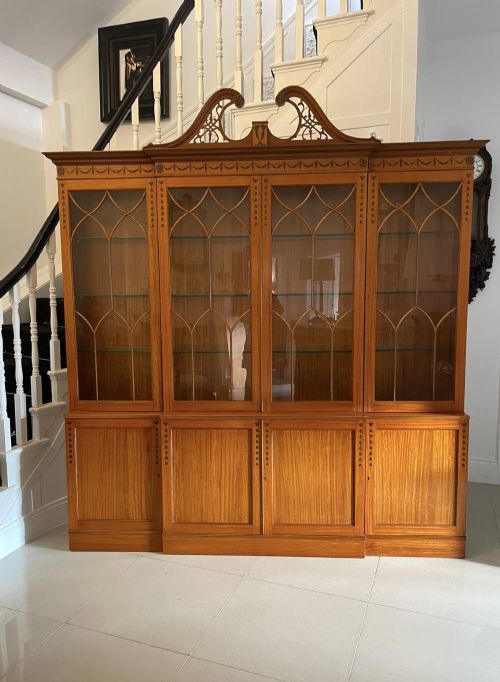
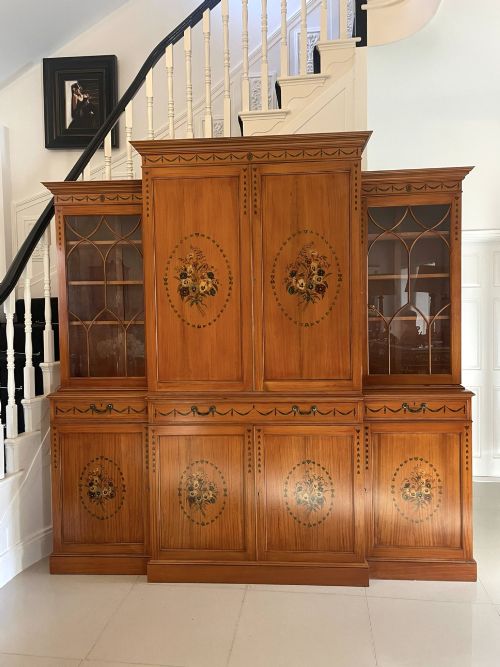
Most examples encountered on this page belong to the Sheraton Revival and Edwardian periods, constructed with proportions suited to domestic display. They range from large breakfront library bookcases to compact revolving shelves and corner cabinets.
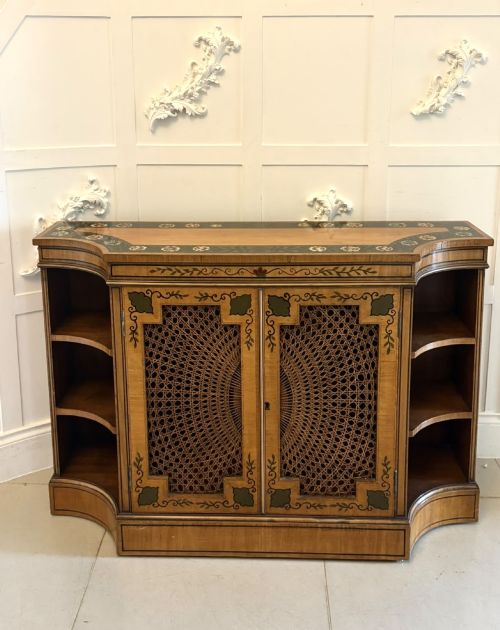
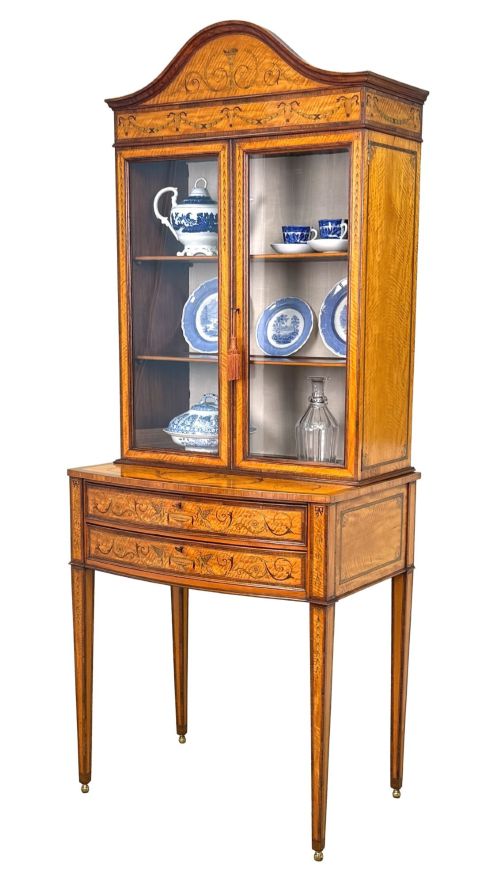
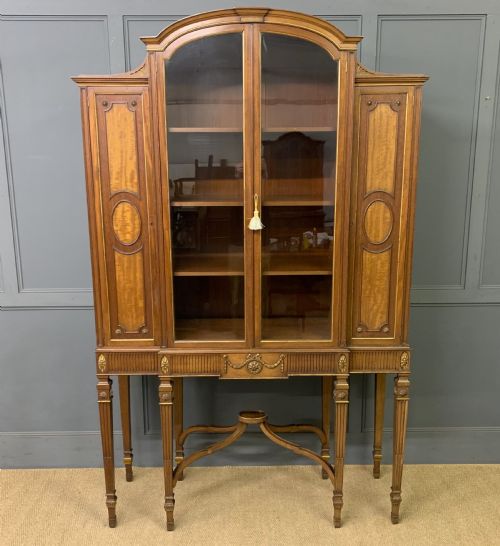
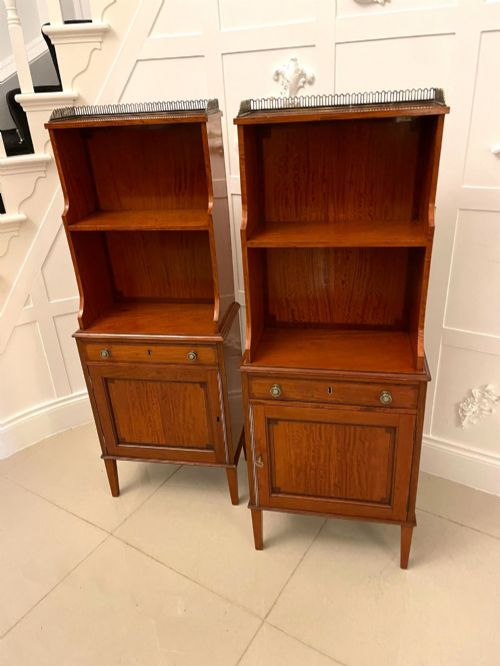
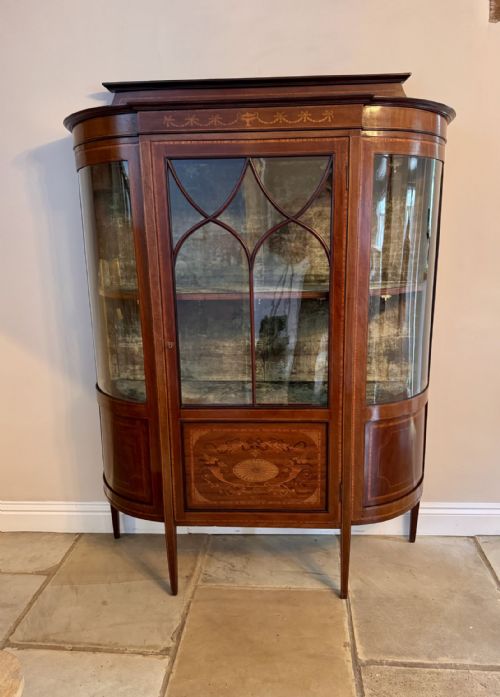
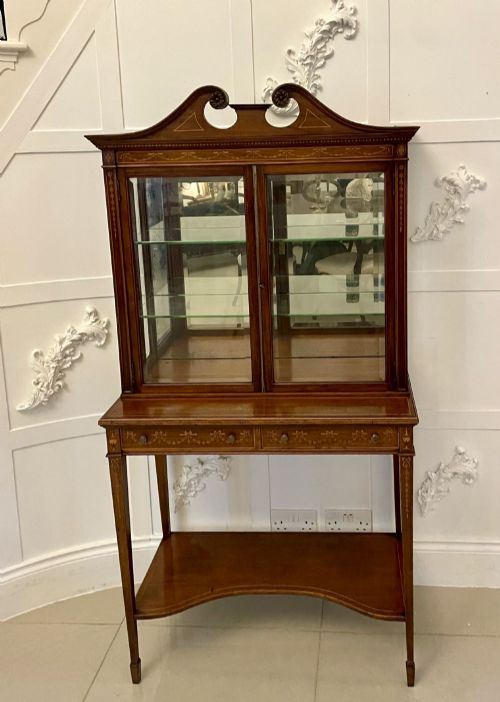
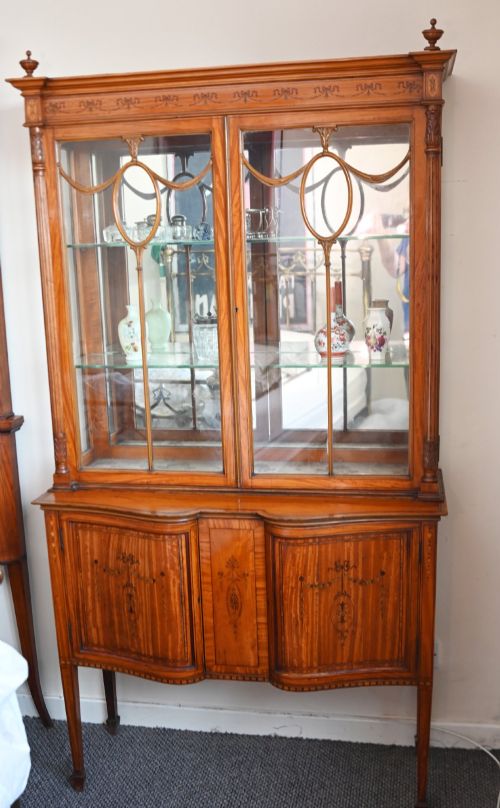
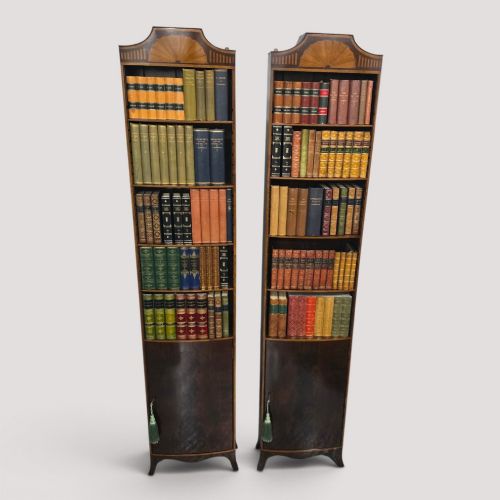
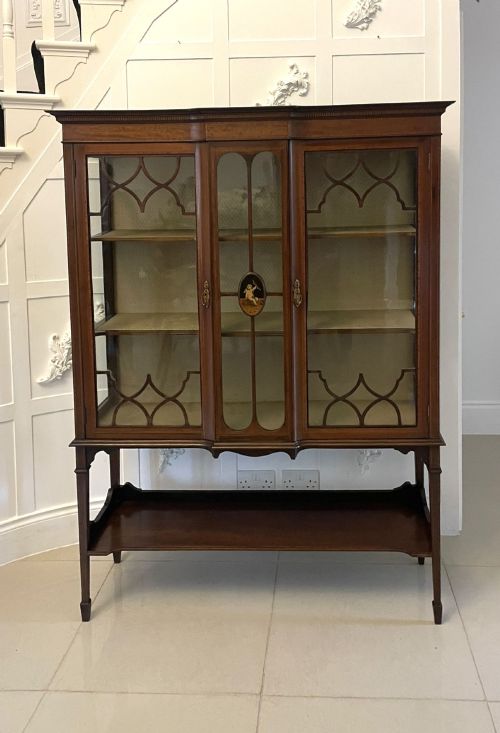
Forms include glazed display cabinets with original painted decoration, open bookcases with inlaid friezes, and secretaire cabinets equipped with fitted writing drawers. These items served both practical storage and genteel exhibition purposes in period interiors.

How they were made
Construction relies heavily upon solid mahogany and bright satinwood timbers, frequently enhanced by contrasting boxwood and wood inlay. Cabinetmakers utilised techniques such as crossbanding, marquetry, and delicate stringing to define panels and cornices.
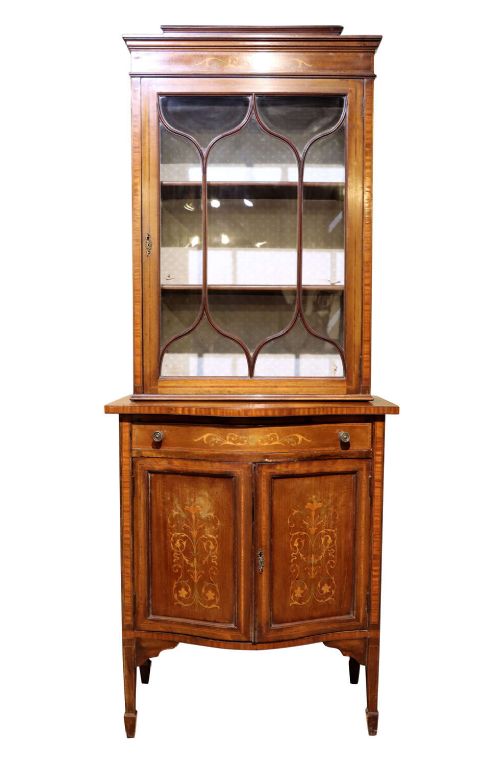
Glazing takes the form of astragal bars dividing glass panes into geometric patterns, whilst internal fittings include adjustable wooden shelving and fabric-lined backings. Metal elements such as brass hinges and handles provide functional accents to the polished timber surfaces.
Sheraton Style Bookcase Retail Price Guide 2026
Typical asking prices for sheraton style bookcase among the pieces listed under this phrase on Sellingantiques today, from the lower quarter to the upper quarter. They describe what is for sale here now, not the wider market.
What varies in quality
Quality rests upon the precision of the timber selection, such as the use of flame mahogany or finely figured satinwood. The crispness of the hand-cut marquetry and the delicacy of the inlaid decoration distinguish standard cabinet work from superior exhibition pieces.
Structural complexity also dictates standing, with breakfront forms, cylinder desks, and painted decoration requiring advanced carpentry skills. Original glass panes, intact brassware, and preserved painted surfaces elevate the status of an individual piece.
Maple And Co·Edwards And Roberts·Waring And Gillow·Lamb And Co
The Sheraton Style Bookcase Glossary
- Satinwood
- A pale, lustrous hardwood imported from tropical regions, valued for its silky grain and golden colour. It became a hallmark of neoclassical and revival cabinet making.
- Astragal
- A moulded bar of wood used to divide panes of glass within a cabinet door. These grid frameworks range from simple vertical mullions to intricate geometric tracery.
- Marquetry
- The art of applying decorative veneer pieces to a structure to form pictorial or geometric designs. Craftsmen combined various tinted woods to achieve shaded effects.
- Breakfront
- A cabinet design where the central section projects forward from the flanking wings. This architectural arrangement creates depth and visual rhythm across large bookcases.
- Crossbanding
- A strip of veneer applied across the grain of the primary panel to form a contrasting border. It frames drawer fronts and tabletop edges with neat precision.
Sheraton Style Bookcase: Frequently Asked Questions
What is a sheraton style bookcase?
A sheraton style bookcase is a piece of furniture inspired by the neoclassical designs of the eighteenth century. These items feature straight lines, symmetrical proportions, and decorative woodwork.
They appear in various formats including open shelves, glazed display units, and multifunctional secretaire desks. The style prioritises elegance and lightness over heavy Victorian proportions.
How do I date an Edwardian revival piece?
Dating these items involves examining the timber framing, backing boards, and internal hardware used in construction. Edwardian revivals from nineteen hundred often employ machine-cut elements alongside hand-applied inlay.
Comparing the secondary woods and finishing lacquers with known period examples helps determine whether a piece is an original eighteenth century work or a later revival.
Where were these bookcases used?
These pieces served primarily in formal libraries, drawing rooms, and studies of gentleman's residences and grand homes. They provided secure storage for leather-bound volumes and delicate porcelain collections.
Open versions offered quick access to daily reading material, whilst glazed and locked cabinets protected valuable literary works and curiosities from dust.
How do I care for satinwood and mahogany?
Maintaining these surfaces requires keeping them away from direct sunlight and maintaining stable room humidity. Natural waxes applied sparingly help preserve the lustre of the timber.
Harsh chemical cleaners should be avoided in favour of soft cloths for dusting. Regular gentle polishing maintains the grain depth without building up residue.