


Eighteenth Century Bureau
An eighteenth century bureau brings working practicality and cabinet timber into a room, offering fitted drawers and a drop front for private correspondence.
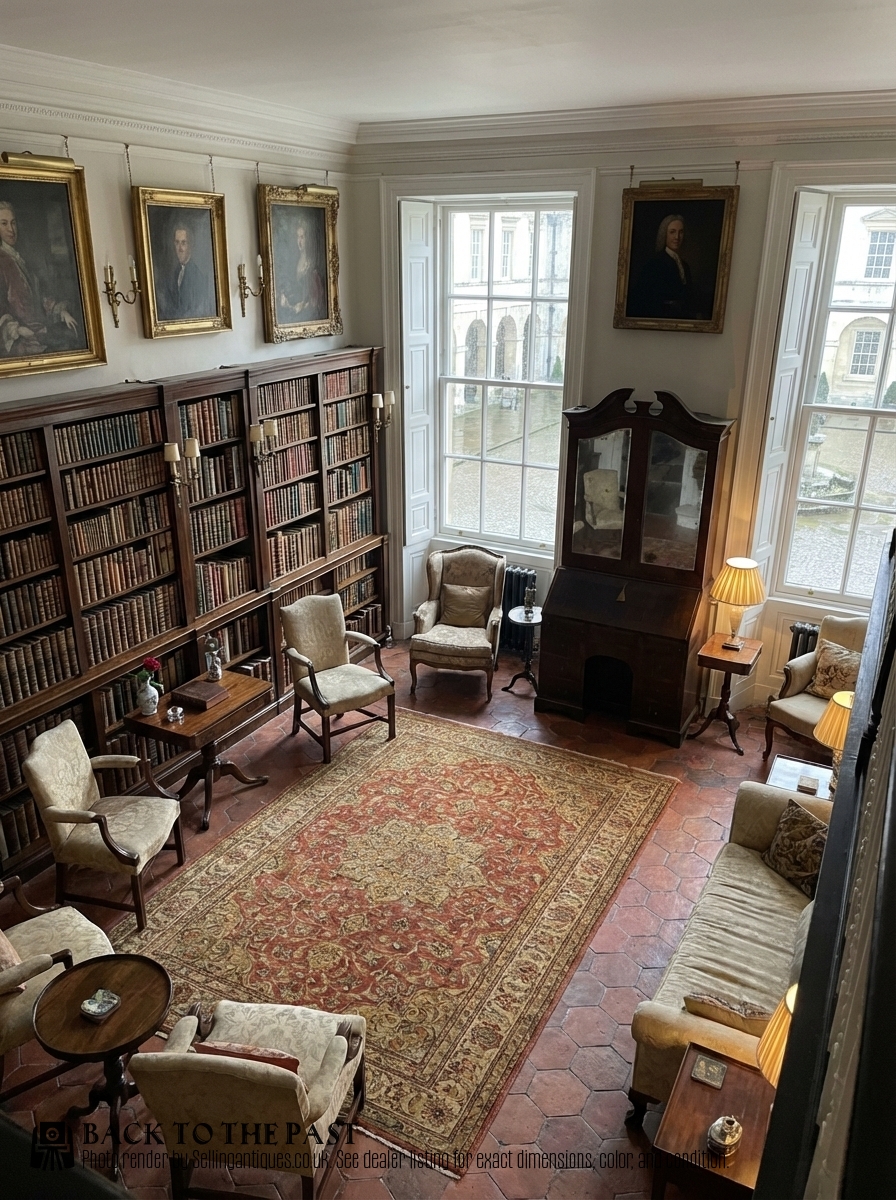
What an eighteenth century bureau is
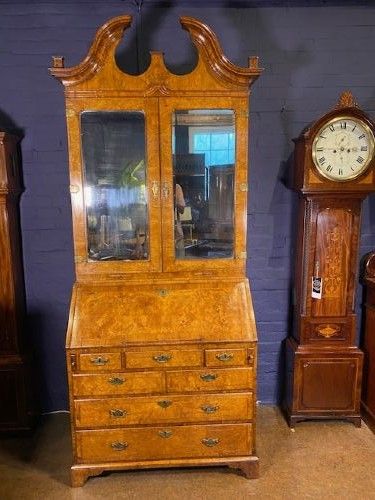
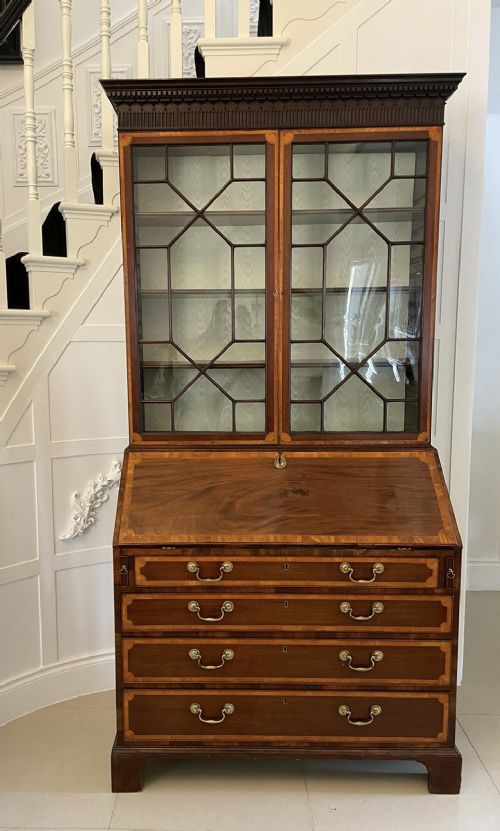
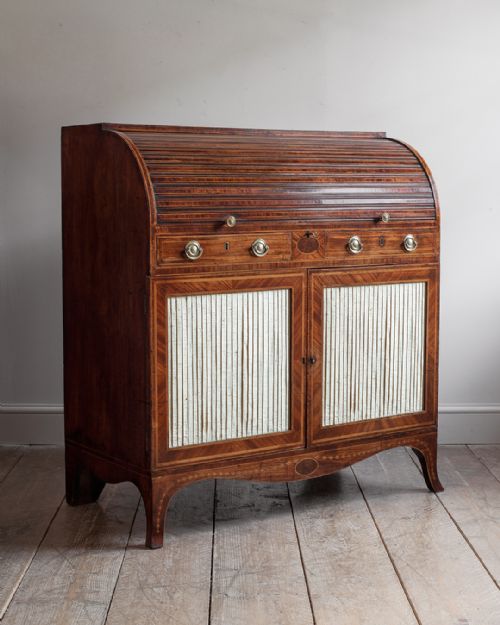
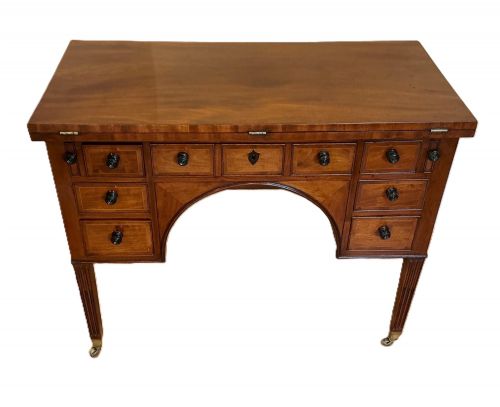
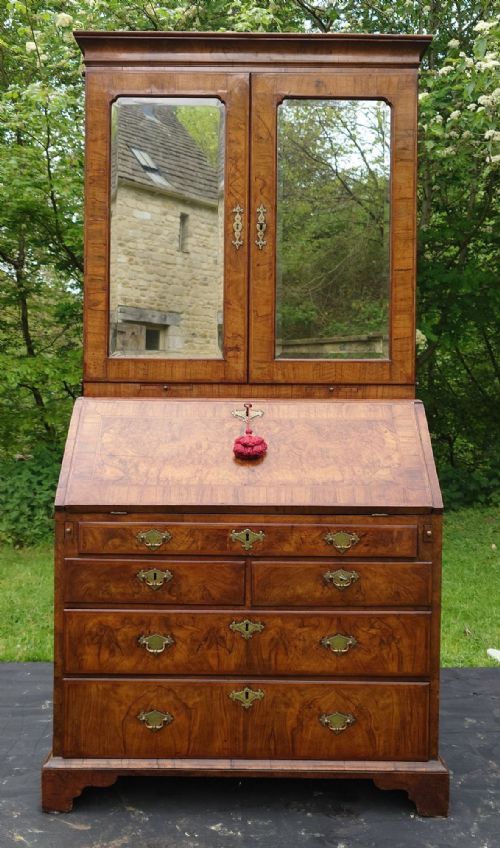
An eighteenth century bureau provides a private writing surface through a hinged fall front that drops to reveal small drawers and pigeonholes. The form appears in domestic interiors as a freestanding desk or combined with a glazed upper bookcase.
Surviving examples span the Georgian era and the wider eighteenth century, occasionally joined by nineteenth century interpretations. Materials range from solid mahogany and rosewood to figured walnut veneer and satinwood details.
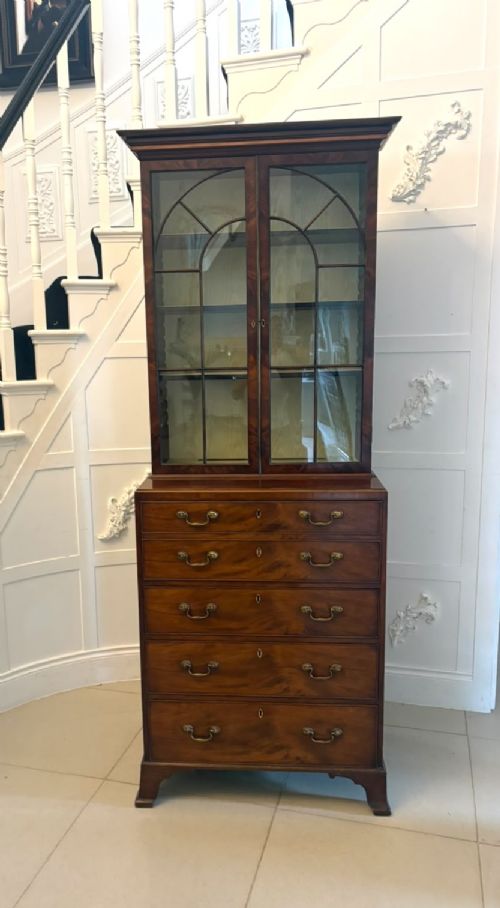
Regional and stylistic variations include bureau bookcases, tabletop miniature writing desks, and bureau desks decorated in Georgian Chinoiserie. Buyers encounter standard floor-standing writing desks alongside grander double-height pieces fitted with doors above.
Materials and construction
Cabinetmakers constructed carcases using dense timbers such as mahogany, walnut, and rosewood, frequently applying burr walnut or satinwood veneers across primary surfaces. Brass handles, escutcheons, and hinges secure the drawers and support the drop front.
Writing compartments often integrate lined leather surfaces for a smooth writing plane, whilst taller items incorporate glass panels within upper bookcase doors. Early pieces rest upon original bun feet, anchoring the heavy timber structure to the floor.
Retail Price Guide 2026
Typical UK retail prices for eighteenth century bureau, calculated from the Sellingantiques database of over a million retail prices indexed since 2003. This retail price guide relies exclusively on Sellingantiques data; no external sources or auction records are used, so the figures do not describe the wider market.
Listings feature eighteenth century and Georgian periods alongside nineteenth century interpretations, constructed from mahogany, walnut, rosewood, and satinwood.
Distinctions in quality
Superior execution shows in the careful selection of figured walnut or contrasting satinwood veneers, where grain patterns align harmoniously across drawer fronts. The crispness of internal joinery within the bureau compartment demonstrates the skill applied to pigeonholes and concealed compartments.
The integration of original brass hardware and untouched timber patination distinguishes pieces that retain their character over centuries. Structural honesty, such as retaining original bun feet or unaltered desk interiors, separates exceptional examples from heavily restored furniture.
The Eighteenth Century Bureau Glossary
- Fall front
- The hinged flap that pulls down to create a horizontal writing surface. This panel conceals the internal drawers and pigeonholes when closed.
- Bureau bookcase
- A dual-purpose piece featuring a sloping desk compartment below and a glazed cabinet for books above. These tall items dominate the wall space.
- Burr walnut
- Timber taken from a tree growth that produces swirling, highly decorative grain patterns. Cabinetmakers sliced this wood into thin veneers for statement furniture.
- Escutcheon
- A decorative brass plate surrounding a keyhole. It protects the surrounding wood from wear caused by the key.
- Pigeonhole
- A small, open compartment inside the desk interior used for sorting letters and papers. These compartments often sit above hidden document drawers.
Frequently Asked Questions
What is an eighteenth century bureau?
An eighteenth century bureau is a domestic desk featuring a sloping fall front that opens to reveal internal writing compartments and small drawers.
These pieces served as private workspaces for correspondence and record-keeping in historic homes.
How do I identify a bureau bookcase?
A bureau bookcase combines a lower desk section with an upper glazed cabinet designed for storing books.
This taller form unifies two functional storage units into a single tall cabinet.
What woods were used for these desks?
Cabinetmakers utilised dense hardwoods including mahogany, walnut, burr walnut, and rosewood.
Decorative accents often involved contrasting satinwood veneers and polished brass hardware.
How do I live with an antique bureau?
An antique bureau functions effectively as a laptop workstation or a traditional writing desk in a study or living room.
The drop front closes securely to hide paperwork and maintain a tidy room.
What distinguishes walnut pieces?
Walnut pieces display rich brown grain patterns, frequently enhanced by burr figuring or applied walnut veneers.
Early examples might stand upon turned wooden bun feet.