
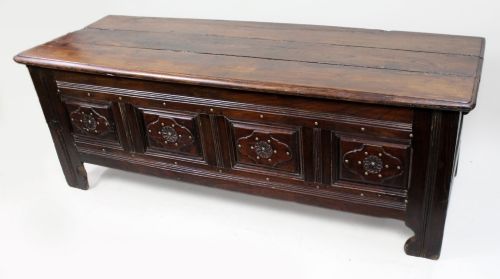
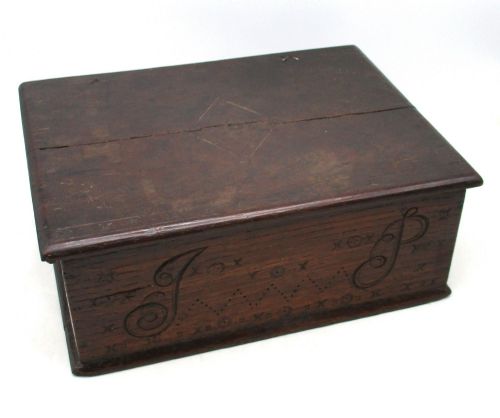
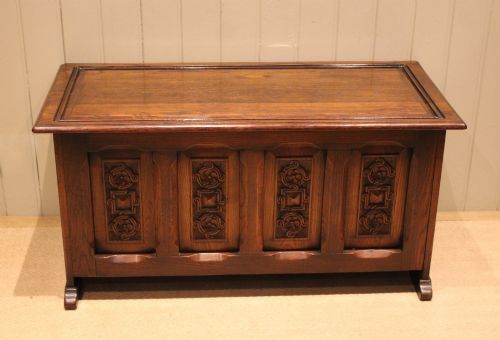
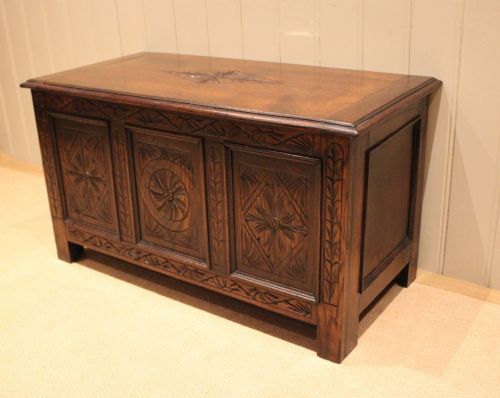


Oak Storage Coffer
An oak storage coffer is a sturdy domestic staple built to hold textiles, valuables, and provisions, prized for its honest craft and deep, aged timber.
What these pieces are
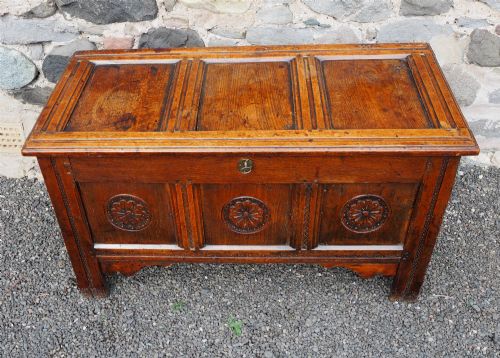
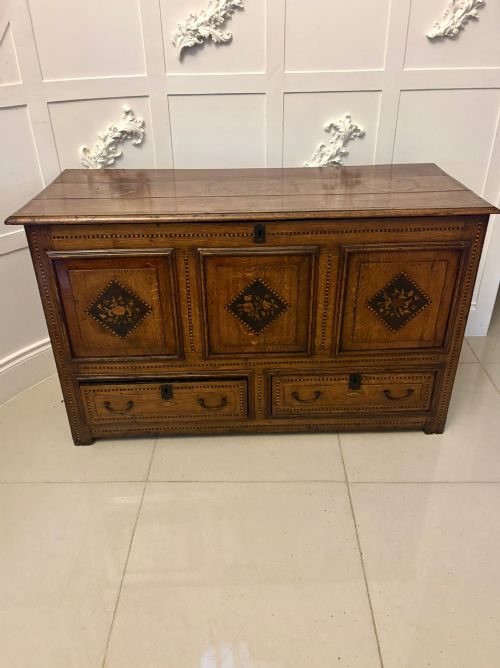
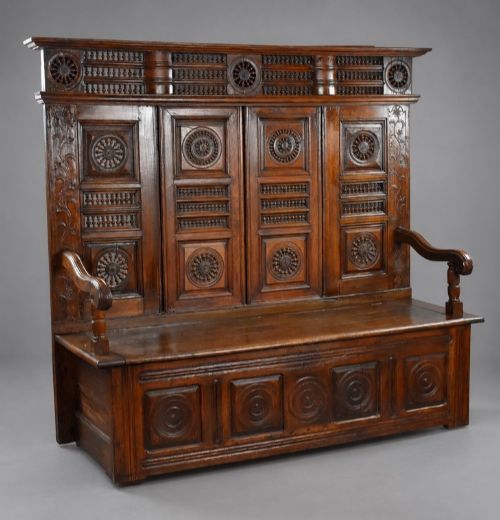
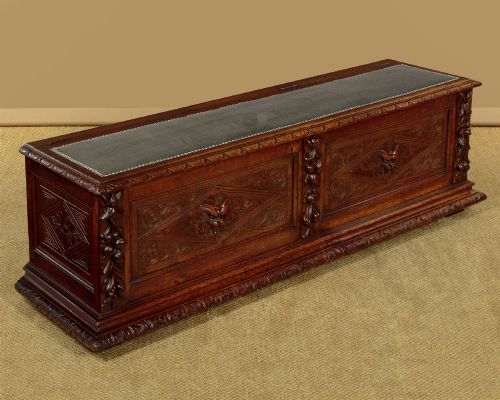
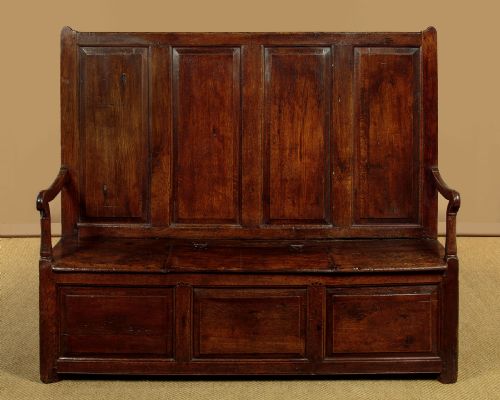
An oak storage coffer stands as a foundational form of historic furniture, designed primarily to keep household linens, garments, and valuables safe from damp and pests. These timber chests take various regional and stylistic shapes across the centuries, ranging from simple boarded trunks to sophisticated mule chests fitted with lower drawers.
Buyers exploring this selection encounter examples spanning from the seventeenth century through to later Victorian interpretations. Pieces emerge from distinct traditions such as Welsh country workshops, Jacobean households, and Georgian provincial joiners, each showing the regional characteristics of its maker.
The domestic role of the oak storage coffer evolved over generations, shifting from secure domestic strongboxes to multipurpose furniture suitable for modern living as blanket boxes or low tables. Regional variants like the coffer bach offer smaller proportions while maintaining the traditional timber construction seen in larger trunks.
How they were made
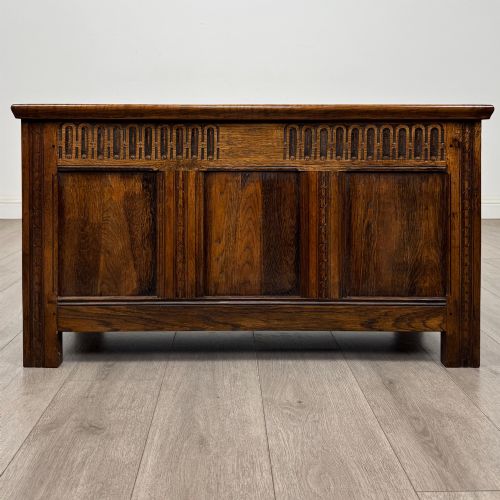
Makers built these pieces predominantly from solid oak, chosen for its durability and abundant local supply. Joiners utilised traditional pegged mortise and tenon joints to secure the structural framework without relying on modern metal fasteners.
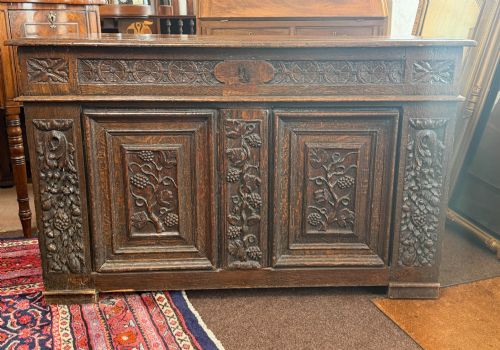
Surface decoration often included hand-carved panels, panelled construction, and occasionally marquetry inlay to add visual interest to the dense timber. Iron and brass hardware such as strap hinges, locks, and carrying handles were applied to reinforce the heavy lids and corners.
Retail Price Guide 2026
Typical UK retail prices for oak storage coffer, calculated from the Sellingantiques database of over a million retail prices indexed since 2003. This retail price guide relies exclusively on Sellingantiques data; no external sources or auction records are used, so the figures do not describe the wider market.
Some seventeenth-century joiners thoughtfully notched the interior base boards so mice had a clear running track beneath the household winter linens.
What varies in quality
The division between standard domestic utility pieces and finer examples rests on the ambition of the joinery and the presence of decorative enrichment. Superior items display sophisticated carved detailing, marquetry inlay, and harmonious proportions that elevate them beyond mere storage trunks.
The integrity of the original timber and the retention of period hardware significantly shape the character of each piece. Surviving fitted interiors, original hinges, and untouched surface patination distinguish the most accomplished examples from heavily restored or later altered trunks.
The Oak Storage Coffer Glossary
- Coffer
- A large wooden chest used historically for storage and security. These heavy trunks typically feature a hinged lid and robust timber construction.
- Mule chest
- An oak storage coffer featuring one or more drawers built beneath the main chest cavity. This form emerged as joiners sought easier access to stored textiles without disturbing items piled on top.
- Coffer bach
- A small Welsh box or miniature coffer, translating literally from Welsh as little coffer. These compact pieces often mirror the construction of full-sized chests in miniature proportions.
- Marquetry inlay
- Decorative patterns formed by inserting contrasting pieces of wood into the primary oak surface. This technique adds pictorial or geometric elaboration to seventeenth-century and later furniture.
- Linen fold
- A carved panel motif resembling folded linen cloth. This distinct decorative style appears frequently on sixteenth and seventeenth-century English woodwork.
Frequently Asked Questions
What is a coffer bach?
A coffer bach is a small Welsh storage box featuring traditional oak construction in miniature proportions. These compact pieces served as valuable presentation items or desktop storage.
They mirror the joinery techniques and stylistic details of larger seventeenth and eighteenth-century coffers while offering a portable scale suited to smaller living spaces.
How were these used originally?
Historic households relied on these timber chests to store valuable textiles, woollens, blankets, and dry goods away from household damp. Their heavy lids and secure locks also protected important family documents and silverware.
Over time, their domestic function expanded from secure storage into multipurpose furniture used as window seats, benches, and low tables.
How do I live with an oak coffer?
Placing an oak storage coffer in a living room or bedroom provides practical storage for bulky blankets and cushions while introducing historic texture to the interior. Their flat timber lids make them suitable surfaces for lamps, books, or decorative objects.
Keep wooden chests away from direct heat sources and sudden humidity changes to protect the historic oak from drying out or splitting.