


18th Century Blanket Box
When you search for an 18th century blanket box, you encounter heavy timber storage pieces built to hold linens and garments in domestic spaces.
18th Century Blanket Box
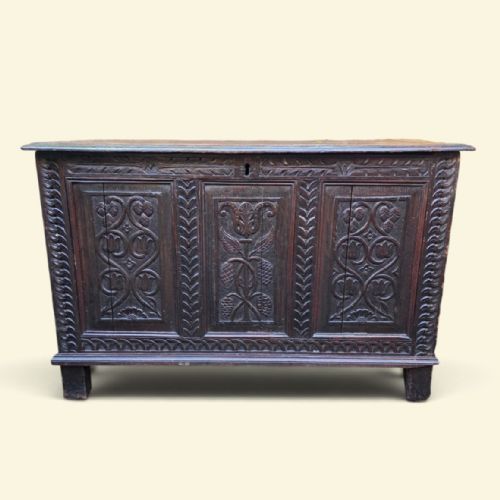
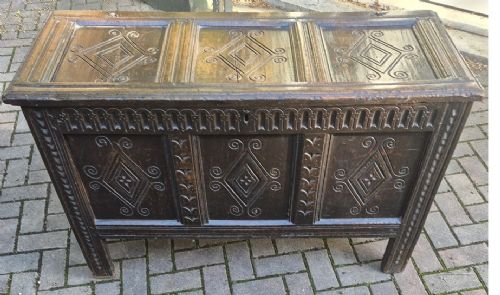
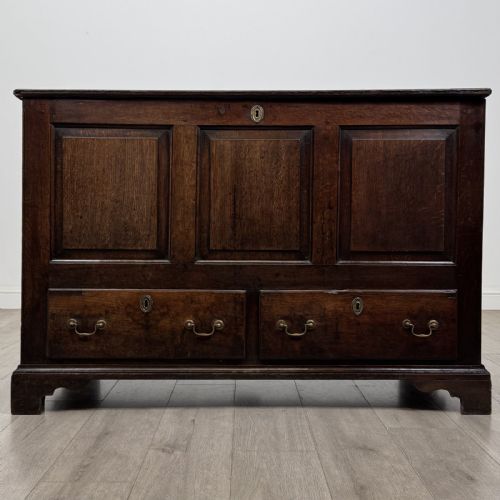
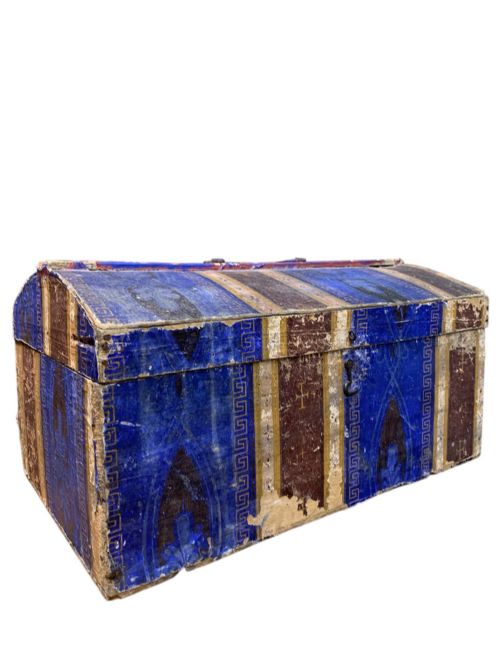
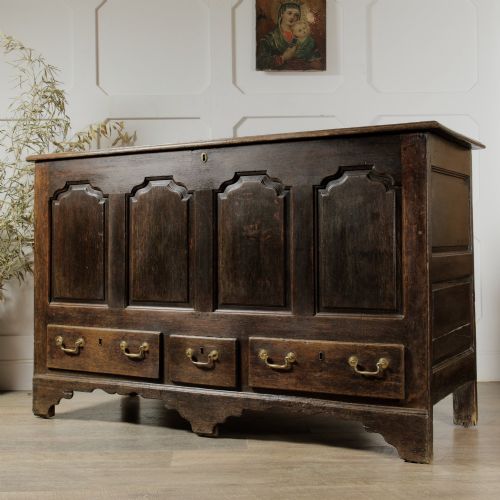
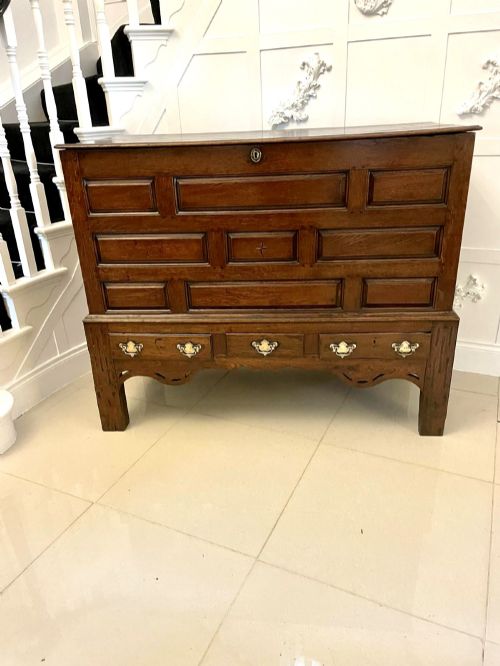
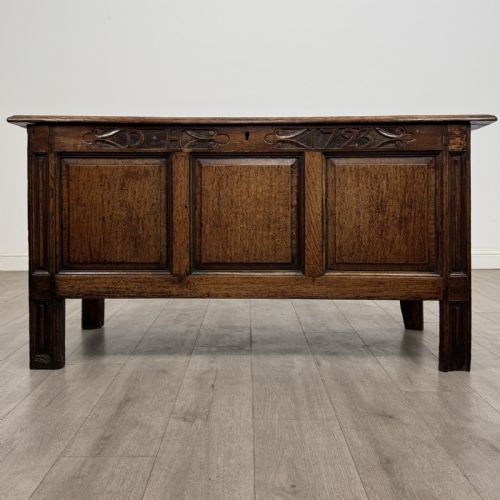
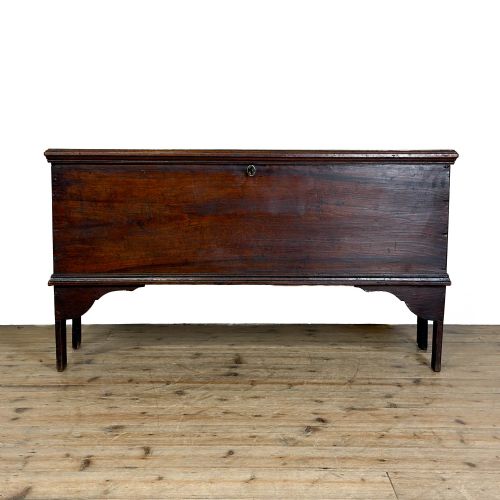
An 18th century blanket box appears most frequently as a joined oak coffer or a mule chest fitted with base drawers. These functional containers served households for storing textiles, woollens, and valuables before fitted wardrobes became standard.
Regional variations span English vernacular workshops, Welsh coffer bach formats, French provincial pieces, and Dutch colonial styles. Local timber choices and specific regional proportions distinguish these geographic types.
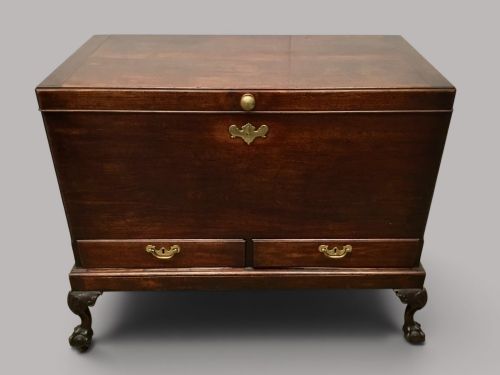
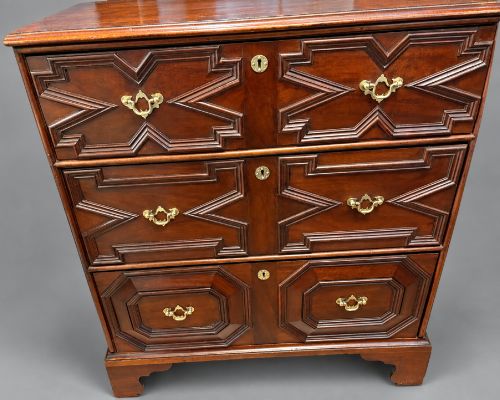
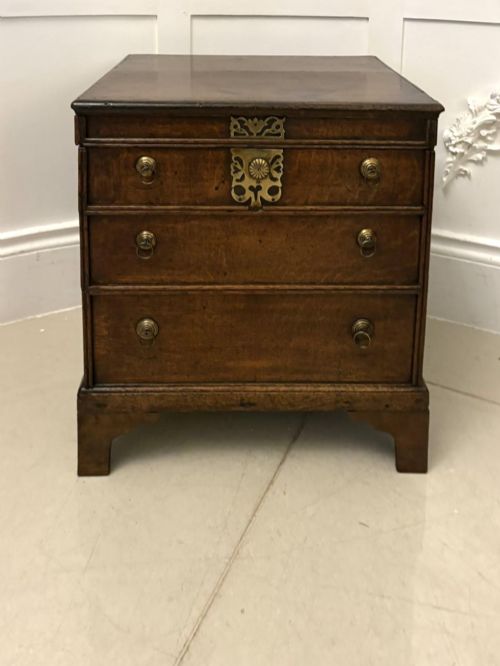
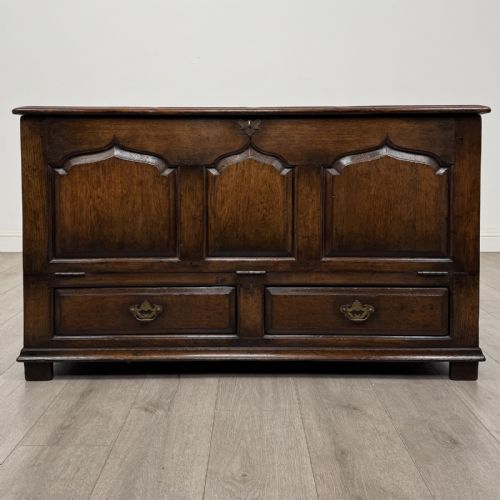
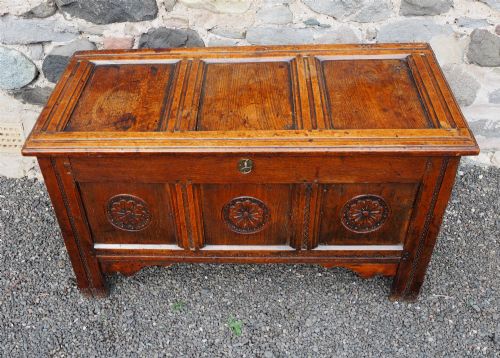
Mule chests incorporate one or two drawers beneath the primary upper compartment, merging the chest layout with early cabinet storage. Plain panelled fronts contrast with carved geometric decoration or applied mouldings.
How they were made
Joiners constructed the primary carcass using solid oak, elm, pine, or walnut panels fitted into grooved frames with pegged mortise and tenon joints. This frame and panel construction allowed the timber to expand and contract naturally with seasonal humidity changes.
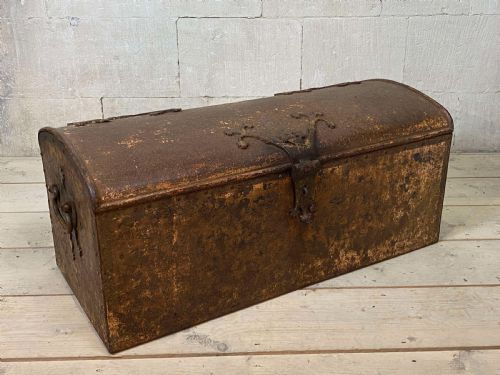
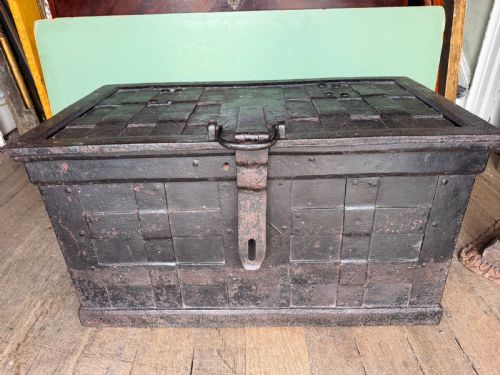
Hardware elements like iron strap hinges, brass carrying handles, and studwork secured lids and reinforced corners on travelling trunks and strong boxes. Hand-cut dovetails joined the drawer boxes on mule chests.
18th Century Blanket Box Retail Price Guide 2026
Typical asking prices for 18th century blanket box among the pieces listed under this phrase on Sellingantiques today, from the lower quarter to the upper quarter. They describe what is for sale here now, not the wider market.
Listings feature regional variations in timber, including Welsh oak, English elm, French fruitwood, and colonial padouk.
What varies in quality
The grade of timber selection and depth of carving define the distinction between standard utility items and finer workshop pieces. Figured timbers like burr elm panels or mahogany crossbanding elevate the decorative ambition of the joinery.
Structural integrity depends on the survival of original board bottoms, feet, and lid hinges rather than replaced elements. Crispness in hand-carved panels and balanced proportions reveal the maker's skill.
The 18th Century Blanket Box Glossary
- Coffer
- A large wooden chest used for storage, typically featuring a hinged lid and panelled construction. These sturdy receptacles stood against walls or at the foot of beds.
- Mule chest
- A storage chest with one or more drawers built into the base beneath the main compartment. This form bridges the traditional chest and the chest of drawers.
- Coffer bach
- A small Welsh box or coffer, translating literally as little box. These miniature chests often sat upon tables or sideboards.
- Crossbanding
- A decorative border technique where thin strips of veneer are laid across the grain of the primary wood. This method frames drawer fronts and panel edges on refined Georgian furniture.
- Geometric moulding
- Raised wooden mouldings applied to panel faces in repeating geometric patterns. This decorative approach adds texture and depth to early joined oak furniture.
18th Century Blanket Box: Frequently Asked Questions
What is a mule chest?
A mule chest is a storage box that combines a top-opening lid with one or more drawers in the base. This hybrid design appeared as makers sought easier access to stored garments without unpacking the entire upper compartment.
They served bedrooms and living quarters throughout the eighteenth century, evolving from simple boarded trunks into sophisticated case furniture.
How do I date an oak coffer?
Dating relies on observing construction methods, timber types, and decorative motifs like carved panels or applied mouldings. Early pieces feature joined framework with pegged joints and hand- cleft boards.
Later eighteenth-century examples introduce mahogany crossbanding, deal framing, or integrated base drawers reflecting changing domestic fashions.
Where were blanket boxes placed?
These pieces sat primarily in bedrooms, hallways, and living spaces to hold heavy woollen blankets, linens, and personal valuables. Their flat tops also allowed them to function as makeshift benches or display surfaces.
Their robust timber construction suited heavy daily use in busy households across Britain and continental Europe.
What is a coffer bach?
A coffer bach is a small Welsh miniature chest produced during the eighteenth century. Despite their reduced scale, they utilised the same joined oak construction techniques as full-sized coffers.
Households utilised them for storing small valuables, documents, or precious textiles rather than heavy bedding.