


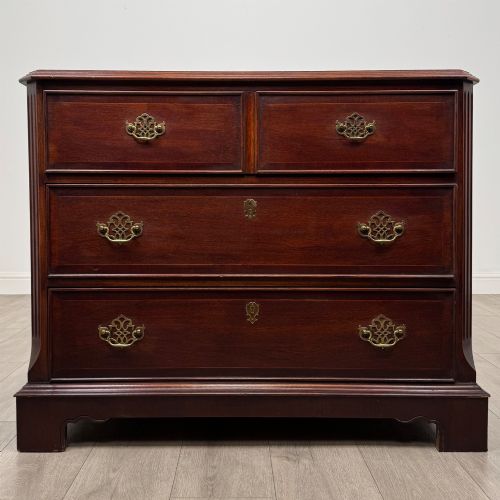
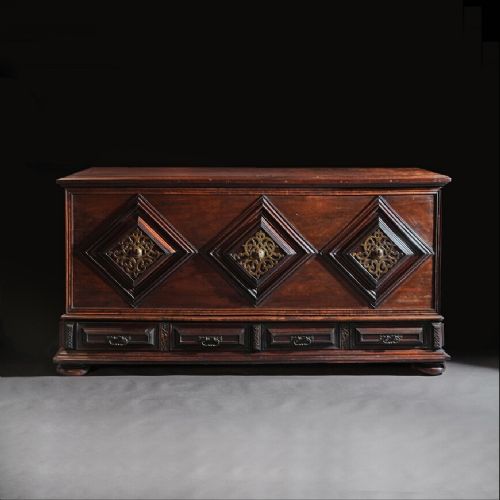
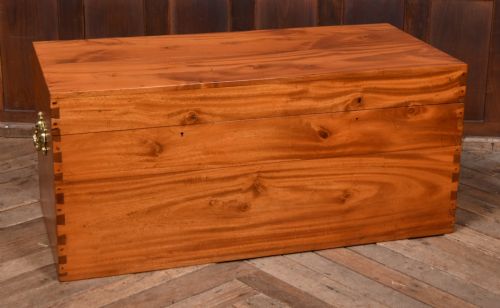
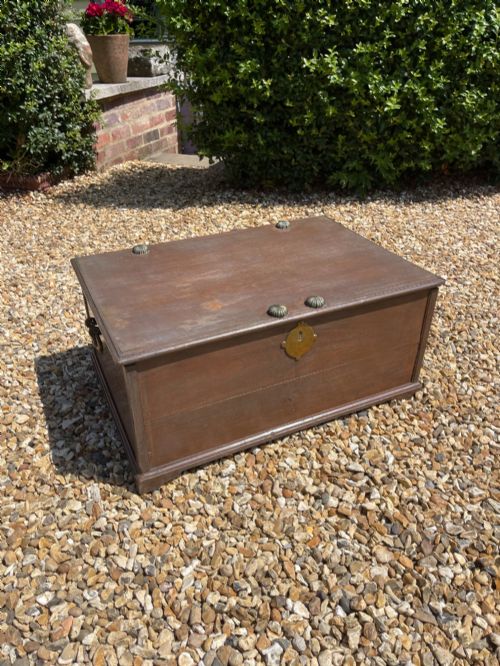
Colonial Storage Chest
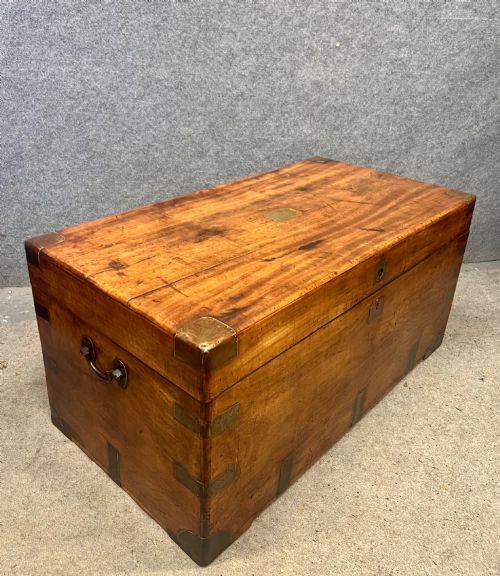
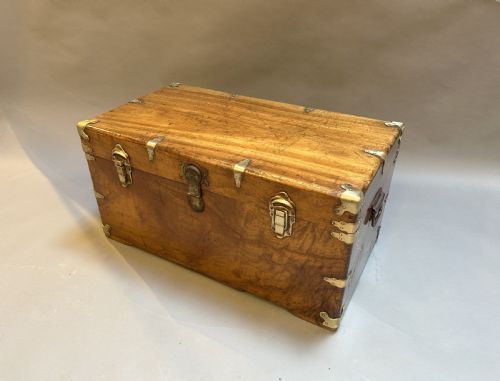
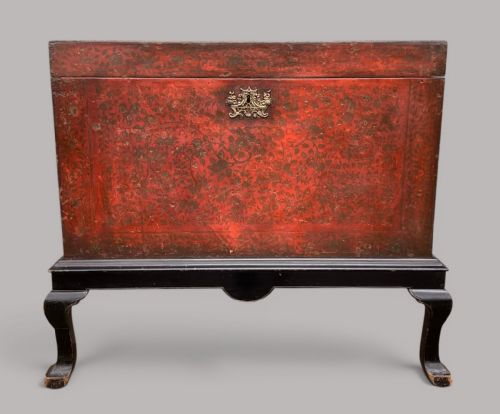
A colonial storage chest provides sturdy utility, fashioned in teak, camphor wood, and padouk with robust brass mounts for travel and safekeeping.
Colonial Storage Chest
When searching for a colonial storage chest, you encounter heavy trunks, blanket boxes, and campaign coffers originating from trade routes, military deployments, and overseas settlements during the seventeenth, eighteenth, and nineteenth centuries. These pieces were built to endure long sea voyages and tropical climates, utilising dense timbers that resisted humidity and insect damage.
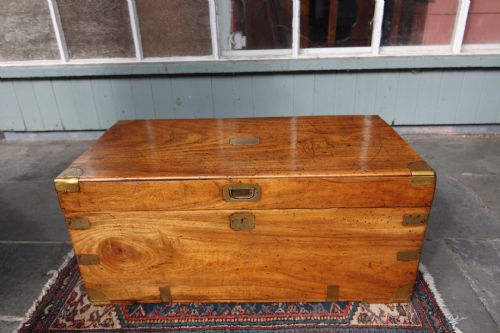
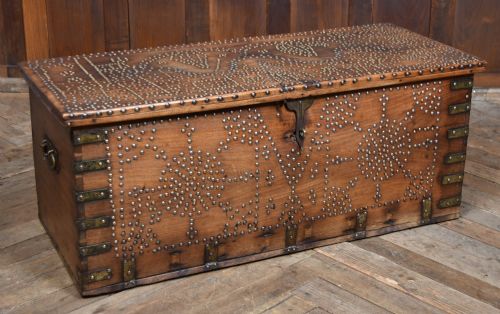
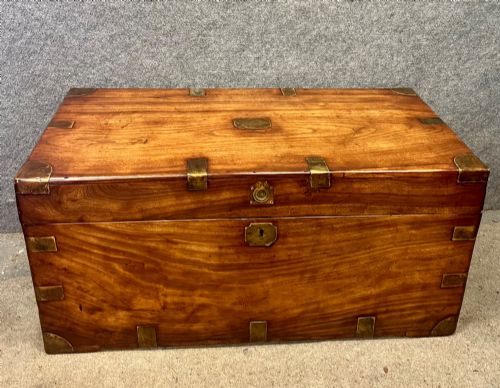
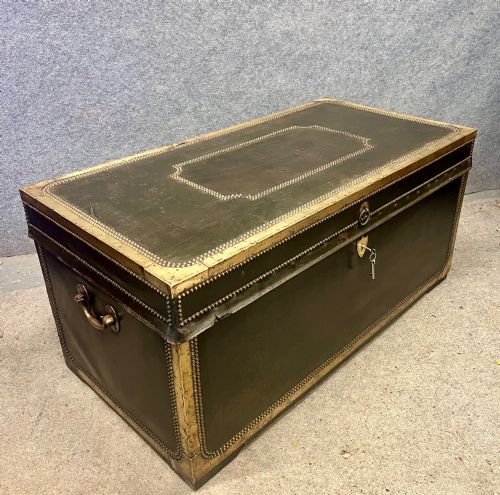
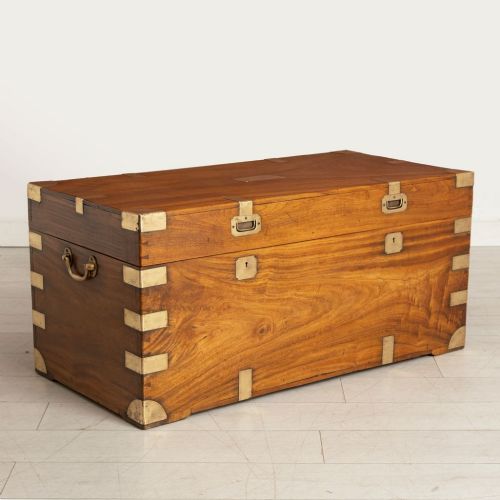
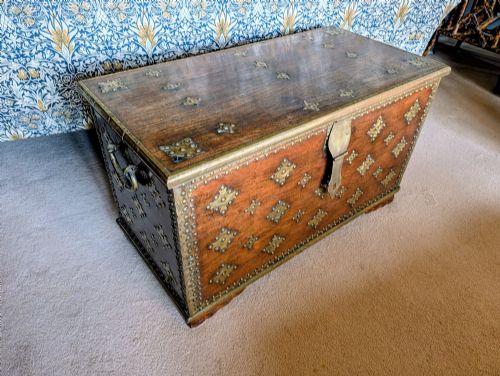
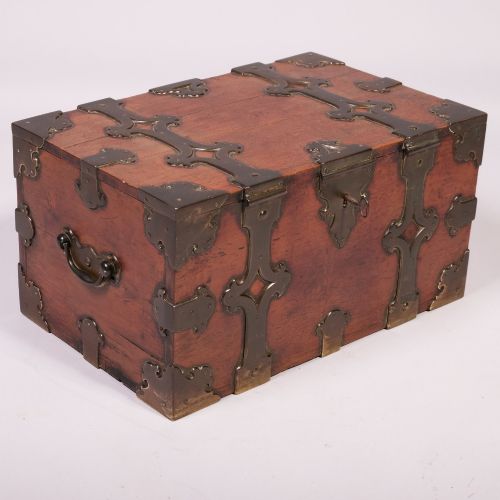
The most common examples on this page are camphor wood and teak trunks fitted with brass bound corners, carrying handles, and strapwork. Styles range from Anglo-Indian and Victorian campaign pieces to Spanish colonial boxes and Dutch East Indies strong boxes, reflecting the aesthetic preferences and craftsmanship of various global trade centres.
Materials and construction methods
Cabinetmakers relied on durable exotic timbers such as teak, camphor wood, padouk, and walnut, often combined with secondary woods and lined with leather. Camphor wood was specifically chosen for blanket boxes because its natural aroma repelled insects, protecting textiles during transit.
Construction prioritised structural resilience, employing heavy dovetail joints, iron or brass reinforcement brackets, and flush-fitting hardware to prevent snagging during movement. Metal mounts and locks were robustly pinned through the wood, securing the contents against rough handling on ships and carriages.
Camphor wood trunks retain their characteristic scent across the centuries, acting as built-in mothballs for your spare winter jumpers.
Markers of distinction in construction and finish
Quality in these pieces is dictated by the integrity of the timber selection, the weight and fastening of the brass hardware, and the crispness of any carved or applied decoration. Superior examples display thick, unwarped planks of dense teak or figured padouk with original, substantial brass mounts rather than later replacements.
Finer chests show meticulous attention to internal fittings, such as concealed compartments, dovetailed internal tills, and intact leather or fabric linings. The skill of the joinery in handling shrinkage across different climates separates utilitarian shipping containers from finer domestic furniture commissioned by officers and merchants.
The Colonial Storage Chest Glossary
- Campaign chest
- A portable chest of drawers or storage box built in sections with recessed brass handles and corner brackets, designed for military officers on active service.
- Camphor wood
- A fragrant Asian timber used for trunks and blanket boxes to protect stored garments from moths and dampness.
- Padouk
- A heavy, durable reddish-brown tropical hardwood utilised in fine furniture and cabinetry across Anglo-Indian and colonial workshops.
- Brass bound
- A method of reinforcing the edges, corners, and panels of a chest with brass straps and brackets to withstand impacts during travel.
Colonial Storage Chest: Frequently Asked Questions
What is a colonial storage chest used for?
These chests function as practical storage furniture in modern homes, suitable for holding blankets, bed linen, or bulky household items. Their flat hinged tops also allow them to double as coffee tables or low display surfaces.
The sturdy construction and internal capacity make them effective for keeping rooms tidy while adding a distinct historical element to an interior scheme.
How do I identify campaign style features?
Campaign pieces typically exhibit recessed brass drawer pulls and corner braces that sit flush with the wood surface to prevent catching during transport. Many are constructed in separate modular sections so they could be easily packed and carried.
Look for side carrying handles and sturdy dovetail joints designed to withstand frequent dismantling and relocation.
Why is camphor wood common in these chests?
Camphor wood was favoured for maritime and tropical storage due to its natural insect-repelling properties and resistance to humidity. The distinct aromatic oil held within the timber protected stored uniforms and woolen blankets from moths and mildew.
Chests made from this wood often retain a subtle fragrance even after centuries of use.
How do I date an antique wooden chest?
Dating relies on examining the timber species, construction techniques like hand-cut dovetails, and the style of the metal hardware. Eighteenth-century examples often feature walnut or teak with simple iron mounts, whereas nineteenth-century campaign pieces frequently incorporate standardised brass binding and camphor wood.
Secondary wood analysis and lock mechanisms also provide clues to the region and era of manufacture.