




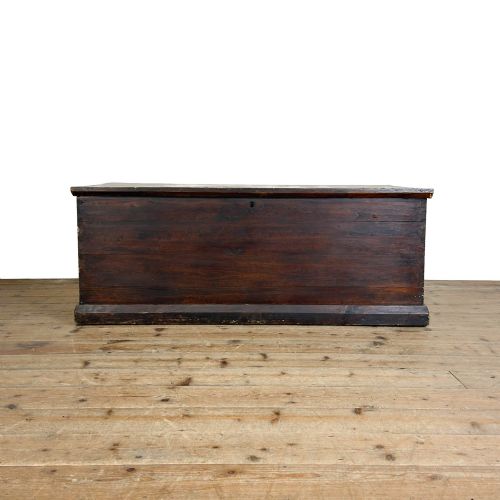
Traditional Pine Chest
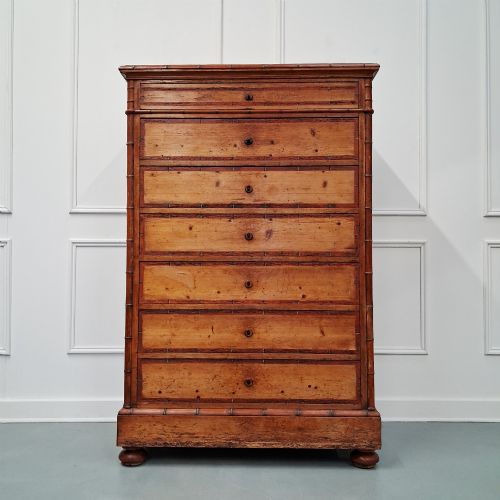
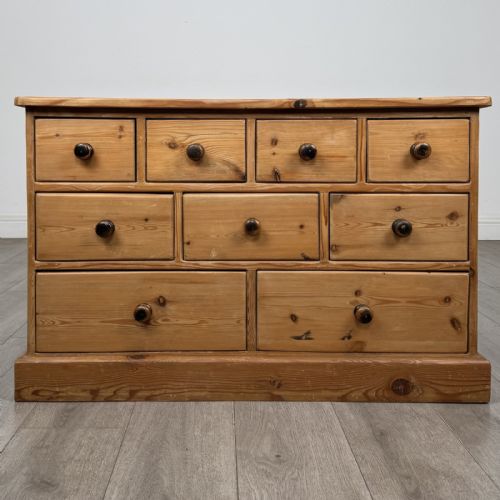
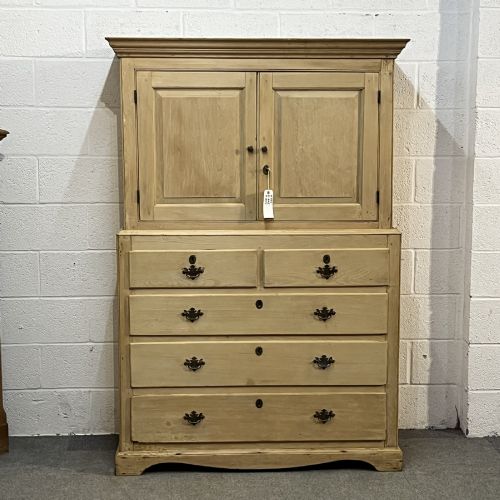
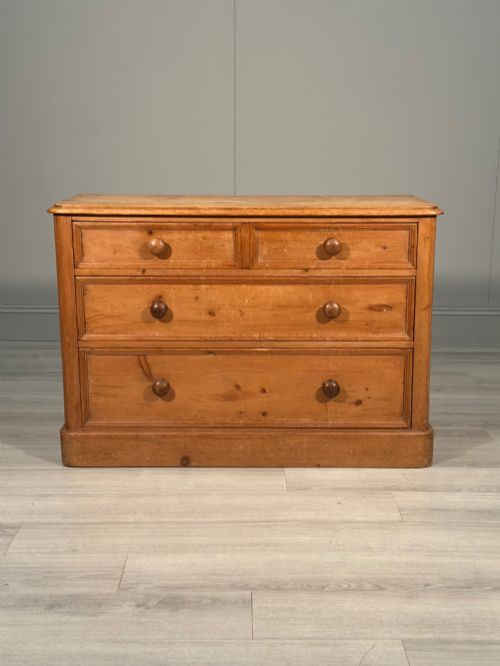
A traditional pine chest brings honest utility and warm grain to a room, offering robust storage built from timber with genuine age.
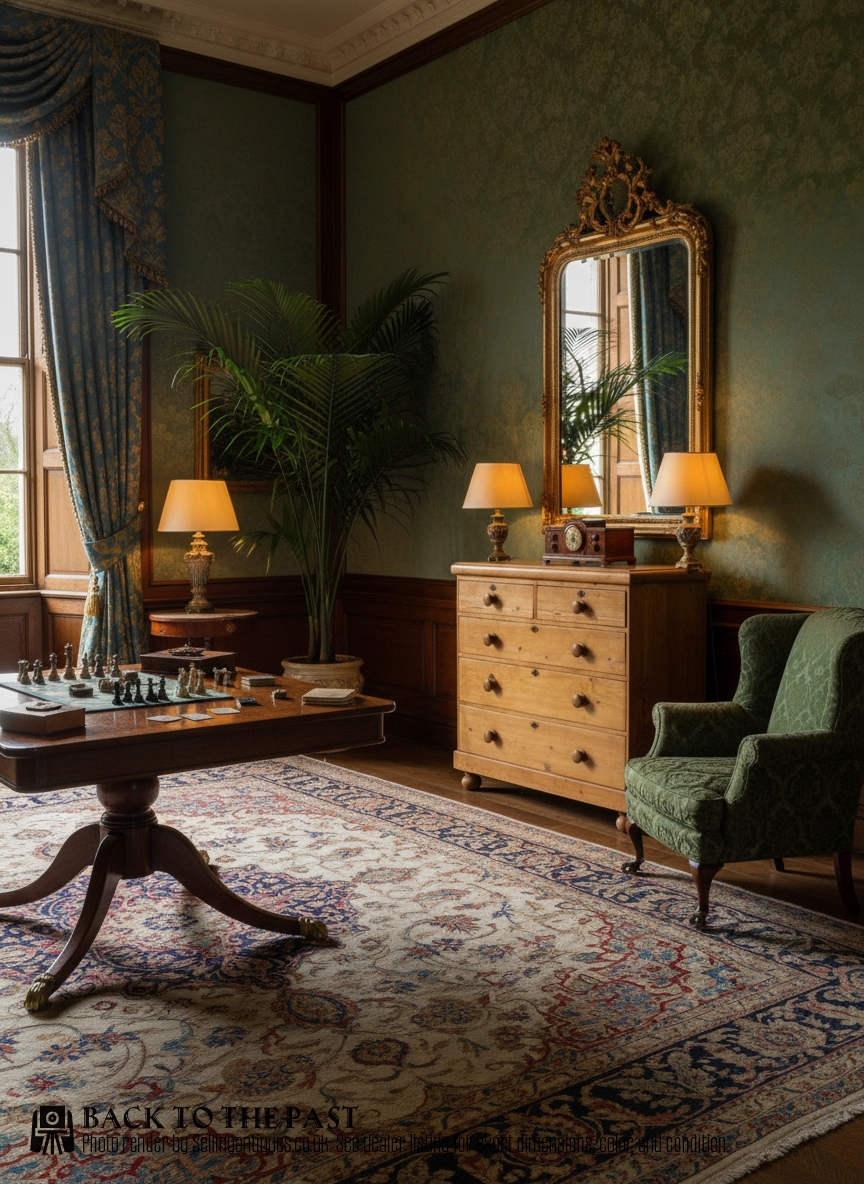
Traditional Pine Chest
A traditional pine chest spans practical blanket boxes, storage trunks, and drawer units designed for everyday domestic use. These pieces emerge primarily from the nineteenth century, with Victorian examples dominating alongside Georgian and Edwardian specimens.
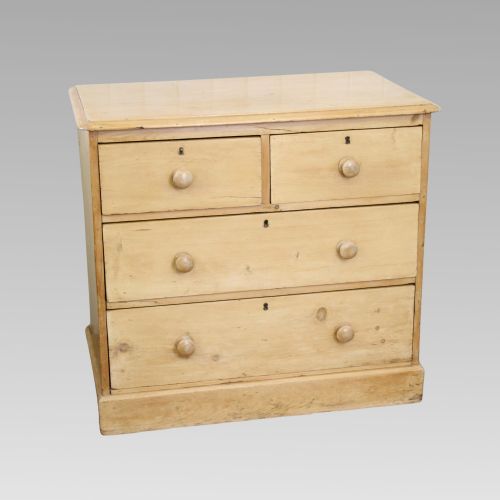
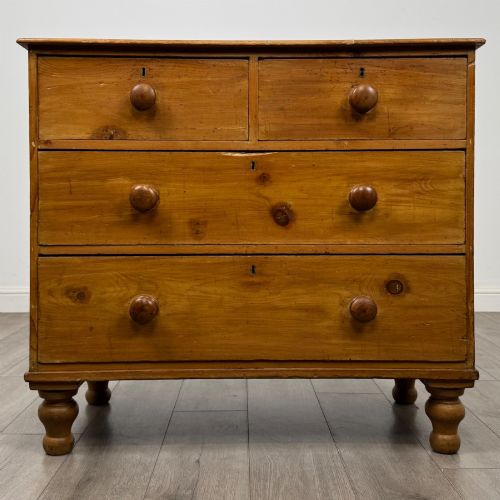
Buyers encounter regional forms such as Welsh country pieces, alongside rustic country and European folk art variations. The selection ranges from lidded coffers and mule chests to configured drawer arrangements like the two-plus-three layout.
Utility defines the category, serving households as bedroom storage, blanket boxes, or kitchen furniture. The surviving items carry the marks of provincial workshop production rather than urban cabinet-making.
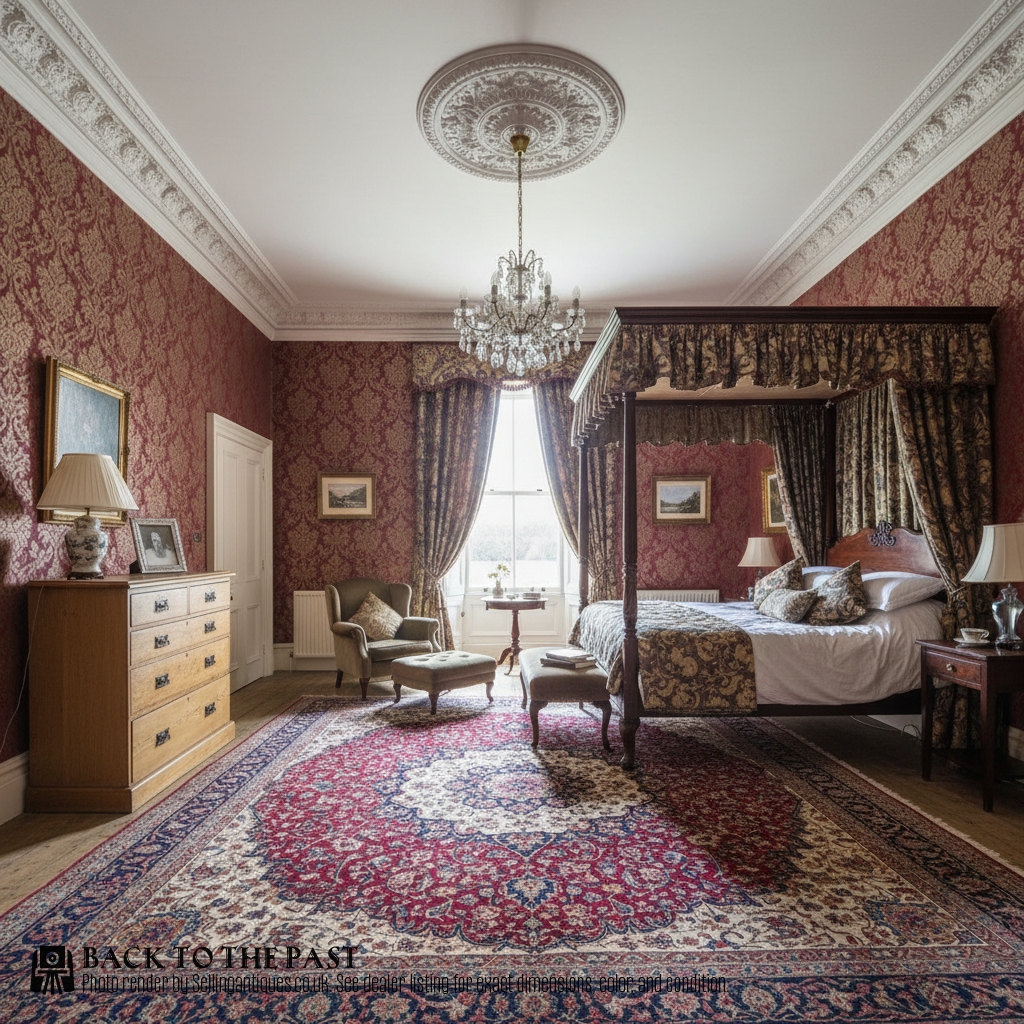
Materials and construction
Construction relies heavily on solid pine, occasionally specified as pitch pine or Oregon pine, joined with utilitarian integrity. Iron and brass feature as functional hardware, including hand-forged strapwork on provincial boxes and handles on drawer chests.
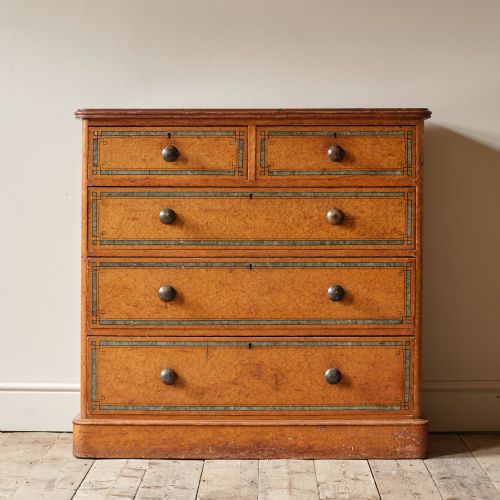
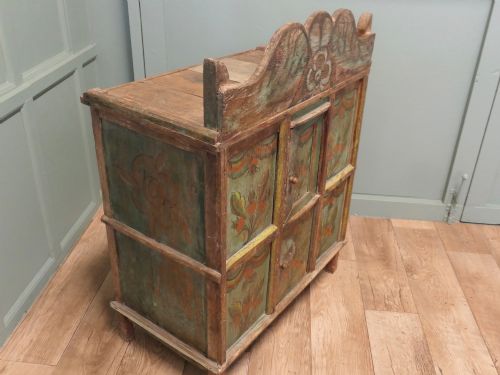
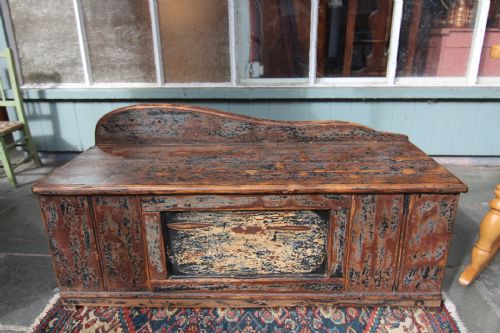
Surface treatments divide traditional pieces between bare waxed timber and original paint finishes. Scumble painting and historical painted coats survive on select blanket boxes and washstands, while other examples show stripped or scrubbed surfaces.
Traditional Pine Chest Retail Price Guide 2026
Typical asking prices for traditional pine chest among the pieces listed under this phrase on Sellingantiques today, from the lower quarter to the upper quarter. They describe what is for sale here now, not the wider market.
The inventory records regional forms including Welsh, French, and Irish provincial furniture alongside classic English country pieces.
What varies in quality
Quality rests upon the survival of original surface finishes, whether early wax patination or untouched historical paint. Pieces retaining their hand-forged iron strapwork or original brass hardware hold greater integrity than those altered over time.
Proportion and structural honesty separate provincial examples, where thick timber boards and sound dovetailed joints ensure lasting strength. The distinction lies in whether a piece maintains its honest utility without excessive modern intervention.
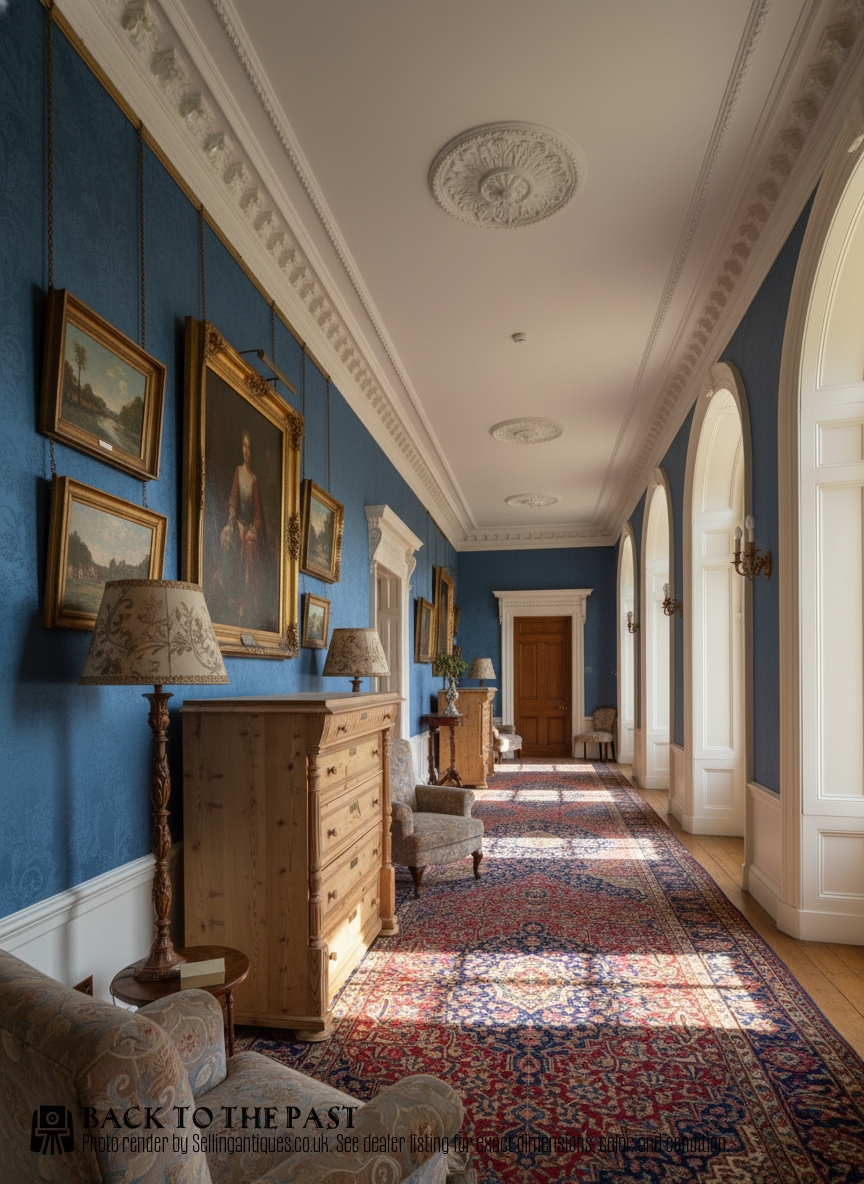
The Traditional Pine Chest Glossary
- Pine
- A softwood commonly utilised for vernacular furniture due to its accessibility and workability. It accepts wax and paint finishes readily, developing a deep patina over decades of use.
- Mule chest
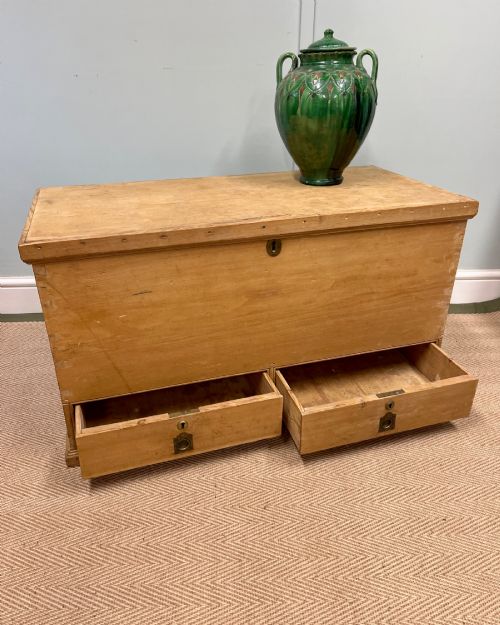
- A storage chest featuring one or more drawers built into the base beneath the main lidded compartment. This form bridges the gap between the traditional coffer and the chest of drawers.
- Coffer
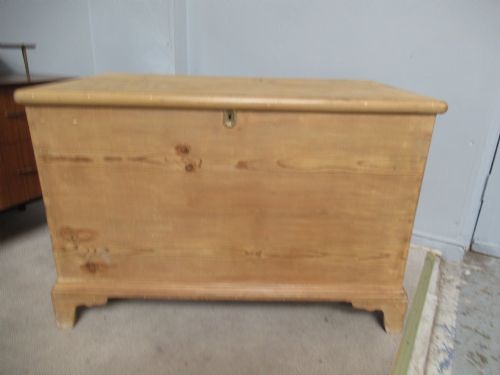
- A heavy timber box traditionally used for storing valuables or household goods. Early examples rely on robust plank construction and simple hinged lids.
- Scumble painted
- A decorative surface technique where a translucent glaze is manipulated over a lighter base coat to imitate finer grained woods. It creates a mottled or patterned finish frequently found on nineteenth-century storage pieces.
- Pitch pine
- A dense and resinous variety of pine timber known for its pronounced grain pattern and durability. It provides a heavier and harder surface than standard softwoods.
Traditional Pine Chest: Frequently Asked Questions
How do I date a pine chest?
Dating relies on construction methods, hardware types, and timber characteristics. Hand-cut dovetails, forged iron strapwork, and original paint surfaces typically point towards Georgian and Victorian provincial work.
Later Edwardian pieces often display more uniform machine-sawn boards and standardised hardware. Comparing the joinery inside the drawers or beneath the lid provides the clearest indication of age.
What is the difference between a blanket box and a chest of drawers?
A blanket box is a lidded trunk accessed from the top, primarily designed for bulk storage of textiles and linens. A chest of drawers utilises vertically stacked sliding compartments for organised clothing storage.
Both forms share similar pine construction and regional vernacular styles, but serve entirely different domestic functions within the bedroom or hallway.
Should I choose painted or waxed pine?
Choosing between painted and waxed pine depends on the visual weight you want in a room. Waxed pine highlights the natural grain and golden warmth of the aged softwood.
Original paint or scumble finishes offer a more decorative, folk-art appearance with distinct historical character. Both finishes require simple, gentle cleaning to preserve their condition.
How do I care for antique pine furniture?
Maintain antique pine by keeping it away from direct heat sources and drastic humidity changes that can cause timber to split. Dust regularly with a soft, dry cloth rather than using harsh chemical polishes.
Waxed surfaces benefit from a periodic application of natural beeswax to nourish the wood and maintain its soft sheen.