

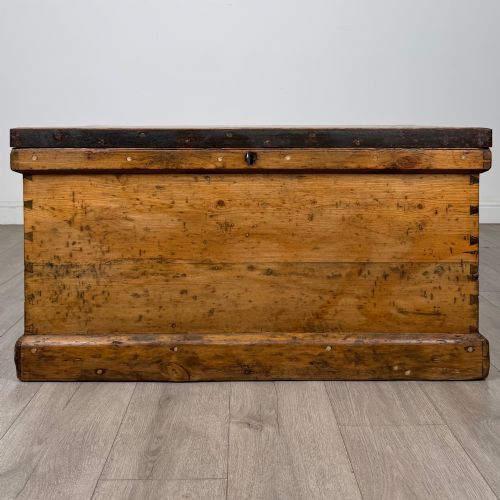
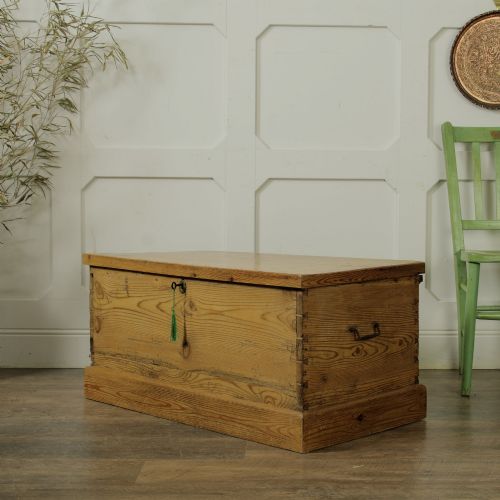
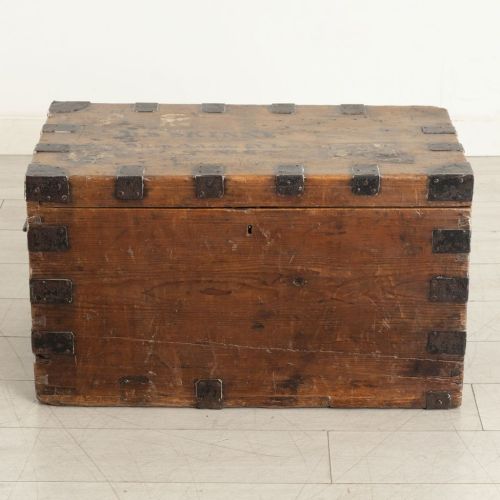

Victorian Pine Coffer
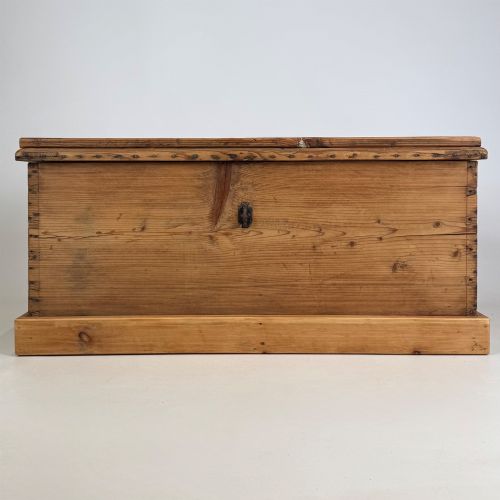
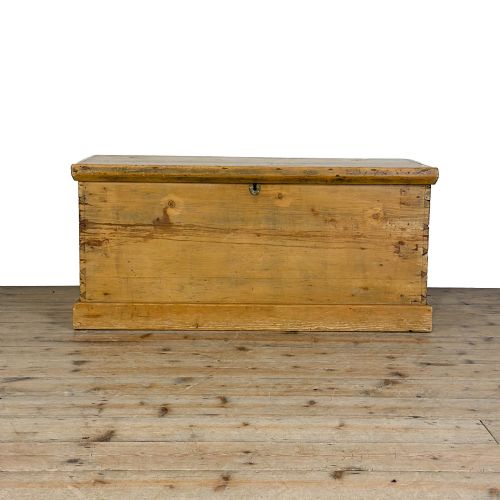
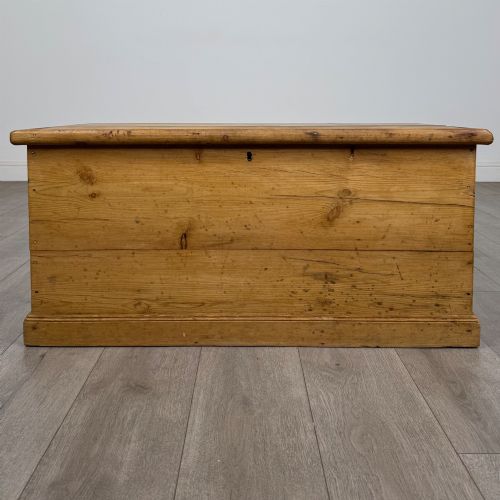
A victorian pine coffer is a robust nineteenth-century storage chest, valued for honest utility and warm timber grain.
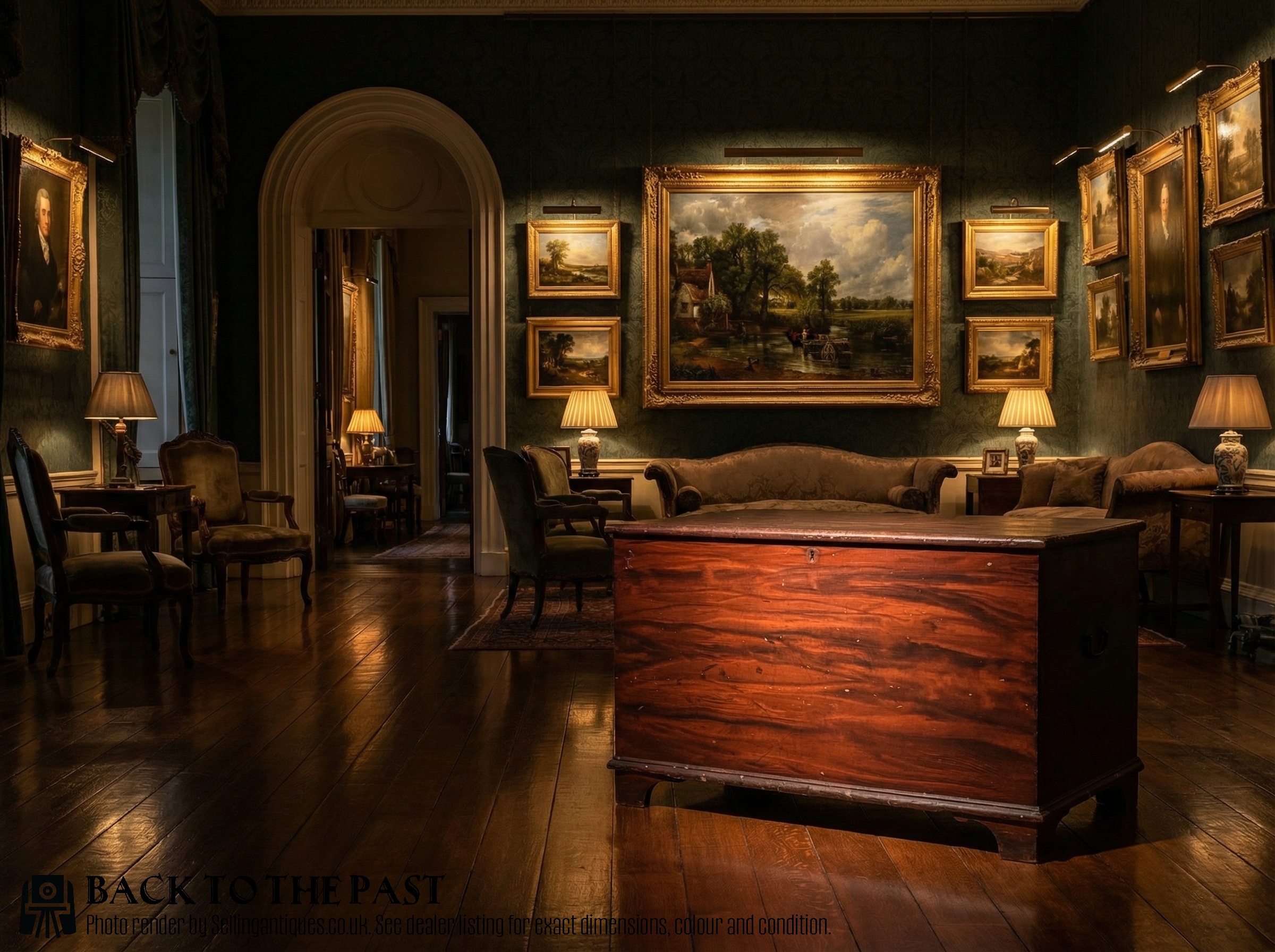
Victorian Pine Coffer
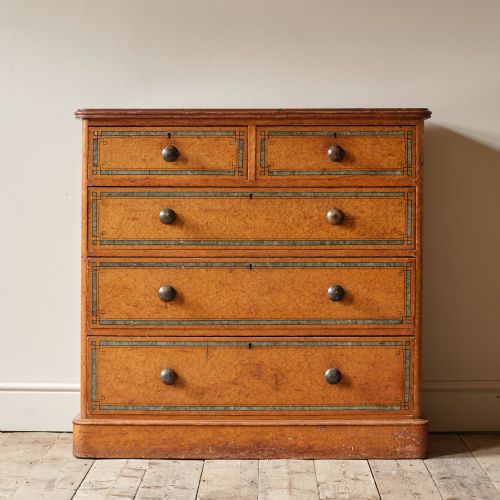
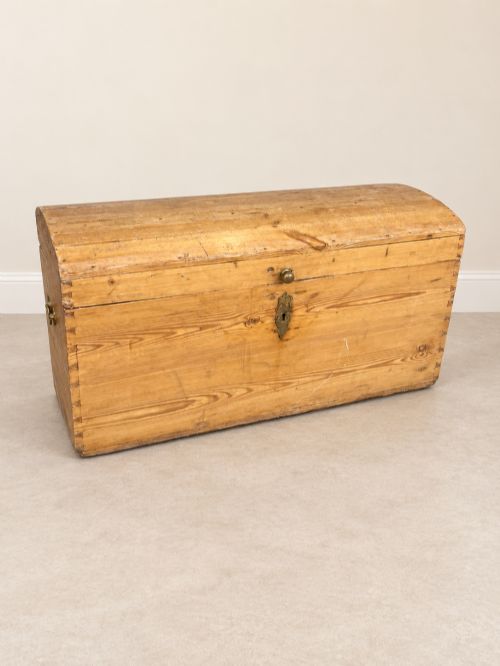
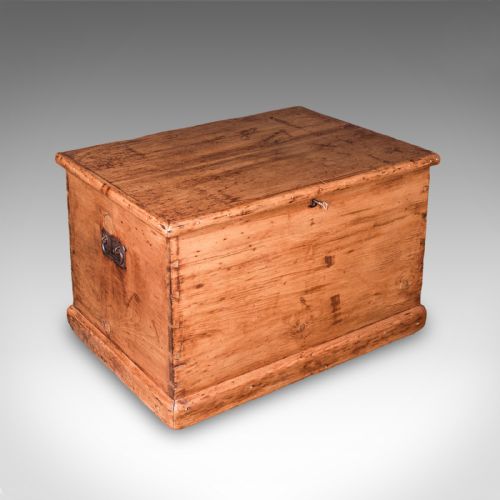
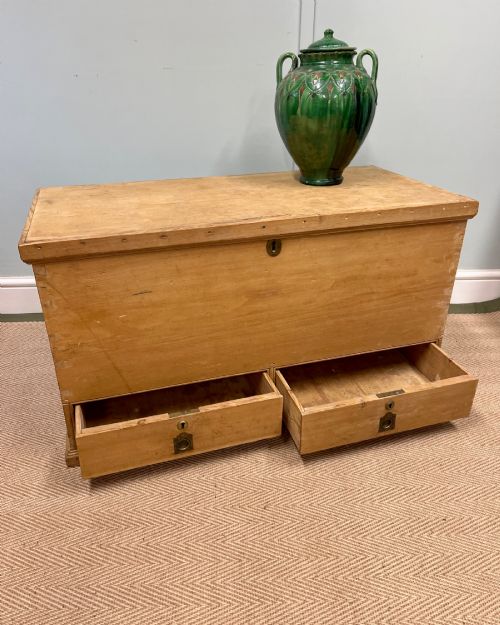
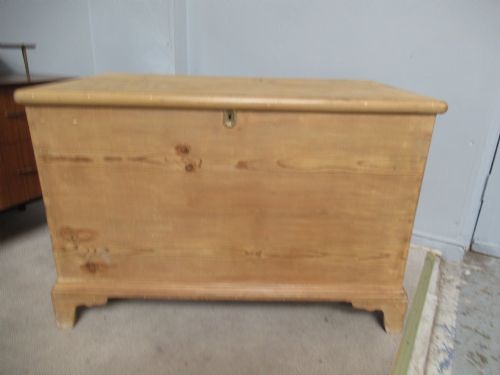
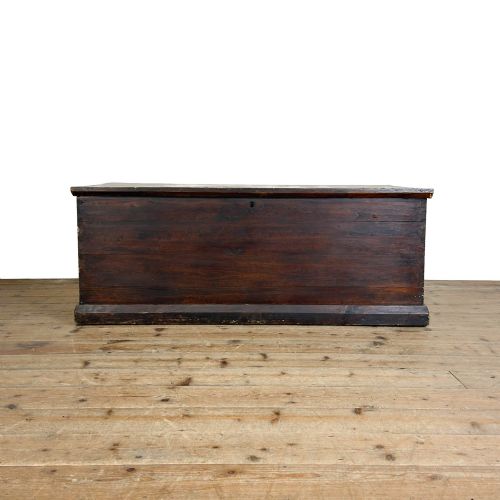
A victorian pine coffer appears across this page in various forms, most commonly as a straightforward blanket box or storage chest. These pieces date from the nineteenth century, including specific years like eighteen-forty, eighteen-sixty, eighteen-seventy, eighteen-eighty and nineteen-hundred.
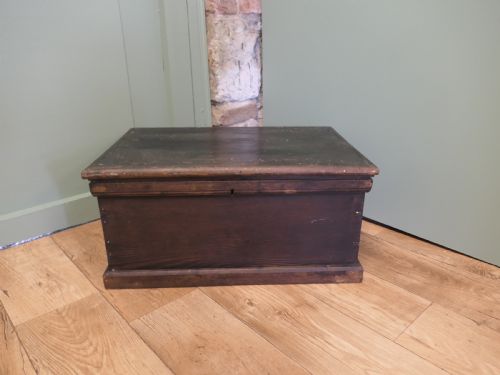
Beyond standard blanket chests, the selection encompasses travel trunks, tool chests, mule trunks and fitted chests with internal drawers. Some examples double in function as coffee tables, marriage chests, or seats featuring leather, fabric or wooden tops.
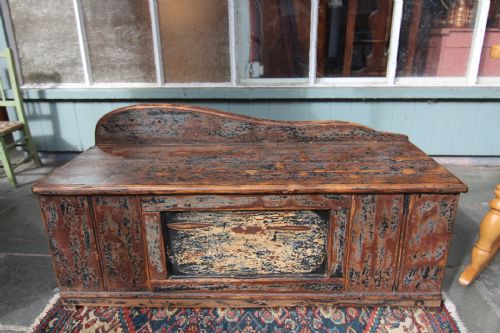
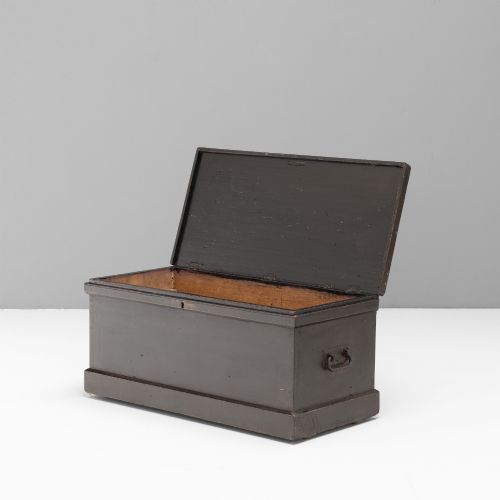
Stylistic variations range from rustic country and farmhouse interpretations to folk art, maritime pieces and campaign styles. Certain items carry original paint, scumble finishes, or decoration styled after older manor houses.

Materials and Construction
Makers built these pieces primarily from standard pine and pitch pine, utilising the softwoods for sturdy domestic storage. Iron and brass hardware such as carrying handles, binding and hinges reinforced the timber structures for travel and daily use.
Surfaces received various treatments including simple waxing, historical paint, blue or black pigments, and intricate folk decoration. Internal fittings occasionally incorporated ceramic elements or small storage drawers alongside the main compartment.
Victorian Pine Coffer Retail Price Guide 2026
Typical asking prices for victorian pine coffer among the pieces listed under this phrase on Sellingantiques today, from the lower quarter to the upper quarter. They describe what is for sale here now, not the wider market.
A few travel trunks managed to retain the precise names of nineteenth-century owners painted directly onto their pine timber.
Markers of Quality
Superior examples display original surface treatments, such as untouched scumble paint or early wax, rather than modern stripping. The presence of robust original iron or brass binding elevates a piece from simple utility to finer craftsmanship.
Construction details distinguish better chests, including internal drawers, fitted compartments, and sturdy dovetailed joints. Original provenance, such as documented ownership or estate manufacture, also marks out the higher tier of survivors.
George Waters·T L Aveling·Jessie Degan Cole
The Victorian Pine Coffer Glossary
- Pitch pine
- A denser, resinous variety of pine timber often utilised for heavy-duty Victorian trunks and chests. It yields a distinctive grain pattern.
- Scumble pine
- Pine treated with a translucent glaze layer and manipulated with combs or rags to imitate more expensive grained hardwoods. This technique was popular in nineteenth-century decorative painting.
- Campaign trunk
- A portable storage chest constructed for military officers on the move. These pieces typically feature recessed brass handles and reinforced corners.
- Mule trunk
- A traditional storage chest featuring one or more drawers built into the base beneath the main lidded compartment. It bridges the design gap between a coffer and a chest of drawers.
- Dough bin
- A domestic wooden trough or chest originally used for kneading bread dough. Surviving Victorian pine examples now serve alternative storage functions.
Victorian Pine Coffer: Frequently Asked Questions
What was a pine coffer originally used for?
These large wooden chests served primarily to store heavy blankets, household textiles, and personal possessions in nineteenth-century homes.
Travellers and military personnel also utilised robust variants for transporting belongings across long distances.
How do I style a coffer in a modern room?
A victorian pine coffer works naturally at the foot of a bed or placed against a living room wall for concealed storage.
Many owners also use low examples as coffee tables, benefiting from the flat wooden surface and internal storage capacity.
How can I tell standard pine from pitch pine?
Pitch pine generally shows a heavier, more prominent grain with deep amber resin streaks throughout the wood.
Standard pine tends to be lighter in weight with a quieter, more uniform grain structure.
Are painted pine chests authentic to the period?
Many nineteenth-century pine chests received painted finishes, ranging from solid blue or black to decorative scumble work.
Original paint layers show natural wear and patina accrued over decades of domestic use.