





Blue Painted Chest
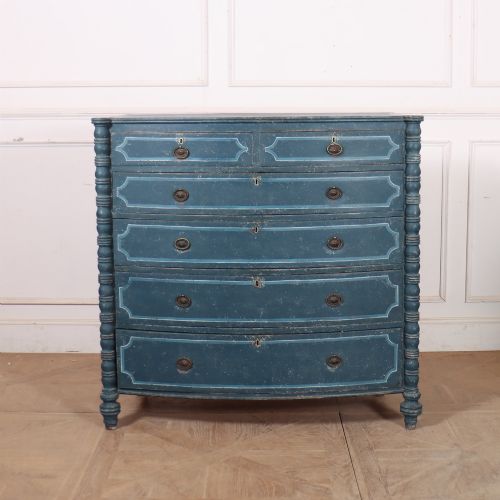
A blue painted chest brings character and history into a room, offering practical storage disguised in layers of historical pigment.
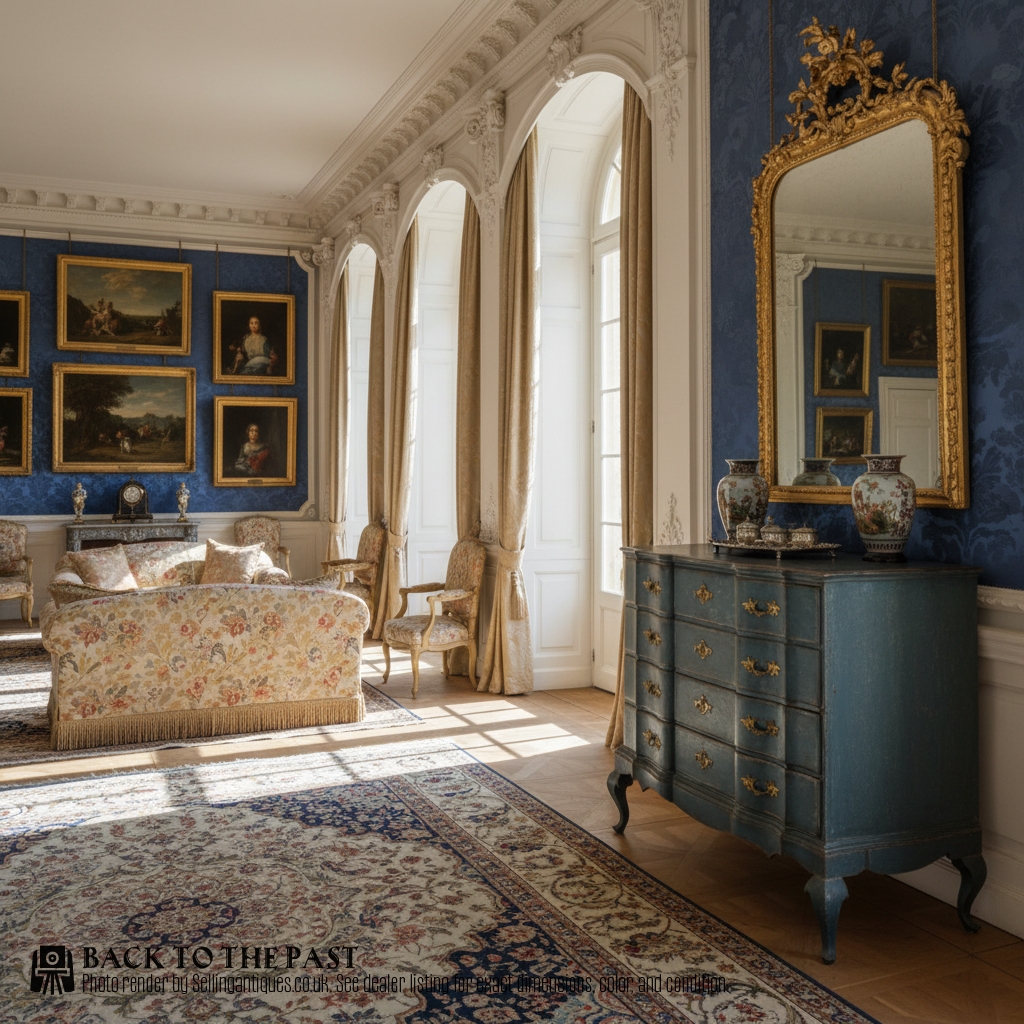
Blue Painted Chest
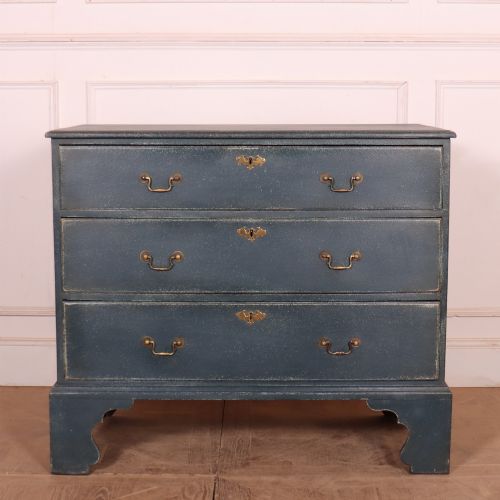
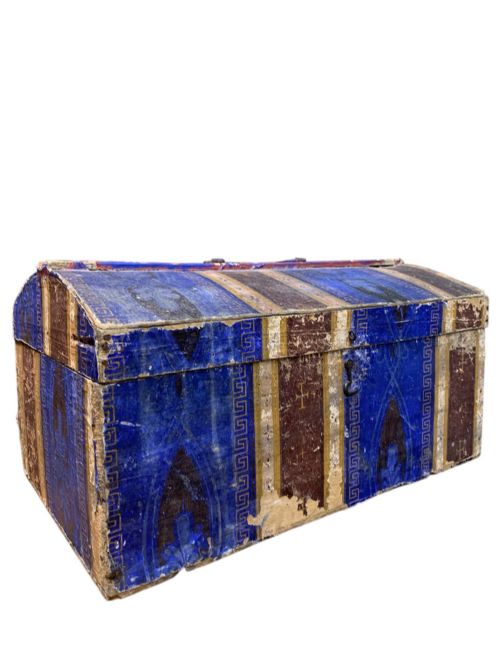
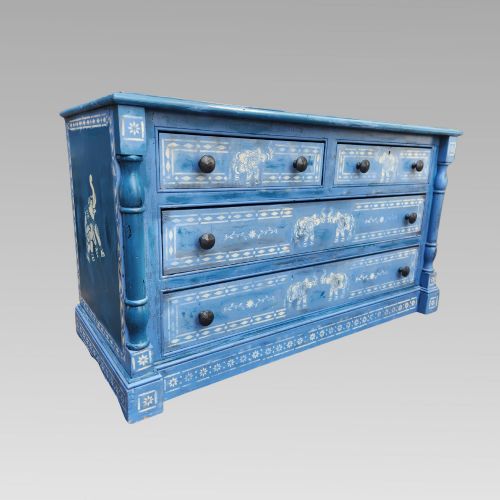
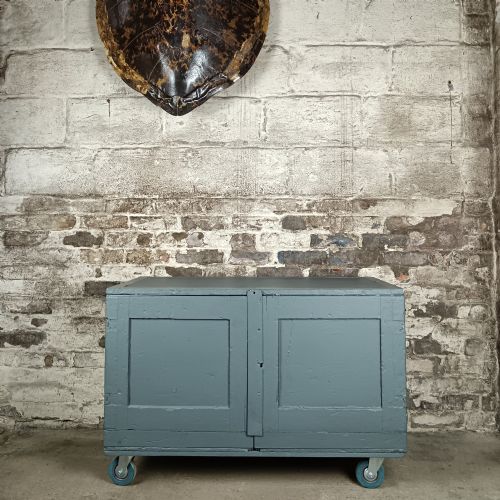
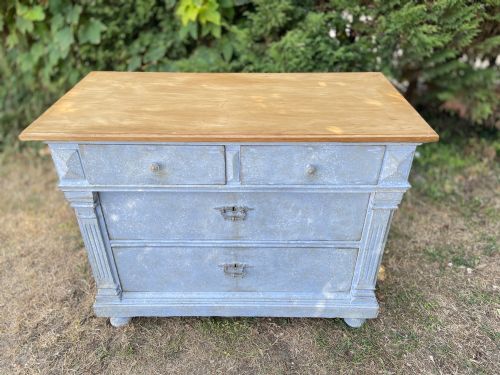
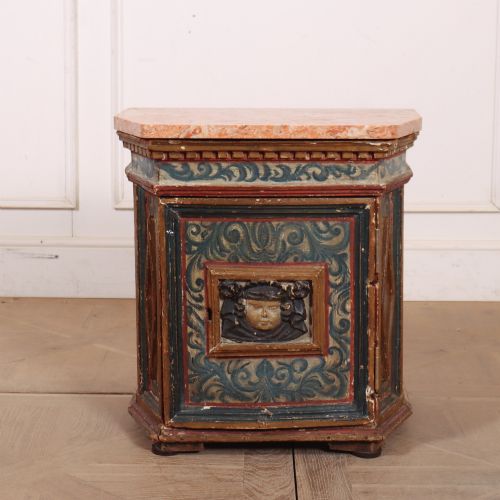
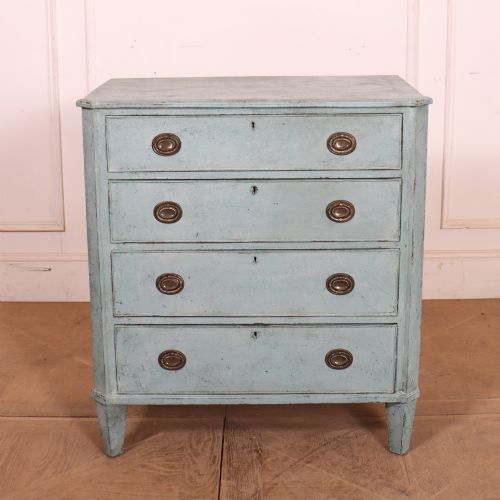
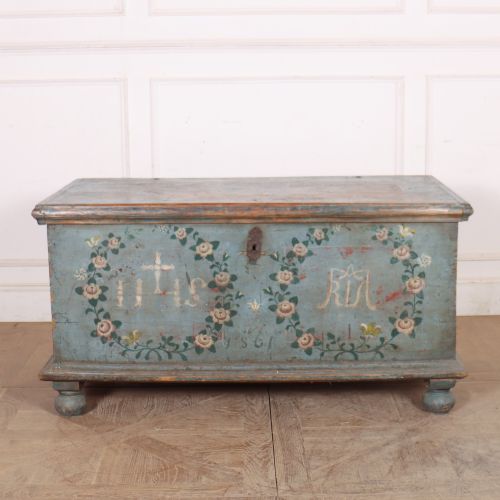
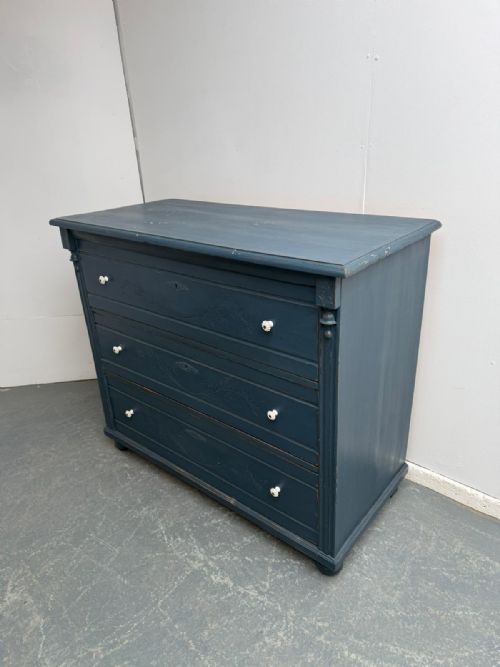
A blue painted chest encompasses a wide variety of storage forms, from nineteenth-century pine drawers to eighteenth-century marriage coffers and commodes. When searching for a blue painted chest, buyers encounter pieces spanning Swedish Gustavian, English Georgian, and Victorian country styles, each finished in historical blue pigments.
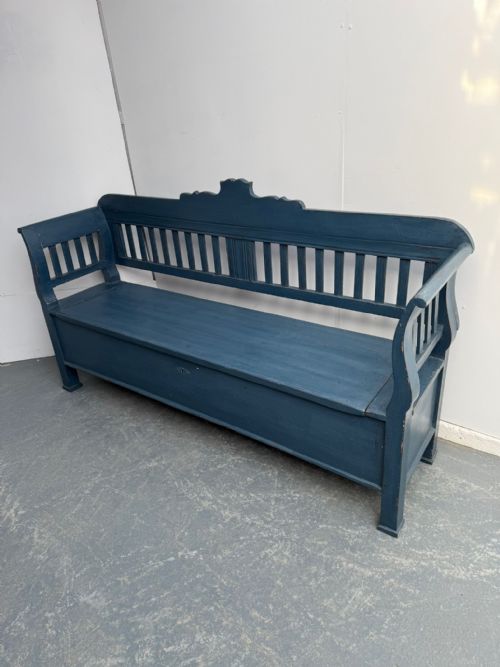
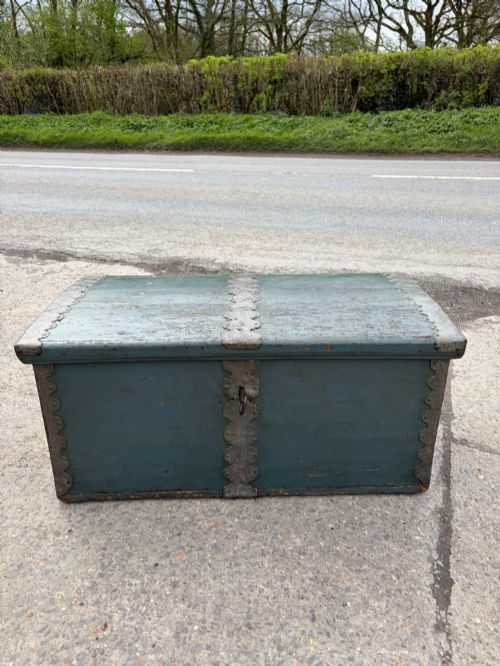
The selection ranges from large chests of drawers and commodes to smaller blanket boxes, trunks, and storage boxes. Many examples originate from continental Europe, particularly Sweden and Hungary, alongside English country pieces.
Pine is the predominant structural timber found across these pieces, frequently coated in original or later decorative paint layers that have aged into distinct patinas.
Materials and construction methods
Carpenters built these pieces primarily using solid pine, alongside occasional oak and other regional timbers, assembling carcases with traditional joints suited to heavy everyday use. Iron and brass hardware, including handles, hinges, and escutcheons, fastened the doors, lids, and drawers.
Surface decoration relied on oil or water-based paints applied to the wood, sometimes layered over preparation grounds or combined with hand-painted motifs and faux finishes. Over generations, this paint weathered naturally, creating the distressed mottled or crackled textures visible today.
Blue Painted Chest Retail Price Guide 2026
Typical asking prices for blue painted chest among the pieces listed under this phrase on Sellingantiques today, from the lower quarter to the upper quarter. They describe what is for sale here now, not the wider market.
Swedish marriage chests carried painted initials and dates to bless newlyweds with orderly linen storage for the rest of their days.
Judging quality and authenticity
Quality rests heavily on the integrity of the paint surface, distinguishing genuine historical decoration from recent commercial applications. The balance of proportions, crispness of carved details like fluting or diamond-point panels, and original operational hardware set superior pieces apart.
Construction soundness within the drawers, carcase, and base timbers dictates durability, while untouched surfaces carrying genuine patination command greater appreciation among collectors.
The Blue Painted Chest Glossary
- Commode
- A low chest of drawers or cabinet, often originating from French or Swedish traditions. These pieces frequently feature shaped drawer fronts or decorative hardware.
- Gustavian
- The Swedish neoclassical style spanning the late eighteenth and early nineteenth centuries. It is characterised by restrained carved ornamentation and pale painted finishes.
- Mule chest
- A storage chest fitted with one or more drawers in the base beneath the main compartment. They bridge the gap between traditional blanket boxes and modern drawer chests.
- Coffer
- A heavy wooden box used historically for storing valuables or textiles. They typically feature hinged lids and robust iron or wrought iron mountings.
- Campaign chest
- A portable form of furniture engineered to dismantle or transport easily during military travels. These chests usually incorporate recessed brass handles and corner brackets.
Blue Painted Chest: Frequently Asked Questions
Are these pieces painted recently or historically?
Many pieces retain their original or early decorative paint layers applied decades or centuries ago. Others feature later decorative paint applied to older timber carcases to revive worn surfaces.
Examine the edges of the paint and the underlying timber to understand the age of the finish. Both original surfaces and later painted interpretations hold distinct decorative appeal.
How were these chests used historically?
Chests and coffers served primarily to store textiles, wedding dowries, and valuable household goods in domestic spaces. Larger commodes and drawer chests functioned as bedroom or parlour storage for clothing and linens.
Specialist pieces like campaign trunks travelled with officers, while marriage chests commemorated unions with painted motifs and dates.
What is a Gustavian style chest?
Gustavian pieces draw inspiration from French neoclassical design adapted by Swedish craftsmen during the late eighteenth century. They display clean lines, tapered legs, and subtle carved details beneath pale painted coats.
This aesthetic brings a bright, orderly elegance to interiors while maintaining rustic practicality.