



19th Century Painted Trunk
These pieces combine everyday utility with vibrant colour, bringing a 19th century painted trunk into a modern home to serve as storage with character.
19th Century Painted Trunk
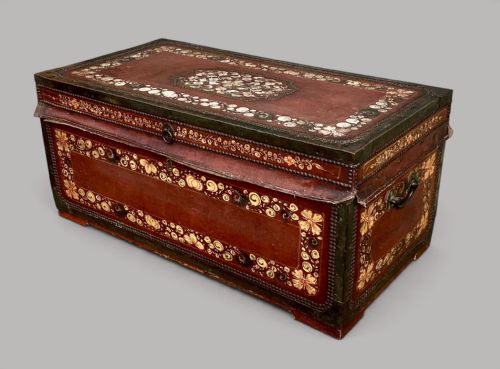
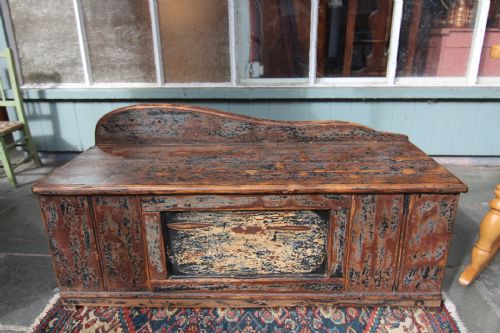
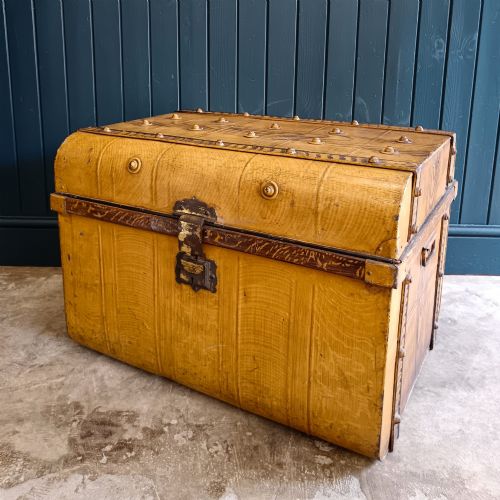
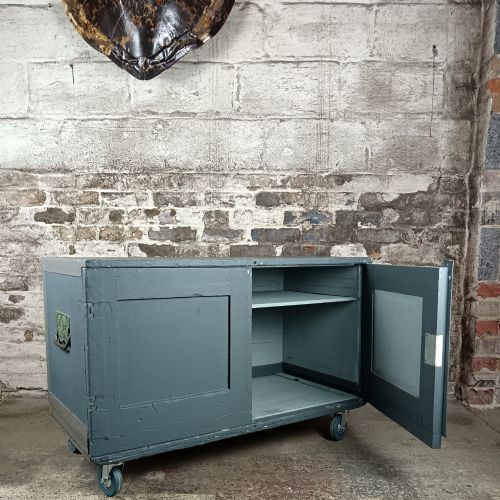
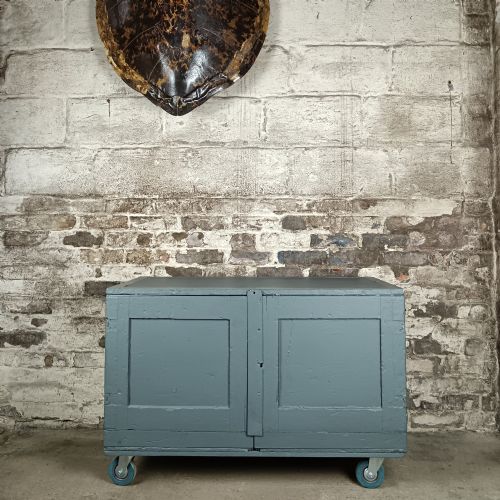
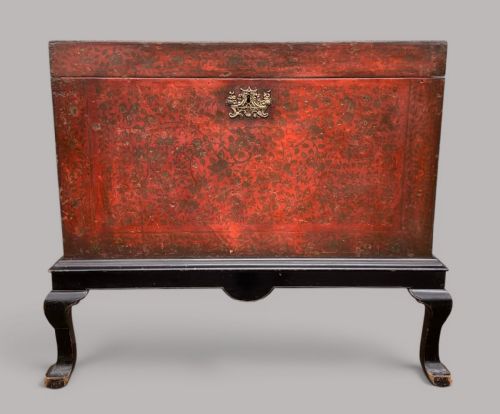
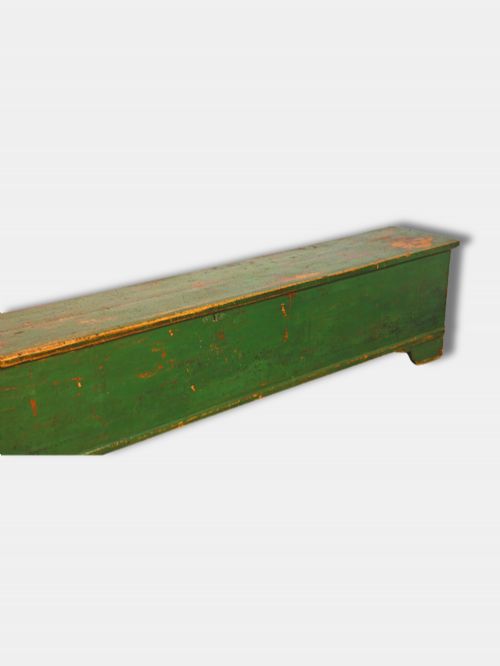
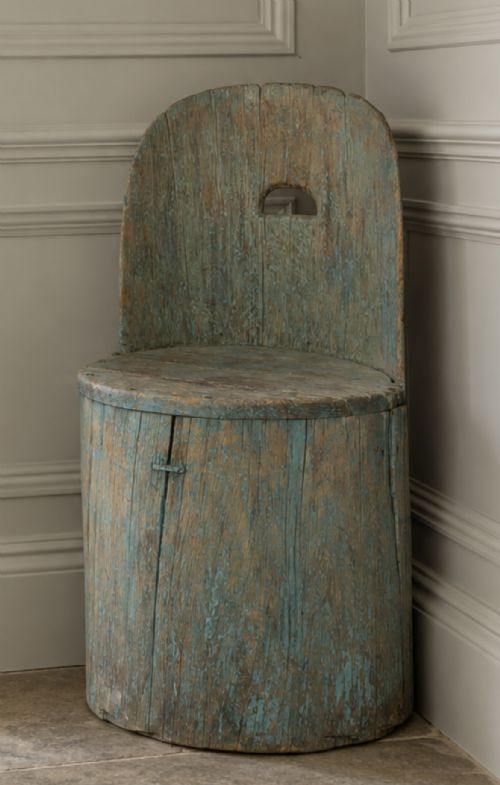
Buyers seeking a 19th century painted trunk find robust wooden containers designed originally for travel, marriage dowries, or domestic linen storage. These items range from large dome-top travel chests to smaller Scandinavian folk art boxes and blanket chests.
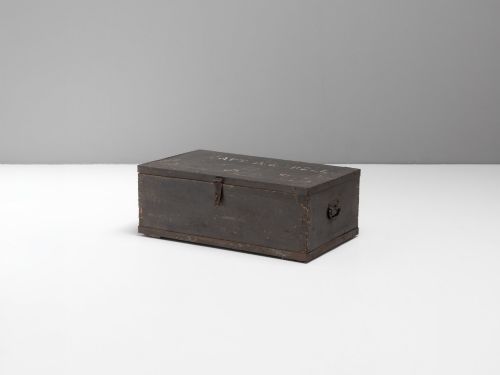
The versions most commonly met on this page are constructed from pine and finished with pigment, scumble glaze, or folk art motifs. European regional pieces, particularly from Swedish and Hungarian workshops, dominate the selection alongside British maritime and military examples.
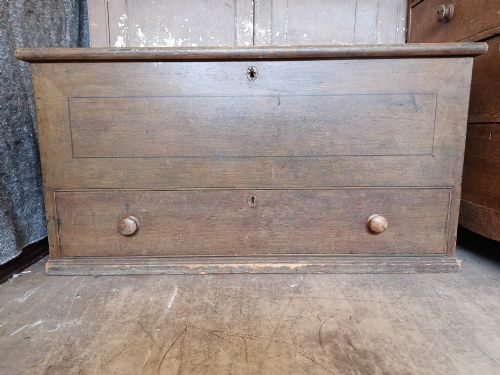
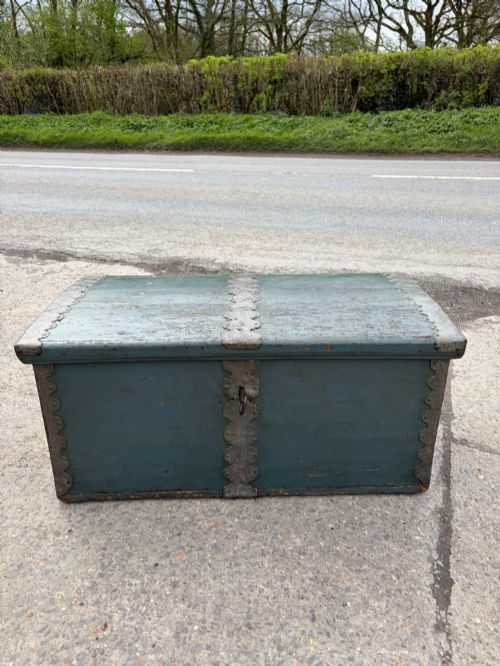
Their forms encompass coffers, mule chests with lower drawers, and heavy travelling trunks reinforced with iron or brass. Each piece reflects the specific utility required by its original owner, adapted over time for interior decoration.
Judging quality and originality
Quality rests heavily on the survival of the original surface decoration rather than later repainting. Pieces retaining their first layer of pigment or scumble finish command greater interest from collectors.
Construction integrity defines the upper tier, where dovetailing remains tight and original ironwork, hinges, and carrying handles stay intact. Finer examples display deliberate regional artistic effort in their folk motifs rather than basic utility coats.
19th Century Painted Trunk Retail Price Guide 2026
Typical asking prices for 19th century painted trunk among the pieces listed under this phrase on Sellingantiques today, from the lower quarter to the upper quarter. They describe what is for sale here now, not the wider market.
Seamen occasionally painted patriotic slogans like 'Emblem of Liberty' directly onto their pine chests before setting sail.
The 19th Century Painted Trunk Glossary
- Scumble
- A translucent layer of dark oil paint dragged over a lighter base coat to create mottled wood grain effects. This technique was widely utilised on pine to mimic more expensive timbers.
- Mule chest
- A traditional storage chest featuring one or more drawers built into the base beneath the main compartment. They bridge the gap between simple blanket boxes and chest of drawers.
- Folk art
- Decorative painting and craftsmanship stemming from rural traditions rather than academic art training. These pieces feature regional motifs passed down through local workshops.
- Dome top
- A rounded lid construction designed to shed water during travel and provide extra interior volume for garments. They appear frequently on maritime and marriage trunks.
- Cooffer
- A heavy wooden chest traditionally used for storing valuables, documents, or textiles. They often feature robust iron locking mechanisms and reinforced corners.
19th Century Painted Trunk: Frequently Asked Questions
What were these trunks used for?
Original owners utilised these trunks for transporting personal belongings across land and sea, or for storing household textiles and winter blankets.
Marriage chests specifically served to hold a bride's dowry items, often commissioned for the wedding and decorated with specific regional folk motifs.
How do I care for original paint?
Keep painted trunks away from direct sunlight and damp conditions to prevent the pigment from fading or flaking over time. Dust gently with a dry cloth and avoid harsh chemical cleaners that strip historic finishes.
Applying occasional specialist wax helps protect exposed wood and fragile painted surfaces without altering the historic patina.
How can I tell the period?
Dating relies on examining construction methods such as hand-cut dovetails, forged iron hardware, and the specific composition of the underlying wood. Secondary clues include the style of painted decoration and regional workshop characteristics.
Earlier 19th century examples often display heavier timber construction and simpler hand-mixed pigments compared to later industrial pieces.