

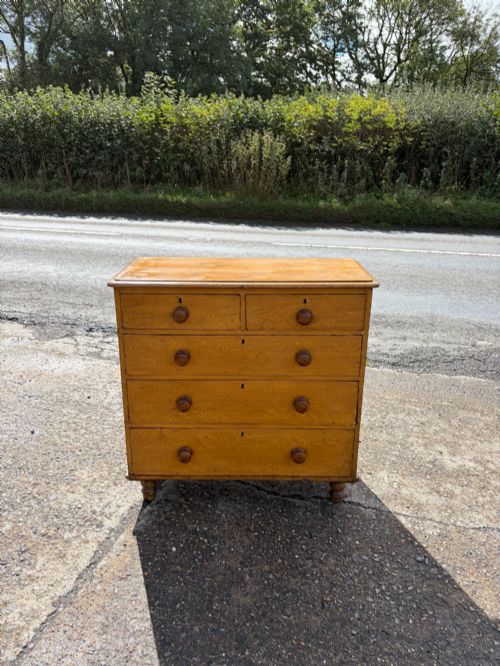
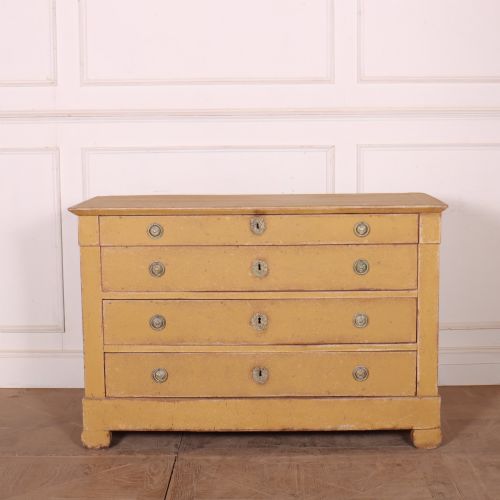
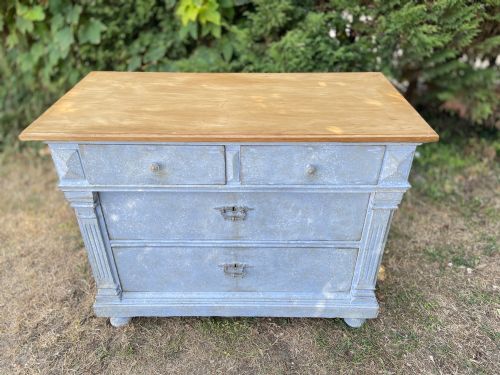
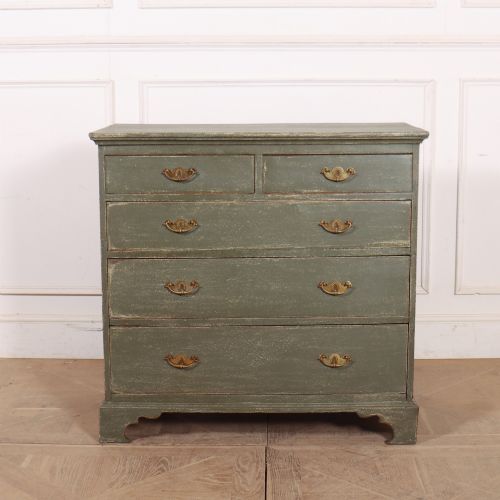
Painted Wooden Commode
A painted wooden commode brings functional storage and characterful colour to a room through traditional craftsmanship.

Painted Wooden Commode
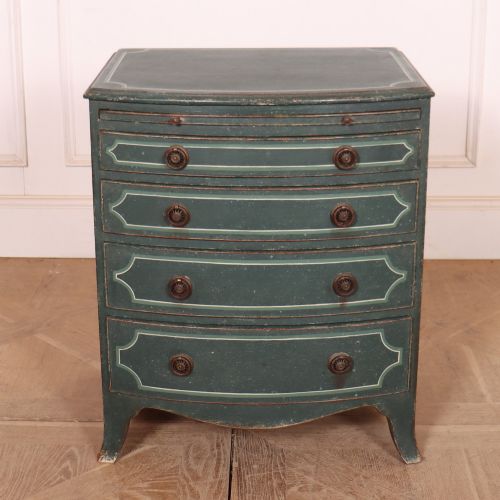
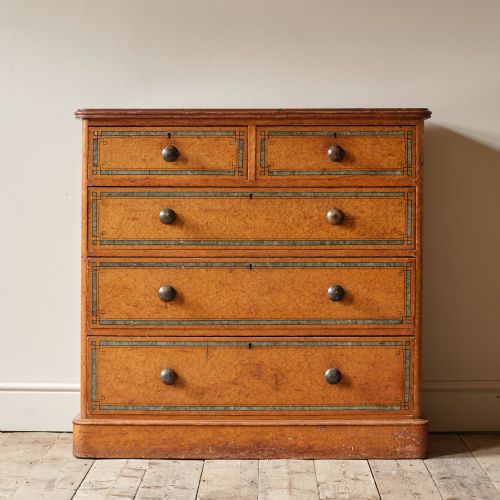
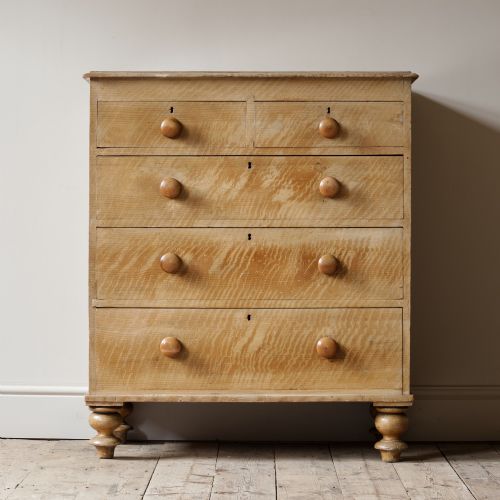
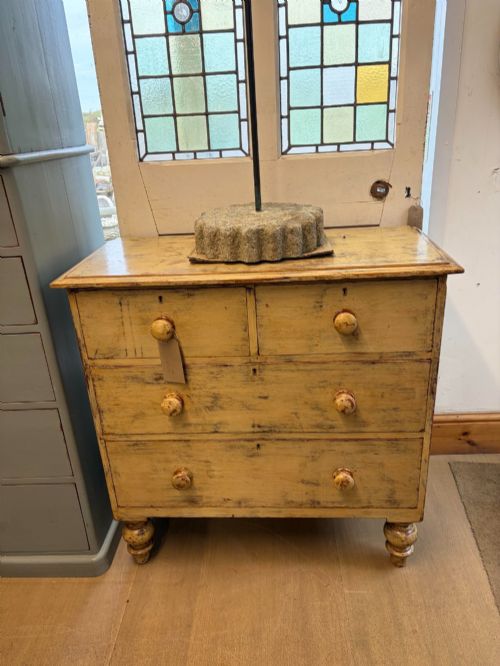
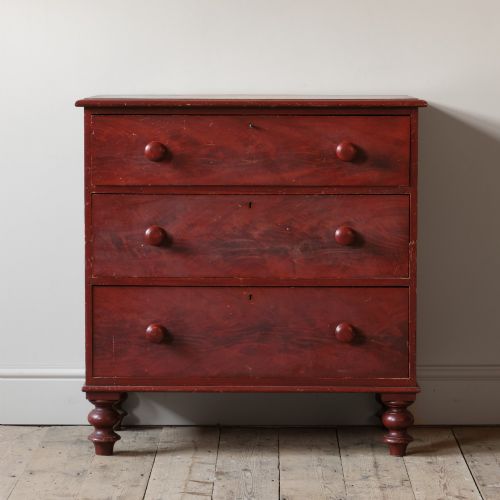
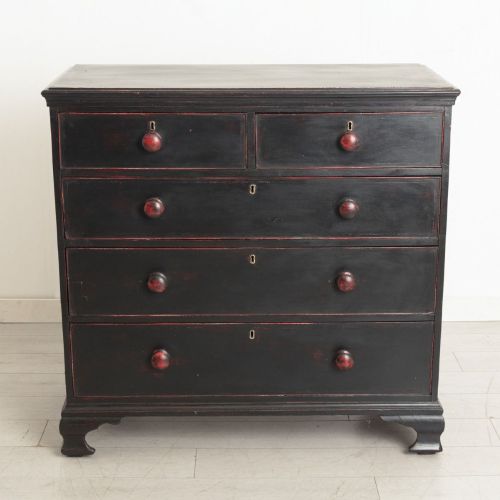
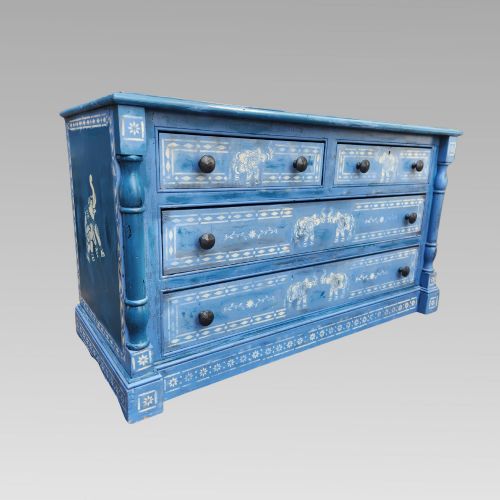
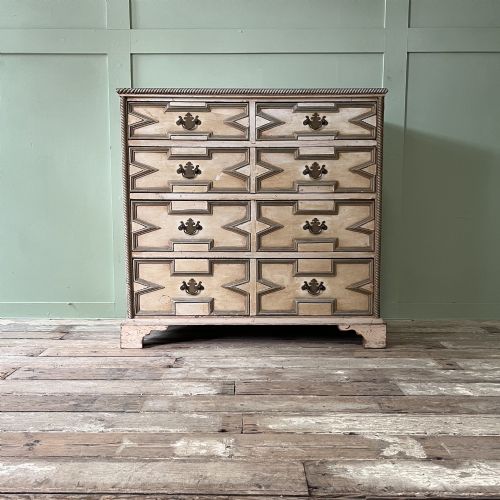
A painted wooden commode is a practical storage item taking the form of chests of drawers, side cabinets, cupboards, and bedside tables. When searching for a painted wooden commode, buyers encounter various regional designs originating from English, French, Italian, Scandinavian, and Hungarian workshops.
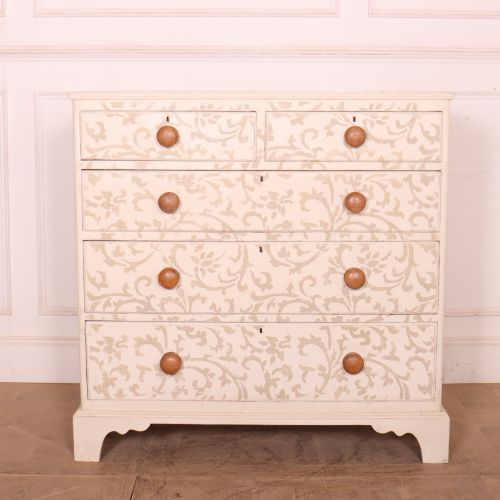
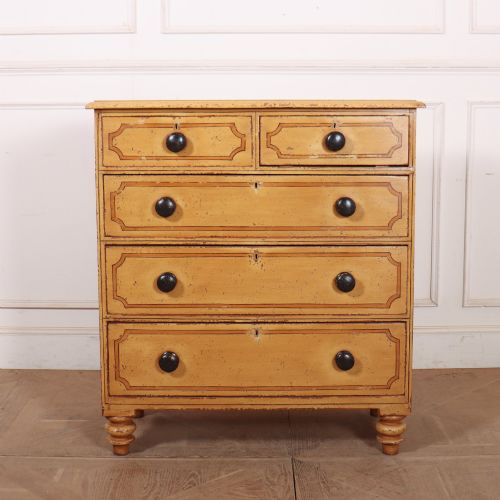
The selections span multiple periods, most notably the 18th century, 19th century, and Victorian eras, alongside pieces from the 1880s, 1890s, 1900s, 1920s, and 1930s. The versions most commonly met on this page are pine and hardwood chests of drawers finished in original or decorative paint.
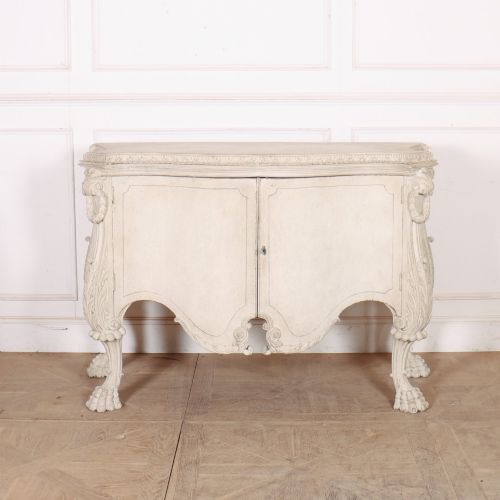
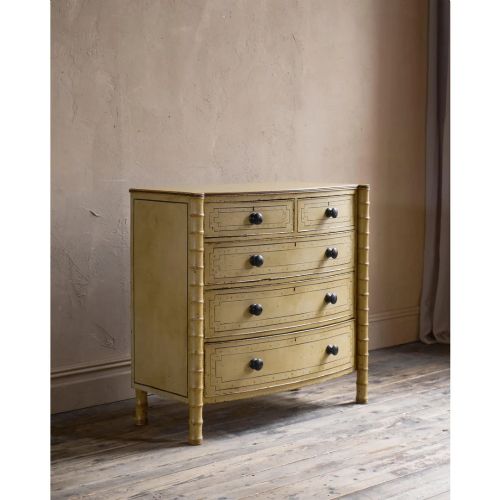
Regional variations define the offerings, ranging from English country and Regency styles to Gustavian, French Provincial, and Scandinavian Country aesthetics. These pieces often feature specific architectural fronts such as serpentine, bow front, or diamond-point detailing.
Materials and construction methods
Carpenters typically built these pieces using solid timbers such as pine, oak, and ash, complemented by metal hardware like brass handles, iron fittings, and occasional giltwood accents. The underlying carcase construction relies on traditional joinery methods suited to the respective period.
Surfaces received various decorative treatments, including hand-applied paint, scumble finishes that simulated more expensive wood grains like birch, and layered neutral or colourful pigments. Many items retain original surface coatings applied decades or centuries ago, while others show later hand-applied decorative updates.
Painted Wooden Commode Retail Price Guide 2026
Typical asking prices for painted wooden commode among the pieces listed under this phrase on Sellingantiques today, from the lower quarter to the upper quarter. They describe what is for sale here now, not the wider market.
A faux bamboo finish lets a pine chest pretend to be exotic jungle vegetation without ever leaving a damp Victorian bedroom.
Distinguishing quality across pieces
The integrity of the underlying timber carcase and the preservation of original decorative paint surfaces set better examples apart. Pieces that retain their genuine early surface finish without extensive modern repainting hold greater interest for collectors.
Sophistication of form and regional detailing also determine quality, evident in shaped serpentine drawer fronts, precise faux bamboo turnings, or hand-carved decorative motifs. Well-executed proportion and balanced hardware placement distinguish superior cabinet work from utilitarian storage.
Sir Clough Williams-Ellis·Edwards and Roberts·Gemla Fabrikers
The Painted Wooden Commode Glossary
- Commode
- A low cabinet or chest of drawers designed for storage, often featuring multiple tiers of drawers or side cupboard doors.
- Gustavian
- The Swedish neoclassical style characterised by restrained classical symmetry, light painted finishes, and understated carved ornamentation.
- Serpentine front
- A furniture front curving outward in the centre and inward at the sides, creating an undulating silhouette.
- Scumble pine
- Pine furniture treated with a translucent glaze and manipulated with combs or brushes to imitate the appearance of finer figured woods.
- Bow front
- A convex, outwardly curved front profile commonly found on chests of drawers from the Regency and Victorian periods.
Painted Wooden Commode: Frequently Asked Questions
What is a painted wooden commode?
A painted wooden commode is a practical storage item, typically functioning as a chest of drawers, side cabinet, or cupboard finished with a decorative paint layer. These pieces range from simple country pine furniture to formal neoclassical designs.
Craftsmen across Britain and continental Europe produced them from solid timbers such as pine, oak, and ash, applying finishes that varied from plain neutral tones to intricate scumble glazes.
How do I identify a Gustavian commode?
Gustavian commodes originate from Swedish neoclassical design traditions, typically displaying a pale painted finish, restrained fluting, and subtle carved details. They reflect a lighter, more symmetrical aesthetic inspired by French Louis XVI styles.
These pieces often feature tapered legs and understated hardware, making them distinct from heavier Victorian or ornate provincial furniture.
Where were these pieces used originally?
Historically, painted commodes served as domestic storage furniture in bedrooms, hallways, and living spaces across European homes. They held clothing, linens, and personal items while contributing decorative colour to the interior.
Country houses and urban residences alike utilised these cabinets for everyday utility, adapting regional designs to local functional needs.
How should I care for original paint surfaces?
Preserving original paint requires avoiding harsh chemical cleaners and modern abrasive polishes that can lift historic pigments. Dusting with a soft, dry cloth is usually sufficient for routine maintenance.
Keeping the furniture away from direct sunlight and excessive humidity prevents the underlying timber from shifting and protects the delicate paint layers from cracking.