
Antique Painted Tallboy
These antique painted tallboy pieces offer towering vertical storage with decorative painted surfaces that bring character to any room.
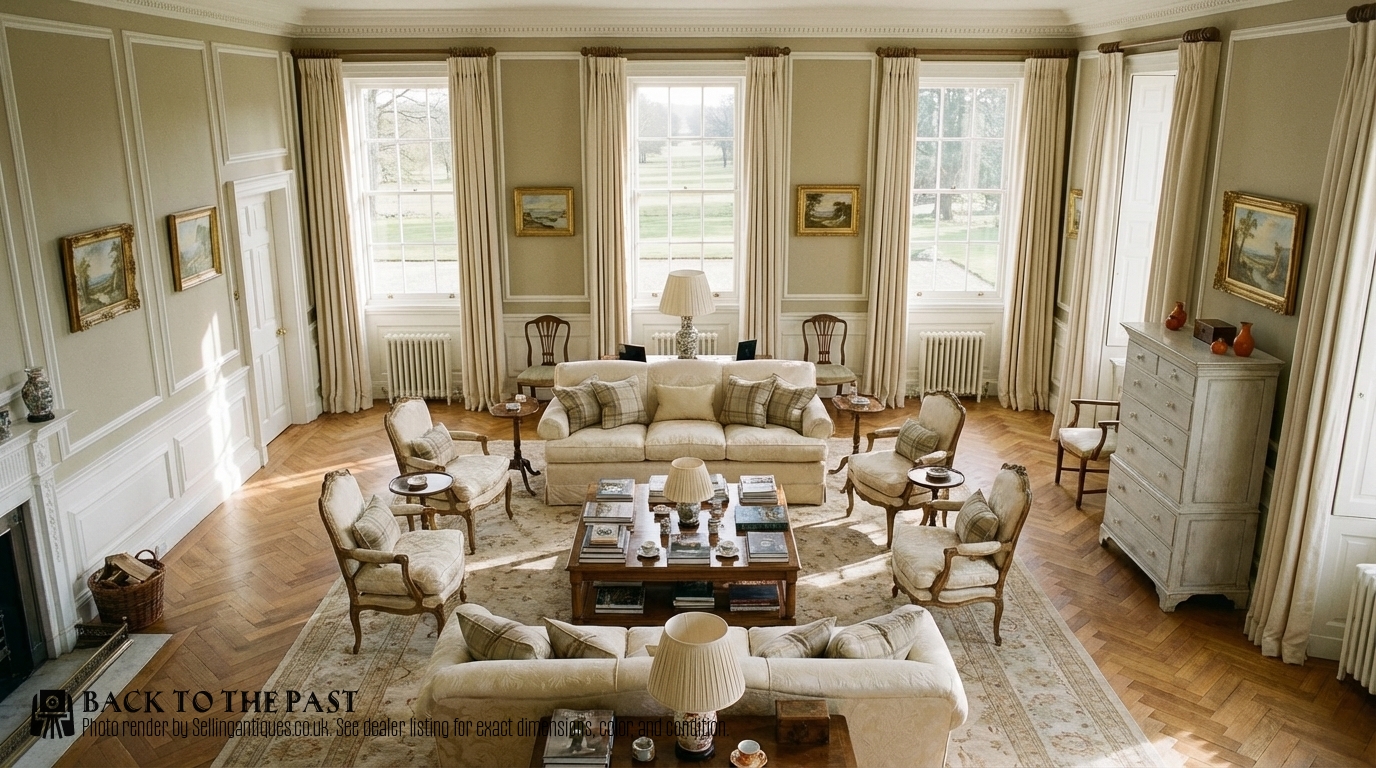
What an antique painted tallboy is
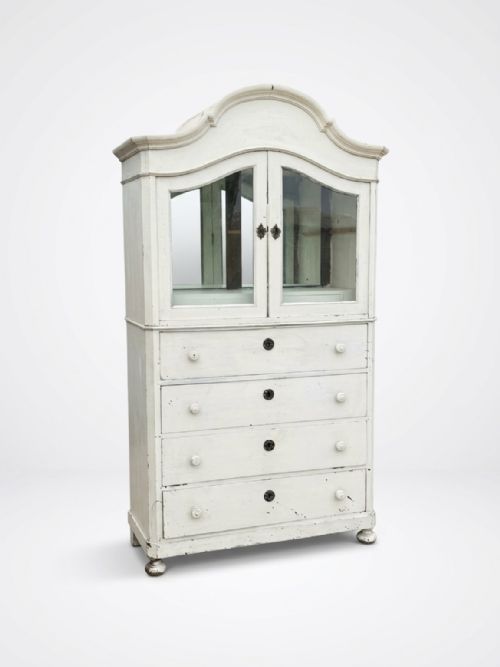
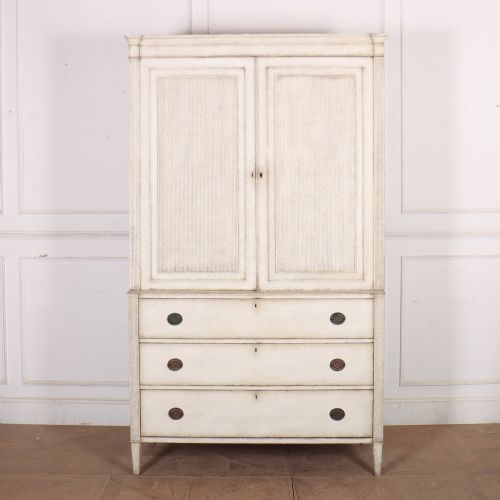
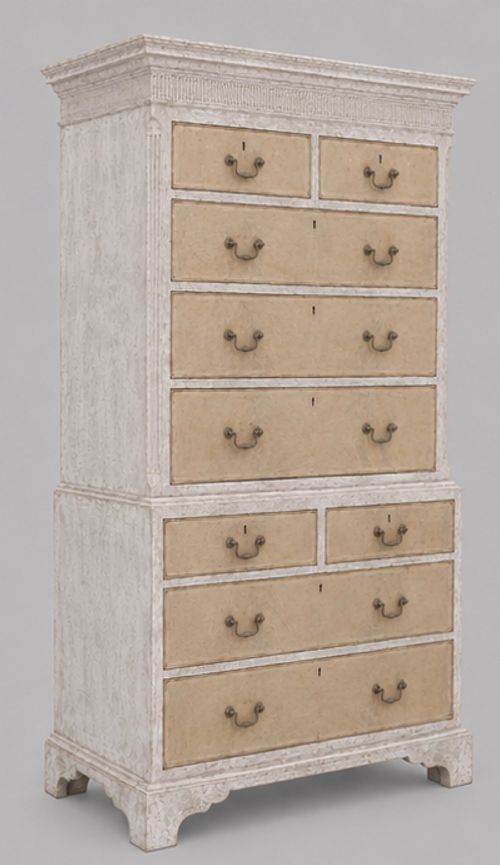
An antique painted tallboy combines the height of a chest on chest with the decorative charm of applied paint finishes. Buyers searching for an antique painted tallboy encounter formats ranging from tall chests on stands to traditional double-stacked chests on chests.
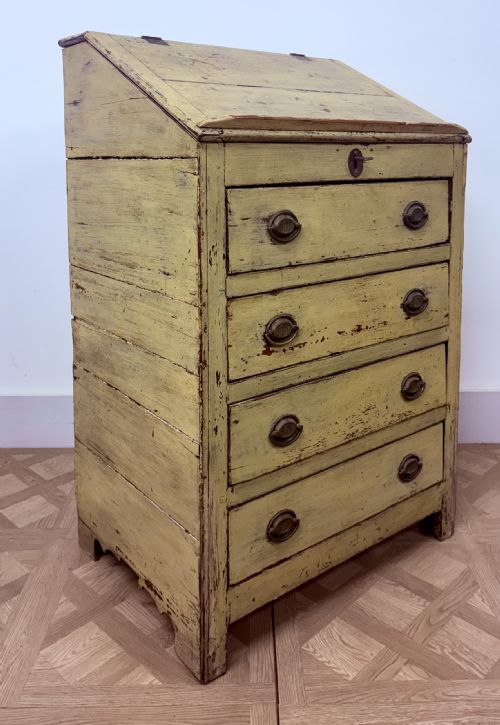
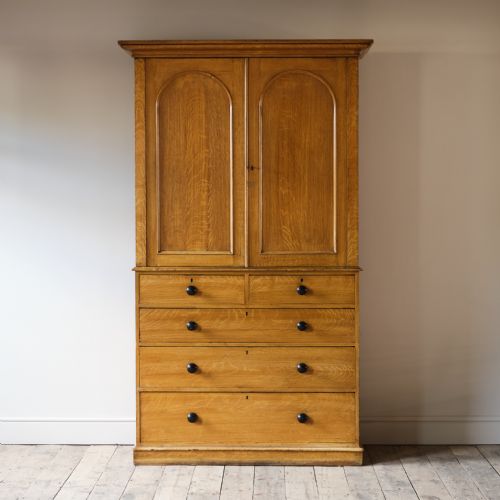
The pieces on this page span several distinct periods including the Georgian era, the nineteenth century, and early twentieth century Edwardian examples. Styles lean towards English Country, Chinoiserie, and Georgian proportions.
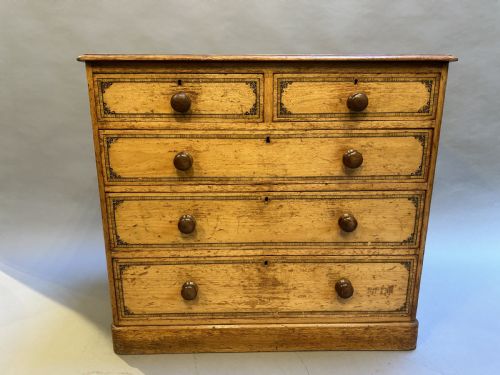
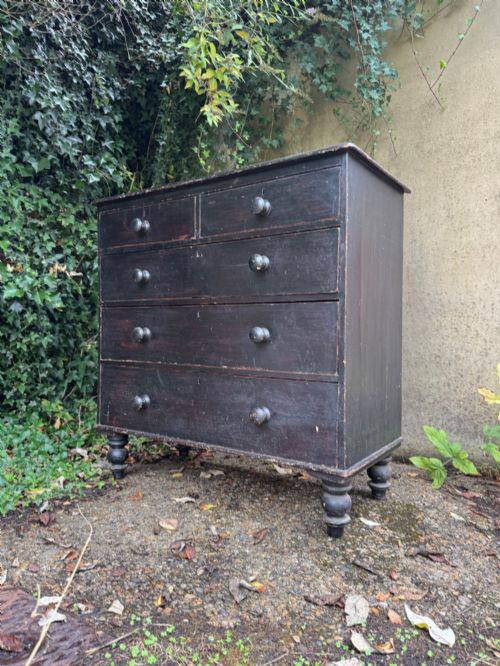
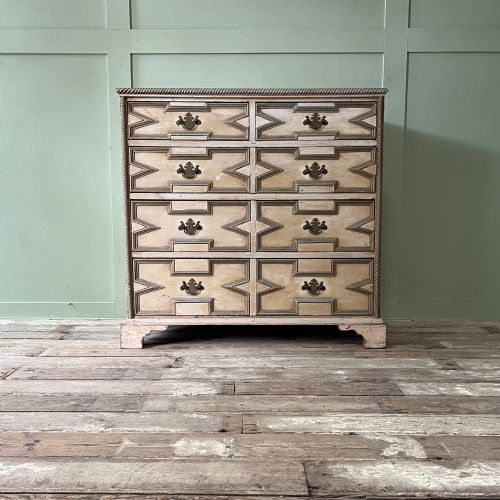
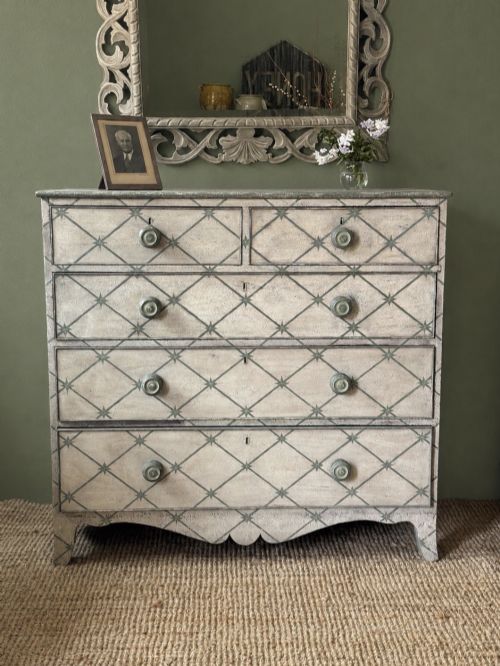
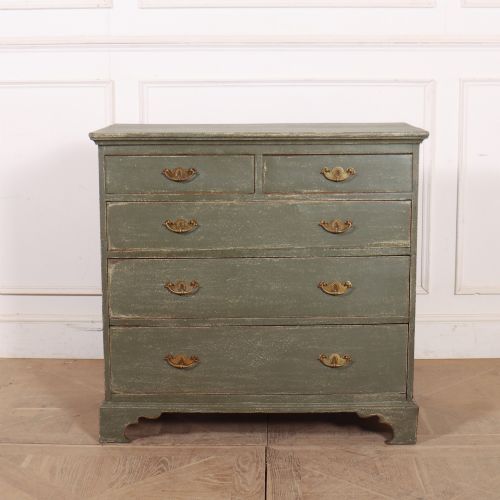
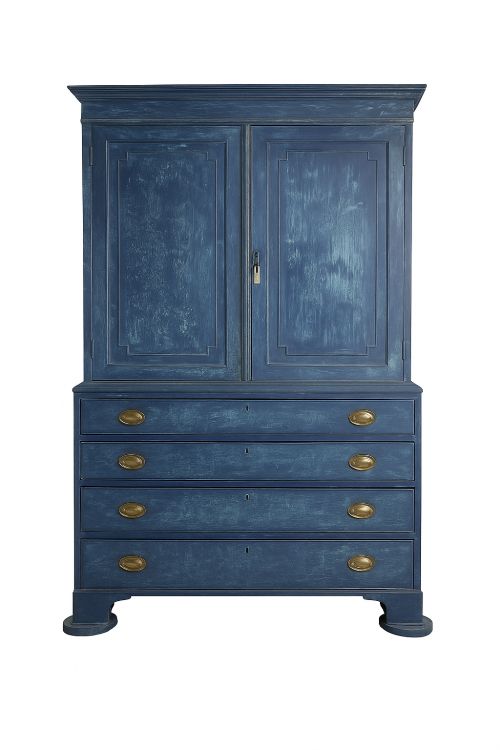
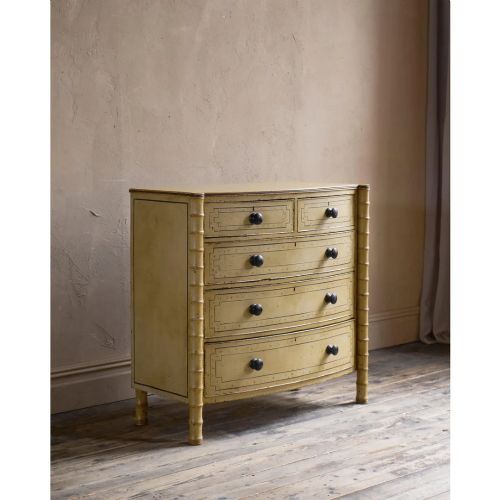
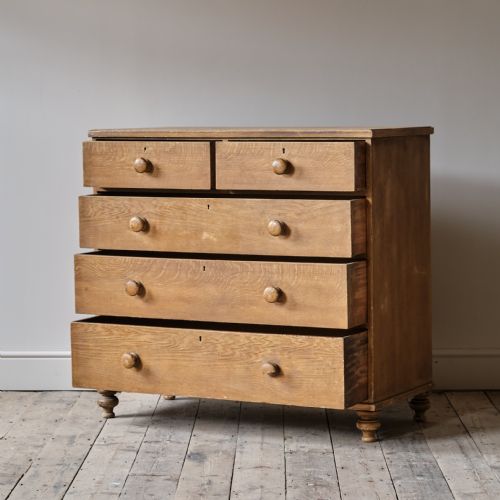
Forms include standard chests of drawers alongside dedicated tallboys and chests on chests. Many examples retain surface decoration such as distressed mottled blue finishes and Chinoiserie motifs.

Materials and construction
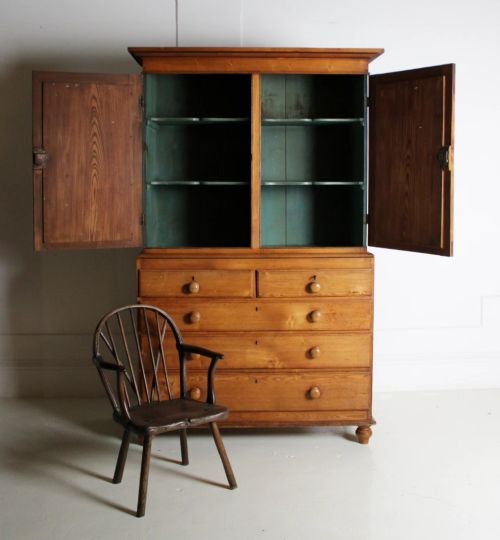
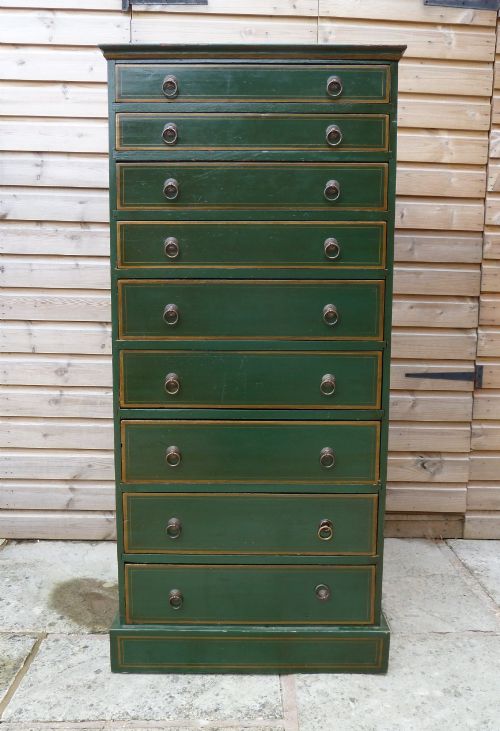
Construction relies primarily on wood and pine timbers. Brass hardware appears on drawer pulls and key escutcheons across various periods.
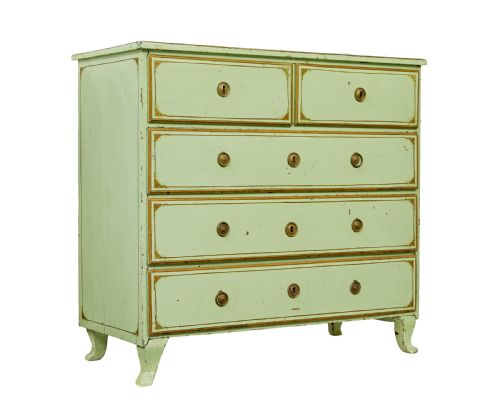
Surface treatments involve layers of paint applied to wood, sometimes showing original schemes or distressed mottled blue finishes. Decorative techniques extend to Chinoiserie detailing on early twentieth century pieces.
Retail Price Guide 2026
Typical UK retail prices for painted tallboy, calculated from the Sellingantiques database of over a million retail prices indexed since 2003. This retail price guide relies exclusively on Sellingantiques data; no external sources or auction records are used, so the figures do not describe the wider market.
Listings feature periods from the eighteenth century through to the early twentieth century, utilising materials such as pine, timber, and brass.
Quality differences
Quality rests in the integrity of the timber framing and the preservation of the painted surface. Pieces with undisturbed original paint finish demonstrate greater historical authenticity than later repainted surfaces.
Proportion and execution separate standard utility items from finer examples. Georgian and early pieces show careful joinery in the stacked chest format, whereas later Edwardian and nineteenth century items reflect the domestic standards of their respective decades.
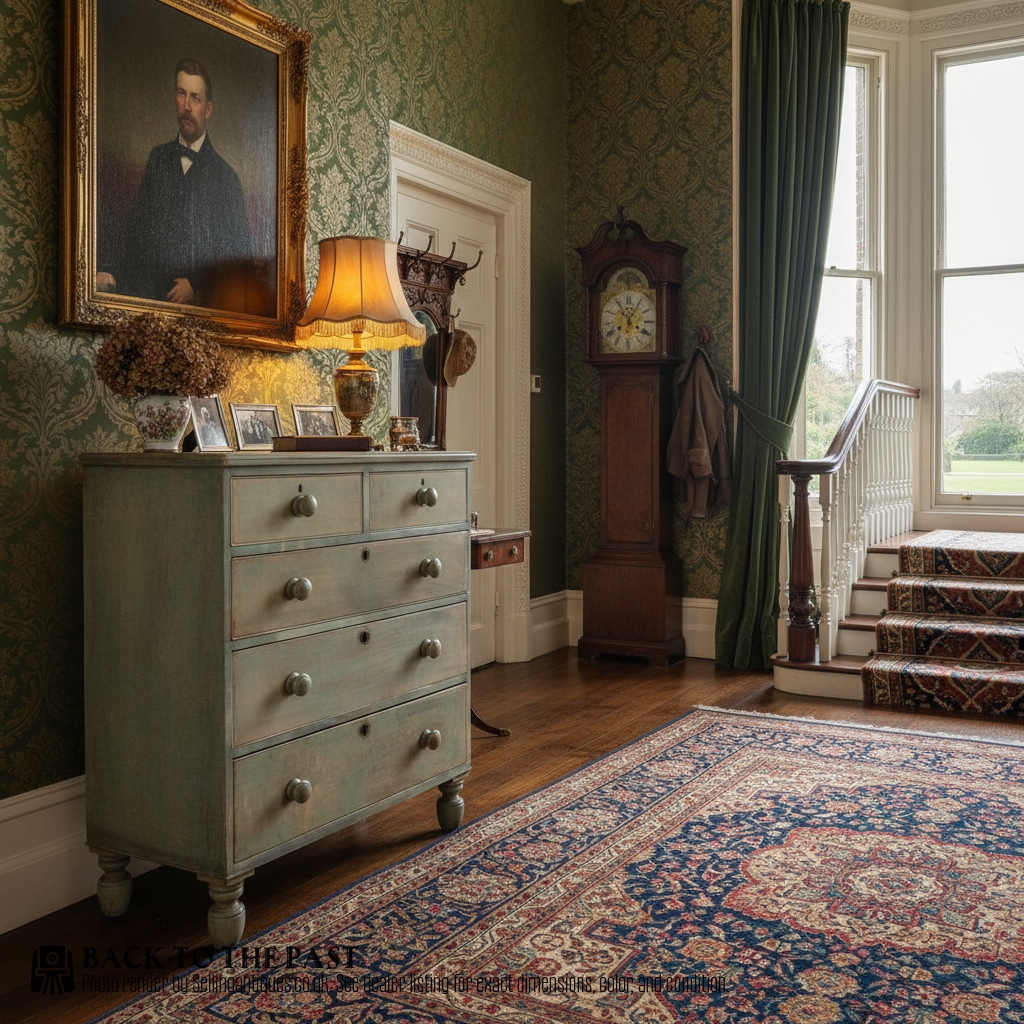
Sir Clough Williams Ellis
The Antique Painted Tallboy Glossary
- Tallboy
- A tall chest of drawers, typically formed of one chest stacked upon another or upon a stand, offering significant vertical storage.
- Chinoiserie
- European decorative style inspired by Chinese art and design, frequently featuring painted motifs on furniture surfaces.
- Bowfront
- A cabinet or chest of drawers featuring a convex, curved front facade.
- Escutcheon
- A protective plate surrounding a keyhole, commonly cast in brass on these pieces.
Frequently Asked Questions
What is a tallboy?
A tallboy is a tall chest of drawers that provides substantial vertical storage capacity without taking up excessive floor space. These pieces often consist of one chest resting upon a second, larger chest.
Historically, they served bedrooms and dressing rooms to hold folded linens and garments.
How do I date an antique painted tallboy?
Dating relies on examining construction methods, timber types such as pine, and the style of the hardware. Georgian examples show different structural traits compared to nineteenth century or Edwardian pieces.
The presence of original paint finishes or specific decorative motifs like Chinoiserie also helps narrow down the period of manufacture.
Where should I place a tallboy?
A tallboy fits well in bedrooms, hallways, or dressing areas where vertical space is available. Its height makes it practical for rooms with limited floor space.
Ensure the piece is secured safely to the wall if necessary, as standard practice for tall furniture.
Are painted finishes original?
Paint finishes vary between pieces, with some retaining original surfaces from the eighteenth or nineteenth century. Distressed mottled blue finishes and Chinoiserie designs indicate the decorative intentions of the period.
Careful inspection of the paint layers reveals whether the surface is contemporary to the wood construction or applied at a later date.