



Antique Chinoiserie Furniture
Antique chinoiserie furniture brings vibrant lacquered surfaces and painted Oriental scenes into European interiors.
Antique Chinoiserie Furniture
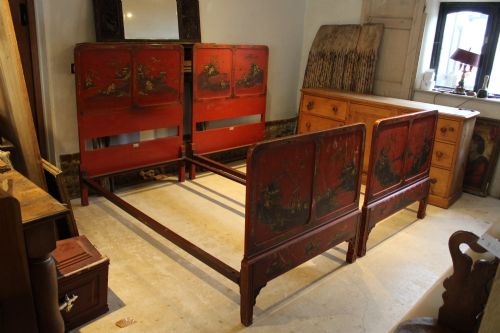
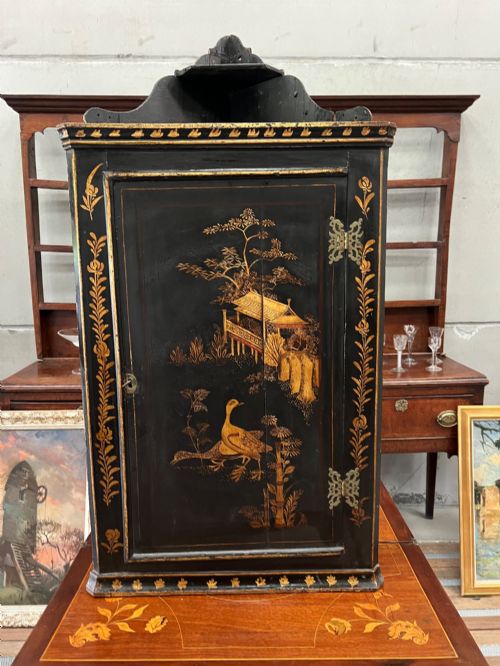
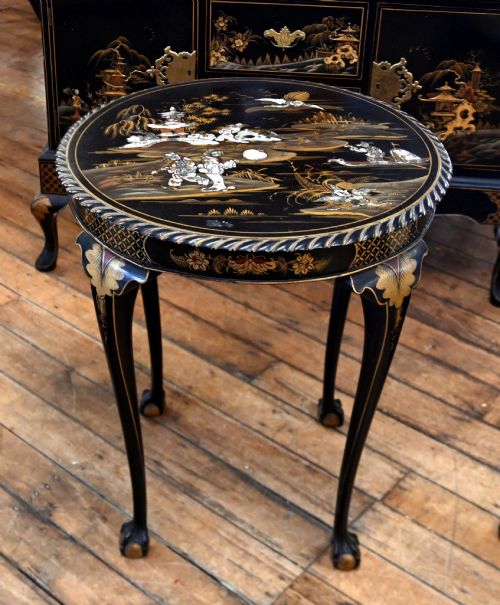
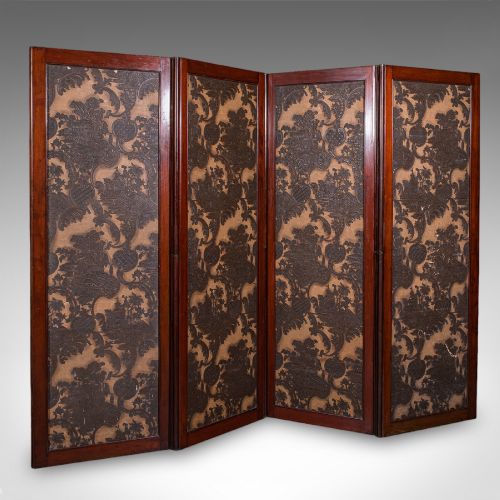
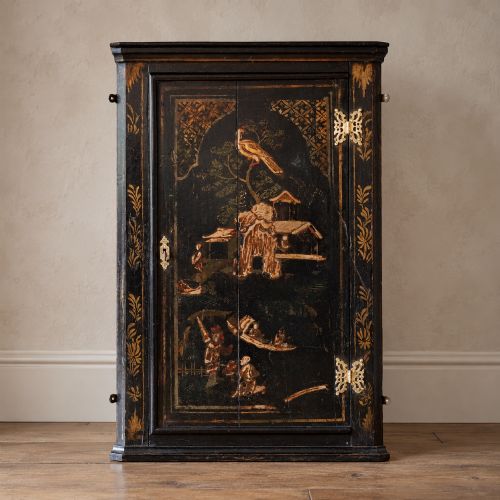
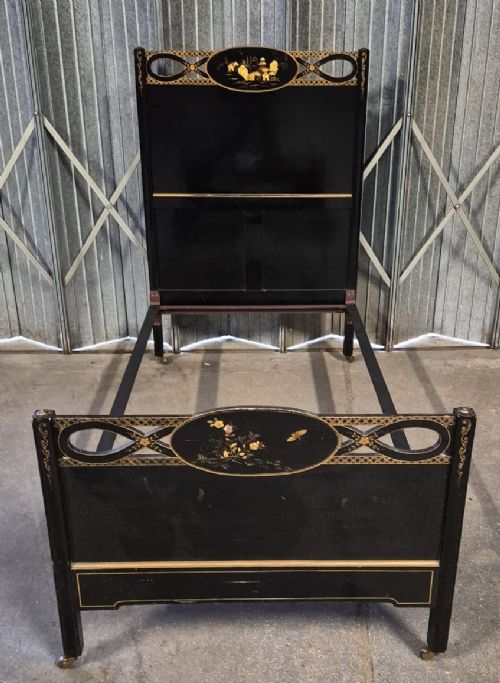
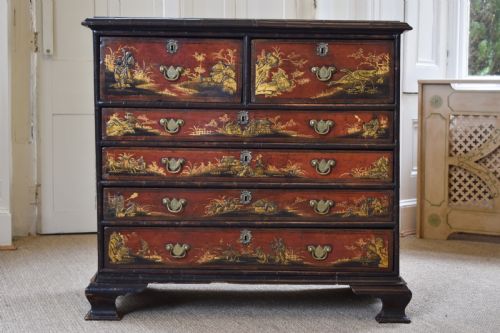
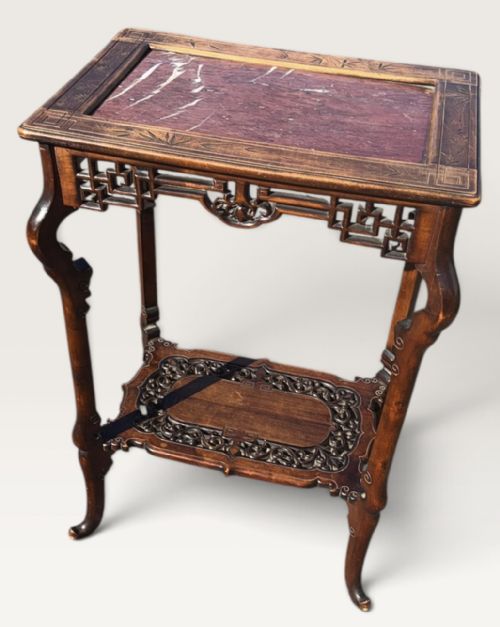
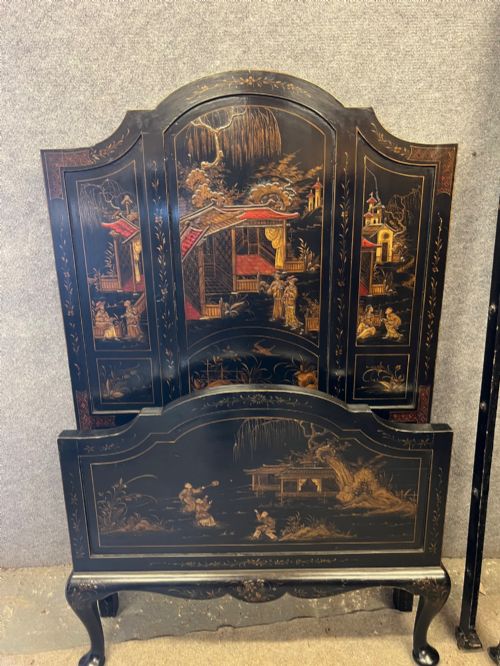
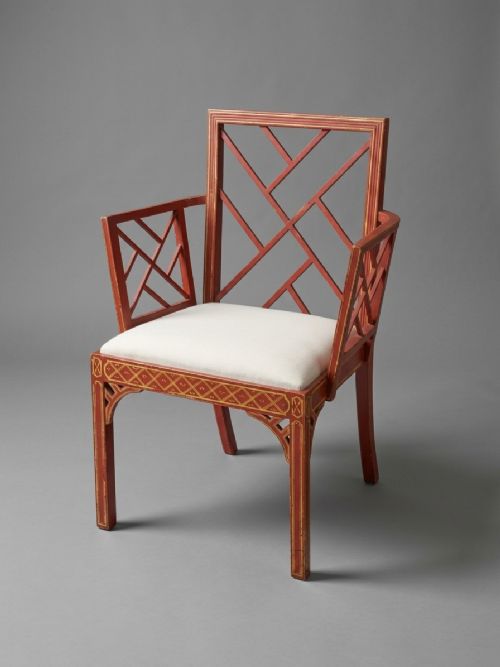
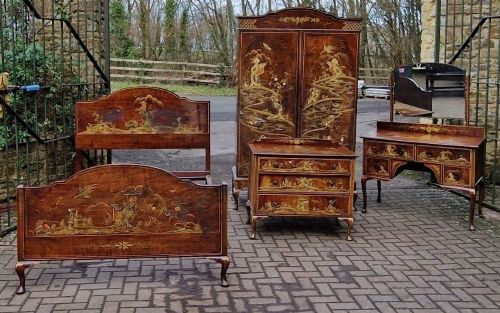
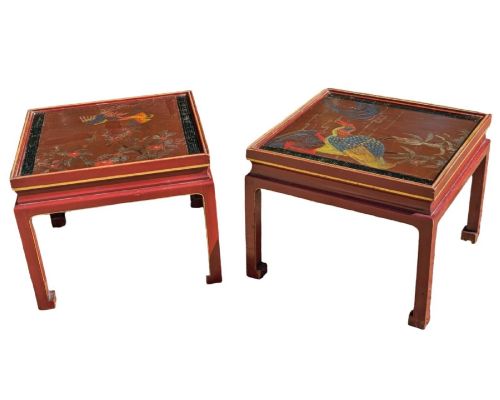
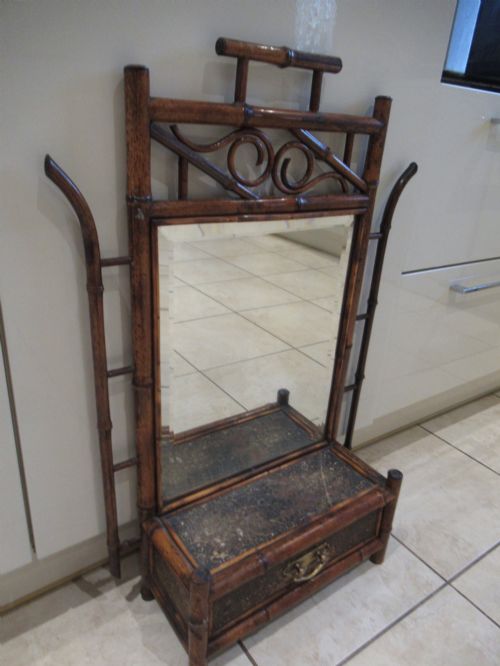
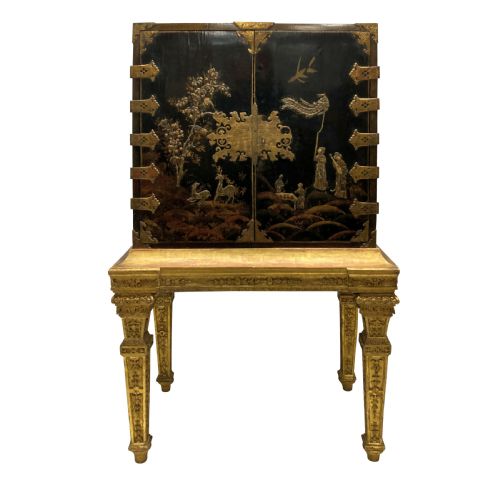
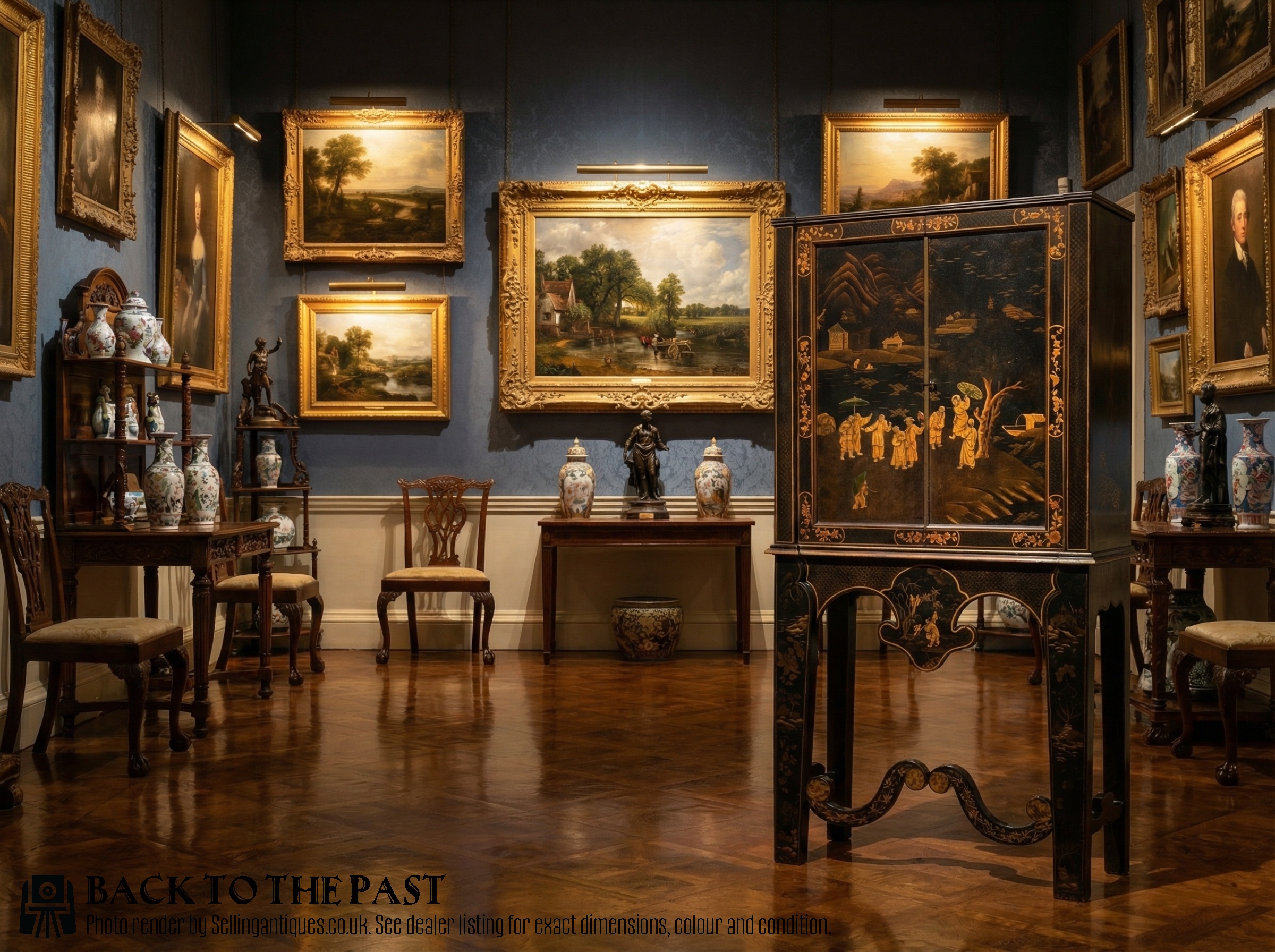
When you search for antique chinoiserie furniture, you encounter pieces designed with European interpretations of East Asian motifs or imported directly from China. The selection spans compact items such as occasional tables, side tables, and sewing tables alongside larger storage forms including cabinets on stands, chests of drawers, and wardrobes.
The objects date from the seventeenth century through to the early twentieth century, taking in William and Mary, Regency, Victorian, and Edwardian interpretations. Pieces range from starkly architectural red or black lacquered wedding cabinets to delicate bamboo-turned side pieces and display cabinets.
Materials and construction methods
Makers built these pieces using hardwood, walnut, and papier mache, frequently applying layers of lacquer to create deep black or red surfaces. Artisans added gold leaf and gilt decoration to delineate figures, landscapes, and pavilions upon the wood.
Details such as brass hardware, inlaid rosewood, and faux bamboo turnings provide structural contrast to the painted panels. Workshops utilised japanning techniques to replicate oriental lacquer finishes in European domestic settings.
Antique Chinoiserie Furniture Retail Price Guide 2026
Typical asking prices for chinoiserie furniture among the pieces listed under this phrase on Sellingantiques today, from the lower quarter to the upper quarter. They describe what is for sale here now, not the wider market.
Periods represented span from the 17th century through Regency and Victorian eras to the 1920s.
What separates the tiers of quality
Quality rests in the depth of the lacquer layers and the precision of the hand-painted or penwork decoration. Superior examples display intricate pictorial narratives with careful shading and gilt highlights that integrate harmoniously with the underlying cabinetwork.
The integrity of the timber frame and the originality of the hardware, stands, or supports dictate the standing of a piece. Earlier seventeenth and eighteenth-century examples exhibit distinct joinery methods compared to later Edwardian revivals.
Edwards & Roberts·Maples & Co·Gabriel Viardot
The Antique Chinoiserie Furniture Glossary
- Chinoiserie
- European decorative style reflecting Chinese artistic influences, prevalent in furniture from the seventeenth century onward.
- Japanning
- European imitation of East Asian lacquerwork, created by building up layers of varnish and applying metallic dust or paint.
- Faux bamboo
- Wood turned and painted to simulate natural bamboo canes, often seen on nineteenth-century pieces.
- Cabinet on stand
- A storage cupboard raised on a separate supporting frame or table base.
- Penwork
- Decoration created using ink applied with a pen to form fine linear patterns, seen on Regency work tables.
Antique Chinoiserie Furniture: Frequently Asked Questions
How do I care for antique lacquer furniture?
Keep lacquered surfaces away from direct sunlight and excessive heat sources to prevent cracking. Dust gently with a dry microfibre cloth and avoid harsh chemical cleaners.
Maintain stable room humidity to protect the underlying timber and varnish layers from expanding or contracting.
What is the difference between export and European chinoiserie?
Chinese export pieces were manufactured in China specifically for Western markets using traditional local materials and techniques. European-made items employed domestic woods and applied japanning methods to replicate the oriental aesthetic.
Evidence shows both traditions sitting side by side across the eighteenth and nineteenth centuries.
Where should I place a chinoiserie cabinet?
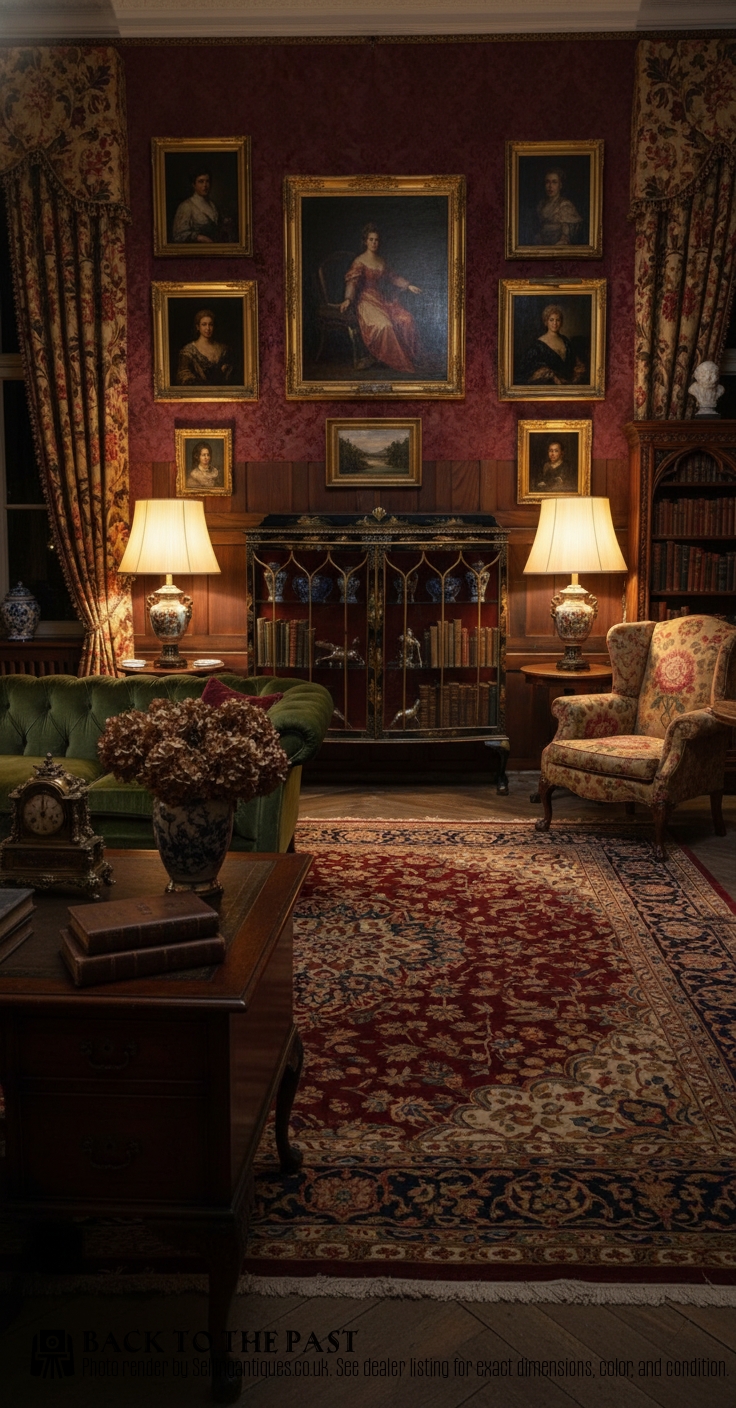
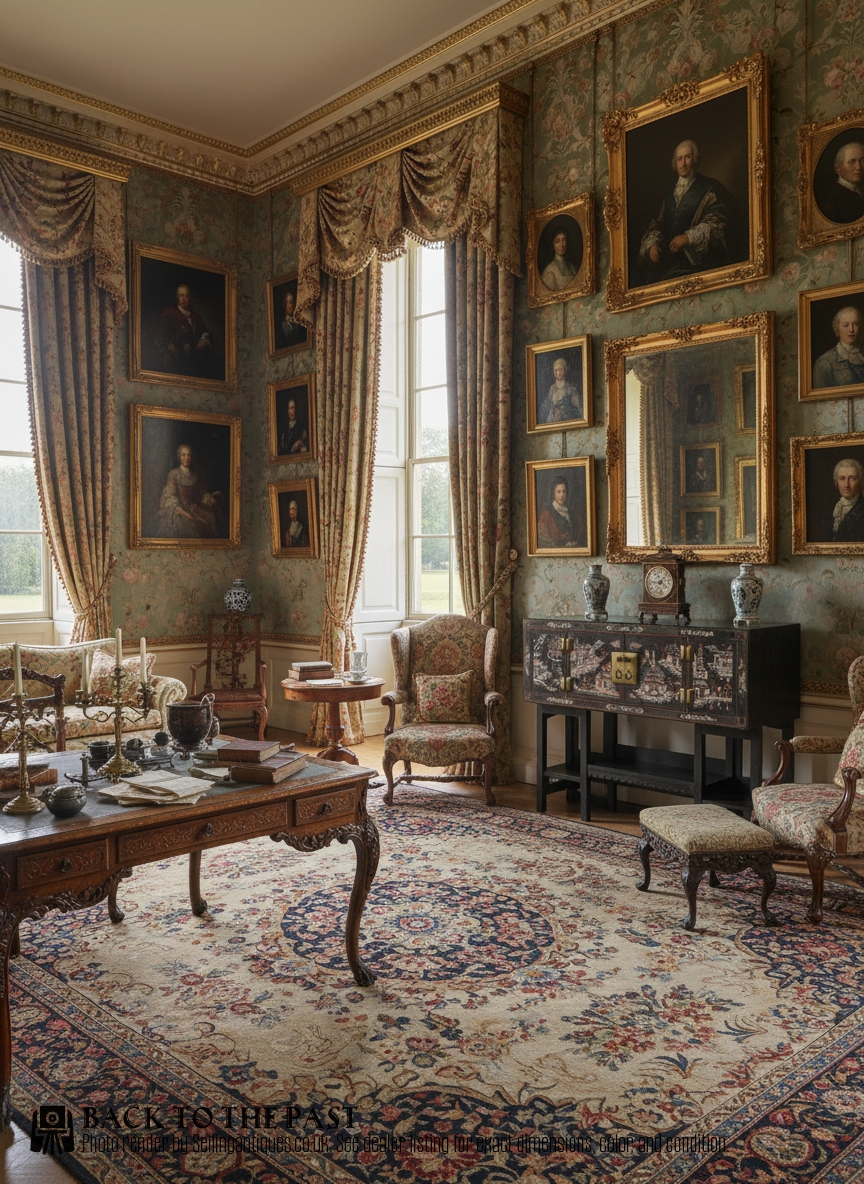
These decorative pieces function well as focal points in reception rooms or hallways where their painted surfaces can be appreciated. Pair them with neutral walls to let the red or black lacquer stand out.
Smaller items like side tables and occasional tables suit sitting rooms and bedrooms alike.
How do I date a lacquered piece?
Examine the underlying construction, timber species, and joinery style to establish the baseline period. The evolution of styles ranges from seventeenth-century cabinet stands to Edwardian bedroom suites and revival pieces.
Decoration techniques and hardware types further help narrow down the decade of manufacture.