



Chinoiserie Cabinet on Stand
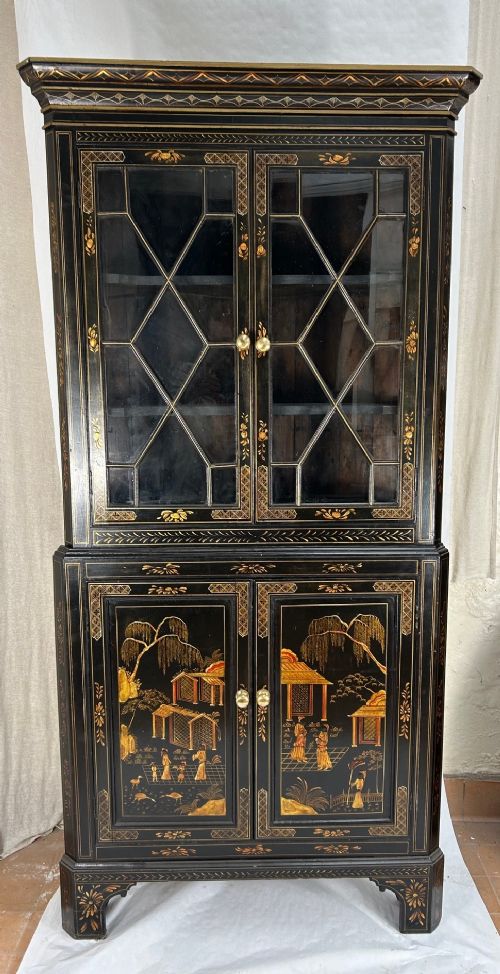
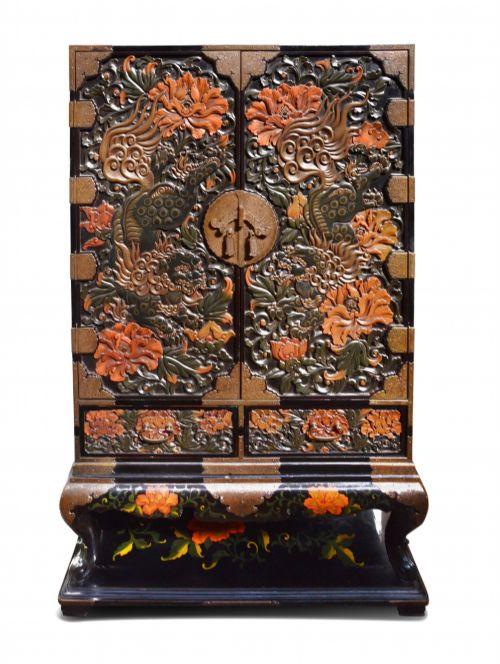
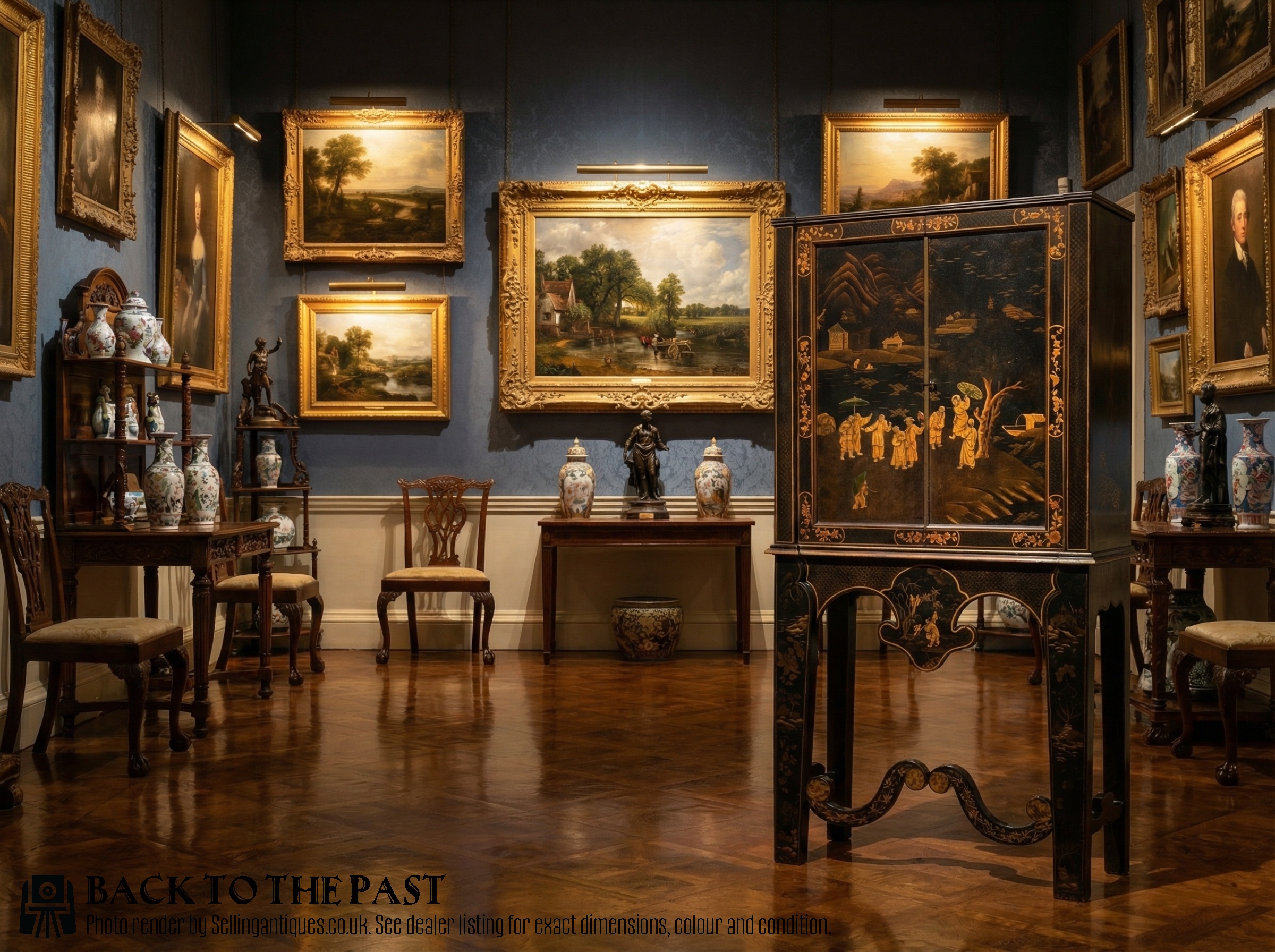
A chinoiserie cabinet on stand brings dramatic lacquerwork and raised ornamentation to a room, pairing an enclosed upper storage section with a dedicated support base.
Chinoiserie Cabinet on Stand
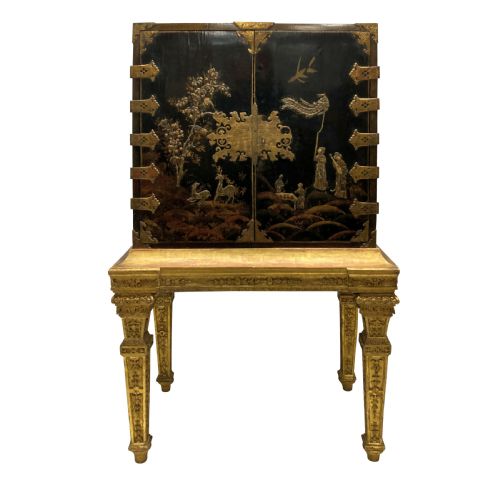
A chinoiserie cabinet on stand combines a distinct upper cabinet with an integrated lower support frame, creating an elevated display or storage piece. The form emerged strongly in English furniture during the late seventeenth century under William and Mary influences, continuing through revival periods in the Victorian era and the nineteen-thirties.
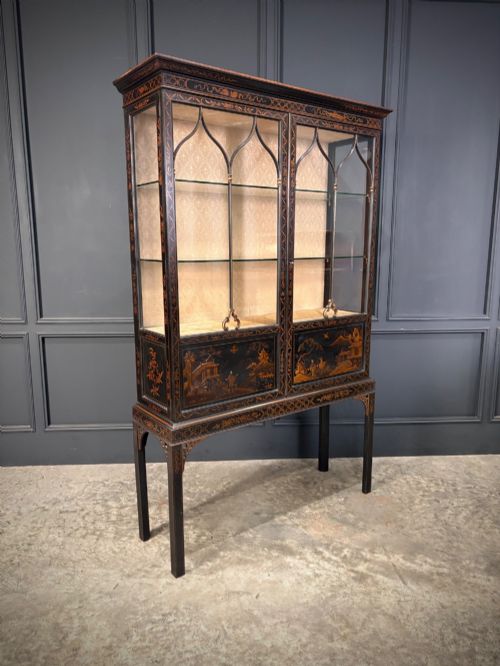
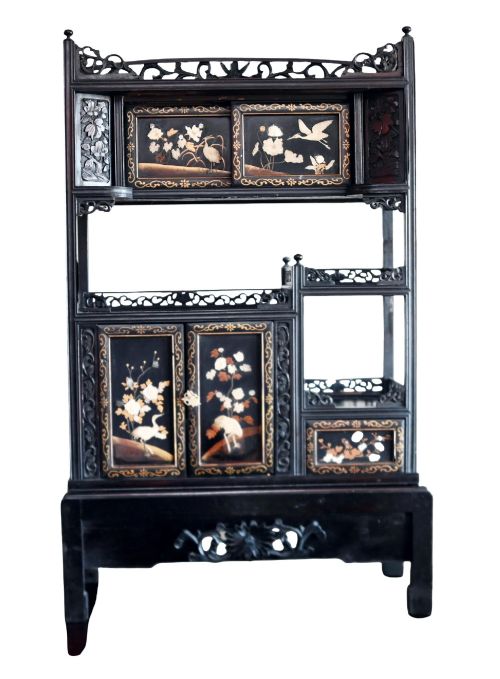
Pieces range from early eighteenth-century japanned medal cabinets and small collectors pieces to large twentieth-century cocktail cabinets. Variants such as corner cupboards and flat-fronted storage units also appear alongside standard double-door configurations.
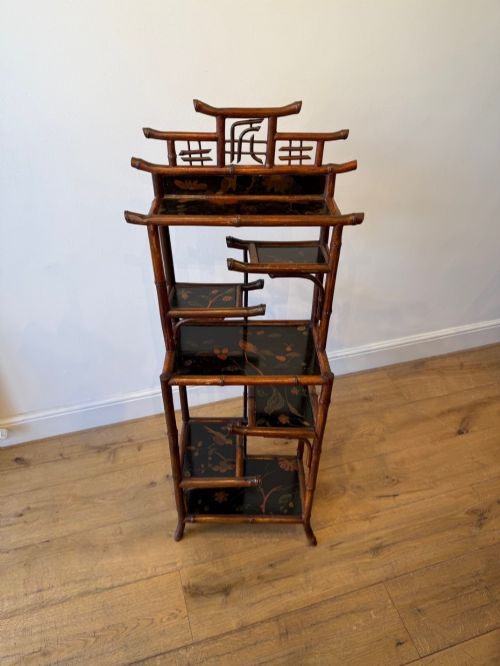
The lower stands often reflect the stylistic vocabulary of their period, appearing as carved wood bases, giltwood frames, or bamboo-styled supports. Surviving examples demonstrate how makers adapted the form from tall seventeenth-century proportions down to compact twentieth-century cocktail units.
Materials and Construction
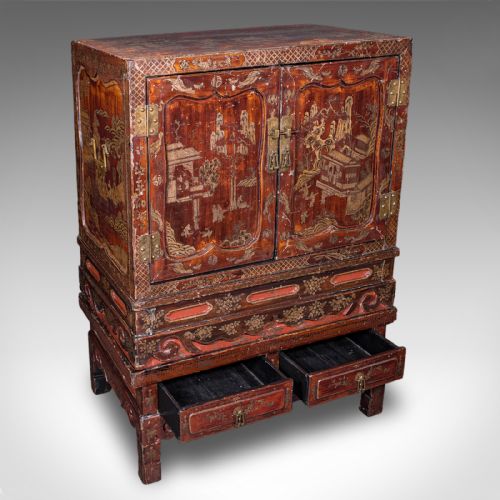
Construction relies heavily on wood carcasses finished with layered lacquer, employing gold leaf, gilt, and ink to build up intricate decorative panels. Artisans applied successive coats of varnish and pigment to achieve deep black or red grounds before detailing figures, pagodas, and landscapes.
Metal accents such as brass hinges, escutcheons, and specialised hardware secure the doors and internal drawers. Giltwood and carved wood provide the structural integrity for the elaborate stands that elevate the main storage compartments.
Chinoiserie Cabinet on Stand Retail Price Guide 2026
Typical asking prices for chinoiserie cabinet on stand among the pieces listed under this phrase on Sellingantiques today, from the lower quarter to the upper quarter. They describe what is for sale here now, not the wider market.
Some Edwardian cocktail versions conceal specialised bottle racks behind their ornate oriental doors, ready for a dry martini.
Assessing Quality
Quality rests in the depth and execution of the lacquerwork and the articulation of the stand. Superior examples display finely hand-drawn motifs and meticulous layering of gold leaf rather than flat painted decoration.
The harmony between the cabinet and its stand dictates much of the piece's integrity. Original stands paired correctly with their upper cabinets command greater interest than later bespoke adaptations or mismatched pairings.
Edwards & Roberts·Gabriel Viardot·Maison Krieger
The Chinoiserie Cabinet on Stand Glossary
- Chinoiserie
- European decorative style reflecting Chinese artistic influences, popular across multiple centuries from the seventeenth onwards. It reinterprets Asian motifs through Western cabinet-making traditions.
- Japanned
- European imitation of East Asian lacquerwork, created by building up layers of varnish and applying metallic dust or paint. This technique defines the surface finish of many early cabinets.
- Penwork
- Decorative technique using fine ink lines to simulate carved or inlaid detail on furniture surfaces. It appears on specialised collectors cabinets from the Regency era.
- Medal cabinet
- Small cabinet designed specifically for the orderly storage and display of numismatic collections. These fitted interiors feature numerous shallow drawers behind secure doors.
Chinoiserie Cabinet on Stand: Frequently Asked Questions
How do I date a chinoiserie cabinet on stand?
Dating relies on examining the construction of the carcase, the timber used for secondary woods, and the style of the stand. Seventeenth and eighteenth-century pieces display distinct joinery and hand-mixed japanning techniques, whereas twentieth-century cocktail cabinets utilise modern internal fittings and manufacturing methods.
Hardware such as brass hinges and lock plates also provides chronological clues. Stands built during later revival periods often copy earlier styles like Queen Anne or William and Mary but reveal nineteenth or twentieth-century construction under closer inspection.
What were these cabinets originally used for?
Original uses varied from housing precious collections of medals and curiosities to storing writing materials and luxury goods. Eighteenth-century examples often functioned as secure repositories for valuables or personal papers.
By the twentieth century, the form adapted to modern entertaining needs. Many pieces from the nineteen-thirties were constructed specifically as cocktail cabinets with mirrored interiors and glass shelving.
Are the stands usually original to the cabinets?
Many cabinets retain their original stands, though some pieces were paired with bespoke replacements during subsequent centuries. Surviving archives show instances where eighteenth-century upper sections were mounted on later nineteenth-century stands.
Matching the finish, wear patterns, and period style helps determine whether the upper cabinet and lower stand grew up together. Original configuration significantly impacts the historical character of the piece.
How do I care for antique lacquer surfaces?
Antique lacquer requires gentle maintenance using a soft, dry cloth to remove dust. Avoid chemical cleaners, modern polishes, and excess moisture, which can damage the delicate layers of varnish and gold leaf.
Keep the furniture away from direct sunlight and steady heat sources to prevent the wood underneath from expanding and causing the lacquer to crack. Stable indoor humidity preserves both the finish and the structural wood.