


Queen Anne Cabinet
When you search for a queen anne cabinet, you encounter elegant pieces that blend historical walnut craftsmanship with period forms.

Queen Anne Cabinet
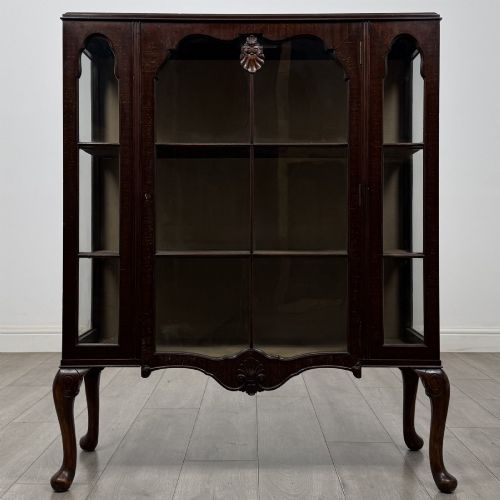
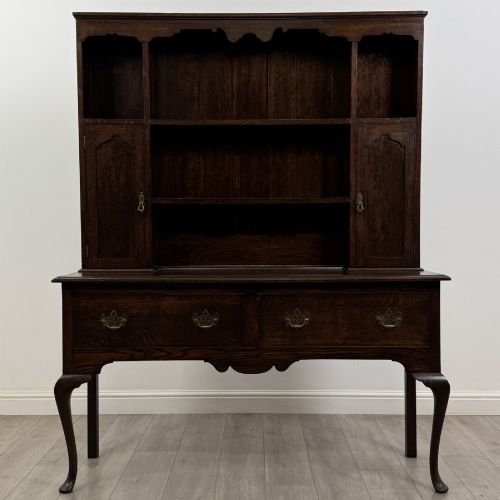
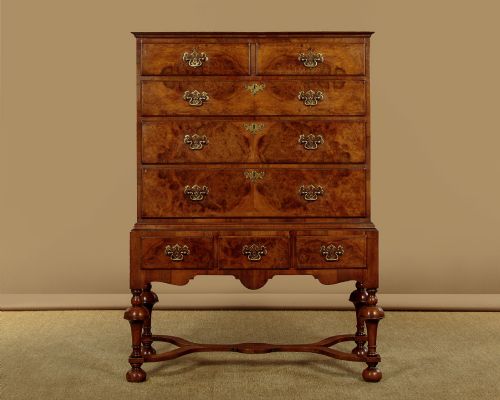
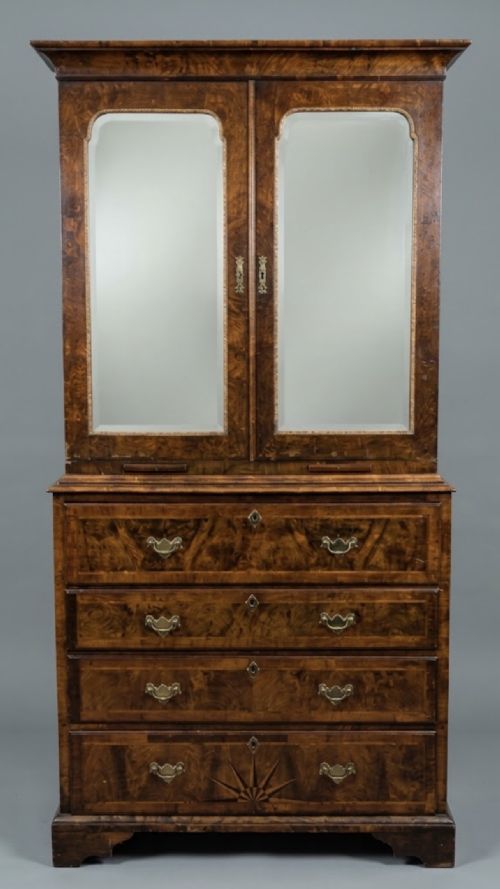
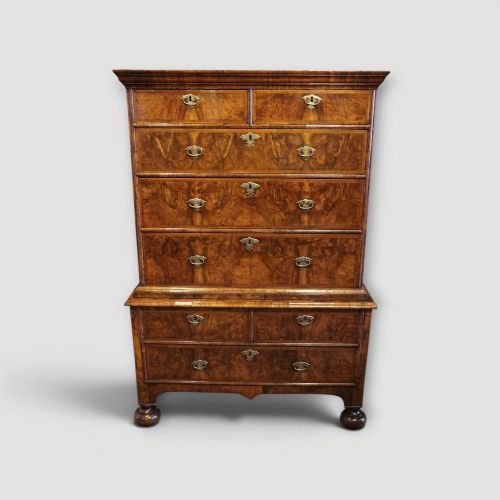
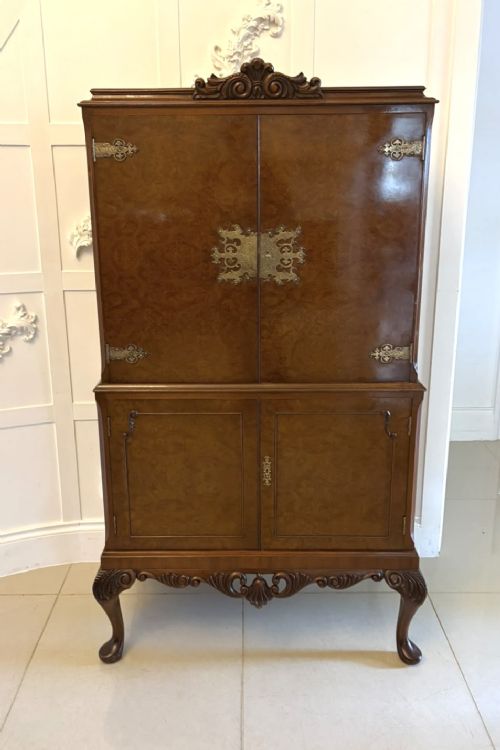
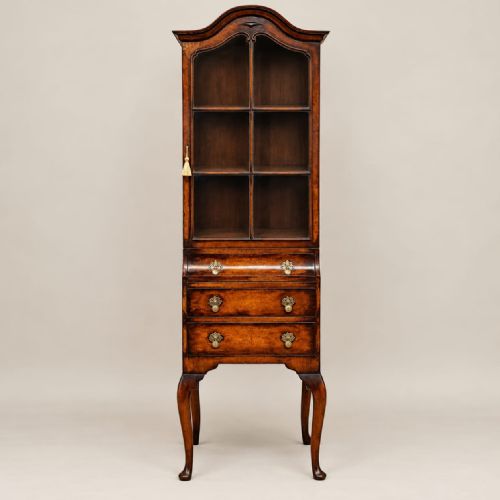
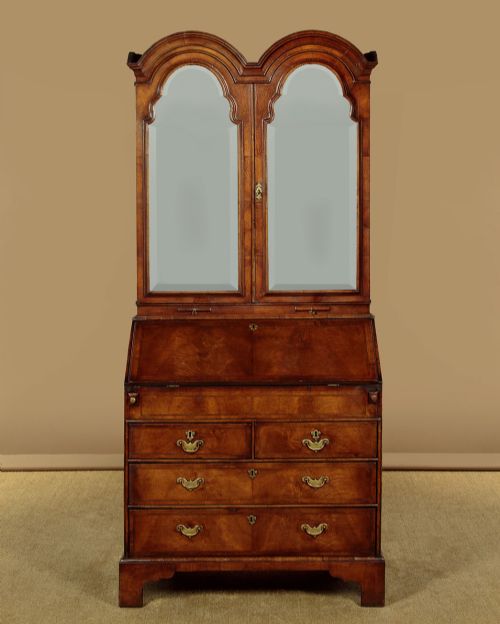
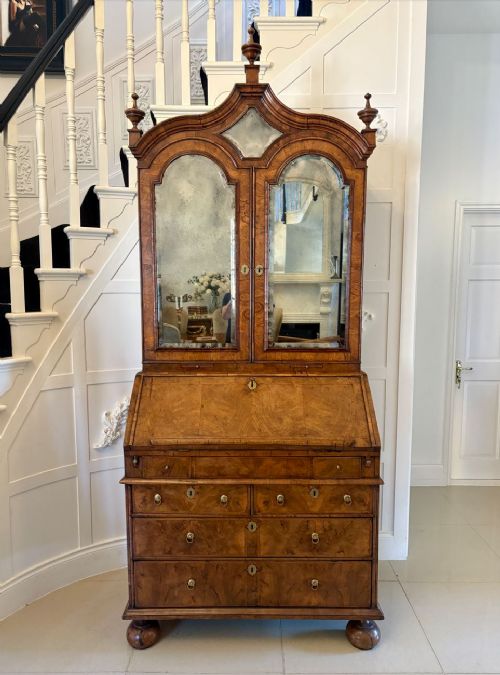
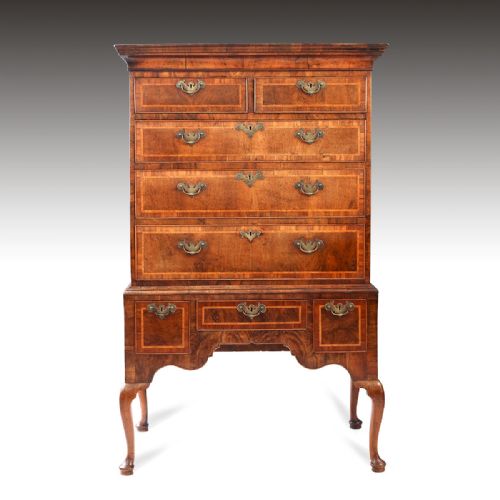
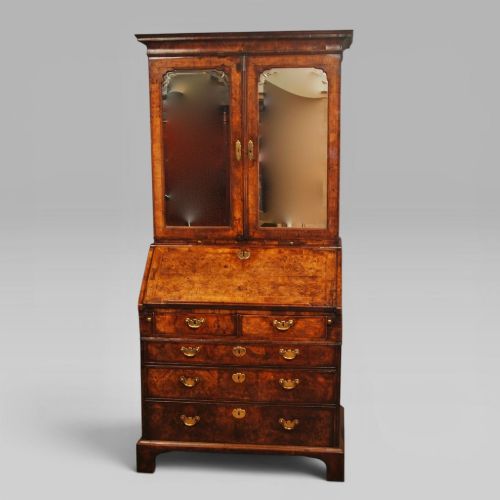
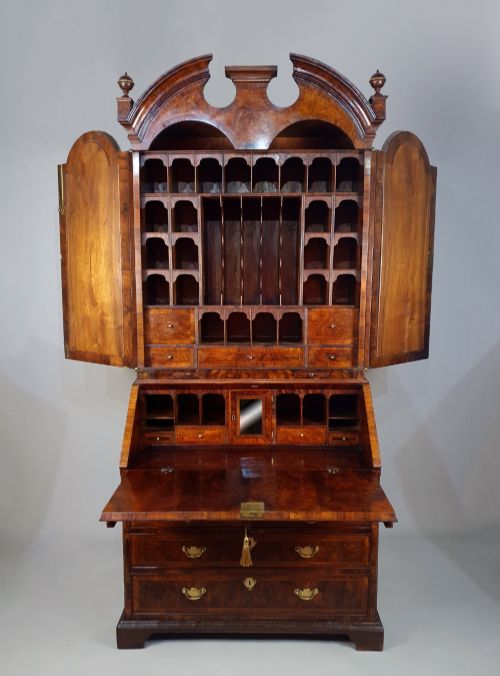
The queen anne cabinet selection spans both authentic pieces dating back to the eighteenth century and revival iterations produced during the Edwardian era and the early twentieth century. Buyers encounter forms ranging from bureau bookcases and chests on stands to display cabinets and cocktail drinks furniture.
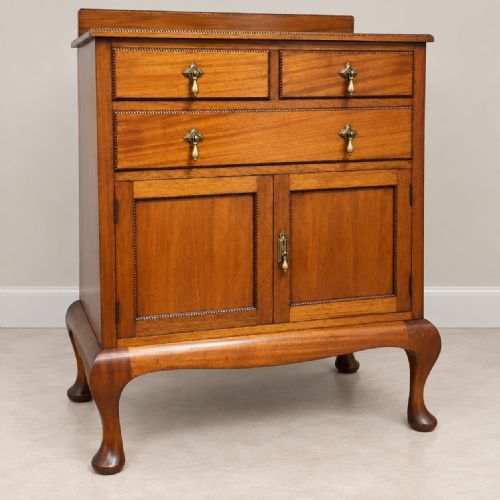
Original pieces generally originate from the late seventeenth and early eighteenth centuries, displaying traditional proportions and construction methods. The revival pieces from the 1920s and 1930s replicate these classic silhouettes while serving modern domestic functions like drinks storage.
Materials and construction methods
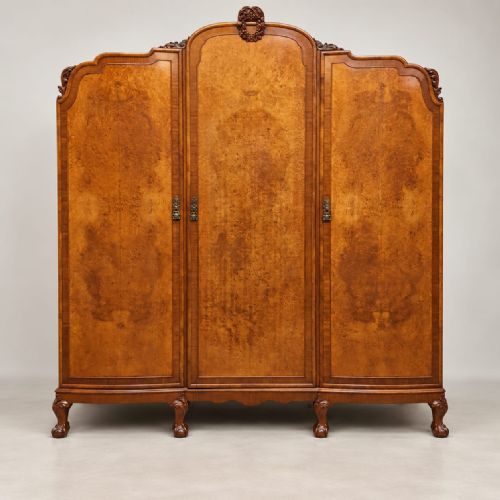
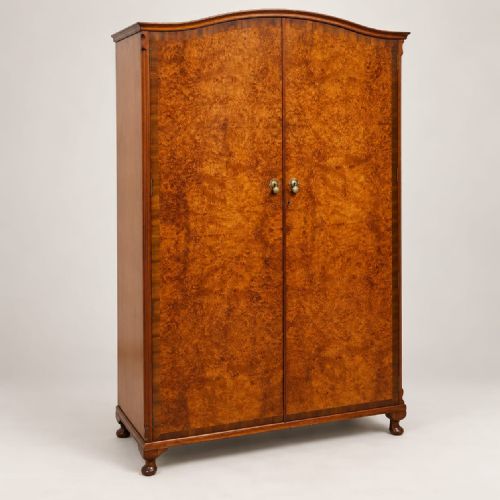
Makers utilised walnut, burr walnut veneer, and oak as primary timbers, often enhanced by decorative featherbanding and brass handles. The distinct grain patterns of burr walnut provide the signature visual texture found across many revival and period items.
Glazed doors, mirrored glass panels, and specialised internal fittings appear frequently in display units and cocktail cabinets. Frameworks rest upon characteristic cabriole legs or are elevated on dedicated stands.
Queen Anne Cabinet Retail Price Guide 2026
Typical asking prices for queen anne cabinet among the pieces listed under this phrase on Sellingantiques today, from the lower quarter to the upper quarter. They describe what is for sale here now, not the wider market.
Many a 1920s cocktail cabinet hides a mirror-backed dry bar behind polite walnut doors, ready for the roaring twenties.
Distinctions in construction and finish
The refinement of the veneer work and the depth of the timber figuring separate standard examples from finer items. Superior execution shows in the matching of burr walnut across drawer fronts and doors.
Integrity of period hardware, original glass panels, and the crispness of carved details such as cabriole leg motifs influence the overall standard of the piece.
Maple & Co.·Gill and Reigate London
The Queen Anne Cabinet Glossary
- Burr walnut
- A prized timber harvested from walnut tree growths, yielding intricate, swirling grain patterns. It is frequently sliced into veneer for cabinet facades.
- Cabriole leg
- A furniture leg featuring a double curve, typically arching outward at the knee and tapering inward to a pad or claw foot. This form defines the silhouette of the style.
- Bureau bookcase
- A dual-purpose furniture form combining a sloping writing flap above drawers with an upper glazed shelving section. They emerged during the early eighteenth century.
- Featherbanding
- A decorative inlay technique using small strips of veneer arranged in a herringbone or V-shaped pattern around drawer edges. It frames the primary timber surfaces.
- Chest on stand
- A tall drawer section supported by an open base with legs, providing elevation and proportion. These pieces often feature multiple internal storage drawers.
Queen Anne Cabinet: Frequently Asked Questions
Are most queen anne cabinets original or revival pieces?
The majority of pieces encountered in modern collections date from early twentieth-century revival periods, particularly the 1920s and 1930s. Genuine eighteenth-century examples remain much scarcer.
Revival pieces successfully replicated historical forms like bureau bookcases and display units while adapting interiors for contemporary uses such as cocktail storage.
How do I identify a revival cabinet from an 18th-century piece?
Examination of internal timber construction, secondary woods, and hardware fixings provides primary clues for dating. Eighteenth-century pieces exhibit hand-cut joints and period tool marks.
Twentieth-century revival items often incorporate standardised interior fittings and modern drawer construction methods beneath their traditional walnut veneers.
What is burr walnut?
Burr walnut is derived from a tree growth that produces highly figured, swirling grain patterns. Craftsmen slice this wood into thin veneers for decorative surfaces.
Cabinets utilising burr walnut showcase distinct patterns across doors and drawer fronts, creating a decorative finish highly prized by cabinetmakers.
How were drinks cabinets integrated into this style?
Twentieth-century makers adapted traditional display and sideboard forms to accommodate the growing popularity of cocktail culture. They added mirrored interiors and glass shelving.
These pieces retain classic revival silhouettes with cabriole legs while housing specialised compartments for glassware and bottles.